The H200 Problem: When Export Controls Meet Procurement Reality
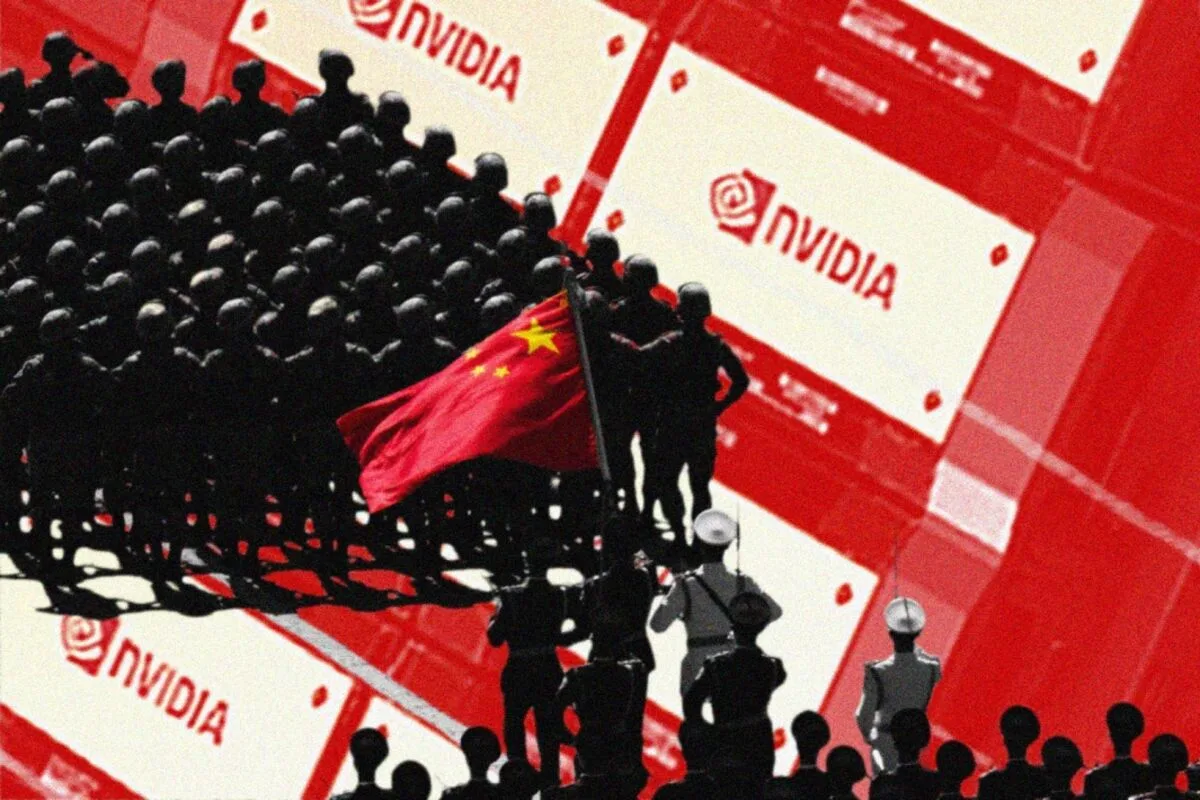
Seven Chinese military-linked universities are trying to buy Nvidia's most powerful chips legally allowed in China, and I'm not sure anyone in Washington thought this through.
Crédito da imagem: Image via source article. Used under fair use for news commentary. · source
I was having coffee with a former colleague last week, a guy who spent twenty years in supply chain at Fanuc, and he asked me what I thought about the whole Nvidia situation in China. I'll be honest, I hadn't been following it closely. Then I read the Bloomberg report and nearly spilled my drink.
At least seven Chinese universities with documented ties to the military and defense industry are actively seeking Nvidia's H200 chips. These are, according to the procurement records Bloomberg reviewed, the most powerful AI processors the US currently allows to be sold in China. And here's what gets me: this is all happening through normal procurement channels. No smuggling. No shell companies. Just universities filling out purchase orders.
The technical reality here is worth understanding. The H200 isn't some watered-down export chip. It's a serious piece of silicon. When I was at Kuka, we were doing early work on AI-assisted path planning, and the compute requirements even then were substantial. The H200 is orders of magnitude beyond what we had access to. For robotics applications, for simulation, for the kind of large-scale training that defense research requires, these chips are genuinely useful. That's not speculation, that's just physics.
Now, the export control framework was supposedly designed to prevent exactly this scenario. The Commerce Department spent considerable effort drawing lines around what could and couldn't be shipped to China. They restricted the most powerful chips. They created performance thresholds. And then they apparently said the H200 was fine. I've been trying to understand the logic, and I'm not there yet.
Cobertura relacionada
More in Policy
Everyone's framing this as a Windows headache, but the real story is what it means for the billion-plus devices that nobody's going to patch in time.
Mark Kowalski · 25 Jun · 6 min
The billionaire chairman of Australian logistics software giant WiseTech is under scrutiny again, and this time investors appear to be running out of goodwill.
Sarah Williams · 22 Jun · 4 min
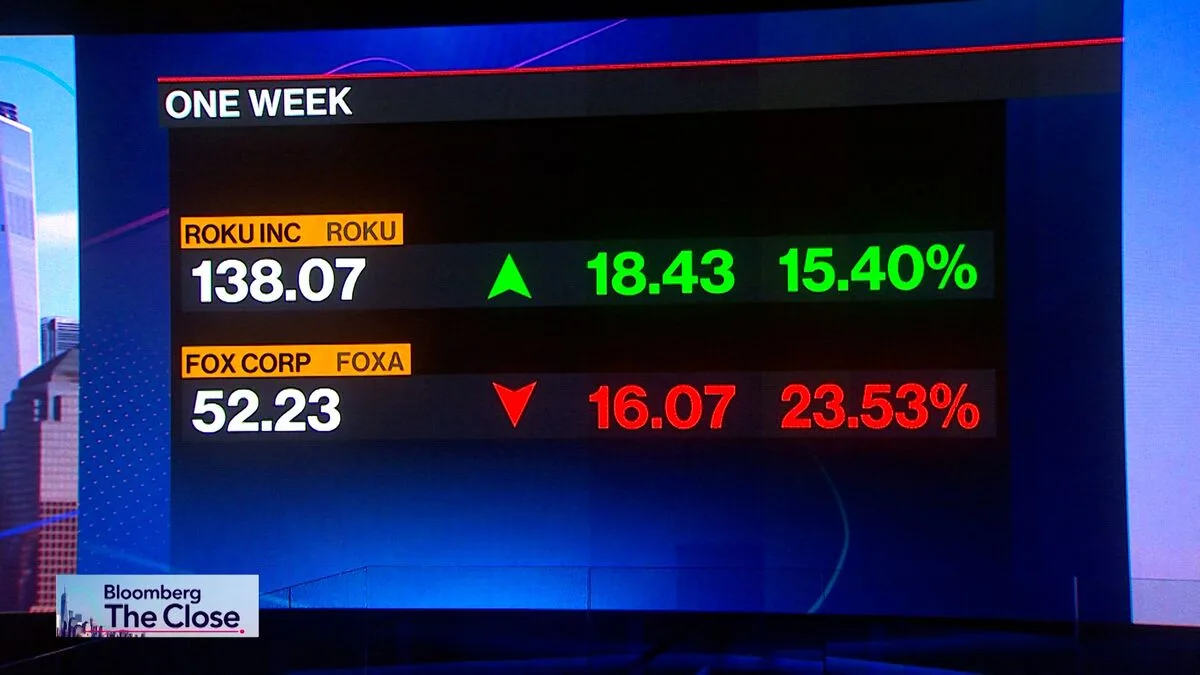
The ad-supported streaming wars just got a lot more expensive. Fox's blockbuster Roku deal is either a masterstroke or a very pricey panic move, depending on who you ask.
Mark Kowalski · 20 Jun · 7 min
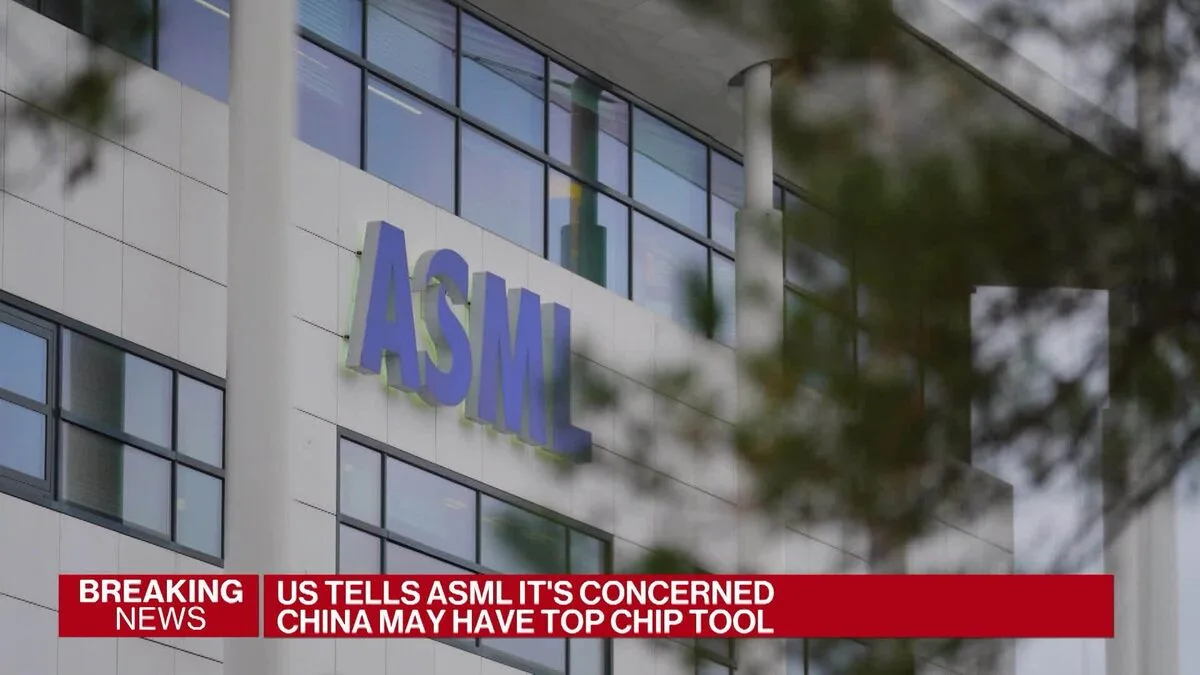
The US government thinks it might have, and that's a very big deal for the future of AI hardware and anything built on top of it.
Look, here's the thing about dual-use technology. Every piece of serious industrial equipment I ever worked with could theoretically be repurposed for military applications. A Kuka robot arm assembling car doors uses the same control systems and precision actuators that could, in theory, handle ordnance. We had export compliance people who made our lives difficult for good reasons. The question was always: where do you draw the line?
The line the US drew with the H200 appears to have been drawn in the wrong place. Or at least, it was drawn without fully considering who would be standing on the other side of it with a purchase order in hand.
Bloomberg's reporting identifies seven universities, all with documented connections to China's armed forces and defense industry. These aren't obscure institutions. They're not hiding their affiliations. The procurement records are, apparently, just sitting there in databases that researchers can access. This isn't intelligence work. It's basically library research.
What bothers me most isn't the policy failure itself. Policy failures happen. What bothers me is that this feels like a failure of imagination. Did nobody in the export control apparatus consider that Chinese military-affiliated institutions might try to buy chips that are legally available for sale in China? That seems like, I don't know, the first thing you'd think about.
I called around to a few people I know who follow this stuff more closely than I do. The consensus seems to be that the H200 restrictions were calibrated to allow Nvidia to maintain some China business while theoretically limiting military applications. The theory being that the H200, while powerful, isn't quite at the level needed for the most advanced AI work.
That theory appears to be meeting reality, and reality is winning.
The robotics angle here matters more than people realize. Modern humanoid robot development, the kind of thing Figure and Tesla and all the Chinese competitors are working on, is incredibly compute-intensive. Training a robot to navigate unpredictable environments, to manipulate objects with human-like dexterity, to make real-time decisions, this requires exactly the kind of processing power the H200 provides. And military robotics programs have the same requirements, just with different end goals.
I'm not suggesting every H200 that ends up at a Chinese university is going straight to weapons development. That would be simplistic. But the idea that military-linked institutions would use these chips for purely civilian research strains credulity. In my experience, dual-use means dual-use. The same simulation that trains a warehouse robot can train something else entirely.
Where does this leave us? Probably with another round of export restrictions, more carefully drawn this time. Maybe entity-list additions for the specific universities involved. The usual dance. Meanwhile, China continues developing its domestic chip capabilities, partly because US restrictions have made self-sufficiency a national priority.
I've been in this industry long enough to remember when technology transfer to China was actively encouraged. Different era, different assumptions. We're clearly in a new period now, one where the questions are harder and the answers are less obvious.
But I'll say this: if your export control framework allows military-linked institutions to legally procure your most advanced permitted chips through normal channels, you might want to revisit your framework. That's not a political statement. That's just, well, common sense.
The Bloomberg report doesn't tell us how many H200 chips these universities are actually trying to acquire, or whether Nvidia or its distributors have flagged the orders. Those details remain unclear. But the fact that the procurement attempts are happening at all suggests the current approach isn't working as intended.
Somebody in Washington needs to have a conversation about this. Probably should have had it six months ago.