Secure Boot's 2026 Certificate Crisis Is Bigger Than the Tech Press Is Letting On
Everyone's framing this as a Windows headache, but the real story is what it means for the billion-plus devices that nobody's going to patch in time.
By
·25 June 2026·6 min de leitura
Most of the coverage on the Secure Boot certificate expiration has focused on what you need to click in your Windows settings, and that's fine as far as it goes. But I've been watching security infrastructure stories get underplayed since the SSL certificate chaos of the early 2000s, and the framing here is missing the bigger picture by a wide margin.
What's actually happening, for those just catching up. Secure Boot, the firmware-level security feature baked into most modern PCs, relies on certificate authorities to verify that your machine is booting trusted software. One of the foundational certificates Microsoft issued back in 2011 is now expiring, and the ripple effects are landing on well over a billion devices. ZDNet reported that the first expiration date has already arrived, with more deadlines to follow through 2026. This isn't a future problem. It's a right-now problem that's already in motion.
The workaround coverage has been reasonably solid, but it's aimed squarely at the kind of person who already knows what UEFI firmware settings look like. That's not most people. That's not even most IT managers at small businesses. And the enterprise-scale implications, the stuff that matters for critical infrastructure and industrial systems, are getting buried under guides about how to navigate your BIOS menu.
The Linux angle is getting almost no attention, and it should. Call me old-fashioned, but when a security change hits Linux users in ways that are distinct from Windows users, that's worth a separate conversation. The expiring 2011 Microsoft certificate authorities aren't just a Windows problem. Plenty of Linux distributions rely on Microsoft-signed shim bootloaders to pass Secure Boot validation, which means Linux users on affected hardware are getting caught in the crossfire of a certificate lifecycle they had no hand in creating. flagged this clearly, but the piece also warned readers away from at least one popular workaround that could leave systems in a worse state than the problem it's trying to fix. That's important. That's the kind of nuance that gets lost when everyone's racing to publish the quickest fix guide.
Cobertura relacionada
More in Policy
The billionaire chairman of Australian logistics software giant WiseTech is under scrutiny again, and this time investors appear to be running out of goodwill.
Sarah Williams · 22 Jun · 4 min
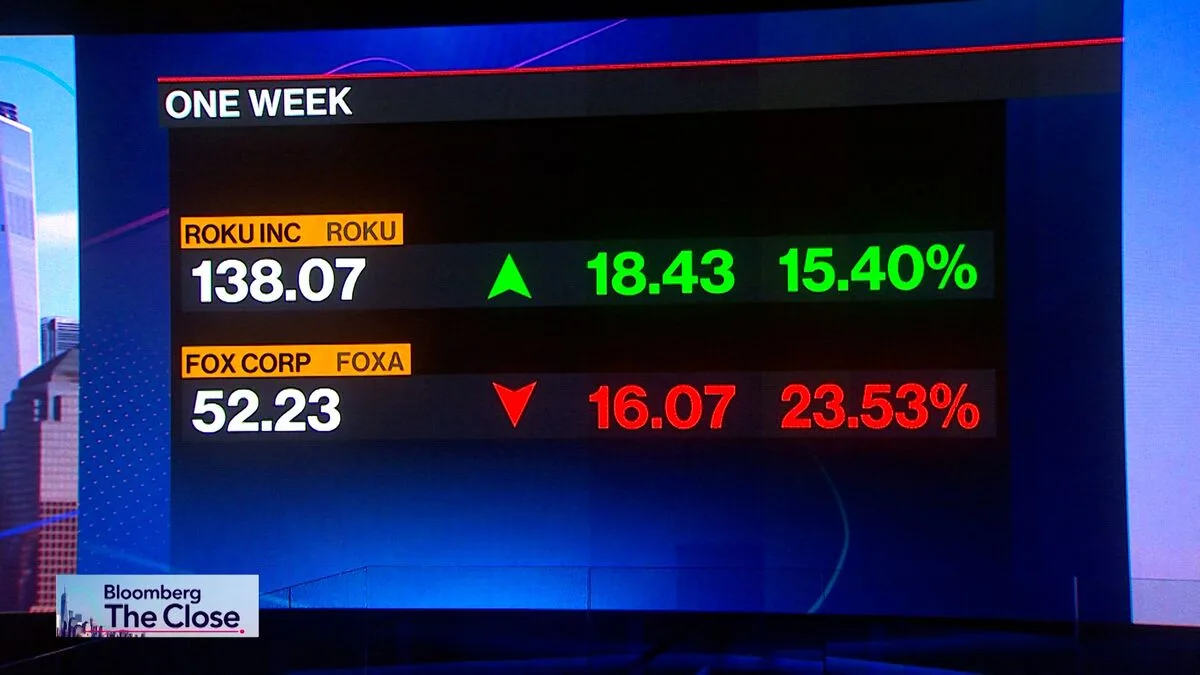
The ad-supported streaming wars just got a lot more expensive. Fox's blockbuster Roku deal is either a masterstroke or a very pricey panic move, depending on who you ask.
Mark Kowalski · 20 Jun · 7 min
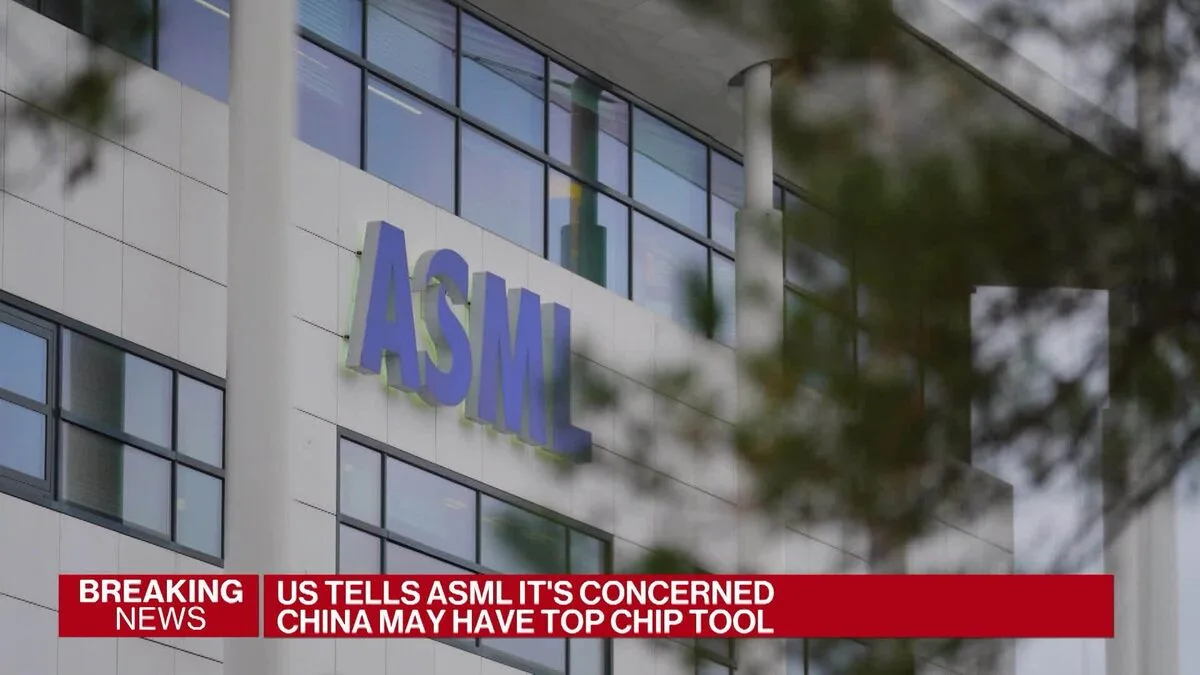
The US government thinks it might have, and that's a very big deal for the future of AI hardware and anything built on top of it.
Sarah Williams · 20 Jun · 4 min
Three Amazon engineers testified at Seattle City Council. A week later, they were called into meetings with 'Employee Relations.' Draw your own conclusions.
The workaround-to-avoid angle matters more than it sounds. In past certificate expiration events, and yes, I've seen this movie before, the secondary wave of damage often comes not from the expiration itself but from users applying bad fixes they found in forum threads. We don't know yet how widespread that pattern will be this time, but the conditions for it are absolutely present.
The scale problem is what keeps me up at night. A billion PCs is not a number you fix with a patch Tuesday and a knowledge base article. Most of those machines are not managed by anyone who reads security blogs. They're in small offices, in schools, in home offices run by people who bought a laptop four years ago and haven't thought about firmware since. The certificate expiration affects hardware regardless of how technically sophisticated the owner is, and the update and remediation process requires a level of hands-on intervention that automatic updates simply can't deliver for everyone.
I've covered enough of these infrastructure-level security events to know that the gap between "a fix exists" and "the fix has been applied at scale" is where the real damage happens. It remains unclear how many of the affected devices will actually receive timely updates from their manufacturers, and the honest answer is that older hardware may never see a fix at all. Manufacturers have limited incentive to push firmware updates to devices that are out of warranty or approaching end of support, and there's no regulatory mechanism forcing them to.
This is also, in a way, a policy story. The autonomous and connected systems space, which is where I spend most of my time, depends on Secure Boot and similar chain-of-trust mechanisms as foundational security assumptions. Autonomous vehicles, industrial robotics, edge computing nodes in smart infrastructure, all of these rely on the same kind of firmware-level verification that's now under stress. When the certificate infrastructure underpinning Secure Boot shows this kind of fragility, it's a signal that the broader ecosystem of device security needs governance frameworks that don't exist yet.
Young founders building connected hardware products today are inheriting a security architecture that was designed in a different era, and some of them don't fully appreciate how deep the dependencies run. The 2011 certificate that's now causing headaches was issued when the iPhone 4 was new. The assumptions baked into that infrastructure are old assumptions, and the devices still running on them are everywhere.
What should actually happen, in an ideal world. Microsoft and the major PC manufacturers need to treat this as a coordinated public communication problem, not just a technical one. The guidance needs to reach non-technical users through channels they actually use, not just developer blogs and IT forums. Linux distribution maintainers are already scrambling to update their shim signing processes, and credit to them for moving quickly, but they're fighting upstream against a timeline they didn't set.
For enterprise and industrial users, the priority should be auditing which devices in your fleet have already been affected and which are coming up on expiration. This is based on limited public information so far, but the evidence suggests that the expiration is rolling out in phases, which means there's still a window to act before the full scope hits. That window is not large.
For regular consumers, the honest advice is: check your manufacturer's support page for your specific device model, look for firmware updates, and be skeptical of any forum thread that tells you to disable Secure Boot entirely as a quick fix. Disabling Secure Boot removes a genuine layer of protection against bootkit malware. The cure there is worse than the disease.
The bottom line. This story isn't going away after a patch cycle or two. The certificate expiration timeline runs through 2026, which means we're going to be having versions of this conversation for the next couple of years. The coverage so far has been technically accurate but scope-limited, focused on the immediate fix for technically capable users rather than the systemic implications for the broader installed base.
I've been writing about technology infrastructure long enough to know that the stories that look like maintenance issues are often the ones that turn into the bigger deals. The Y2K comparison is overused, but the structural similarity is real: a deadline built into aging infrastructure, a fix that requires coordinated action across millions of independent actors, and a public awareness level that's well below what the situation probably warrants. We'll see how it plays out. My email's on the about page if you want to argue about it.