Crédito da imagem: Image via TechCrunch — AI. Used under fair use for news commentary. · source
Picture this: it's sometime in the mid-2000s and every analyst on television is explaining, with great confidence, why Google's IPO price was either too high or not high enough. Nobody actually knew. The stock did what it wanted. The analysts moved on to the next thing. Now swap in SpaceX, add about twenty years of accumulated hype, and you've got a pretty good sense of where we are today.
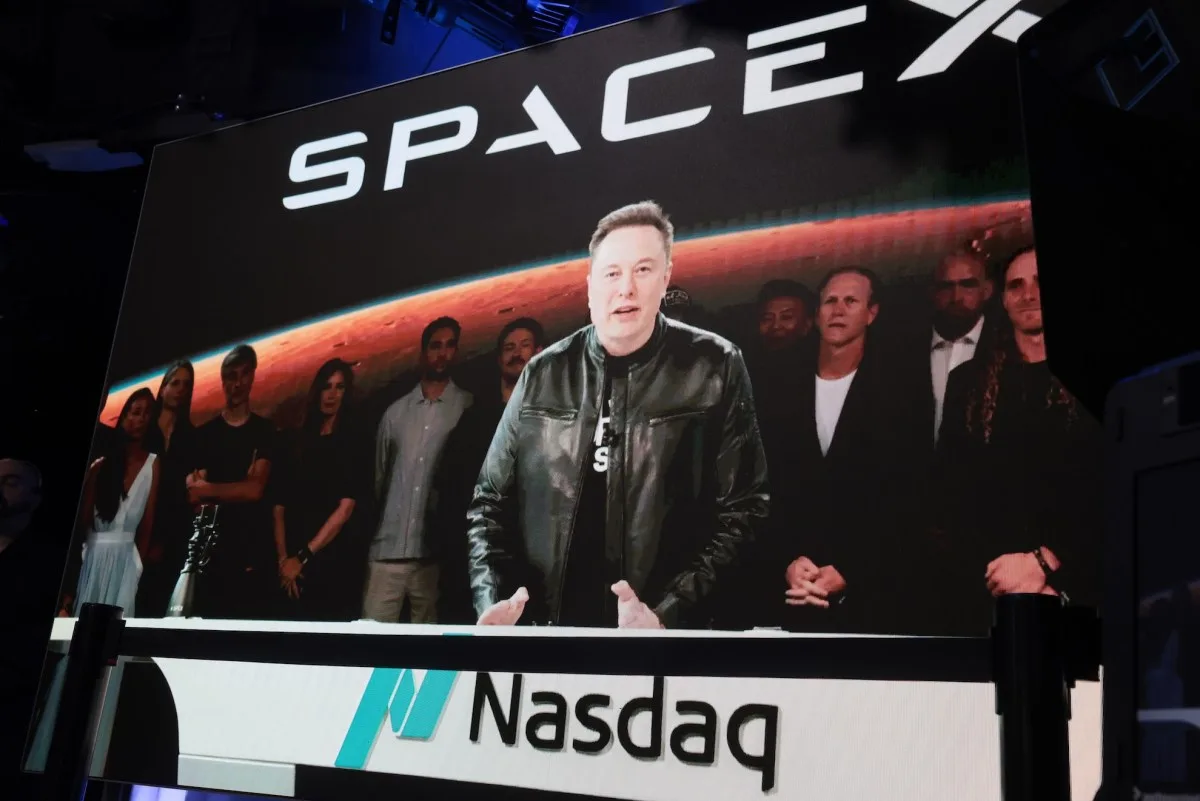
SpaceX is going public, and if you've spent any time in tech media this week you already know that. TechCrunch has put together a full package on the IPO, covering who stands to win, the pre-IPO deal structure, and what's actually in the S-1 registration document. It's worth reading. But I want to talk about something the coverage doesn't quite get at, which is what this moment actually means and whether the excitement around it is calibrated to reality.
The hype machine is running at full speed. I don't say that as a criticism of SpaceX. The company has genuinely done things that serious aerospace engineers told Elon Musk were impossible, or at least not commercially viable, and they turned out to be wrong. Reusable orbital rockets. Crew missions to the ISS. Starlink blanketing the planet with broadband. These aren't marketing slides. They're real. The company earns its reputation in a way that a lot of the startups I've covered over the years simply did not.
But here's the thing about IPOs: they're not really about the company. They're about the story investors tell themselves about the company, and those two things can drift pretty far apart pretty fast. I've watched this happen with Amazon (too expensive at $18 a share, then a joke at $100, then a regret at $1,000), with Tesla (written off, then a meme, then a legitimate automaker, then a meme again), and with a dozen aerospace and autonomous vehicle companies that raised enormous sums of money on enormous promises and then quietly restructured their way into irrelevance.
Cobertura relacionada
More in Policy
Everyone's framing this as a Windows headache, but the real story is what it means for the billion-plus devices that nobody's going to patch in time.
Mark Kowalski · 25 Jun · 6 min
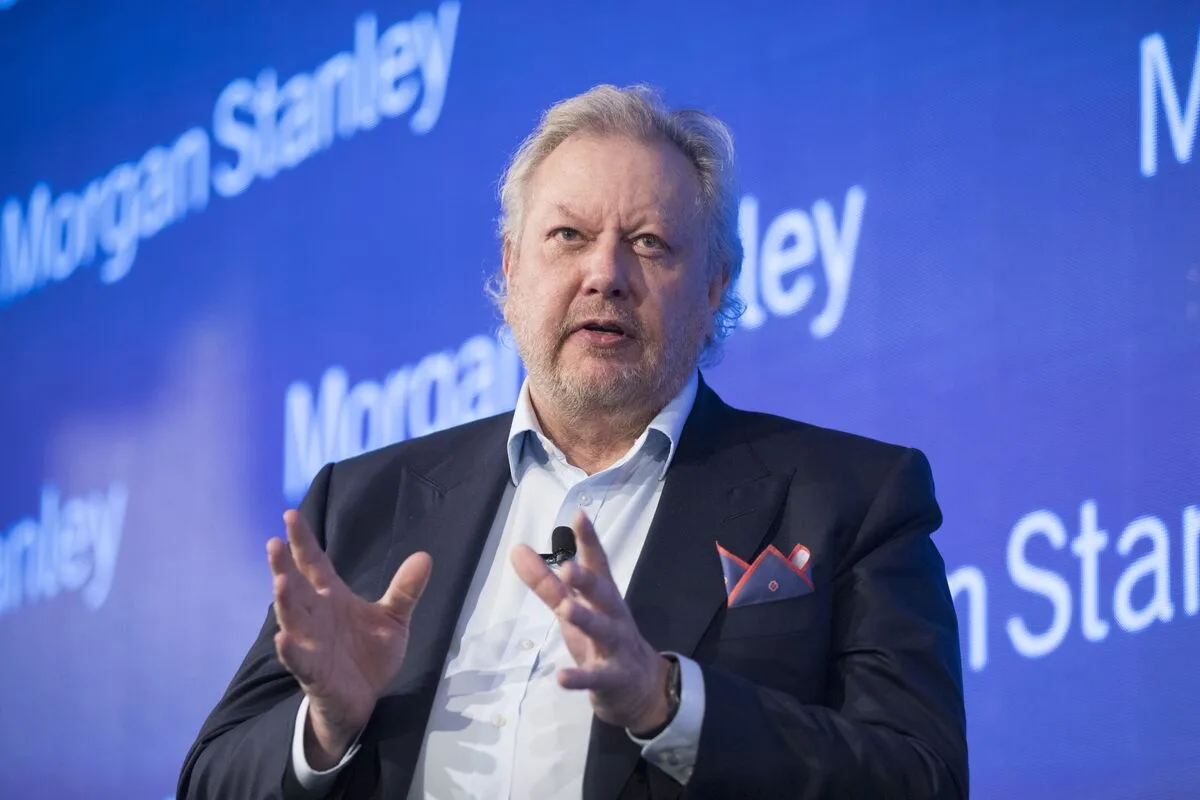
The billionaire chairman of Australian logistics software giant WiseTech is under scrutiny again, and this time investors appear to be running out of goodwill.
Sarah Williams · 22 Jun · 4 min
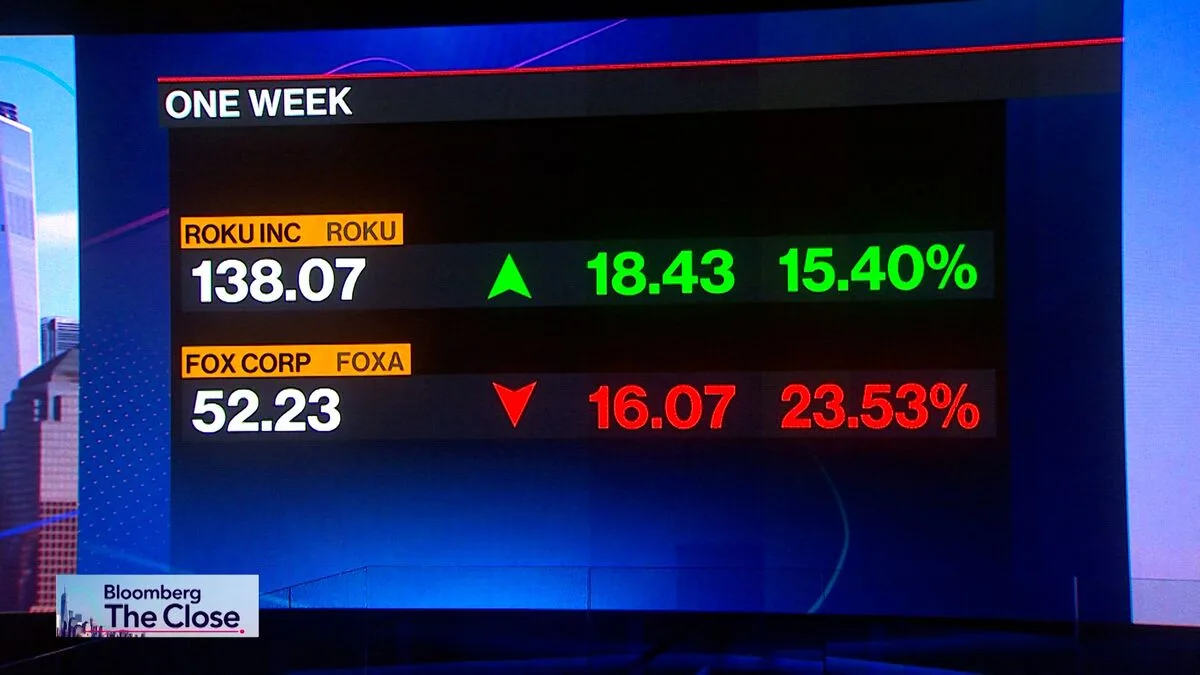
The ad-supported streaming wars just got a lot more expensive. Fox's blockbuster Roku deal is either a masterstroke or a very pricey panic move, depending on who you ask.
Mark Kowalski · 20 Jun · 7 min
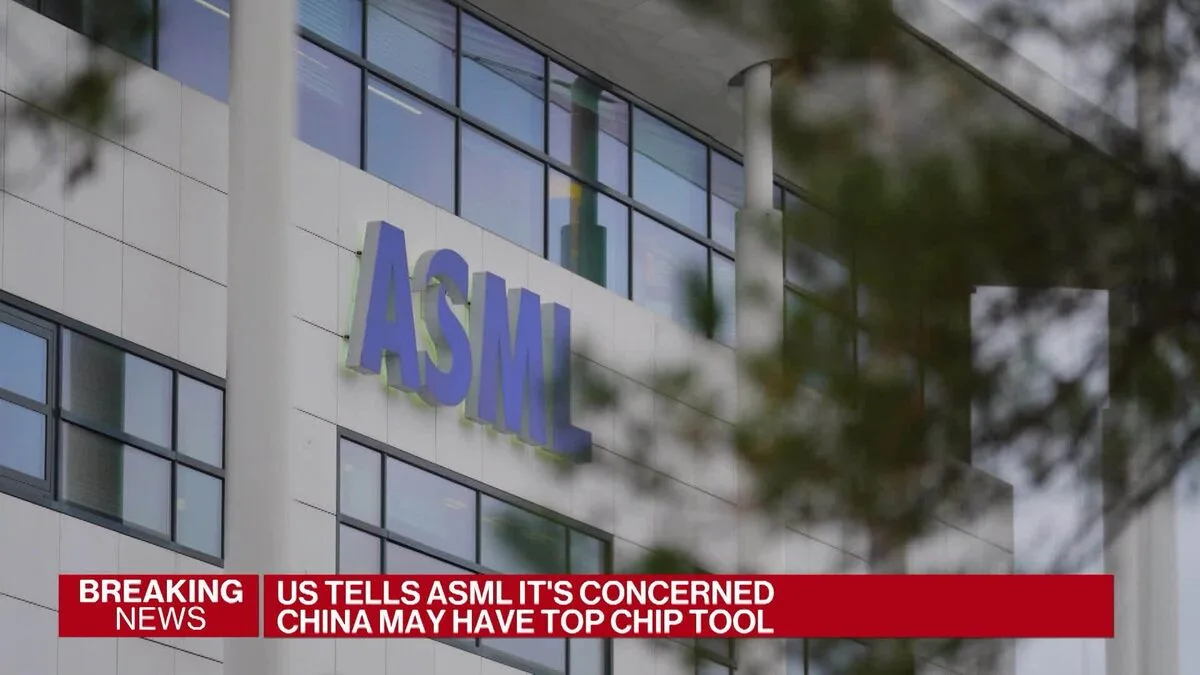
The US government thinks it might have, and that's a very big deal for the future of AI hardware and anything built on top of it.
The S-1 is where the real story lives. Registration documents are not beach reading, but they're honest in a way that press releases and investor decks are not, because lawyers have to sign off on them and lawyers do not like jail. The SpaceX S-1, according to the TechCrunch coverage, contains the usual package of financial disclosures, risk factors, and pre-IPO deal structures that will determine who gets rich first and by how much. I haven't had the chance to go through the full document line by line yet, and I'll be honest, some of the financial engineering around pre-IPO access deals is dense enough that I'd want a securities lawyer walking me through it before I said anything definitive. That's a limitation of what I can offer here.
What I can say is that the structure of who gets in at what price, before the stock starts trading publicly, matters enormously. It always has. The people who got Google at the IPO price did fine. The people who got in on the secondary market the first week paid a premium and waited years to see it justified. With SpaceX, given the scale of the valuation we're likely talking about, those dynamics will be amplified.
Now, about that valuation. SpaceX has been valued in private markets at figures that are, let's say, ambitious. The company's revenue is real and growing, driven substantially by Starlink subscriptions and government launch contracts. But it's still operating in a capital-intensive industry with long development cycles, significant regulatory exposure, and a CEO who has a well-documented habit of making commitments on timelines that then slip by years. That's not a personal attack. It's just an observable pattern, and investors pricing in Mars colonization revenue at any near-term horizon are doing something more like science fiction speculation than financial modeling.
I've seen this movie before, is the thing. The autonomous vehicle industry, which I've covered closely for years, went through almost exactly this sequence. Enormous private valuations justified by transformative long-term visions, followed by public listings, followed by a slow reckoning with the gap between the vision and the near-term unit economics. Some of those companies survived and are doing real work. A lot of them didn't. The ones that struggled most were the ones where the story had gotten so big, so fast, that no actual business result could keep up with it in the short term.
SpaceX is a stronger business than most of those AV companies were when they went public. I want to be clear about that. But it's also carrying a much larger story, and that story includes things like Starship reaching Mars and global satellite internet dominating the broadband market and a dozen other bets that are, at minimum, a decade out from generating the kind of returns the valuation seems to be pricing in. It remains unclear how public market investors, who tend to have shorter time horizons than the private funds that built SpaceX to this point, will handle that gap when quarterly earnings start rolling in.
Who wins. According to the TechCrunch reporting, the IPO coverage includes a breakdown of who stands to benefit most. Spoiler: it's not retail investors who buy on day one. It's almost never retail investors who buy on day one. The pre-IPO deal structures, the institutional allocations, the employee stock options that have been vesting for years, all of that gets sorted out before the ordinary person with a brokerage account gets anywhere near the stock. Call me old-fashioned, but I think that's worth saying plainly instead of letting it get buried in the excitement.
Elon Musk's stake, and the question of how his other ventures affect SpaceX's governance and management attention, is also something investors should be thinking hard about. This raises questions about, well, multiple things: whether the person most responsible for SpaceX's culture and technical direction is spread thin enough that it creates real organizational risk, and how public market disclosure requirements interact with his broader communications style. I don't have a clean answer. I'm not sure anyone does yet.
The Starlink angle is the one I keep coming back to. If you strip away the rockets and the Mars stuff and look at SpaceX as basically a satellite internet company that also operates a launch business, the financial picture looks different, and in some ways more interesting. Starlink is a subscription business with real recurring revenue, real customers, and a product that demonstrably works in markets where terrestrial broadband is thin or unreliable. That's not nothing. That's actually a pretty good business, and it's the kind of thing that public market investors understand and can model.
The question is whether Starlink's growth trajectory justifies the overall valuation, or whether you need to believe in the full SpaceX vision to make the numbers work. I'd want to see the segment-level financials before forming a strong view, and it's not clear yet how granular the S-1 disclosure gets on that front.
So what does this all mean. Honestly, the SpaceX IPO is probably going to go fine in the short term. There's enough institutional appetite, enough genuine business substance, and enough cultural momentum around the company that the listing will almost certainly be seen as a success by the metrics that get reported. The stock will probably pop. People will write breathless articles. A lot of people who've worked there for years will become millionaires, and good for them, they built something real.
But the longer-term question, the one that matters more to me, is whether SpaceX as a public company can sustain the expectations that have been built up around it over the last decade of private funding. That's a harder question. Public markets are impatient in ways that private investors, who can afford to wait, are not. Quarterly earnings calls have a way of making long-term visions feel very far away.
I've been covering tech long enough to know that the companies which handle the transition from private darling to public company best are usually the ones that come in with some humility about what they know and what they don't, that set expectations carefully, and that have a core business generating real cash that can carry the weight of the story when the story gets harder to tell. Whether SpaceX fits that description, we'll find out soon enough.
In the meantime, read the S-1. All of it, if you can stand it. The lawyers put the important stuff in the footnotes.