Crédito da imagem: Image via Source article. Used under fair use for news commentary. · source
If you've been covering tech long enough, you start to notice patterns. The promises, the timelines, the careful language about "commitments" that somehow never quite become "guarantees." Google's new water pledge feels familiar in a way that makes me reach for my coffee and sigh.
The company announced five commitments around water use this week, headlined by a goal to replenish more water than it uses at its data centers by 2030. They're also promising to invest in local water infrastructure, find alternative water sources, and be transparent about consumption. It sounds great! It also sounds exactly like the carbon neutrality pledges we heard a decade ago, and, well, we know how those turned out.
Here's what we actually know: AI data centers are thirsty. Really thirsty. The cooling systems that keep all those GPUs from melting require enormous amounts of water, and as AI workloads have exploded over the past three years, so has consumption. Google didn't disclose exact figures in their announcement (of course they didn't), but third-party estimates suggest a single large data center can use millions of gallons per day. That's not a typo.
SpaceX, interestingly enough, flagged water access as a genuine risk factor in their IPO filing. The company says it needs "significant" water resources to cool its own data centers and that finding abundant, affordable water is becoming a challenge. When a company preparing to go public tells investors that water scarcity might hurt their business, you should probably pay attention.
Google's trying to get ahead of this, clearly. "We're just one of dozens of players in the space," said the company's global head of infrastructure, which is technically true but also feels like the corporate equivalent of pointing at the other kids when mom asks who broke the lamp. Yes, Microsoft and Meta and Amazon are all building data centers too. That doesn't make the cumulative impact any smaller.
Cobertura relacionada
More in Policy
Everyone's framing this as a Windows headache, but the real story is what it means for the billion-plus devices that nobody's going to patch in time.
Mark Kowalski · 25 Jun · 6 min
The billionaire chairman of Australian logistics software giant WiseTech is under scrutiny again, and this time investors appear to be running out of goodwill.
Sarah Williams · 22 Jun · 4 min
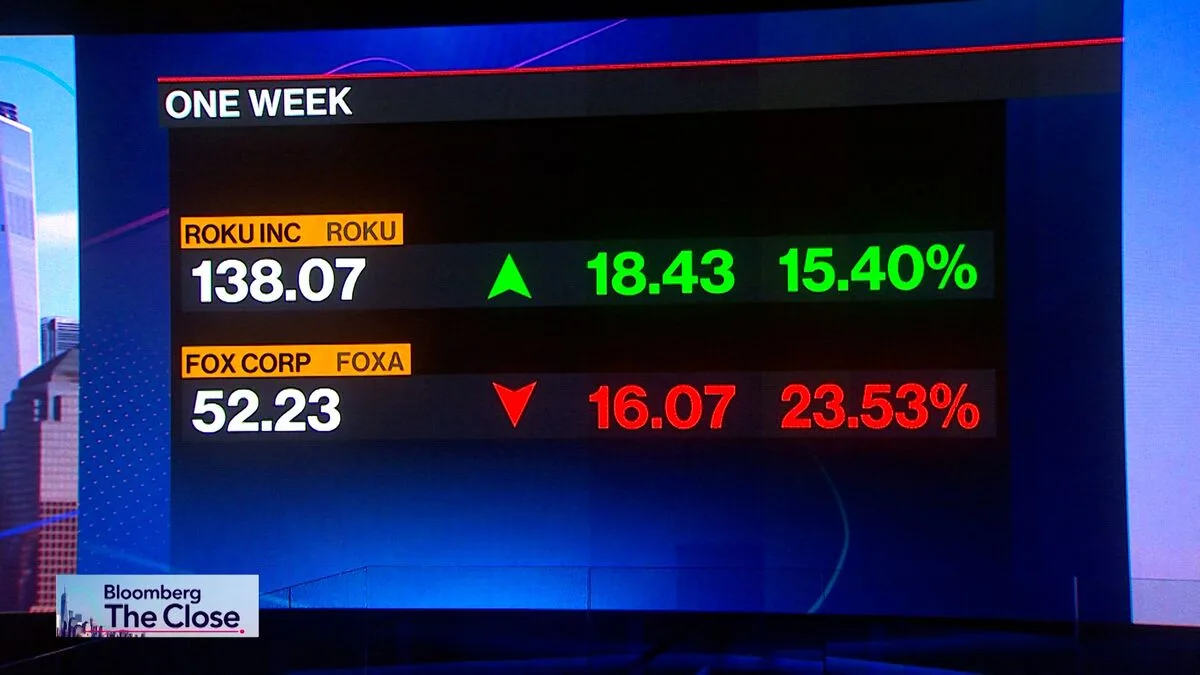
The ad-supported streaming wars just got a lot more expensive. Fox's blockbuster Roku deal is either a masterstroke or a very pricey panic move, depending on who you ask.
Mark Kowalski · 20 Jun · 7 min
The US government thinks it might have, and that's a very big deal for the future of AI hardware and anything built on top of it.
Let me break down what The Verge reported about these commitments, because the details matter:
First, the 2030 replenishment goal. This is the headline grabber, and it's genuinely ambitious if they pull it off. The idea is that Google will fund water restoration projects (wetlands, aquifer recharge, that sort of thing) that put more water back into local systems than the data centers take out. Sounds good in theory. In practice, water replenishment is notoriously hard to measure and verify. How do you prove that a wetland restoration project actually increased the water supply for a specific community? You mostly can't, not with precision anyway.
Second, local infrastructure investment. This one's more concrete and honestly more interesting. If Google's building a data center in a region with aging water infrastructure, helping upgrade that infrastructure could provide real benefits to residents. The question is scale. A few million dollars in pipe upgrades doesn't mean much when you're extracting tens of millions of gallons annually.
Third, alternative water sources. This means things like recycled wastewater, air cooling systems, and potentially desalination in coastal areas. These technologies exist and they work, but they're expensive. The cynical read is that Google will use them where regulations force them to and stick with cheap freshwater everywhere else. The optimistic read is that a company with Google's resources could actually make these alternatives economically viable at scale. I genuinely don't know which read is correct yet.
Fourth and fifth, transparency and local engagement. Sure. Fine. These are table stakes at this point, not differentiators.
Google didn't wake up one morning and decide to care about water out of the goodness of their corporate heart. There's been widespread backlash to AI data center buildouts throughout the US, and it's coming from unexpected places. Rural communities that welcomed tech investment a few years ago are now asking hard questions about what they're giving up in return.
I've seen this movie before, actually. In the early 2000s, everyone wanted a semiconductor fab in their backyard. Jobs! Investment! The future! Then people started noticing the chemical contamination and the water drawdowns and suddenly the calculus changed. The AI data center boom is following a similar arc, just compressed into a shorter timeline because, well, everything moves faster now.
The difference this time is that water scarcity is already a crisis in much of the American West and Southwest, where a lot of these data centers are being built. It's not a hypothetical future problem. It's a right now problem. When a data center competes with farms and homes for water from an already overtapped aquifer, the politics get ugly fast.
Call me old-fashioned, but I think companies should be judged on what they do, not what they promise to do. Google's 2030 water replenishment goal is four years away. That's an eternity in tech time and also, conveniently, long enough that the executives making today's announcements might be in different roles by the time anyone checks the receipts.
That said, I don't want to be entirely cynical here. The fact that major tech companies are even talking about water consumption is progress of a sort. Five years ago this wasn't on anyone's radar. The AI boom forced it into the open because the numbers got too big to hide. Sometimes that's how change happens, not because companies want to do the right thing but because the wrong thing becomes too visible to ignore.
What I'd like to see is third-party verification of these commitments, actual enforcement mechanisms if targets are missed, and real-time public data on water consumption at individual facilities. Google says they'll be transparent, great, prove it. Put the numbers on a public dashboard. Let researchers and journalists and local communities see exactly how much water is going into that facility down the road.
I'd also like to see some honesty about trade-offs. AI is useful! I'm not a Luddite (though some readers have called me worse). But useful things have costs, and we should be clear-eyed about what those costs are and who bears them. A farmer in Arizona watching their well run dry doesn't care that ChatGPT can write poetry.
The water issue isn't going away. If anything, it's going to intensify as AI workloads continue to grow and as climate change makes droughts more frequent and severe in key regions. We're probably looking at a future where data center siting becomes as contentious as pipeline routing, with local opposition, environmental reviews, and political fights over permits.
Google's commitments might help them navigate that future, or they might be forgotten in two years when the next crisis demands attention. I genuinely don't know. But I do know that the companies building these facilities have enormous resources and enormous influence, and how they choose to use both will shape what our communities look like for decades.
If you think I'm being too harsh, or not harsh enough, my email's on the about page. I read everything, even the angry ones. Especially the angry ones, actually, they're usually more interesting.
For now, I'm marking Google's announcement as "promising but unverified" and setting a calendar reminder for 2030. We'll see who's still around to check the receipts.