Inflation Is Back Up and Warehouses Are Going to Feel It First
Rising inflation erodes more than paychecks. For warehouse operators already squeezing margins, it changes the math on automation investment in ways that aren't obvious at first glance.
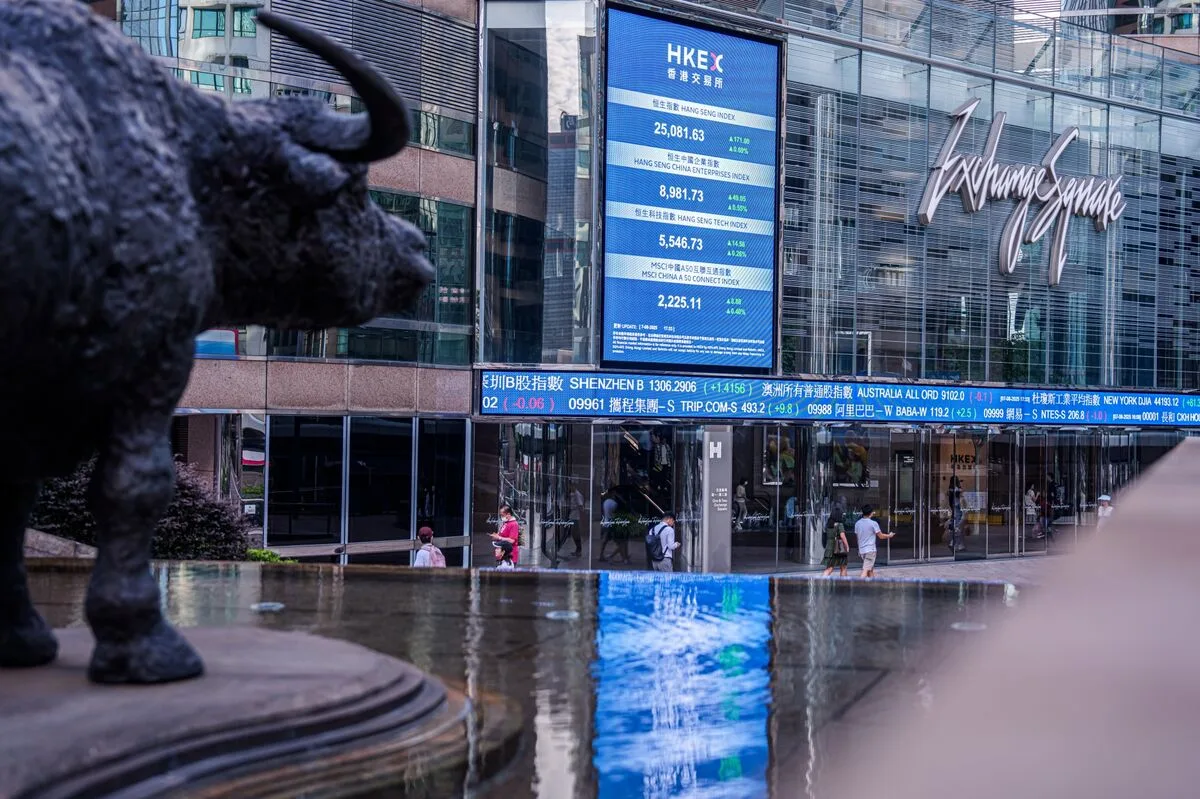
Crédito da imagem: Image via Bloomberg — Technology. Used under fair use for news commentary. · source
Think of it like a conveyor belt running slightly too fast. Everything looks fine until something slips, and then it all piles up at once. That's sort of where we are right now with inflation ticking back up, and if you run a warehouse or a manufacturing floor, you should be paying attention even if the financial news feels like it's talking about someone else's world.
Bloomberg reported this week that US inflation picked up again in June 2026, with analysts noting it's actively eroding purchasing power for workers. That's the headline number. But the downstream effects for industrial operations are where it gets interesting, and honestly a little uncomfortable.
Here's the thing about labour costs and automation budgets: they move in opposite directions when inflation rises, and not in the way most people assume. You'd think higher inflation would push more operators toward automation. Get the robots in, reduce headcount dependency, stabilise your cost base. I've heard that argument made a hundred times, including by people who should know better. The problem is that automation capital expenditure also gets more expensive when inflation runs hot. The components, the integration work, the ongoing maintenance contracts. When I was at Kuka, we watched customers delay entire line upgrades because the quoted price from six months earlier had already drifted by eight or ten percent by the time procurement signed off. That kind of slippage kills projects.
So you end up with operators caught between rising labour costs on one side and rising automation costs on the other. It's not a comfortable place to be.
Cobertura relacionada
More in Industrial
The Apple supplier priced its shares at the maximum and still had to turn away demand, which tells you something about where hardware money is flowing right now.
James Chen · 25 Jun · 5 min
Prime Day deals on Echos and Ring cameras are fine, but let's not confuse consumer gadgets with the serious robotics work happening in warehouses.
Robert "Bob" Macintosh · 25 Jun · 3 min
Amazon's CEO made his first India trip and left behind a $13 billion AI commitment and an aggressive quick-commerce expansion. The numbers are real. The execution is the hard part.
James Chen · 25 Jun · 6 min
A wave of arXiv preprints this week tackles one of manipulation's oldest problems: how do you get a robot to learn from imperfect, incomplete, or just plain missing data?