Crédito da imagem: Image via source article. Used under fair use for news commentary. · source
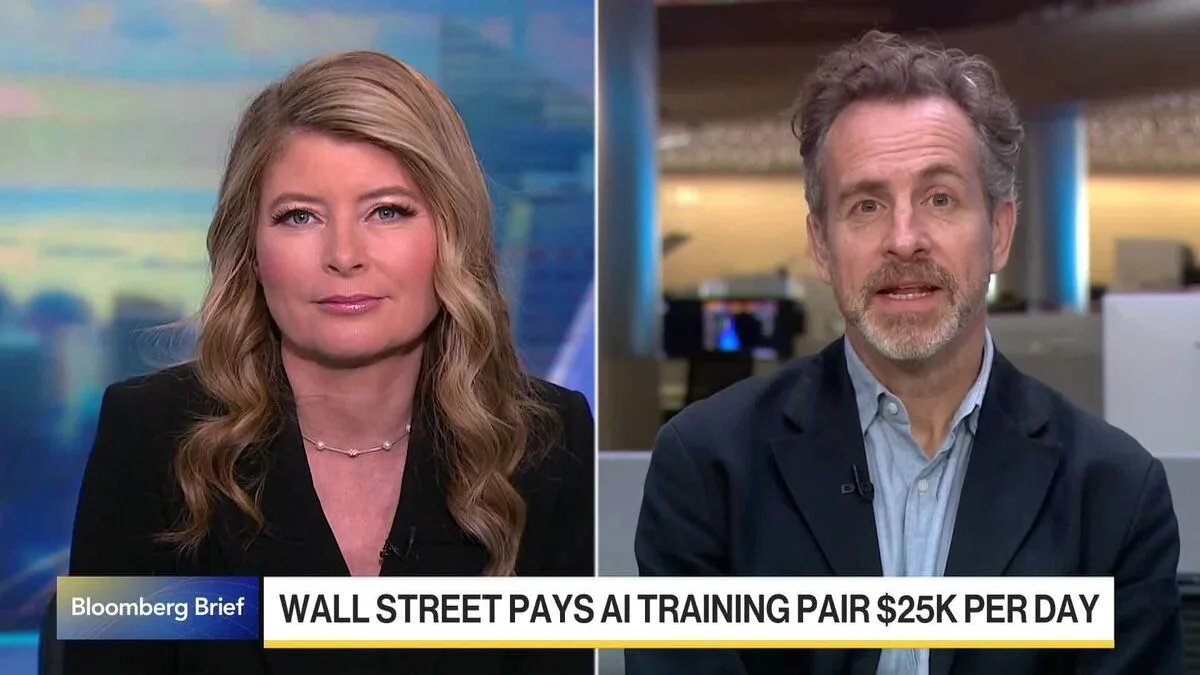
Most coverage of Wall Street's AI spending focuses on the technology itself. The models, the infrastructure, the headcount shifts. But I think we're missing something weirder and honestly more interesting: the banks are so lost that they're paying $25,000 a day just to have someone tell them what they're doing wrong.
That's not a typo. Two finance-focused AI trainers (I haven't been able to confirm their names) are reportedly commanding that rate to consult with major firms. And here's the thing, they're not teaching bankers how to write better prompts or use copilot tools. According to Bloomberg, they're telling banks "what's missing from their AI plans."
Let me be precise about what's happening here. These aren't your standard corporate trainers running workshops on how to summarize documents faster. They're strategic consultants who happen to specialize in AI implementation. The $25,000 buys you a day of someone auditing your automation strategy and pointing out the gaps.
I initially thought this was just another example of Wall Street overpaying for things. But after reading more about it, I'm less sure. The firms hiring these trainers are simultaneously doing two things: expanding AI specialist roles and shrinking traditional banking positions. That's a massive organizational shift happening in real time, with no playbook.
You might be wondering why banks with billions in resources can't figure this out internally. Honestly, I think it's because the people who understand AI don't understand banking workflows, and the people who understand banking workflows don't understand AI. These trainers apparently sit in the overlap.
Cobertura relacionada
More in AI Models
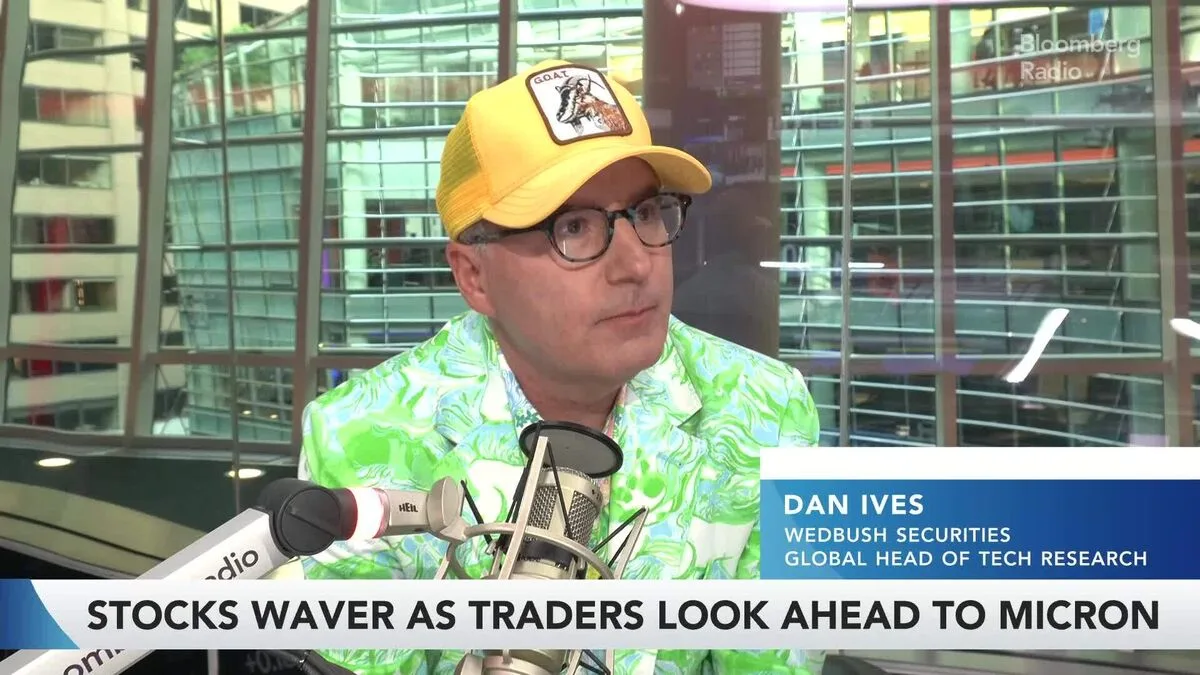
Chipmakers swung wildly this week, from a Tuesday 'chip-wreck' to a Micron-led surge after hours. What's actually going on with AI's hardware backbone?
Sarah Williams · 26 Jun · 5 min
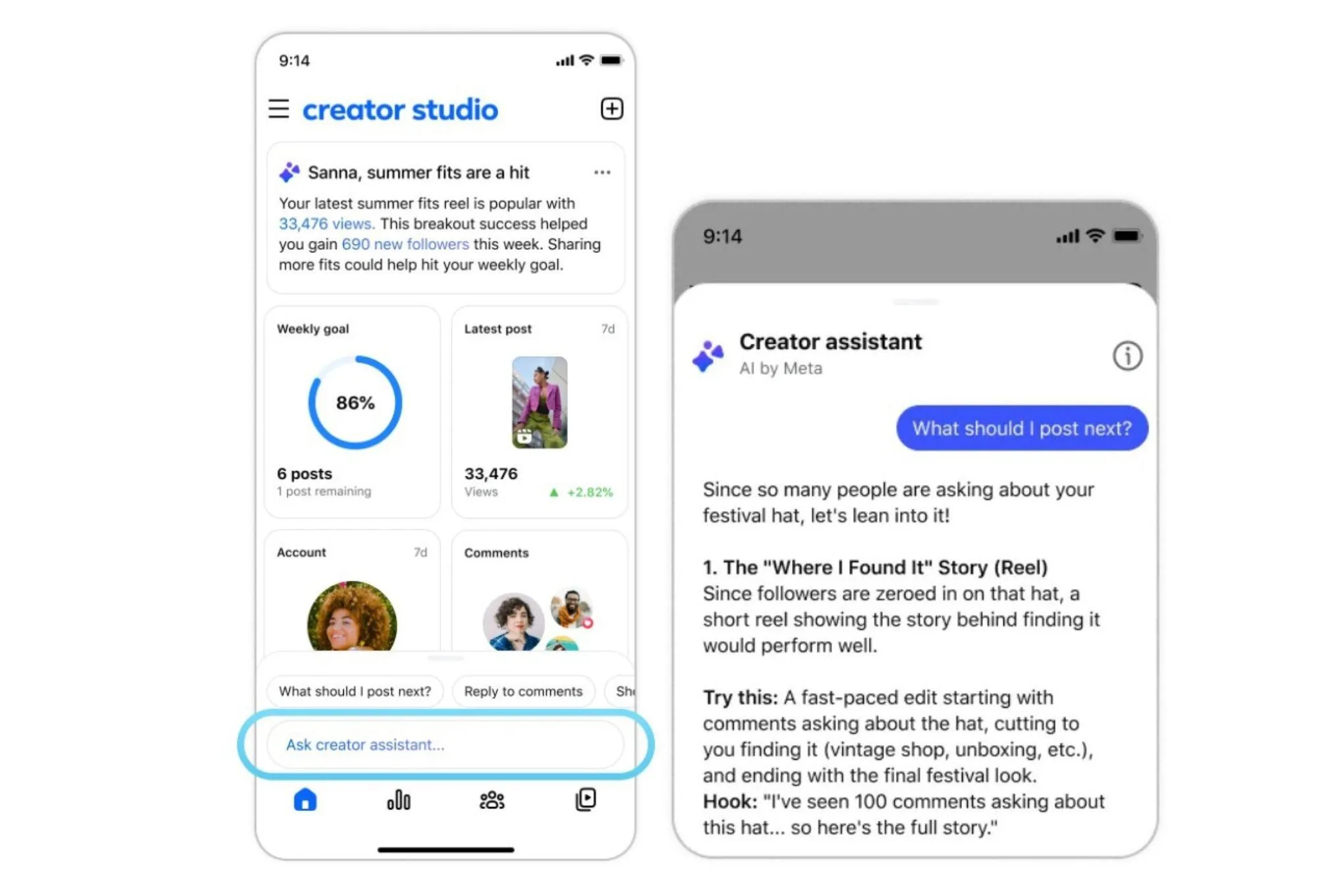
The original Creator Studio was shut down in 2023. Now it's back, rebuilt around an AI assistant that promises to grow your audience and reply to comments in your voice.
Sarah Williams · 26 Jun · 5 min
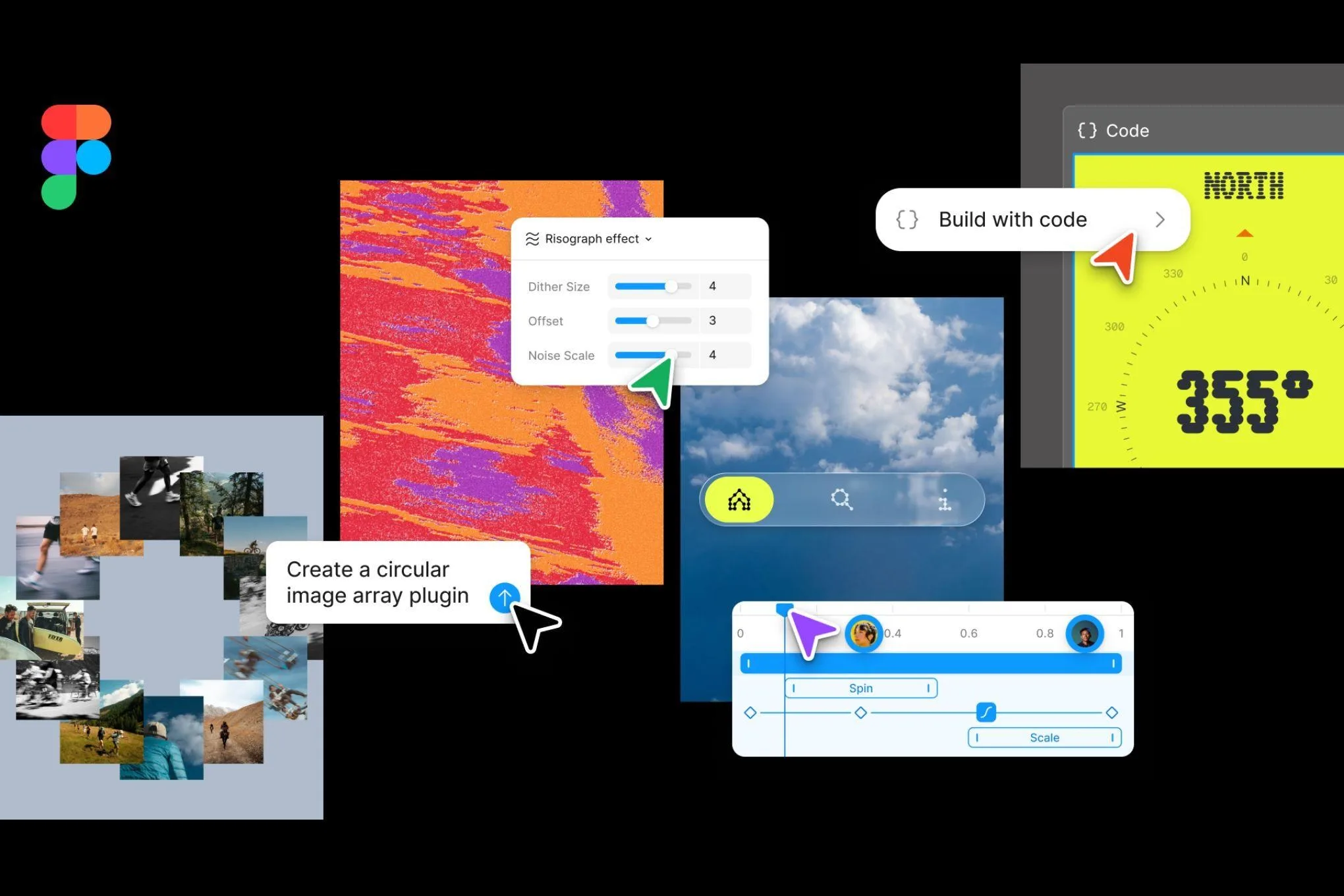
At its annual Config conference, Figma announced coding layers, AI-generated motion graphics, and a reimagined canvas that blurs the line between design and full-stack development.
Sarah Williams · 26 Jun · 5 min
Everyone talks about chips and models. The memory bottleneck is the part of the AI buildout that keeps getting underestimated, and Micron's latest earnings make that case hard to ignore.
Here's what I find genuinely interesting. Wall Street has access to the best technology, the smartest quants, and basically unlimited capital. And yet they're paying outside consultants to tell them basic things about their own operations.
This suggests a few possibilities:
The AI transformation is harder than the marketing suggests
Internal politics make it impossible to get honest assessments from employees
Nobody actually knows what they're doing, and admitting that internally is career suicide
I lean toward some combination of all three, tbh.
The Bloomberg report mentions "AI angst" on Wall Street, which is a phrase that stuck with me. These are firms that pride themselves on being ahead of every trend, on having information advantages, on moving faster than everyone else. And they're anxious. That's worth noting.
Let's do some rough math. $25,000 a day is about $6 million a year if you worked every business day (which these trainers almost certainly don't). That's elite lawyer money. Top surgeon money. It's also, notably, less than what a mediocre managing director makes at a bulge bracket bank.
So from the bank's perspective, this is cheap. If one day of consulting helps them avoid a bad AI investment or speeds up a profitable automation by even a few weeks, it pays for itself many times over.
From the trainer's perspective, you're basically selling scarcity. There are maybe a handful of people in the world who understand both modern AI capabilities and the specific workflows of investment banking well enough to give useful advice. Supply and demand.
What I don't know, and the reporting doesn't clarify, is how many days these trainers actually work. Are we talking about two people making $2 million a year each? $10 million? It remains unclear.
A question I can't answer: Are these trainers actually good, or are they just good at selling themselves to anxious executives? I genuinely don't know. The track record of expensive consultants is, shall we say, mixed.
I think we're going to see more of this. Not just on Wall Street, but across industries where AI implementation is complex and the stakes are high. Healthcare, law, manufacturing. Anywhere that has specialized workflows and can afford premium rates.
The interesting question is whether this creates a new professional category or whether it's a temporary phenomenon. My guess (and it's just a guess) is that it's temporary. Eventually, enough people will develop this hybrid expertise that the scarcity premium disappears. But that could take five years or more.
In the meantime, if you're someone who deeply understands both AI systems and a specific industry's operations, you might want to think about your pricing.
The broader lesson here, I think, is that the AI transformation isn't just about technology. It's about organizational change, workflow redesign, and honestly, a lot of hand-holding for executives who are used to understanding everything and suddenly don't. That's uncomfortable for them. And apparently, it's worth $25,000 a day to have someone help them through it.
I should note that this is based on limited reporting. Bloomberg's coverage was brief, and I couldn't find other sources confirming the specific rate or identifying the trainers. So take the exact numbers with appropriate skepticism. But the broader trend, of companies paying premium rates for AI strategy advice rather than AI tool training, that feels real to me.
Whether it's worth it is a different question. And one that, honestly, I'm not sure anyone can answer yet.