Meta Revives Facebook Creator Studio as an AI Companion App for Creators
The original Creator Studio was shut down in 2023. Now it's back, rebuilt around an AI assistant that promises to grow your audience and reply to comments in your voice.
Crédito da imagem: Image via The Verge — AI. Used under fair use for news commentary. · source
Is Meta actually solving a problem creators have, or is this another feature that sounds useful in a press release and gets ignored six months later?
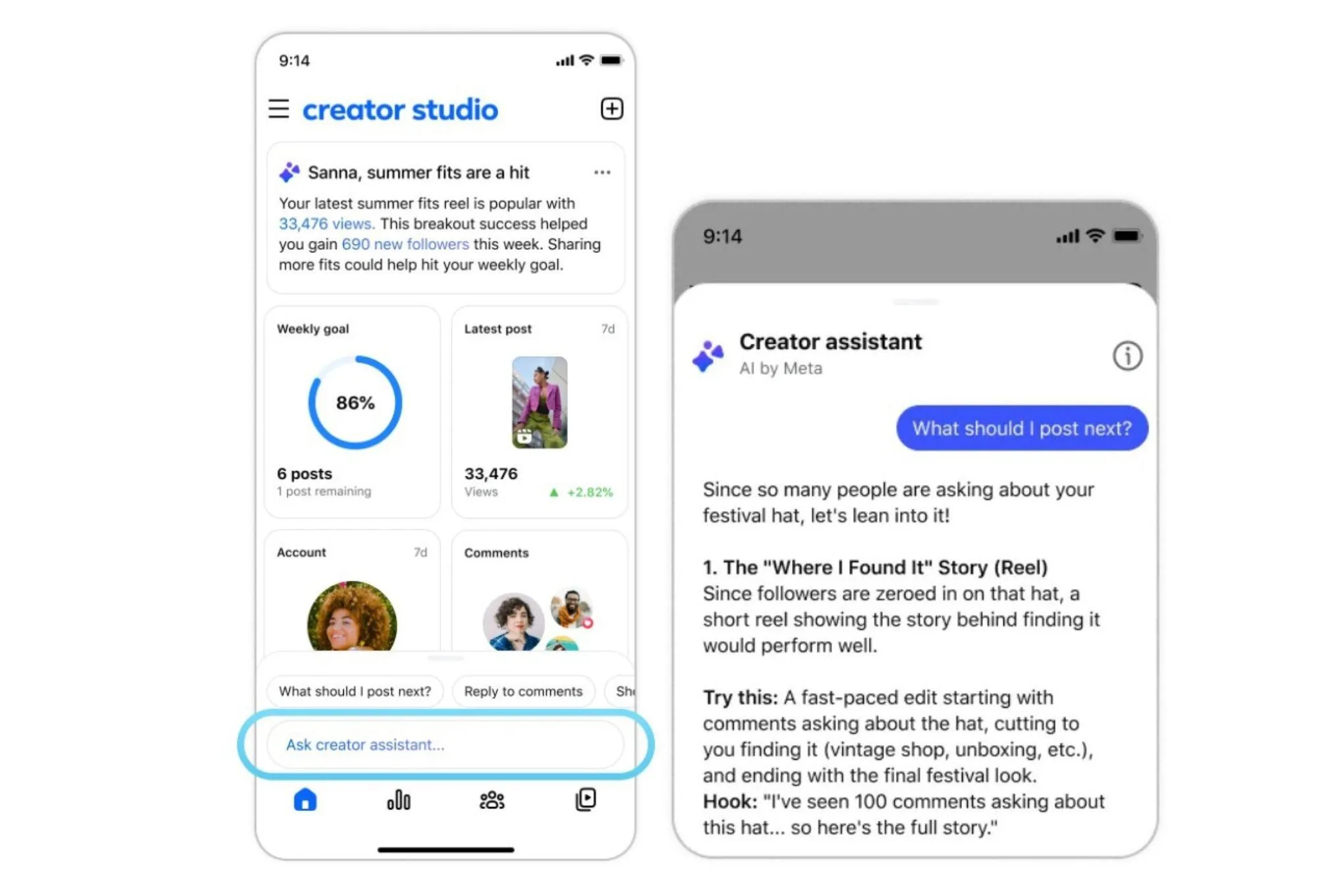
That's the question I keep coming back to after reading about the relaunched Facebook Creator Studio. Meta quietly brought back the app this week, now rebranded and rebuilt around an AI assistant. If you used the original Creator Studio before it was shut down in 2023, this is technically its successor. But honestly, it barely resembles what it used to be.
The Verge describes it as Facebook's Creator Studio "reimagined" as "a standalone AI companion app. The new app aims to make it easier for creators to connect with their audiences and show them" exactly how to grow on Facebook, according to Meta's own announcement. That framing is doing a lot of work. "Exactly how to grow" is a bold promise. I'd want to see what that looks like in practice before I bought into it.
The core of the app is Meta's AI Creator Assistant, a chatbot you can ask for performance tracking insights and tailored recommendations. It can surface what Meta calls "the most important comments" from your audience, and it can "instantly draft replies in your voice."
That last feature is the one I find most interesting, and also the one I'm most skeptical about.
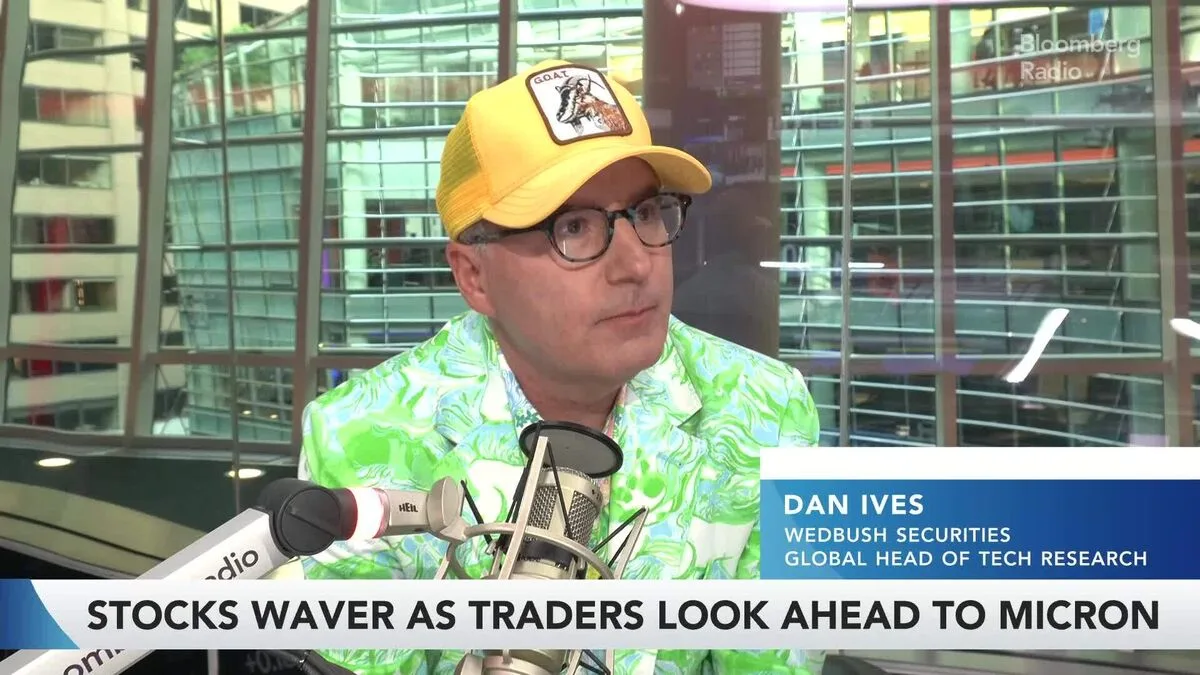
Chipmakers swung wildly this week, from a Tuesday 'chip-wreck' to a Micron-led surge after hours. What's actually going on with AI's hardware backbone?
Sarah Williams · 26 Jun · 5 min
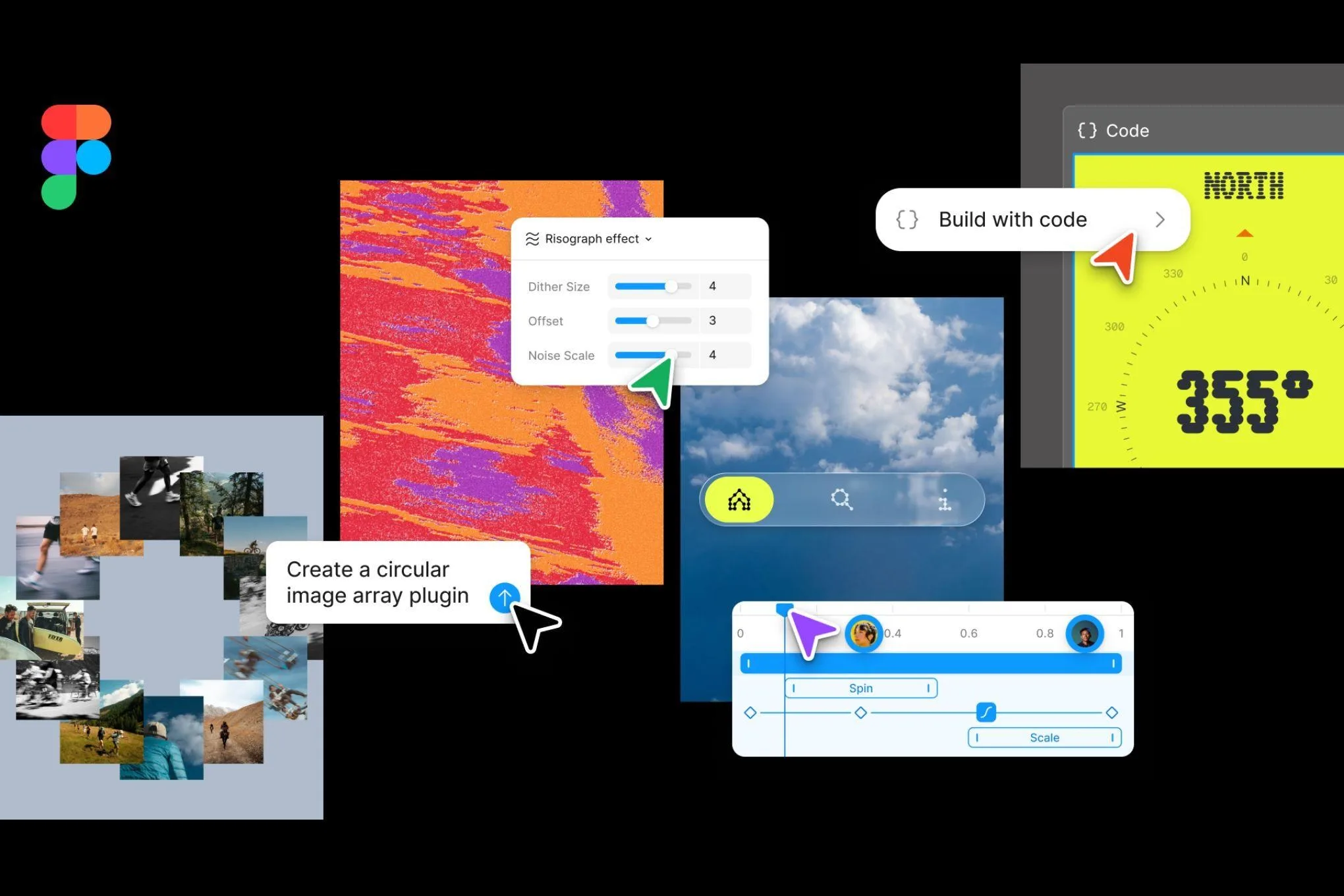
At its annual Config conference, Figma announced coding layers, AI-generated motion graphics, and a reimagined canvas that blurs the line between design and full-stack development.
Sarah Williams · 26 Jun · 5 min
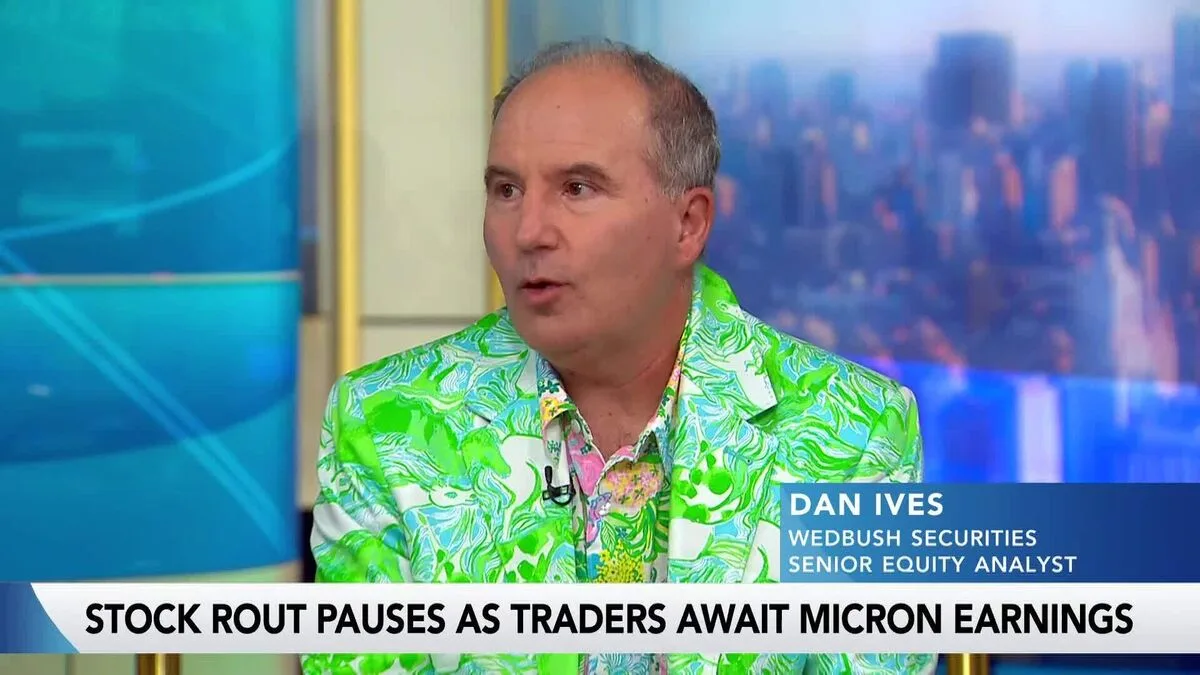
Everyone talks about chips and models. The memory bottleneck is the part of the AI buildout that keeps getting underestimated, and Micron's latest earnings make that case hard to ignore.
Aisha Patel · 25 Jun · 8 min
You might be wondering the same thing I did when I first read that. What does "in your voice" mean, practically? Is it trained on your past posts? Your comment history? The app's description doesn't really say, and Meta hasn't been forthcoming with technical details on how the voice modeling works.
It's too early to say whether this is genuinely useful or just a dressed-up autocomplete. AI-generated replies that sound off-brand, or worse, say something the creator didn't intend, could do real damage to someone's audience relationship. That's not a small risk.
I initially thought this was mostly a comment management tool with some AI sprinkled on top. But after reading more closely, it seems like Meta is positioning this as a full creator workflow companion, covering performance analytics, content strategy, and audience engagement in one place. Whether the execution matches that ambition is a different question entirely.
TechCrunch notes that the app is currently being tested with select creators, not rolled out broadly. So most people reading about this right now can't actually try it yet. That matters, because a lot of what we know comes from Meta's own announcement language, which is, tbh, not the most reliable source for understanding what a product actually does day to day.
This is worth pausing on. Meta shut down the original Creator Studio in 2023, folding its features into Meta Business Suite. That consolidation was meant to simplify things, but a lot of creators found Meta Business Suite clunky and harder to navigate for Facebook-specific needs. There was genuine frustration.
So bringing Creator Studio back, in some form, probably reflects real feedback. The question is whether rebuilding it around an AI assistant is what creators actually asked for, or whether Meta saw an opportunity to attach its AI push to a product gap and called it a solution.
I should probably know this better, but I haven't found clear reporting on what specifically drove the decision to revive it as an AI-first product rather than just restoring a cleaner version of the original. If anyone has better context on that, I'd genuinely like to know.
This is where I land after thinking through all of it. The creators who will benefit most from this app are probably mid-tier Facebook creators, people with enough of an audience that comment volume is genuinely hard to manage, but who don't have a team or a social media manager handling it for them. For that group, a tool that surfaces important comments and helps draft responses could be legitimately useful.
For smaller creators just starting out, the growth recommendations might be valuable if they're actually tailored and not just generic "post consistently" advice. For larger creators with existing workflows and teams, it's hard to see why they'd restructure around a new Meta app.
There's also a broader tension here that this raises questions about, well, multiple things. When AI drafts your replies to fans, at what point does the audience relationship stop being yours? That's not a knock on the technology specifically, it's a question the whole industry is working through. Creators sell authenticity. Automating the parts of your presence that feel most personal is a real trade-off, not just a convenience.
We don't know the rollout timeline beyond "currently being tested with select creators." We don't know how the voice modeling actually works or what data it draws on. We don't know whether the performance insights are meaningfully different from what's already available in Meta's existing analytics tools. And this is based on limited information since almost everything public right now comes from Meta's announcement and early coverage, without hands-on testing from journalists or creators who've actually used it.
I think Meta is genuinely trying to rebuild its relationship with creators on Facebook, a platform that has lost ground to TikTok and Instagram for creator-first content. Whether an AI companion app is the right move, or the right framing for the move, remains unclear. But it's worth watching, especially as the broader rollout happens and we start hearing from actual users about what it does and doesn't do well.
The Korean memory giant wants to list on a US exchange and pull in $29.4 billion to feed AI chip demand. It's a massive bet, and the timing raises some questions.