Super Micro Is Raising $7 Billion in Equity to Buy AI Server Parts. That's a Lot of Trust.
Super Micro Computer's plan to raise $7 billion through equity offerings to stock up on AI server components says something interesting about where the industry thinks this is all heading.
Crédito da imagem: Image via Bloomberg — Technology. Used under fair use for news commentary. · source
Super Micro is betting big on AI demand. Like, really big.
The company announced plans to raise $7 billion through a package of equity offerings, specifically to purchase the components it needs to fulfill customer orders for its AI servers. That's not debt financing. That's not a government grant. That's diluting existing shareholders to buy parts, which tells you something about the urgency here.
I initially thought this was just another AI infrastructure funding story, the kind we've seen a dozen times in the past 18 months. But the more I sat with it, the more it felt like a signal worth unpacking.
Super Micro Computer, for those less familiar with the server supply chain, is one of the major players building the physical hardware that AI data centers run on. They're not Nvidia (they buy Nvidia chips). They're not a hyperscaler. They sit in the middle: assembling high-performance AI servers and selling them to enterprises and cloud providers who need to scale compute fast.
The $7 billion raise, reported by Bloomberg, is structured as a package of equity offerings. The stated purpose is procurement, buying the components needed to actually build the servers customers have already ordered, or are expected to order.
That last part matters. This isn't speculative inventory. This is Super Micro saying: demand is real, it's in front of us, and we need capital to meet it.
Cobertura relacionada
More in AI Models
Chipmakers swung wildly this week, from a Tuesday 'chip-wreck' to a Micron-led surge after hours. What's actually going on with AI's hardware backbone?
Sarah Williams · 26 Jun · 5 min
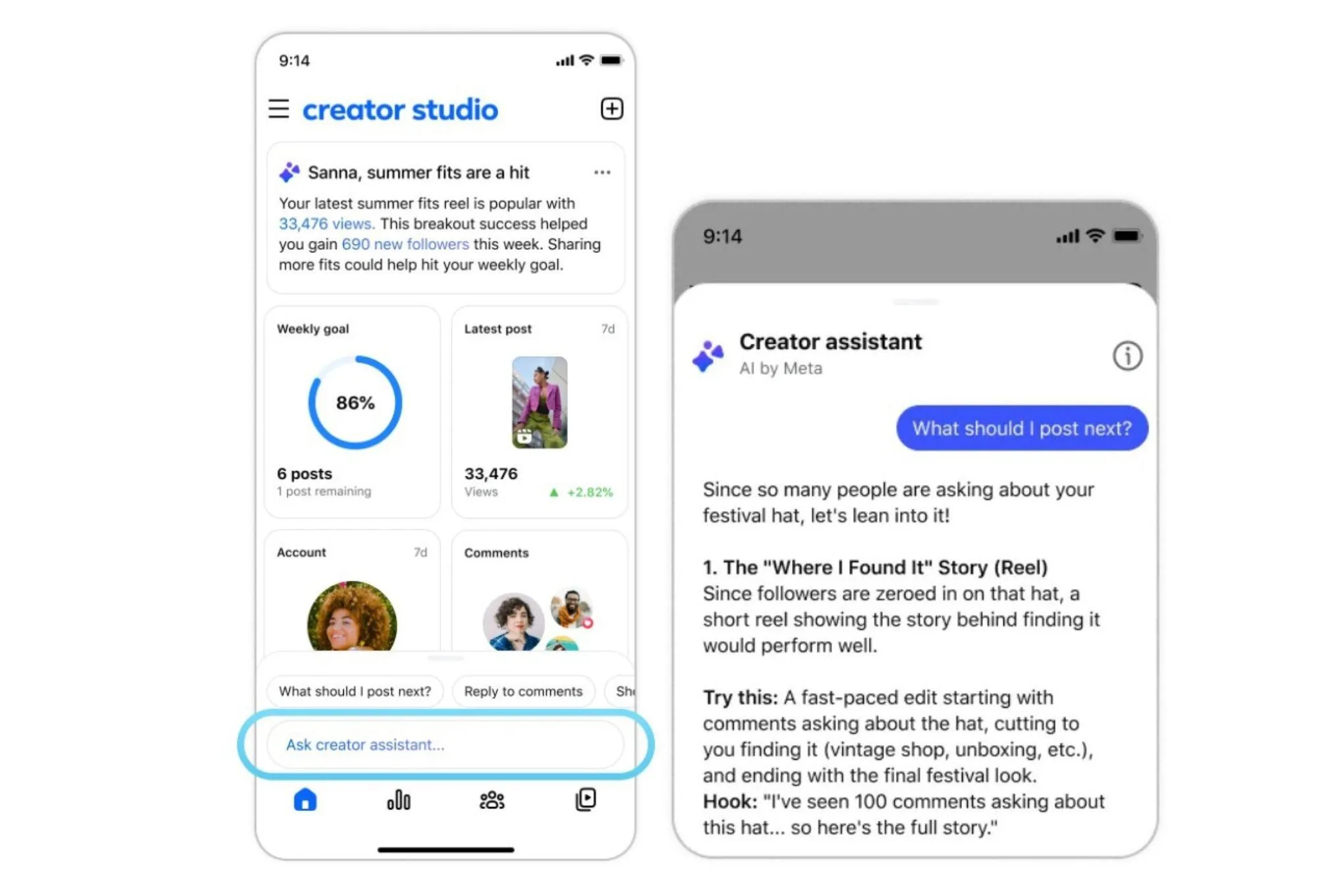
The original Creator Studio was shut down in 2023. Now it's back, rebuilt around an AI assistant that promises to grow your audience and reply to comments in your voice.
Sarah Williams · 26 Jun · 5 min
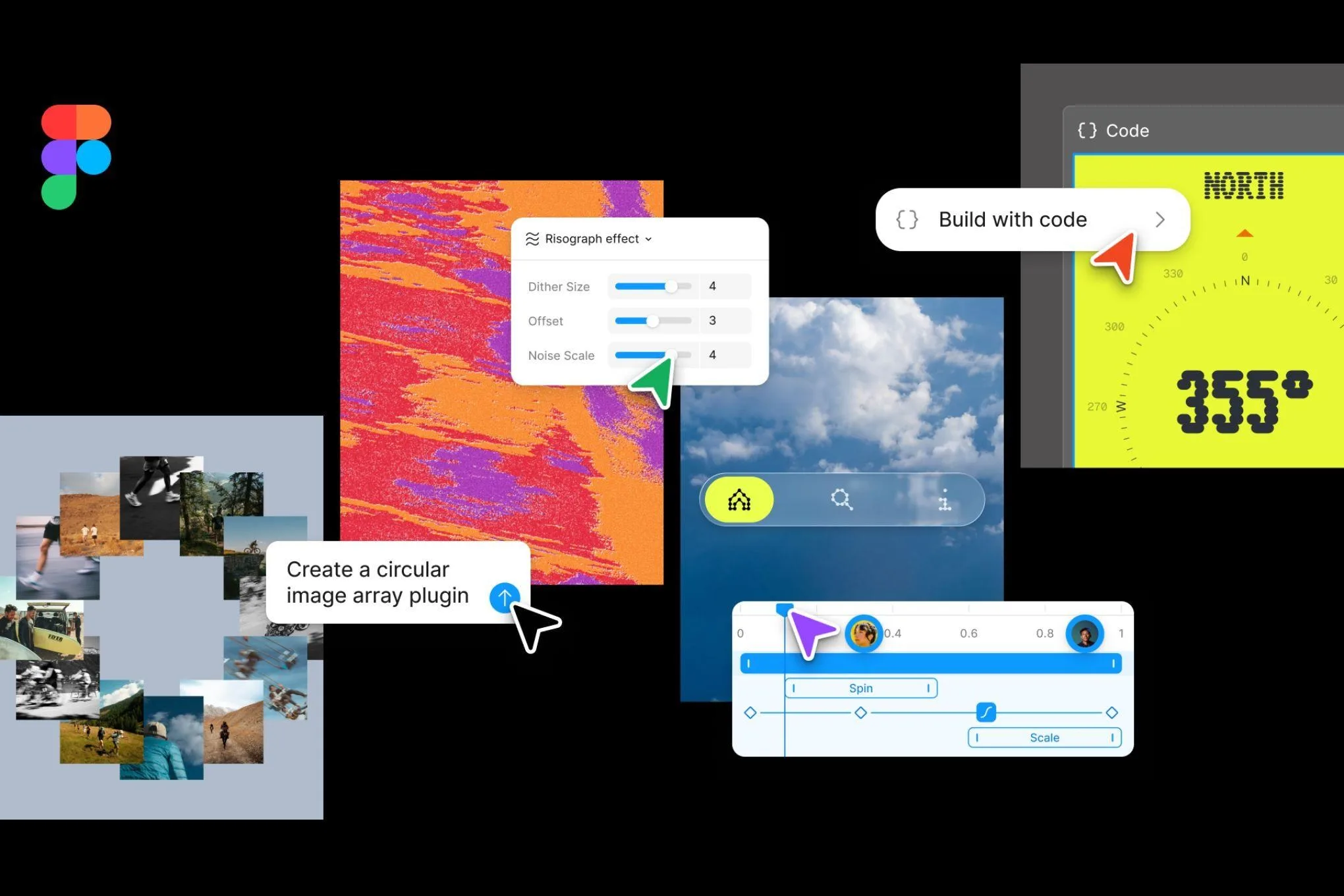
At its annual Config conference, Figma announced coding layers, AI-generated motion graphics, and a reimagined canvas that blurs the line between design and full-stack development.
Sarah Williams · 26 Jun · 5 min
Everyone talks about chips and models. The memory bottleneck is the part of the AI buildout that keeps getting underestimated, and Micron's latest earnings make that case hard to ignore.
Honestly, I'm not entirely sure the equity-versus-debt question has been fully explained in what's been reported so far. Bloomberg's Anthony Hughes discussed the deal on "Bloomberg Deals," but the specifics of why equity was chosen over, say, a credit facility or convertible notes haven't been laid out publicly, at least not in what I've been able to find.
What we do know is that equity raises of this size are expensive in terms of dilution. You don't do it casually. Companies typically reach for equity when they want a clean balance sheet, when debt markets aren't favorable, or when the growth trajectory justifies absorbing the dilution cost.
Given Super Micro's recent history, including accounting scrutiny and an auditor departure in 2024 that rattled investors, the choice of equity might also reflect a desire to signal financial transparency. That's speculative on my part, tbh, but it's worth keeping in mind.
First, the component supply chain is still the bottleneck. We talk a lot about Nvidia GPU shortages, but the constraint isn't always the chip itself. It's the full server build: power components, cooling systems, networking hardware, memory. Raising $7 billion to buy parts suggests Super Micro's order book is outrunning its procurement capacity.
Second, customers are placing large, real orders. You don't raise this kind of capital for hypothetical demand. Someone, or more likely many someones, has committed to buying a significant volume of AI servers. The question of who exactly those customers are remains unclear from current reporting.
Third, and this is the part that interests me most given what I cover, the infrastructure layer for embodied AI and robotics is deeply tied to this kind of data center buildout. The humanoid robots and autonomous systems being developed right now are computationally hungry. The training runs, the simulation environments, the inference at scale, all of it flows through hardware that companies like Super Micro supply.
So when Super Micro raises $7 billion to meet AI server demand, it's not a story that lives only in the enterprise IT world. It's infrastructure for the next wave of physical AI systems too.
You might be wondering whether a $7 billion equity raise is a sign of strength or strain.
Honestly, it can be both.
The optimistic read: demand is real, Super Micro is positioned to capture it, and this capital gives them the runway to execute. The AI infrastructure buildout is nowhere near complete, and companies willing to scale aggressively now could lock in long-term customer relationships.
The more cautious read: equity raises dilute shareholders, and $7 billion is a lot of dilution. If AI server demand softens, or if a major customer delays orders, Super Micro could find itself holding a lot of expensive inventory with a larger share count and a lower stock price. It's also worth noting that this is based on limited public disclosure so far. We don't yet know the full terms of the equity package, the pricing, or the timeline.
Some analysts will argue this is exactly the kind of bold capital allocation that separates winners in infrastructure cycles. Others will counter that it's a sign Super Micro is stretching itself to keep up with better-capitalized competitors. Both positions have merit.
A few things will tell us whether this was the right call.
One is customer concentration. If a significant portion of Super Micro's order book is tied to one or two hyperscalers, that's a different risk profile than broad enterprise demand spread across hundreds of customers. We don't have visibility into that yet.
Another is timeline. Equity raised to buy components only works if those components can be sourced, assembled, and shipped before market conditions shift. Supply chain execution at this scale is genuinely hard, and Super Micro has had operational stumbles before.
And then there's the broader question of whether the AI infrastructure spending cycle has legs. The conventional wisdom right now is that it does, that we're in an early phase of a multi-year buildout. I think that's probably right, but it's too early to say with confidence whether the current pace of spending is sustainable or whether we're in for a correction.
For now, $7 billion in equity to buy AI server parts is a striking statement of intent. Whether it looks like genius or overreach in 18 months is a question worth revisiting.