Crédito da imagem: Image via TechCrunch — AI. Used under fair use for news commentary. · source
Is anyone actually asking for more AI-generated covers of popular songs?
I've been thinking about this since Spotify and Universal Music Group announced their new licensing deal this week, which will let Premium subscribers generate AI covers and remixes of songs from UMG's catalog. The companies are framing this as a tool for "superfans," but I'm skeptical that superfandom is really what's driving this product.
To be precise, what Spotify and UMG have built isn't a technical breakthrough. It's a licensing framework. And that distinction matters more than the press releases suggest.
The details are frustratingly sparse. According to The Verge, the tool will be a paid add-on for Premium subscribers, artists can opt out, and participating artists will collect royalties on AI-generated remixes. TechCrunch confirms the revenue-sharing component.
What we don't know: how the AI actually works, what models are being used, how much the add-on will cost, what quality controls exist, or how royalty splits are calculated. The announcement describes the tool as "powered by generative AI technology," which tells us approximately nothing. That's the kind of phrase you use when you don't want to explain the technical details, or when the technical details aren't particularly impressive.
Cobertura relacionada
More in AI Models
Chipmakers swung wildly this week, from a Tuesday 'chip-wreck' to a Micron-led surge after hours. What's actually going on with AI's hardware backbone?
Sarah Williams · 26 Jun · 5 min
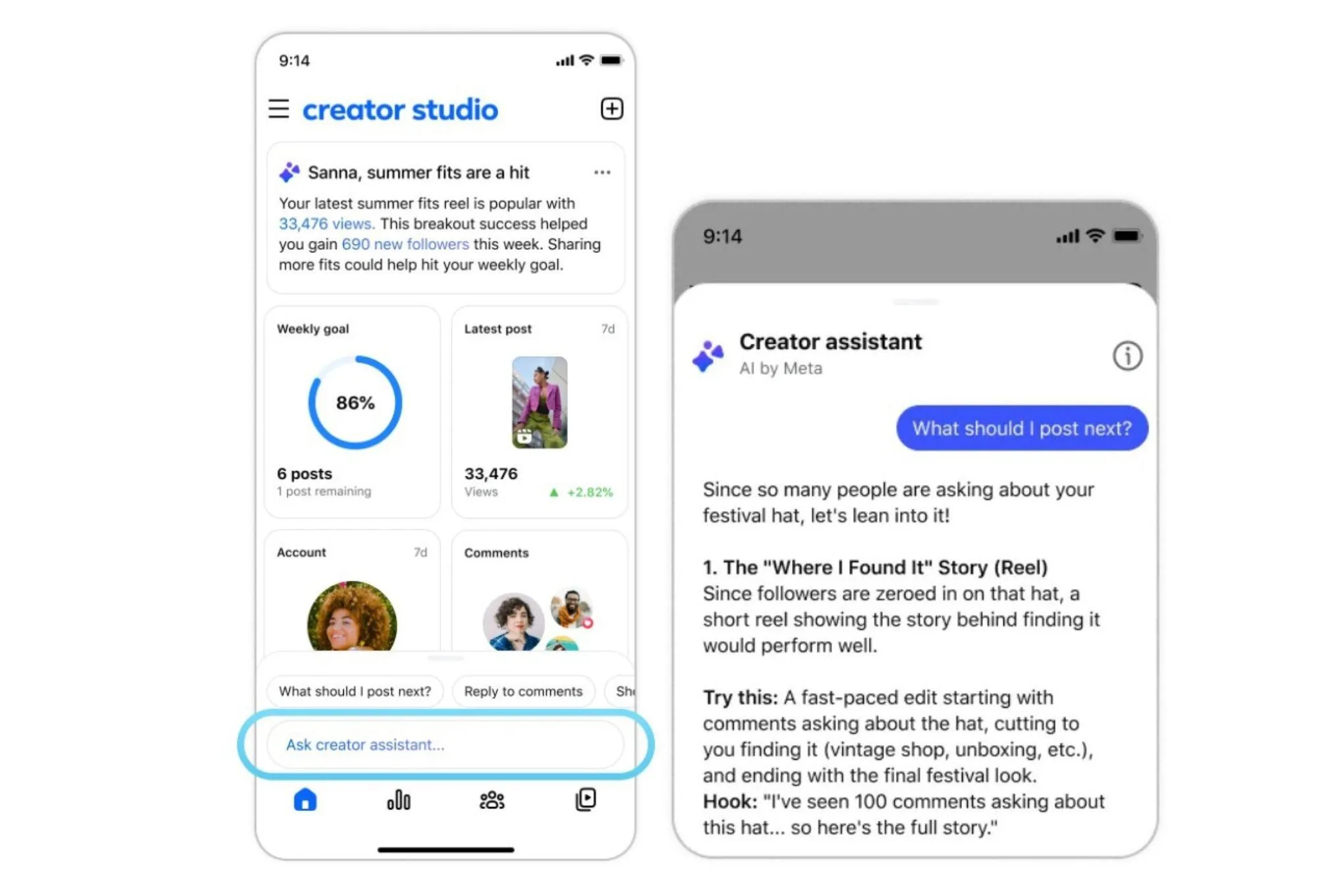
The original Creator Studio was shut down in 2023. Now it's back, rebuilt around an AI assistant that promises to grow your audience and reply to comments in your voice.
Sarah Williams · 26 Jun · 5 min
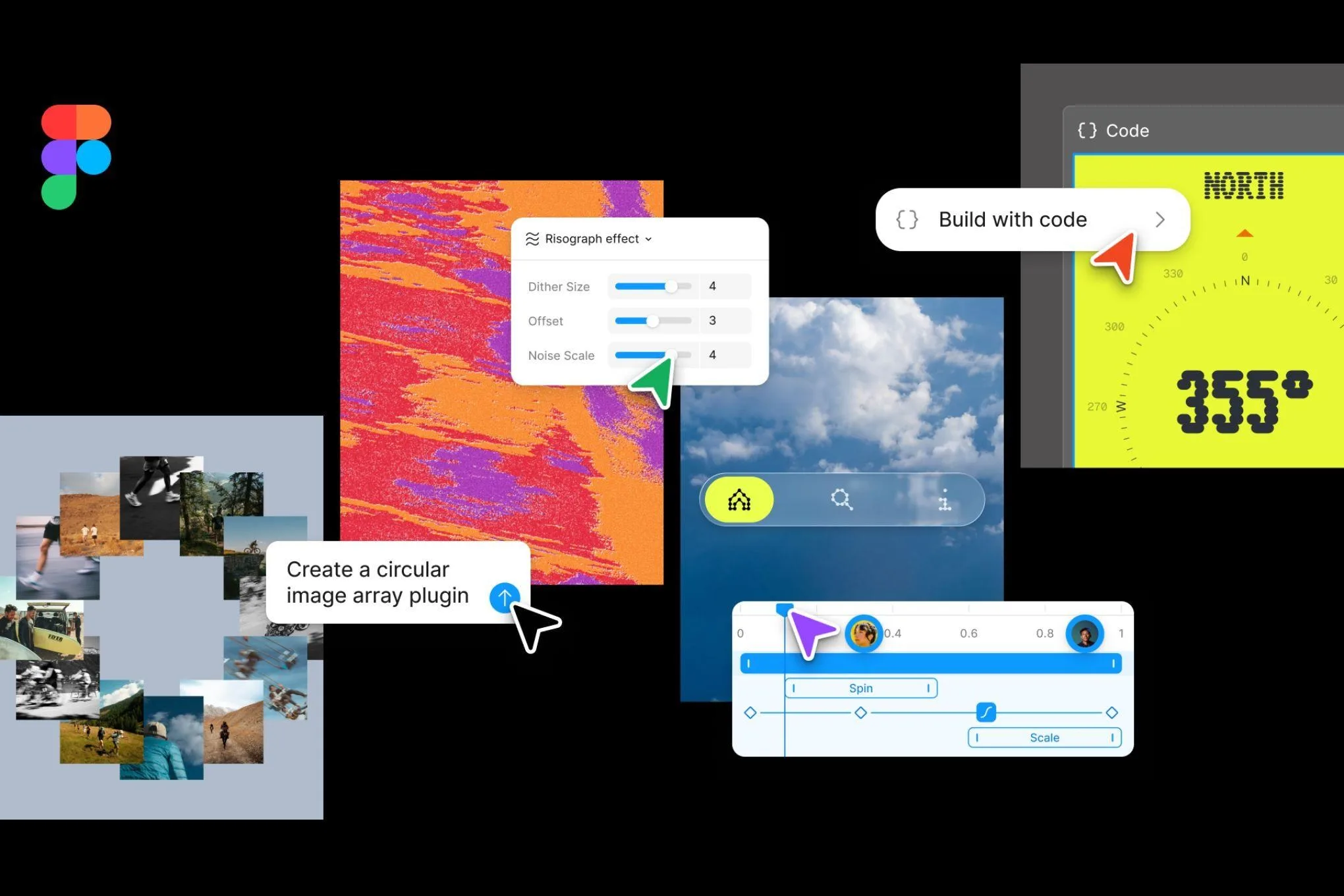
At its annual Config conference, Figma announced coding layers, AI-generated motion graphics, and a reimagined canvas that blurs the line between design and full-stack development.
Sarah Williams · 26 Jun · 5 min
Everyone talks about chips and models. The memory bottleneck is the part of the AI buildout that keeps getting underestimated, and Micron's latest earnings make that case hard to ignore.
I know I'm being picky here, but the vagueness is telling. If Spotify had developed something genuinely novel in music generation, they'd be shouting about it. The silence suggests they're using off-the-shelf or lightly modified generative models, which are, at this point, commodity technology.
Here's what I think is actually happening. The music industry has spent the last two years in a panic about AI-generated content. Artists are furious about their voices and styles being cloned without permission. Labels are suing AI companies. The entire ecosystem is, to put it mildly, tense.
Spotify and UMG have found a way to monetize the inevitable. Rather than fighting the flood of AI covers (which are already everywhere, as anyone who's encountered a reggae version of "Smells Like Teen Spirit" can attest), they're building a walled garden where AI generation happens with permission and payment.
This is incremental over the "responsible AI products" framework that Spotify announced in October of last year, when they said they were working with UMG, Sony Music Group, Warner Music Group, Merlin, and Believe. That announcement was vague. This is the first concrete product to emerge from it.
The innovation isn't the AI. The innovation is getting a major label to agree to a royalty structure for AI-generated derivative works. That's genuinely new, at least at this scale. It creates a precedent that other labels will likely follow, and it gives Spotify a competitive moat: they have licensing deals that competitors don't.
Spotify is positioning this as a tool for dedicated fans who want to engage more deeply with music they love. The Verge's Emilia David put it well: she's not convinced. Neither am I.
Actual superfans tend to be protective of the music they love. They don't want flat, AI-generated approximations. They want the real thing, or they want human-made remixes and covers that bring genuine creative interpretation. The people who will use this tool enthusiastically are probably not superfans. They're casual users who think it would be funny to hear Beyoncé's "Break My Soul" as a country song, or people who want to generate content for social media.
There's nothing wrong with that use case. But let's be honest about what it is. This is a novelty feature dressed up in the language of fan engagement.
It's worth noting that the quality ceiling for AI-generated music remains, well, limited. Current models can produce technically competent output, but they struggle with the subtle timing, dynamics, and emotional nuance that make music actually good. A reggae cover of Nirvana generated by AI will sound like a reggae cover of Nirvana generated by AI. Flat. Lifeless. A curiosity rather than something you'd actually want to listen to twice.
Artists can opt out of this program, which is good. But opt-out systems have a long history of being inadequate protections. They put the burden on artists to actively manage their participation, which means artists with less industry power (newer artists, those without strong management) are more likely to remain in the system by default.
It remains unclear how the opt-out process works, how easy it is to reverse, or whether artists will have granular control (can you allow covers but not remixes? allow certain genres but not others?). These details matter enormously for artist autonomy, and we don't have them yet.
If I were evaluating this as a research development rather than a business announcement, I'd want to know several things.
First, what's the actual model architecture? Is this a fine-tuned version of an existing music generation model? Something built in-house? A partnership with a third-party AI company? The technical choices have implications for output quality, bias, and how much the system can actually capture stylistic nuance.
Second, how are royalties calculated? If I generate a remix that combines elements from three different songs, how does attribution work? What percentage goes to the original artist versus Spotify versus UMG? The economics here are genuinely complex, and the fairness of the system depends entirely on implementation details that haven't been disclosed.
Third, what quality controls exist? Can users generate anything, or are there filters for offensive content, deepfakes of artist voices, or outputs that might damage an artist's brand? The potential for misuse is significant.
Fourth, and this is maybe the most important question, will this actually reduce the flood of unauthorized AI covers, or will it just add a licensed layer on top of an unchanged unauthorized layer? If the tool is expensive or limited, people will keep using free, unauthorized alternatives. The licensing framework only works if it's more convenient than the alternatives.
I've been watching the intersection of AI and music for a while now, and this announcement fits a pattern. The technology itself is advancing incrementally (music generation models are getting better, but not dramatically so). The real action is in the business and legal frameworks being built around that technology.
Spotify and UMG are essentially trying to define what "legitimate" AI music generation looks like. They're setting a precedent that AI-generated derivative works should flow through licensed channels with revenue sharing. That's a reasonable position, and it's better than the alternative of endless litigation and platform whack-a-mole.
But I'm not convinced this is good for music as an art form. Making it trivially easy to generate mediocre covers and remixes doesn't enhance musical culture. It adds noise. It makes it harder to find the genuinely creative human-made covers and remixes that have always been part of music's ecosystem.
Maybe I'm being a curmudgeon. Maybe there's a superfan out there who will use this tool to create something genuinely interesting, something that surprises even them. But based on what we know so far, this feels like a business solution to a business problem, dressed up as a creative tool.
The technology is not the story here. The deal is the story. And deals, unlike good music, don't tend to age particularly well.