Crédito da imagem: Image via source article. Used under fair use for news commentary. · source
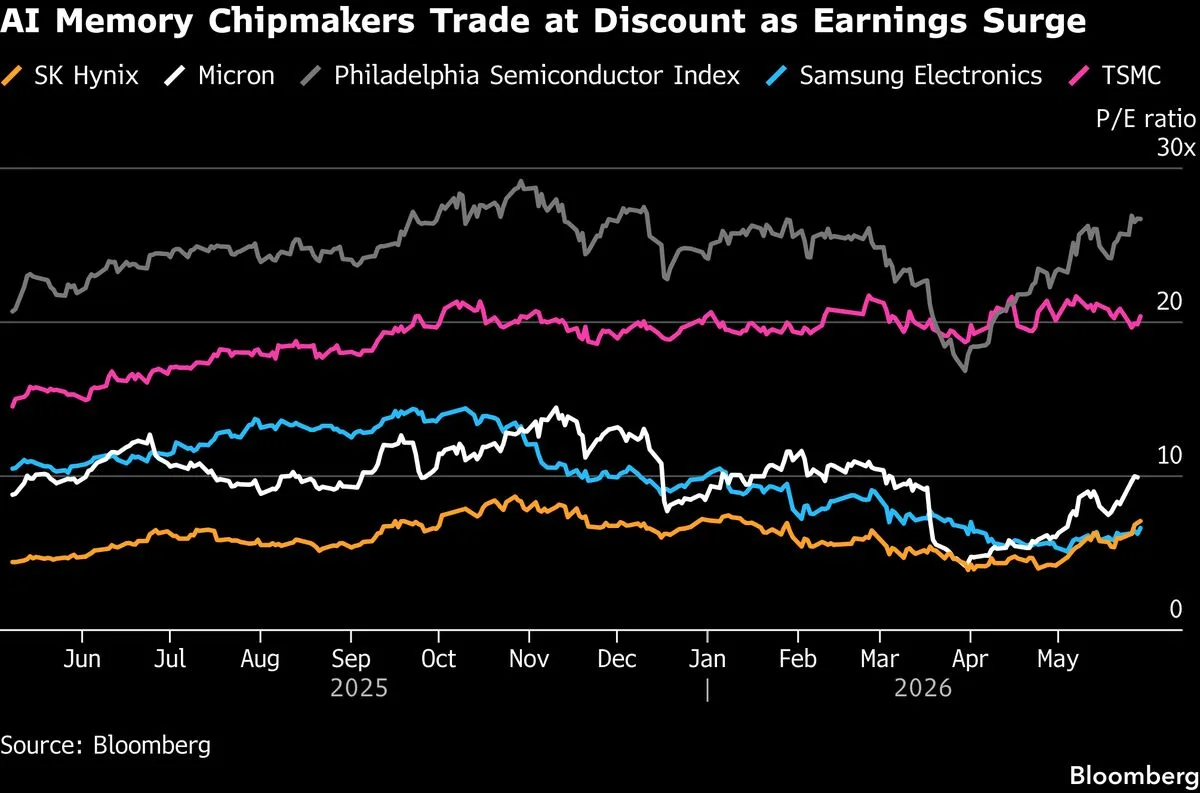
Most of the coverage I've seen on SK Hynix this week focuses on the stock price. And sure, a 1,000% rally in a year is wild. But I think the more interesting story is what happens next, and whether the company's aggressive expansion plans actually solve the problem they're meant to solve.
SK Hynix just announced plans to double its memory chip wafer capacity over the next five years. This is a massive bet. We're talking about one of the world's largest memory chipmakers essentially saying: the AI boom isn't slowing down, and we're going all in.
Meanwhile, Bloomberg reports that a top-performing tech fund is planning to buy SK Hynix shares, betting that the memory chip crunch will continue to benefit the company. The timing here is interesting. You've got institutional money flowing in at the same time the company announces it's going to flood the market with more supply.
You might be wondering: doesn't more supply eventually mean lower prices and thinner margins? Yeah, it does. That's the tension nobody seems to be talking about.
Okay, so why does a memory chip story matter for robotics? Honestly, this is something I should probably explain more often.
Every humanoid robot running real-time AI inference needs high-bandwidth memory. HBM (high-bandwidth memory) is what lets these systems process sensor data, run vision models, and make decisions fast enough to not fall over. SK Hynix is one of the few companies in the world that can make this stuff at scale. They're the primary HBM supplier to Nvidia, which means they're basically sitting at a chokepoint in the entire AI hardware supply chain.
Cobertura relacionada
More in AI Models
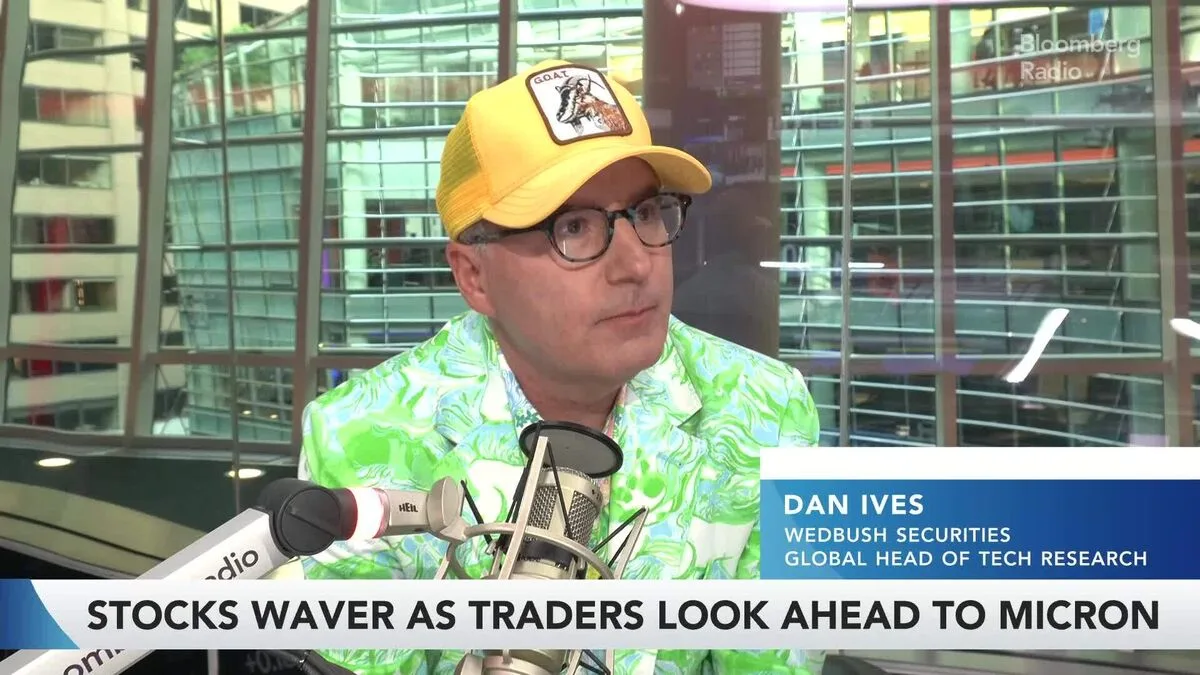
Chipmakers swung wildly this week, from a Tuesday 'chip-wreck' to a Micron-led surge after hours. What's actually going on with AI's hardware backbone?
Sarah Williams · 26 Jun · 5 min
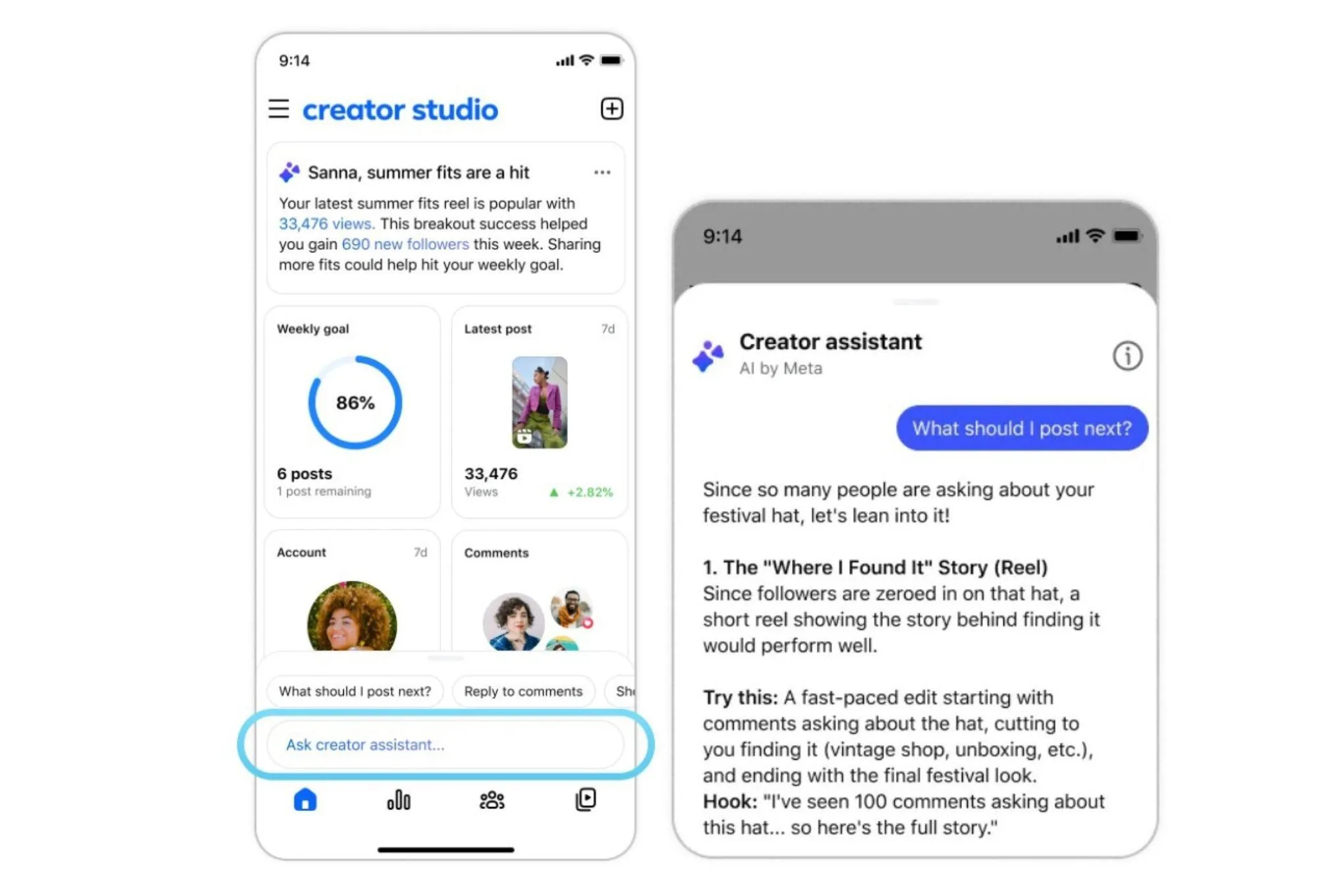
The original Creator Studio was shut down in 2023. Now it's back, rebuilt around an AI assistant that promises to grow your audience and reply to comments in your voice.
Sarah Williams · 26 Jun · 5 min
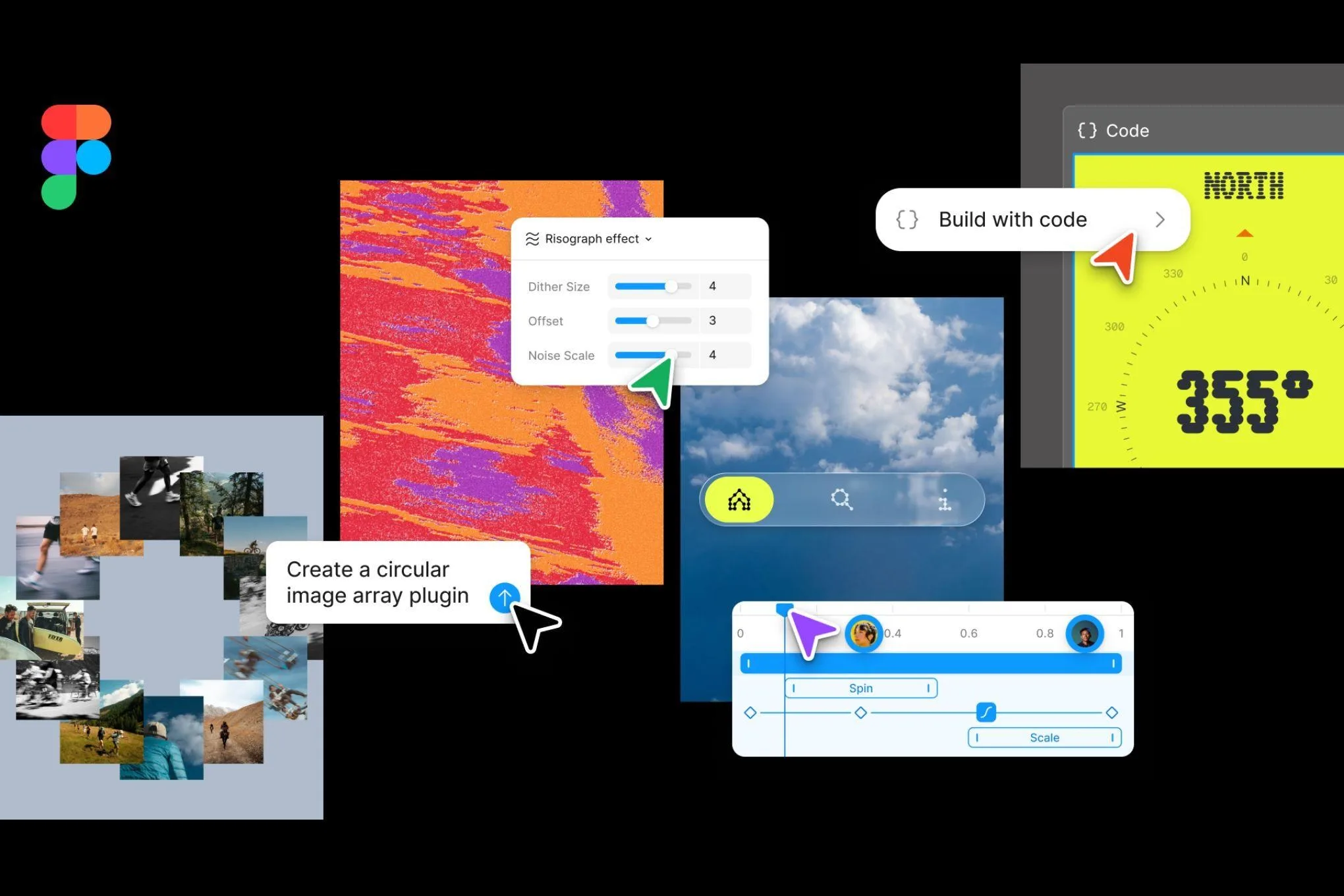
At its annual Config conference, Figma announced coding layers, AI-generated motion graphics, and a reimagined canvas that blurs the line between design and full-stack development.
Sarah Williams · 26 Jun · 5 min
Everyone talks about chips and models. The memory bottleneck is the part of the AI buildout that keeps getting underestimated, and Micron's latest earnings make that case hard to ignore.
When I initially thought about this expansion, I figured it was straightforward good news for robotics companies. More chips means shorter lead times, which means faster iteration cycles for everyone building embodied AI systems.
But after reading more about the timeline, I'm less sure. Five years is a long time. The capacity won't come online all at once. And in the meantime, the crunch continues.
Here's what we know: SK Hynix is doubling wafer capacity. The company didn't disclose exact figures on capital expenditure or how many additional wafers per month this translates to. That's frustrating, tbh. It's hard to assess whether this is enough to meet projected demand without those specifics.
What we do know is that memory chip shortages have been constraining AI hardware production for over a year now. NVIDIA's H100 and B100 systems have faced supply issues, and a significant portion of that bottleneck traces back to HBM availability. Whether doubling capacity actually clears the backlog or just keeps pace with exploding demand, remains unclear.
Some analysts argue this expansion will finally ease constraints. Others counter that AI workloads are growing faster than anyone projected, and even doubled capacity might not be enough. I don't have a confident answer here. It's too early to say.
The investment thesis seems to be: buy now because the shortage persists, but also the company is expanding so they'll capture even more market share when supply normalizes. That's a lot of things going right simultaneously.
I think there are a few scenarios worth considering.
First, the expansion works as planned and the robotics industry gets the memory it needs by 2028 or so. Lead times drop, costs come down, and we see a wave of more capable embodied AI systems hit the market. That's the optimistic case.
Second, demand outpaces even the expanded supply. AI model sizes keep growing, inference requirements keep climbing, and we're back in shortage territory even with doubled capacity. This seems, honestly, pretty plausible given the trajectory we've seen.
Third, and this is the one nobody wants to talk about, the AI boom cools before the capacity comes online. SK Hynix ends up with expensive fabs and not enough buyers. Memory chip markets have a history of brutal boom-bust cycles. I'm not saying this is likely, but it's worth acknowledging.
For robotics specifically, the near-term outlook hasn't changed much. If you're building humanoids or other embodied AI systems, you're still competing for limited HBM supply. The expansion is a signal that relief might be coming, but it's not here yet.
One thing I'm watching: whether other memory makers (Samsung, Micron) announce similar expansions. If they do, the overcapacity risk goes up. If they don't, SK Hynix's bet looks smarter.
I don't have a clean conclusion here, which feels appropriate. The memory chip market is doing that thing where everyone's excited and nervous at the same time. The fundamentals suggest SK Hynix is in a strong position. The history of this industry suggests caution. And for robotics builders, the practical reality is that you're still going to be waiting for chips for a while.
We'll know more when we see the quarterly numbers and, more importantly, when the new capacity actually starts coming online. Until then, I think the honest answer is: this is a big deal, but it's too early to know exactly what kind of big deal it is.