OpenAI's Codex Pivot: From Code Assistant to Everyone's Research Intern
The company that built a coding tool is now positioning it as a productivity layer for analysts, marketers, and basically anyone who works with information.
Crédito da imagem: Lottie animation by Centre Robotics (LottieFiles Free, used with credit). · source
Remember when calculators were going to make us all worse at math? I keep thinking about that debate whenever a new AI productivity tool drops. The fear was that we'd lose some fundamental skill, become dependent, forget how to carry the one. Instead, calculators just became... normal. Background infrastructure. Nobody panics about them anymore.
I'm not saying OpenAI's expanded Codex is a calculator. But watching the company reposition what started as a coding assistant into a general knowledge work tool, I can't help wondering if we're watching a similar normalization happen in real time.
OpenAI released what they're calling "The Next Era of Knowledge Work" report alongside a bunch of new Codex features. The pitch is straightforward: Codex isn't just for developers anymore. It's for analysts doing research, marketers creating content, designers iterating on concepts, investors digging through data.
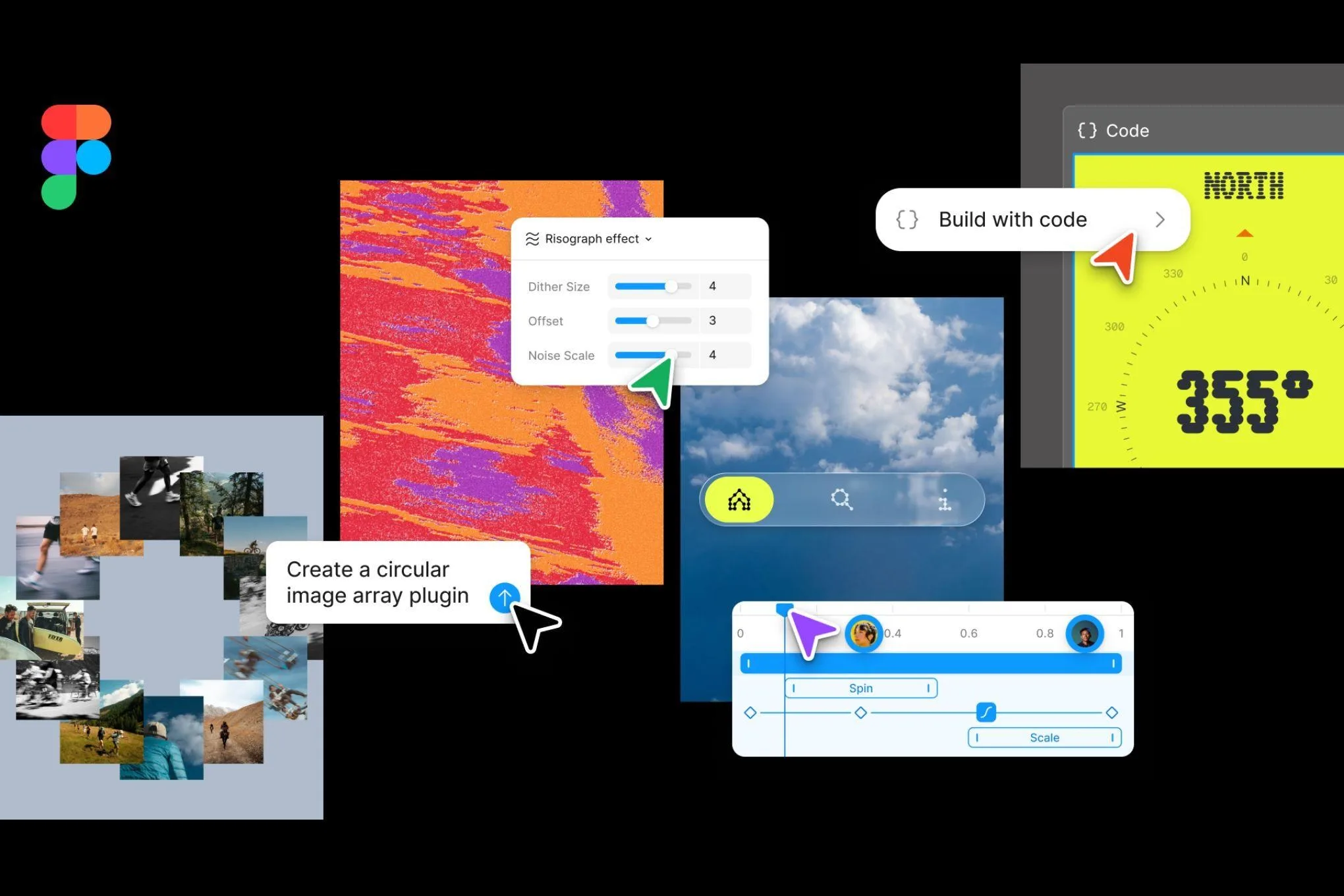
The new capabilities include plugins that connect to external tools, site integrations, and something they're calling "annotations" that help teams collaborate on AI-generated outputs. Basically, they're building the connective tissue that lets Codex plug into existing workflows rather than requiring people to come to it.
The new 'omnimodal' system combines vision, language, video, audio, and robot actions in one architecture. It's impressive work, but the hype cycle feels awfully familiar.
Mark Kowalski · 10 hours ago · 4 min
Vision-language-action models can follow instructions, but they still can't reliably tell when they're done. New research from separate teams offers competing solutions.
Aisha Patel · 11 hours ago · 9 min
Three new papers tackle the same problem from different angles, and the results suggest we're still figuring out when diffusion planning actually helps.
What strikes me isn't the features themselves. It's the framing. OpenAI is explicitly positioning Codex as a productivity multiplier for knowledge workers, not a replacement for them. The language throughout their materials emphasizes "helping teams get more done" rather than "automating away roles."
This feels like a deliberate rhetorical choice, and honestly, a smart one given the current climate around AI and employment. But it also raises questions I don't think they've fully answered.
Like: what happens when the tool that helps you research faster also helps your competitor research faster? When everyone has access to the same productivity multiplier, does anyone actually gain an advantage? Or do we just end up running on a faster treadmill?
The embodied AI angle
You might be wondering why I'm covering this on a robotics beat. Fair question. Here's my thinking.
The same architectural patterns that let Codex handle research queries and data analysis are increasingly showing up in embodied systems. The multimodal reasoning, the ability to break complex tasks into steps, the integration with external tools. These aren't just useful for knowledge work. They're foundational for robots that need to understand context and execute in physical environments.
I initially thought this Codex expansion was just OpenAI chasing enterprise revenue (which, tbh, it probably is partly). But after reading through their technical documentation, I'm seeing it more as a proving ground. If you can get an AI system to reliably handle ambiguous research tasks with real business stakes, you're building capabilities that transfer to embodied applications.
OpenAI didn't disclose usage numbers or adoption rates for the new features. We don't know how many organizations are actually using Codex for these expanded use cases versus the original coding applications. The company also didn't address pricing changes, which seems like a pretty significant omission if they're pitching this to entirely new user segments.
There's also the question of accuracy. Research and analysis tasks require different kinds of reliability than code generation. When Codex suggests a code fix, you can run it and see if it works. When it summarizes a market report or synthesizes competitive intelligence, the failure modes are subtler. You might not realize you're working from flawed analysis until much later.
I'm not saying this makes the tool useless. I'm saying we don't have great frameworks yet for evaluating AI-assisted knowledge work. And OpenAI's materials don't really engage with that challenge.
What I keep coming back to is the normalization question. Five years ago, the idea of AI handling research tasks for analysts would have felt like science fiction. Now OpenAI is releasing it as a feature update, and the response is mostly... measured. Practical. People asking about integrations and pricing rather than debating whether it should exist.
Maybe that's healthy. Maybe that's how technology actually gets absorbed, through gradual acceptance rather than dramatic moments of reckoning. Or maybe we're just getting desensitized faster than we're getting wise.
I don't have a clean answer here. What I do think is that the line between "AI tool" and "AI colleague" is getting blurrier, and companies like OpenAI are actively working to blur it further. Whether that's good or concerning probably depends on factors we won't fully understand for years.
For now, I'm watching how this plays out in enterprise adoption. The real test isn't whether these features work in demos. It's whether they change how organizations actually operate, and whether the people using them feel augmented or anxious. I suspect it'll be both.