OpenAI and Dell Team Up to Bring AI Coding Agents to Enterprise Data Centers
The partnership will let companies run Codex, OpenAI's software engineering agent, on their own infrastructure rather than in the cloud.
Crédito da imagem: Photo via Unsplash. Free to use under Unsplash License. · source
OpenAI has announced a partnership with Dell Technologies to deploy its Codex AI coding agent in hybrid and on-premise enterprise environments. The collaboration addresses one of the biggest barriers to AI adoption in large organizations: the requirement to send sensitive code and data to external cloud servers.
What is Codex and why does deployment location matter?
Codex is OpenAI's AI agent designed to handle software engineering tasks. Unlike simple code completion tools, Codex can work through multi-step programming problems, navigate codebases, and execute code to verify its solutions.
For many enterprises, especially those in regulated industries like finance and healthcare, sending proprietary code to cloud-based AI services creates compliance headaches. Data residency requirements, security policies, and intellectual property concerns have kept some organizations from adopting these tools at all.
The Dell partnership changes this equation by allowing companies to run Codex on infrastructure they control, whether that means their own data centers or a hybrid setup that keeps sensitive workloads local.
How does OpenAI plan to keep these agents secure?
Alongside the Dell announcement, OpenAI published details about its approach to running Codex safely. The company describes a layered security model built around four main components.
Cobertura relacionada
More in AI Models
Chipmakers swung wildly this week, from a Tuesday 'chip-wreck' to a Micron-led surge after hours. What's actually going on with AI's hardware backbone?
Sarah Williams · 26 Jun · 5 min
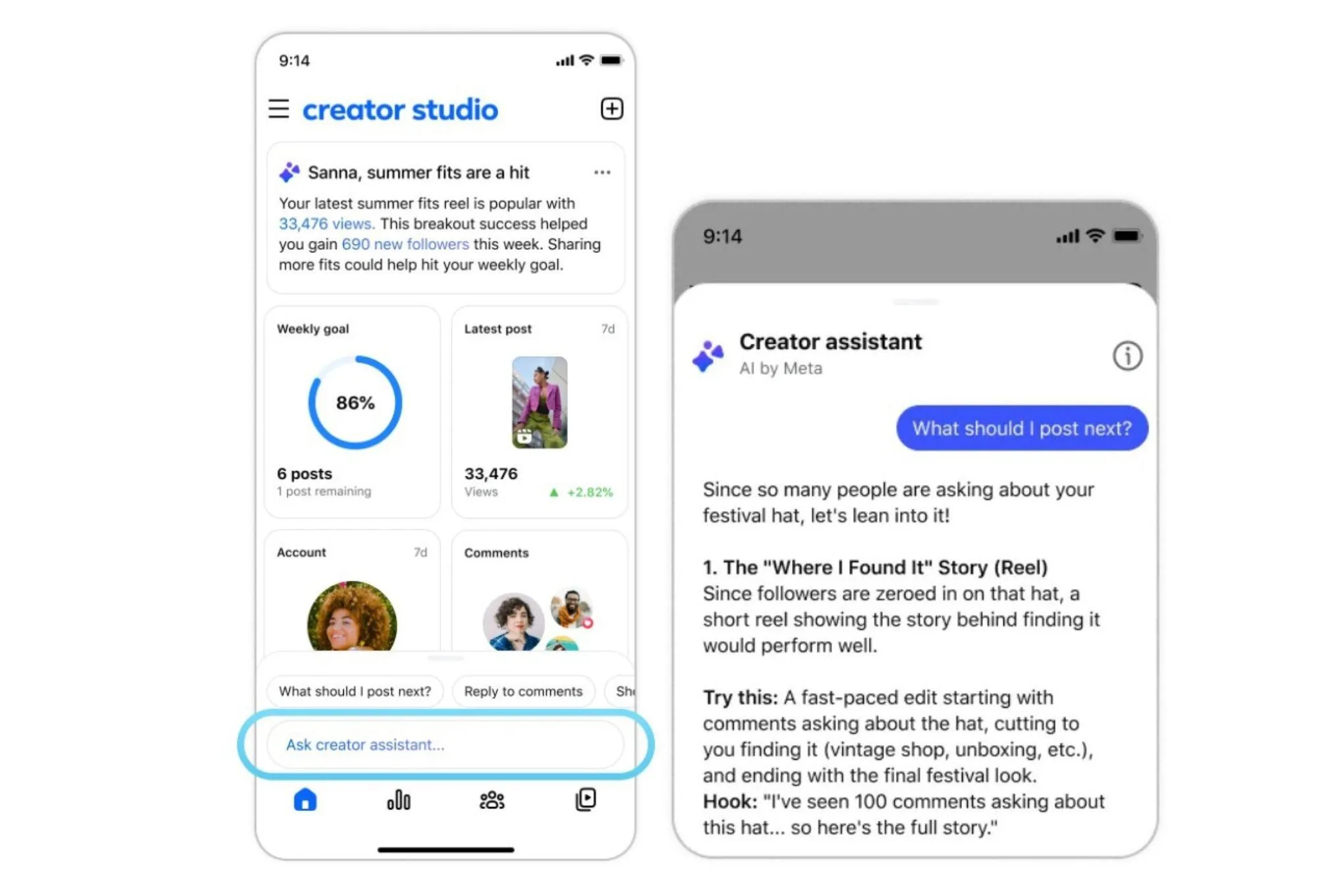
The original Creator Studio was shut down in 2023. Now it's back, rebuilt around an AI assistant that promises to grow your audience and reply to comments in your voice.
Sarah Williams · 26 Jun · 5 min
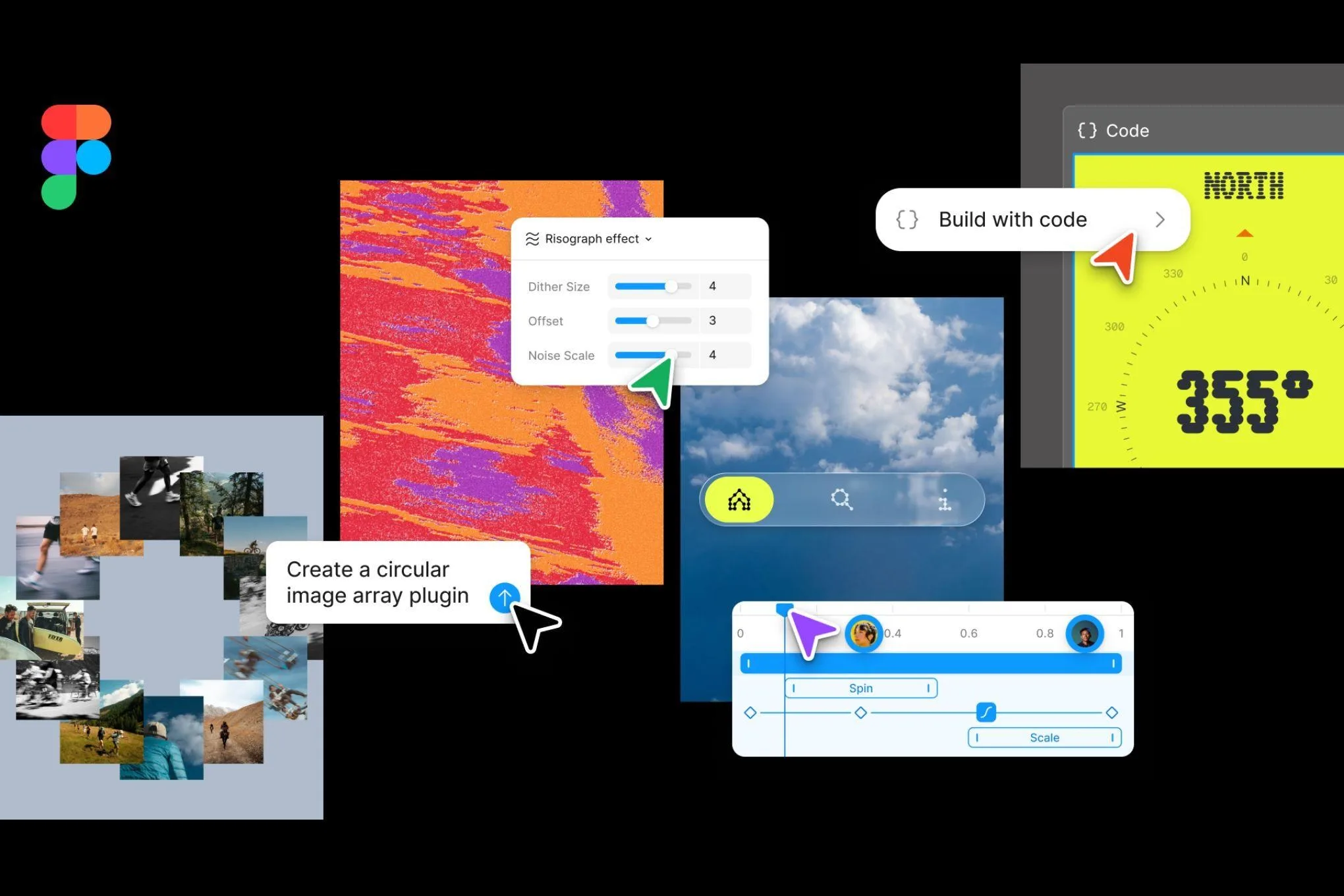
At its annual Config conference, Figma announced coding layers, AI-generated motion graphics, and a reimagined canvas that blurs the line between design and full-stack development.
Sarah Williams · 26 Jun · 5 min
Everyone talks about chips and models. The memory bottleneck is the part of the AI buildout that keeps getting underestimated, and Micron's latest earnings make that case hard to ignore.