Crédito da imagem: Image via source article. Used under fair use for news commentary. · source
Look, I'm going to say something that might get me yelled at: Nvidia announcing a new chip is about as surprising as the sun coming up. What's actually worth paying attention to is who's buying it.
And this time, the customer list tells you everything you need to know about where the AI industry is headed (and who's paying for the ride).
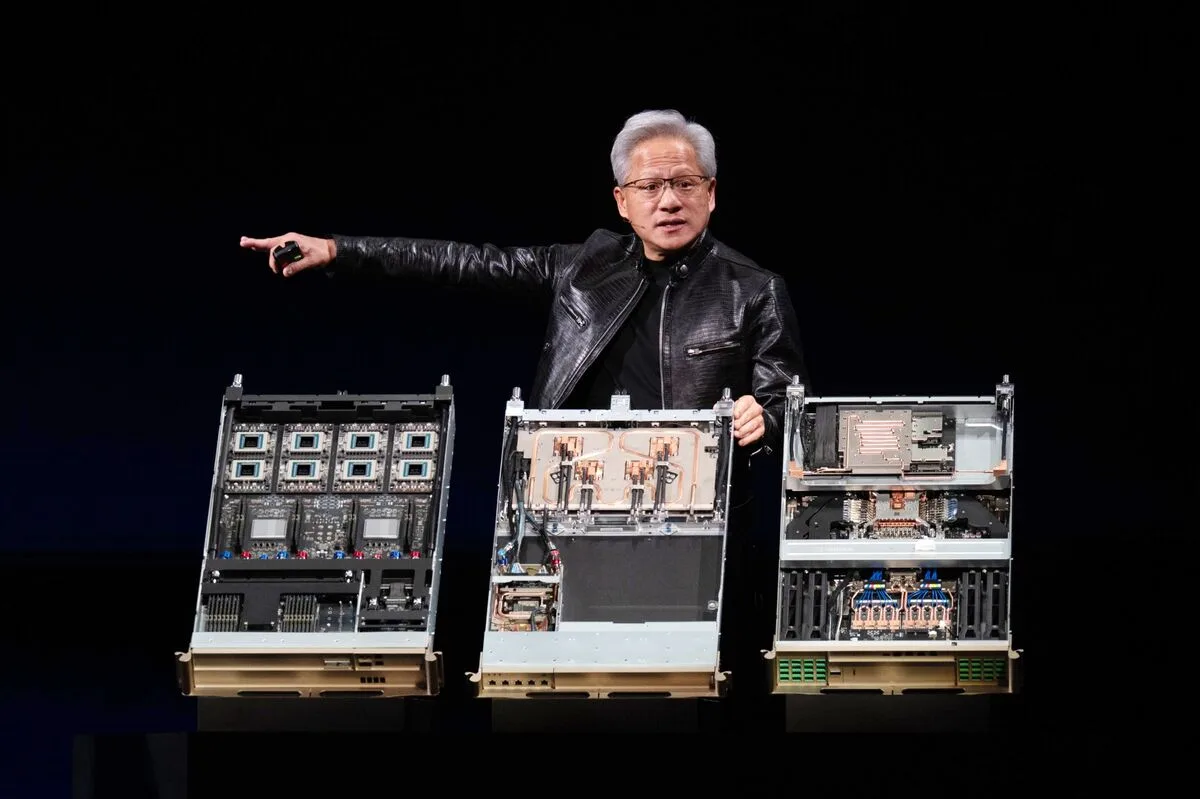
Bloomberg reported that Anthropic, OpenAI, and SpaceX are among the first major customers for Nvidia's upcoming Vera chip, which Jensen Huang unveiled at Computex this week. The announcement sent Nvidia stock soaring and competitors sliding, which is basically the default state of the semiconductor market these days.
But here's where it gets interesting, and maybe a little concerning if you've been around long enough to remember how these cycles play out.
Anthropic and OpenAI buying Nvidia's latest silicon? That's table stakes. Those companies are in an arms race that makes the browser wars of the 90s look like a polite disagreement over tea. They need compute like I need my morning coffee, which is to say desperately and in quantities that probably aren't healthy.
The SpaceX inclusion is the curveball here. Elon Musk's rocket company isn't exactly known for AI research, though they do plenty of autonomous systems work for spacecraft navigation and such. This could mean a few things: maybe they're building out AI infrastructure for Starlink, maybe it's related to Tesla's robotics ambitions through some corporate back channel, or maybe Musk just likes having the shiniest toys. I genuinely don't know which, and Nvidia didn't elaborate.
Cobertura relacionada
More in AI Models
Chipmakers swung wildly this week, from a Tuesday 'chip-wreck' to a Micron-led surge after hours. What's actually going on with AI's hardware backbone?
Sarah Williams · 26 Jun · 5 min
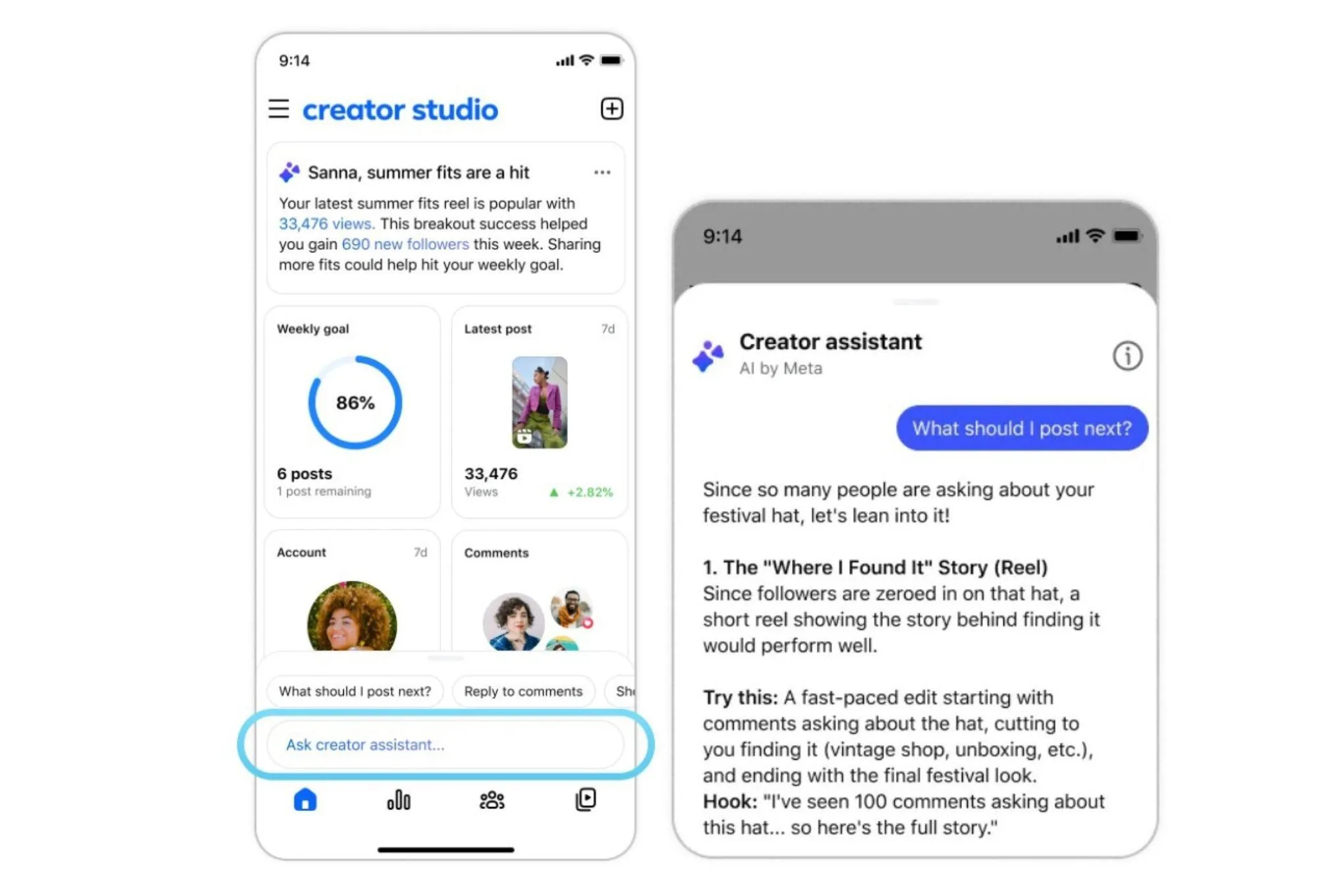
The original Creator Studio was shut down in 2023. Now it's back, rebuilt around an AI assistant that promises to grow your audience and reply to comments in your voice.
Sarah Williams · 26 Jun · 5 min
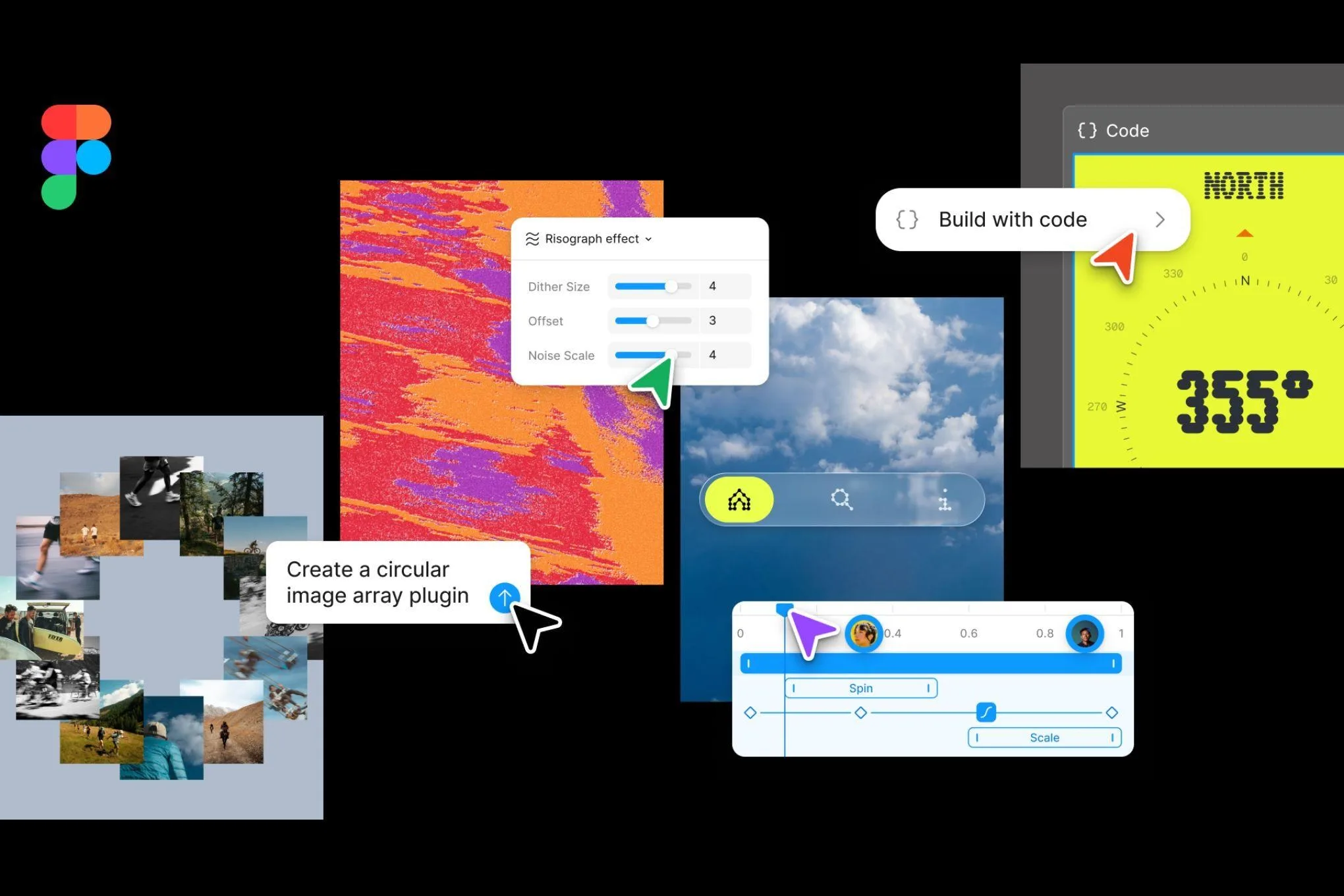
At its annual Config conference, Figma announced coding layers, AI-generated motion graphics, and a reimagined canvas that blurs the line between design and full-stack development.
Sarah Williams · 26 Jun · 5 min
Everyone talks about chips and models. The memory bottleneck is the part of the AI buildout that keeps getting underestimated, and Micron's latest earnings make that case hard to ignore.
What I do know is that when three of the most cash-flush tech operations on the planet all line up for your product before it ships, you've got leverage. And Nvidia has been accumulating leverage like it's going out of style.
Call me old-fashioned, but the hype around each new Nvidia chip cycle reminds me uncomfortably of the early 2000s telecom buildout. Remember when every carrier was laying fiber like the internet would collapse without it? Some of that capacity sat dark for a decade. Some companies went bankrupt betting on demand that didn't materialize fast enough.
Now, I'm not saying AI demand isn't real. It obviously is! The models keep getting bigger, the applications keep multiplying, and the big labs are burning cash on compute at rates that would make a defense contractor blush. But there's a difference between "demand is real" and "demand will grow forever at current rates," and I've watched too many tech cycles to assume the latter.
The Vera chip, from what Nvidia's disclosed, is designed for AI inference at scale, which is the part of AI that actually makes money (running trained models in production rather than training new ones). That's a smart bet. But it's also an acknowledgment that the training gold rush can't last forever, and the real business is in deployment.
Here's the part that made me laugh, and not entirely in a good way.
Nvidia's also getting into the PC market with a new AI chip, according to Bloomberg's coverage of the Computex keynote. Jensen Huang apparently wants a piece of the consumer hardware pie, which, okay, sure. The company's been dancing around this for years with their gaming GPUs, but a dedicated push into AI PCs is new territory.
The timing is interesting. Microsoft's been pushing Copilot Plus PCs, Apple's got their neural engines, and Qualcomm's been making noise about on-device AI. Nvidia jumping in feels less like innovation and more like not wanting to get left out of a market that might actually matter in five years.
But what do I know. Maybe consumers really do want AI chips in their laptops for... whatever it is they'll do with them. Generate images of their cats? Run local chatbots? The use cases remain unclear to me, and I suspect they remain unclear to most buyers too.
Let's talk about something the press releases don't emphasize: how much this all costs.
Nvidia's data center GPUs already run tens of thousands of dollars per unit. The Vera chip, designed for enterprise inference at scale, presumably won't be cheap either. The companies buying these things (your Anthropics, your OpenAIs) are burning through investor cash at alarming rates, and none of them have figured out how to make their AI products reliably profitable yet.
This is the part of the cycle that always makes me nervous. Everyone's building infrastructure for a future that might arrive, or might arrive differently than expected, or might arrive but take way longer than the runway these companies have. The compute is real, the demand is real, but the sustainable business models are still basically TBD.
SpaceX is the exception here, they actually make money launching rockets and selling Starlink subscriptions. But Anthropic and OpenAI are still in the "grow now, profit later" phase that I've watched destroy plenty of promising companies over the years.
Strip away the hype and the stock movements and here's what we know:
Nvidia continues to be the picks and shovels supplier for the AI gold rush. That's a good business! It was a good business during the actual gold rush, and it's a good business now. Whether the miners strike gold is somewhat beside the point for the company selling them equipment.
The big AI labs are locked into Nvidia's ecosystem for the foreseeable future. AMD and Intel keep trying to compete, and they keep not quite getting there. This might change eventually (it usually does in semiconductors), but not this year and probably not next year either.
The expansion into consumer PCs is a hedge. Nvidia's betting that if AI becomes as ubiquitous as they claim, they want to be everywhere it runs, not just in data centers. Smart strategy, unclear execution.
And SpaceX's involvement suggests that AI infrastructure is becoming table stakes for any serious technology operation, not just the obvious AI companies. That's probably the most significant signal in the whole announcement, even if it got the least attention.
I'll be honest: I don't know if Vera is going to be as transformative as Nvidia claims. I've heard that pitch before, about a lot of chips, from a lot of companies. Some of them changed the world. Most of them were incremental improvements dressed up in revolutionary language.
What I do know is that the customer list matters more than the spec sheet. When Anthropic, OpenAI, and SpaceX all commit to your hardware before it ships, that tells you something about market position that no benchmark can capture.
Nvidia's moat isn't just about having the best chips (though they probably do). It's about having the ecosystem, the software stack (CUDA remains annoyingly dominant), and the relationships with every company that matters in AI. That's harder to replicate than silicon.
Will this last? Nothing lasts forever in tech. I've been covering this industry since the 90s and I've watched plenty of "unassailable" market positions crumble. But if you're betting against Nvidia in the near term, you'd better have a very good reason and a very long time horizon.
Me, I'm going to keep watching the customer lists more than the keynotes. The specs are marketing. The purchase orders are truth.
If you want to argue about any of this, my email's on the about page. I actually read it, unlike some of these kids who think everything has to be a Twitter thread.