New Research Tackles a Problem Most Robot AI Ignores: What Happens When Instructions Are Wrong
Two papers from this week address the messy reality of deploying vision-language models on actual robots, where humans make mistakes and latency creates chaos.
By
Agricultural robots that follow spoken commands fail spectacularly when those commands contain errors. That's the unsurprising but important finding from researchers who built a benchmark specifically to test what happens when humans give imperfect instructions to vision-language navigation agents.
The number that jumped out at me: a 57% drop in success rate when instructions contained mistakes. That's not a minor degradation. That's a system that basically stops working.
The problem nobody was testing
The A2A-MI benchmark from researchers at several Chinese universities does something that should have been done earlier. It systematically inserts three types of errors into navigation instructions, then measures how badly existing agricultural VLN agents fall apart.
From my time building hardware, I've seen enough spec sheets that assume perfect inputs. Real deployments never have perfect inputs. Farmers giving voice commands to a robot navigating between crop rows will say "turn left" when they mean right. They'll reference landmarks that don't exist. The instruction will be garbled.
The researchers built what they call an IMAC module (Instruction Mistake Awareness and Correction) that analyzes both the instruction and what the robot's camera actually sees. When there's a mismatch, it attempts correction. The results narrow the performance gap considerably, though the paper doesn't claim to solve the problem entirely.
What remains unclear is how well this transfers to real agricultural environments. The benchmark uses simulation, and the gap between simulated greenhouse rows and actual muddy fields with variable lighting is, well, significant.
Cobertura relacionada
More in AI Models
Chipmakers swung wildly this week, from a Tuesday 'chip-wreck' to a Micron-led surge after hours. What's actually going on with AI's hardware backbone?
Sarah Williams · 26 Jun · 5 min
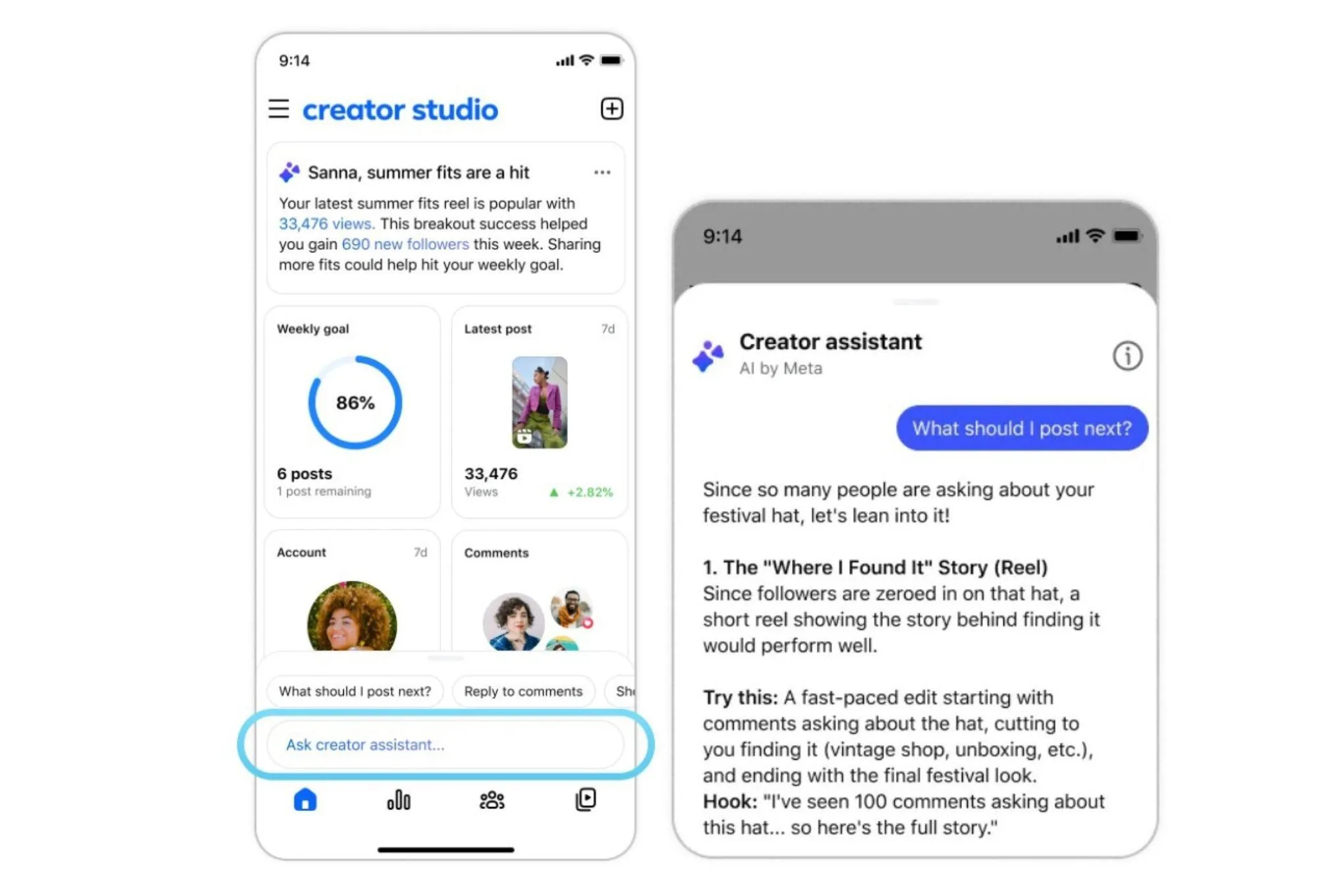
The original Creator Studio was shut down in 2023. Now it's back, rebuilt around an AI assistant that promises to grow your audience and reply to comments in your voice.
Sarah Williams · 26 Jun · 5 min
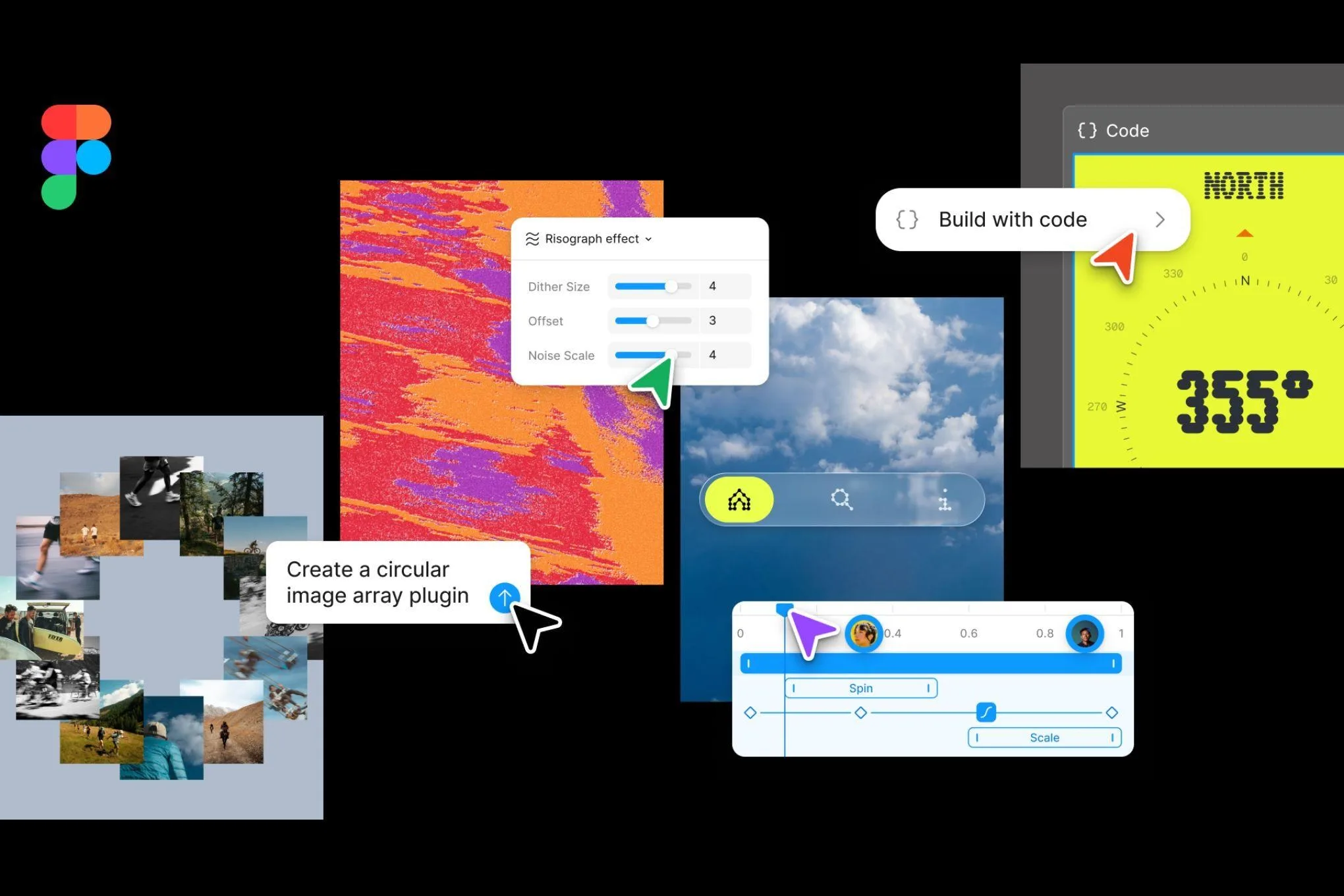
At its annual Config conference, Figma announced coding layers, AI-generated motion graphics, and a reimagined canvas that blurs the line between design and full-stack development.
Sarah Williams · 26 Jun · 5 min
Everyone talks about chips and models. The memory bottleneck is the part of the AI buildout that keeps getting underestimated, and Micron's latest earnings make that case hard to ignore.