MX Linux's New AHS Release Targets Modern Hardware, But Is It Enough?
The lightweight distro is making a play for newer PCs, and honestly, it's a smart move that raises bigger questions about Linux's hardware problem.
By
MX Linux just dropped a version specifically designed for computers that are one to three years old.
I know, I know. You might be wondering why that's news. Linux distributions come out constantly, and most of them claim to work on everything from a decade-old ThinkPad to whatever gaming rig you built last month. But here's the thing: there's a gap in the Linux world that nobody really talks about, and MX Linux is trying to fill it.
The new release is called MX Linux Xfce AHS (Advanced Hardware Support), and it's built around a simple premise: newer hardware needs newer kernels and drivers, but most stable Linux distributions are conservative about including them. You end up with a distro that's rock solid on your 2018 laptop but weirdly glitchy on the PC you just bought.
I initially thought this was just a marketing spin on a kernel update. But after reading through the release notes and some early user reports on ZDNet, I think there's something more interesting happening here.
The Hardware Support Problem Nobody Wants to Admit
Here's the uncomfortable truth about desktop Linux in 2024: it's gotten really good at running on old hardware (which is genuinely great for sustainability and accessibility) but sometimes struggles with the newest stuff. Wifi chips that don't work out of the box. GPUs that need manual driver installation. Fingerprint readers that just... don't.
MX Linux's AHS edition ships with a newer kernel, updated Mesa graphics drivers, and firmware packages that target recent Intel and AMD hardware. The Xfce desktop keeps things lightweight, so you're not trading performance for compatibility.
Cobertura relacionada
More in AI Models
Chipmakers swung wildly this week, from a Tuesday 'chip-wreck' to a Micron-led surge after hours. What's actually going on with AI's hardware backbone?
Sarah Williams · 26 Jun · 5 min
The original Creator Studio was shut down in 2023. Now it's back, rebuilt around an AI assistant that promises to grow your audience and reply to comments in your voice.
Sarah Williams · 26 Jun · 5 min
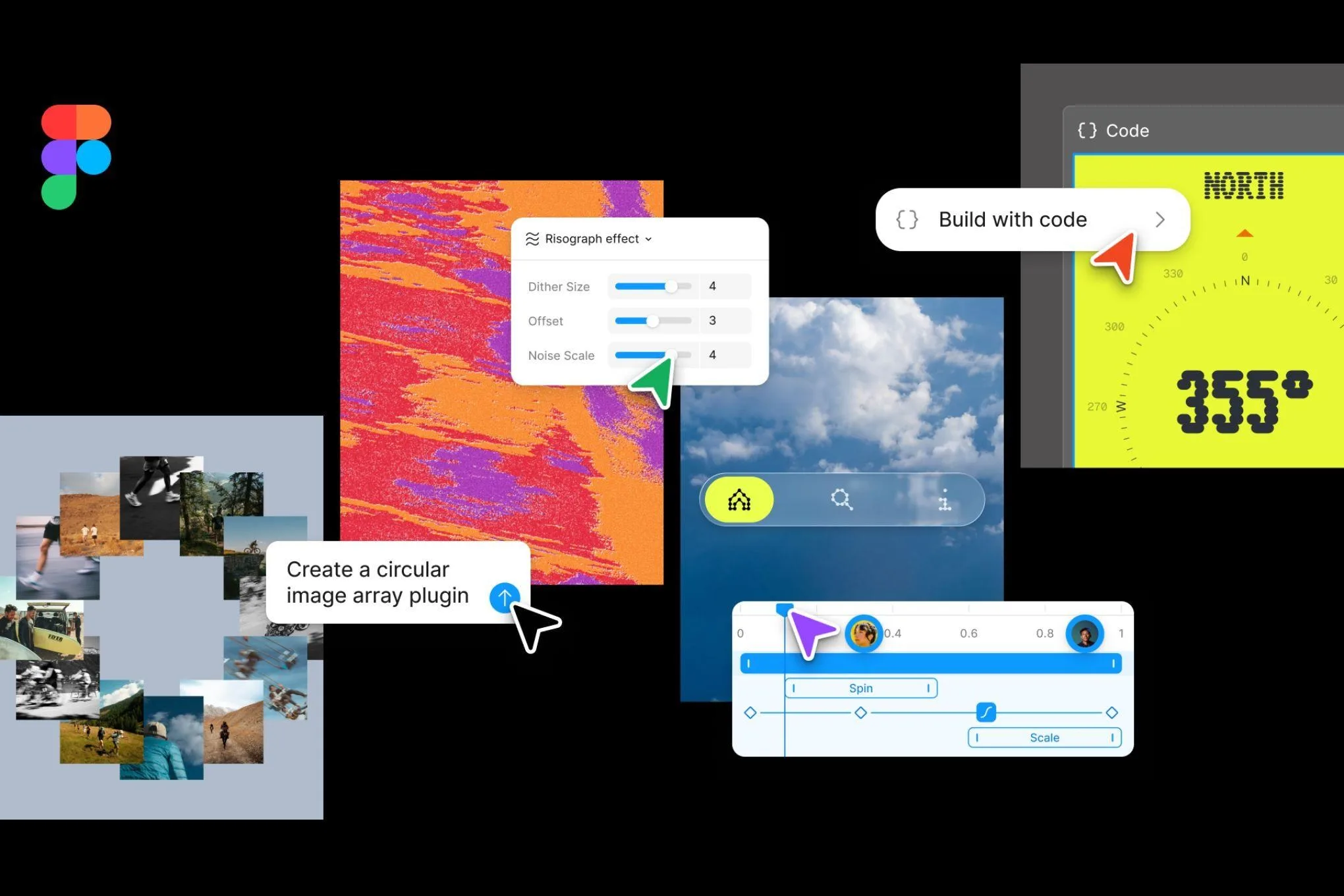
At its annual Config conference, Figma announced coding layers, AI-generated motion graphics, and a reimagined canvas that blurs the line between design and full-stack development.
Sarah Williams · 26 Jun · 5 min
Everyone talks about chips and models. The memory bottleneck is the part of the AI buildout that keeps getting underestimated, and Micron's latest earnings make that case hard to ignore.