Linux mastery isn't about the distro, it's about the fundamentals (and kids today skip those)
After 27 years with Linux, I'm watching a new generation chase shiny distributions while ignoring the skills that actually matter.
By
·3 June 2026·5 min de leitura
Here's a controversial take that'll get my inbox flooded: the explosion of Linux distributions is making worse Linux users, not better ones.
I've seen this movie before. Back in the late 90s when I first installed Slackware (from floppy disks, if you can imagine), there was no choice paralysis. You learned Linux or you didn't. Now we've got over 85 distributions you can test-drive in a browser without installing anything, thanks to platforms like DistroSea, and I'm not sure that's entirely a good thing.
Don't get me wrong, the accessibility is genuinely impressive. Fire up any modern browser, pick a distro from Ubuntu to something obscure like Puppy Linux, and you're running a full Linux environment in minutes. No USB drives, no partition anxiety, no commitment. It's the dating app version of operating systems.
But call me old-fashioned, I think the friction was part of the education.
A recent piece from ZDNet laid out what it actually takes to become proficient with Linux, and the list hasn't changed much since I was figuring this stuff out in my basement in 1997. Command line fundamentals. Package management. Understanding file permissions. Bash scripting. Networking basics. System administration concepts.
Notice what's not on that list? "Finding the perfect distro with the prettiest desktop environment."
Cobertura relacionada
More in AI Models
Chipmakers swung wildly this week, from a Tuesday 'chip-wreck' to a Micron-led surge after hours. What's actually going on with AI's hardware backbone?
Sarah Williams · 26 Jun · 5 min
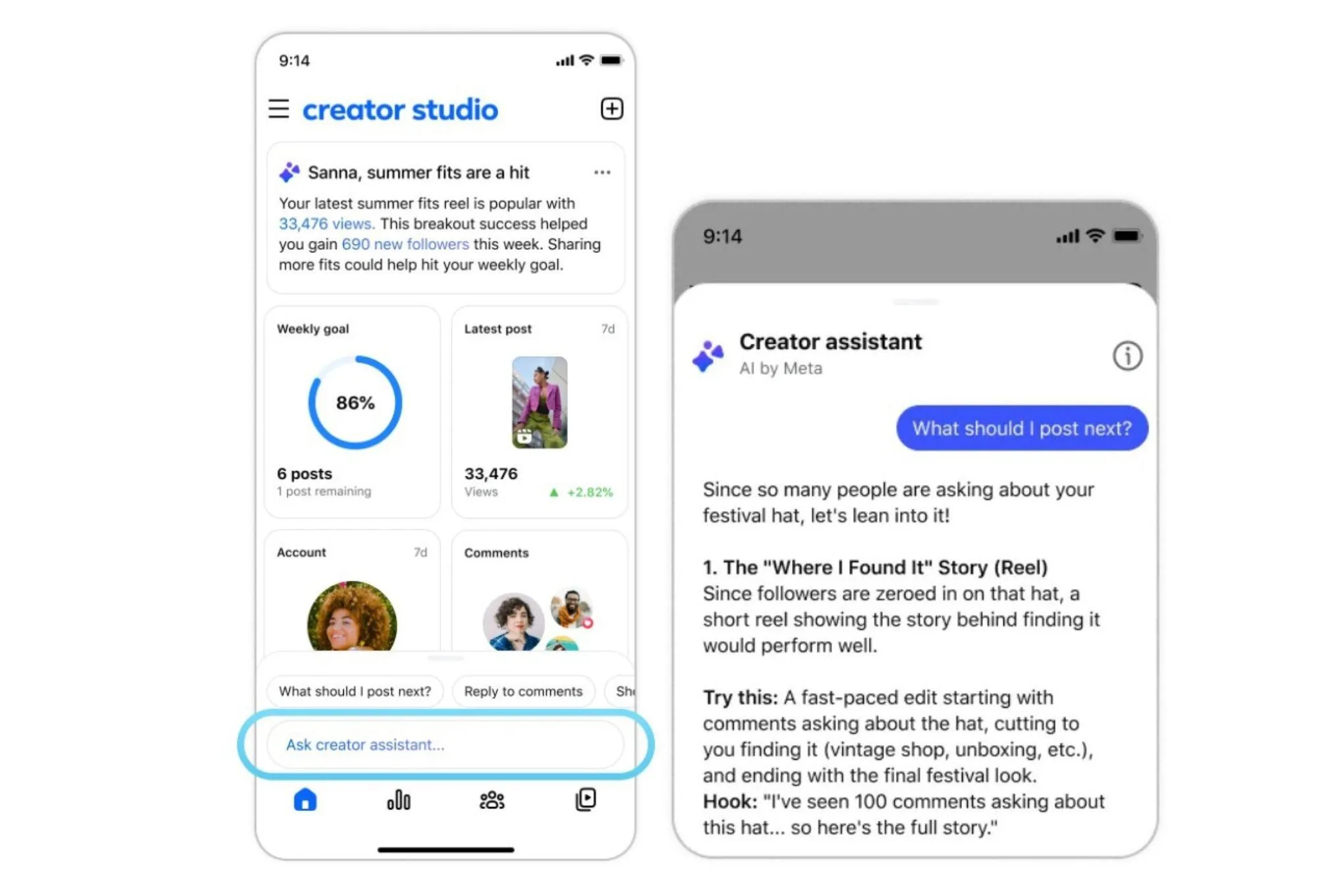
The original Creator Studio was shut down in 2023. Now it's back, rebuilt around an AI assistant that promises to grow your audience and reply to comments in your voice.
Sarah Williams · 26 Jun · 5 min
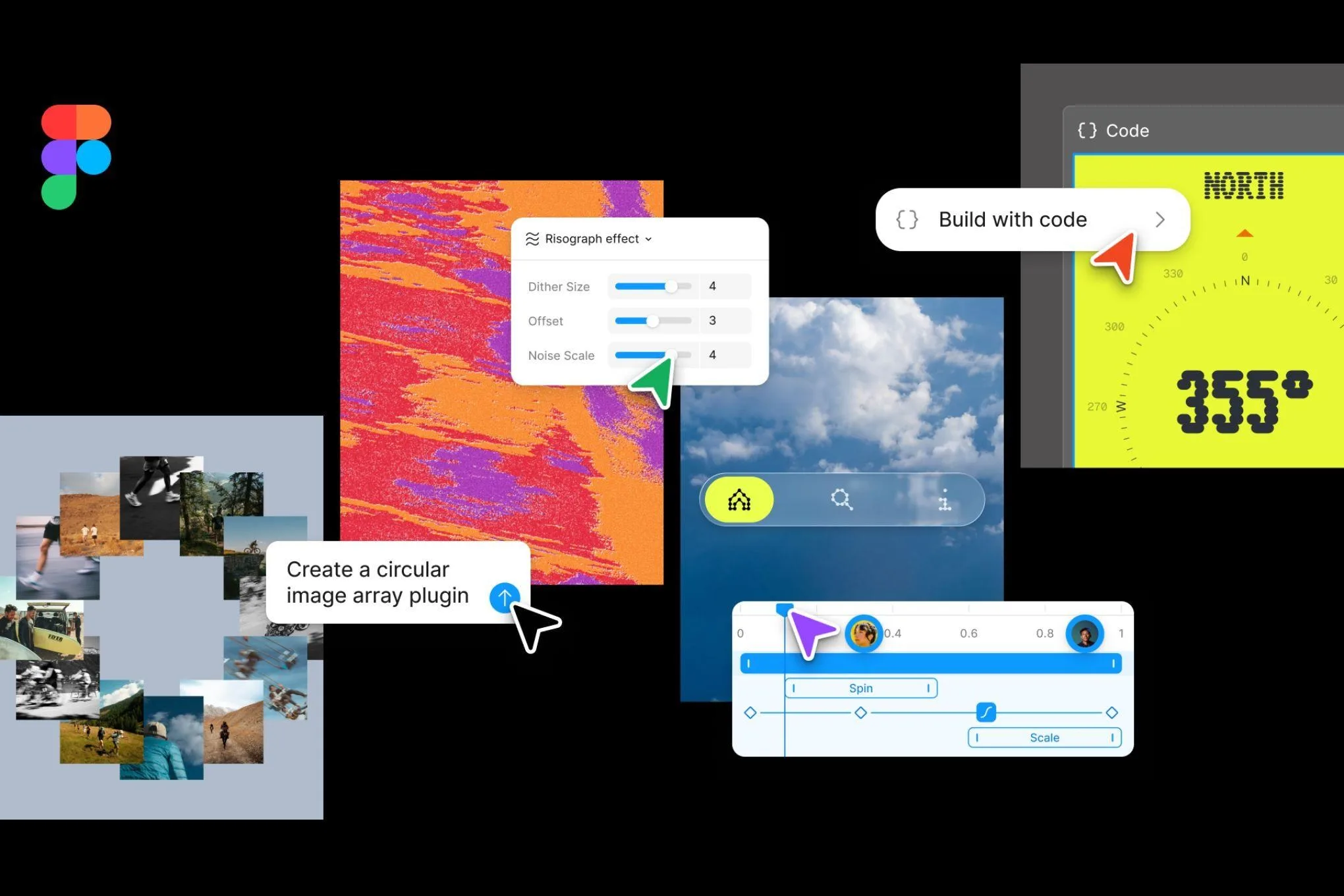
At its annual Config conference, Figma announced coding layers, AI-generated motion graphics, and a reimagined canvas that blurs the line between design and full-stack development.
Sarah Williams · 26 Jun · 5 min
Everyone talks about chips and models. The memory bottleneck is the part of the AI buildout that keeps getting underestimated, and Micron's latest earnings make that case hard to ignore.
Young founders and developers I talk to (and I talk to a lot of them, usually when they email me to complain about my columns) seem to think choosing between Pop!_OS and Manjaro is a meaningful technical decision. It's not. It's aesthetic preference with some package manager differences. The underlying skills transfer across all of them, which is sort of the whole point of learning Linux in the first place.
I've watched this pattern repeat across every tech cycle I've covered. The tools get easier, the fundamentals get ignored, and then everyone acts surprised when things break and nobody knows how to fix them. Self-driving cars, anyone? We spent years debating Tesla versus Waymo while ignoring that the sensor fusion problems were basically the same across platforms.
Now, I'm being a bit harsh here, and I should acknowledge what browser-based Linux testing genuinely solves. For someone who's never touched a terminal, being able to experiment without risking their Windows installation is legitimately valuable. The platform runs real distributions, not simulations, and you can explore everything from mainstream Ubuntu to weird experimental stuff like antiX or Q4OS.
That's useful! I'm not a complete curmudgeon.
The problem is what happens after the test drive. Too many people bounce between distributions looking for the one that "feels right" instead of picking literally any of them and actually learning the operating system. It's like test-driving 30 cars and never learning to drive.
I spent my first two years with Linux on a single distribution, breaking things constantly, learning to fix them, reading man pages (remember those?), and building actual competence. Was it frustrating? Absolutely. Did it work? I'm still here writing about this stuff three decades later, so you tell me.
Here's what remains unclear to me: why the Linux community keeps acting like distribution choice is the important conversation. The real skills, the ones that make you actually useful, are almost entirely distribution-agnostic.
Learn bash scripting and you can automate tasks on Ubuntu, Fedora, Arch, or that weird BSD variant your company inexplicably runs in production. Understand file permissions and you won't accidentally expose your entire server to the internet (I've seen this happen more times than I care to count, usually by people who spent months "researching" which distro to use).
Package management is the one area where distribution choice actually matters, and even then the concepts transfer. Apt, dnf, pacman, they're all doing basically the same thing with different syntax. Learn one deeply and the others take an afternoon to pick up.
The networking fundamentals? Identical everywhere. The command line? Same. Systemd configuration? Unfortunately also the same, whether you like it or not.
If you're new to Linux and you're reading this, here's my advice, and it's the same advice I've been giving since before some of you were born.
Pick a distribution. Any distribution. Ubuntu's fine. Fedora's fine. Mint's fine. It genuinely does not matter as much as the internet wants you to believe. Install it on actual hardware, not just a browser window, because you need to feel the consequences of your mistakes.
Then learn the command line. Not because graphical interfaces are bad, but because the command line is where you understand what's actually happening. Learn to navigate filesystems, manipulate text, chain commands together. Break things on purpose and fix them.
Write bash scripts for tasks you do repeatedly. Configure a web server manually, not with a one-click installer. Set up SSH keys and understand why they're more secure than passwords. Read log files when something goes wrong instead of immediately searching Stack Overflow.
This takes time. Probably a year or two before you're genuinely comfortable. There's no shortcut, and the proliferation of easy-to-try distributions is, in a way, creating the illusion that shortcuts exist.
I should be fair here. Tools like DistroSea are genuinely useful for specific scenarios. If you need to test how your application behaves across different distributions, spinning up browser instances is way faster than maintaining a dozen virtual machines. If you're writing documentation and need to verify commands work on multiple platforms, this is efficient.
For education, though? I'm skeptical. The ease of switching creates a mindset of consumption rather than mastery. You're browsing distributions like Netflix thumbnails instead of committing to actually learning something.
But what do I know. I'm the guy who still prefers email to Slack, still thinks the command line is where real work happens, still believes that struggling with something is how you actually learn it. Maybe I'm wrong and the kids hopping between 85 distributions are building skills I can't see.
I don't think so, though. I've been watching tech cycles for too long, and the pattern is always the same. The fundamentals win eventually. The people who learned them, really learned them, are the ones who stick around.
If you want to argue about this, my email's on the about page. I promise I'll read it, even if I don't respond for three days because I'm busy actually using Linux instead of shopping for it.