Enterprises Are Burning Through AI Budgets Fast. Is Any of It Actually Working?
The 'tokenmaxxing' trend pushed companies to use AI as aggressively as possible. Then the invoices arrived, and the ROI questions got a lot harder to dodge.
Crédito da imagem: Image via TechCrunch — AI. Used under fair use for news commentary. · source
Is your company getting anything real out of its AI spend, or is it just burning cash to look like it's keeping up?
That question is getting harder to avoid in 2025. Earlier this year, a trend called "tokenmaxxing" swept through Silicon Valley, with executives actively encouraging employees to push AI tools to their absolute limits, maximizing token usage across every workflow they could find. The logic was straightforward: the more you use these tools, the faster you learn what works. The problem is that "learning what works" turned out to be a lot more expensive than most finance teams anticipated.
The numbers that started raising eyebrows
The clearest signal that something had gone sideways came from a handful of high-profile cases that were hard to spin. Uber reportedly burned through its entire annual AI budget in just a few months. Several companies quietly cut back on Anthropic Claude licenses for whole departments. Meta shut down an internal AI usage leaderboard that had been designed to gamify adoption. These aren't small, experimental startups running out of runway. These are some of the most sophisticated technology operators in the world, and they couldn't make the math work at scale.
Tiffany Luck, a general partner at NEA, has been watching this dynamic closely across the firm's portfolio. Her read is that most enterprises are still genuinely figuring out where AI delivers measurable returns, and that the honest answer right now is that it depends enormously on the specific use case and how rigorously a company is measuring outcomes.
That's a careful way of saying: a lot of companies don't actually know yet.
Cobertura relacionada
More in AI Models
Chipmakers swung wildly this week, from a Tuesday 'chip-wreck' to a Micron-led surge after hours. What's actually going on with AI's hardware backbone?
Sarah Williams · 26 Jun · 5 min
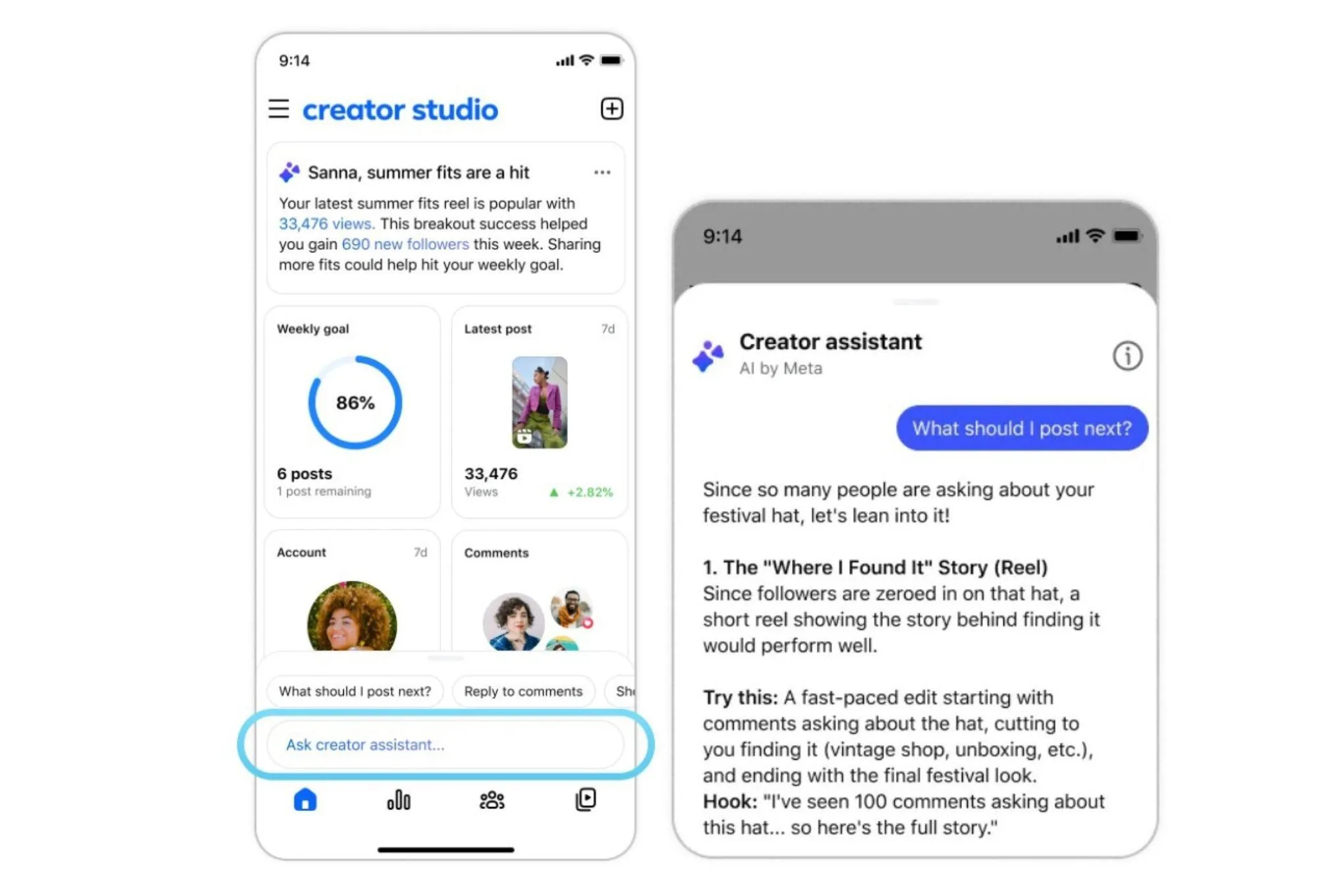
The original Creator Studio was shut down in 2023. Now it's back, rebuilt around an AI assistant that promises to grow your audience and reply to comments in your voice.
Sarah Williams · 26 Jun · 5 min
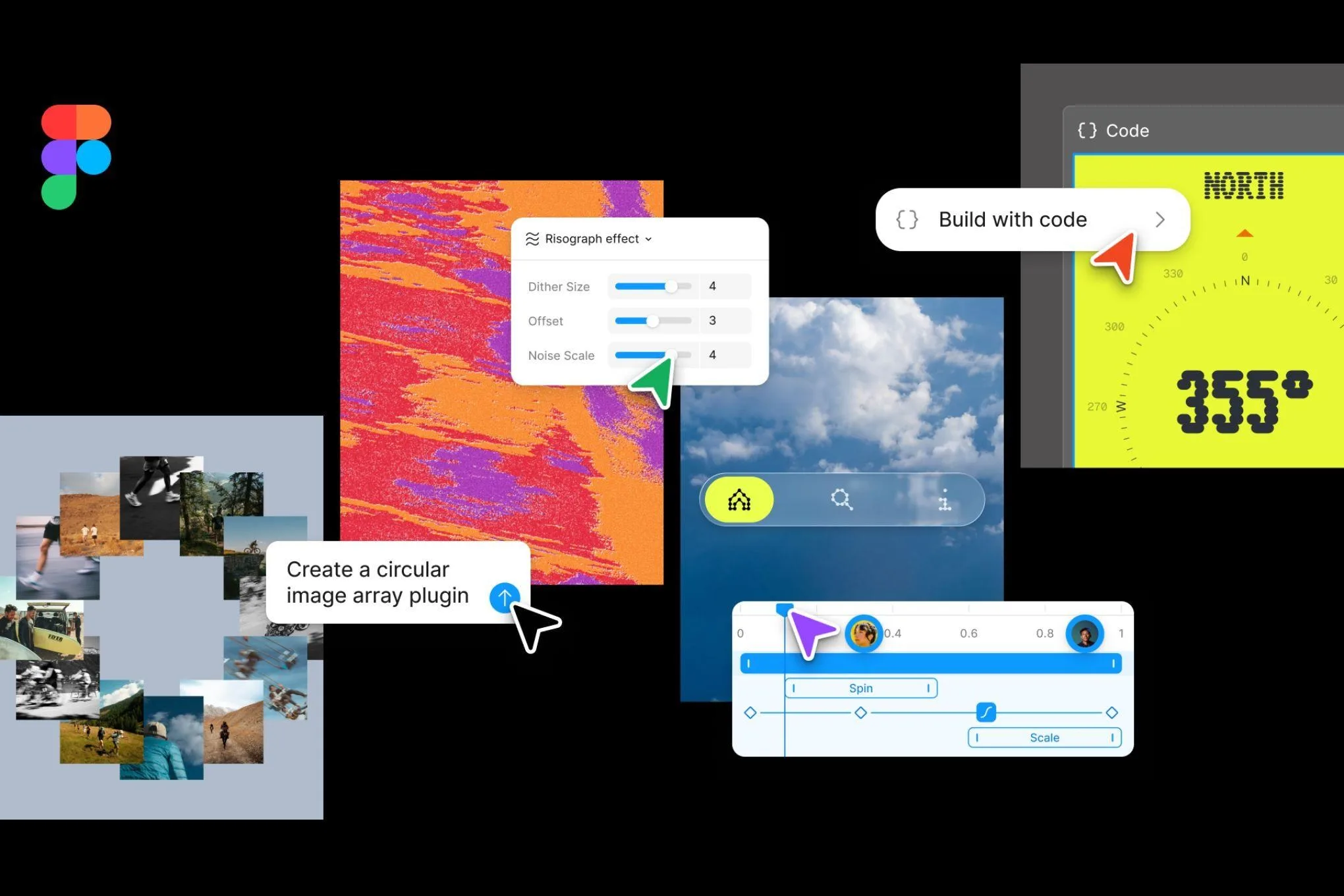
At its annual Config conference, Figma announced coding layers, AI-generated motion graphics, and a reimagined canvas that blurs the line between design and full-stack development.
Sarah Williams · 26 Jun · 5 min
Everyone talks about chips and models. The memory bottleneck is the part of the AI buildout that keeps getting underestimated, and Micron's latest earnings make that case hard to ignore.
Why ROI is so hard to pin down in this space
From my time in hardware, I've seen this pattern before. New manufacturing technology arrives, procurement teams get excited, capital gets deployed, and then someone in operations has to answer for why throughput hasn't actually improved. The technology often works exactly as advertised. The integration doesn't. The workflow assumptions were wrong. The training was insufficient. The KPIs were never properly defined in the first place.
AI software is running into a version of the same problem, just faster and at higher cost per month. The token-based pricing model that most frontier AI providers use means costs scale directly with usage, which is a fundamentally different cost structure than buying a piece of capital equipment or even a traditional software license. When you buy an industrial robot arm, you know your depreciation schedule. When you're paying per million tokens, your monthly bill is a function of how enthusiastically your employees are using the tool, which is genuinely difficult to forecast.
The tokenmaxxing trend essentially asked companies to maximize that usage variable without first establishing what "good" looked like in terms of output. That's an ambitious strategy, and the results suggest it was a bit optimistic.
What the ROI reckoning actually looks like in practice
The companies that seem to be navigating this better share a few characteristics. They started with narrow, measurable use cases rather than broad "AI transformation" mandates. They defined success metrics before deployment, not after. And they treated AI tools the way you'd treat any other capital investment: with a clear hypothesis about what problem it solves and how you'll know if it's working.
That sounds obvious. It apparently wasn't.
The companies that are struggling tend to have deployed AI tools widely and enthusiastically, accumulated significant spend, and are now in the uncomfortable position of trying to reverse-engineer a justification for the cost. Some of that spend will turn out to be justified once the analysis is done properly. Some of it won't. It's too early to say what the aggregate picture looks like across the industry, partly because most companies aren't publishing their internal numbers and partly because the tools themselves are still changing rapidly enough that a deployment from six months ago may not reflect what the same tool can do today.
The IPO question and what it signals
Luck has also been thinking about the AI IPO pipeline, which is relevant context here. If enterprises are struggling to demonstrate ROI on their AI spend, that creates a complicated backdrop for AI companies looking to go public. Investors in public markets are going to want to see evidence that enterprise customers are renewing, expanding, and building workflows that are genuinely sticky, not just running pilots that never convert to committed spend.
I've seen enough spec sheets to know that a product that performs well in a controlled evaluation doesn't always survive contact with a real production environment. The same principle applies to AI software. Pilot programs are relatively easy to make look good. Multi-year enterprise contracts with expanding usage and documented productivity gains are a different thing entirely.
The personal agents category that Luck flagged as an area of interest is worth watching separately. Consumer-facing AI agents that handle scheduling, research, and task execution are a different market with different economics than enterprise software. The ROI question is simpler at the individual level (did this save me time, yes or no) and the cost is low enough that users will experiment freely. Whether that translates into a durable business at scale remains unclear.
What this means for industrial and operational buyers specifically
For the industrial automation audience that reads this publication, the tokenmaxxing story is instructive even if your AI spend looks nothing like a software company's. The underlying failure mode is the same: deploying technology ahead of a clear value framework, then scrambling to justify the cost after the fact.
The specific metrics that matter in an industrial context are well-defined. Cycle time. Defect rate. Throughput per shift. Energy consumption per unit. If an AI-assisted system isn't moving one of those numbers in a measurable direction, that's useful information. It means either the tool isn't the right fit, the integration needs work, or the problem being solved isn't actually the bottleneck.
Look, the honest answer is that AI is genuinely useful for a real set of industrial applications, particularly in quality inspection, predictive maintenance, and process optimization where you have dense sensor data and a clear outcome to optimize for. It's less obviously useful when the application is vague and the success criteria are soft.
The ROI reckoning happening in enterprise software right now is, in a way, a useful correction. It's pushing companies to be more disciplined about what they're actually buying and why. That discipline is good for the market long-term, even if the short-term effect is some painful budget conversations and a few embarrassing headlines about companies that spent too much too fast.
The companies that come out of this period with a clear understanding of where AI creates measurable value for their specific operations will be in a strong position. The ones that were tokenmaxxing for the sake of it are going to have a harder time explaining the line items. This is based on a relatively limited public data set, it's worth noting, since most enterprise AI spend data isn't disclosed. But the directional picture from the cases that have surfaced is consistent enough to take seriously.