Blockchain Infrastructure Moves Beyond Crypto Trading: What It Means for Robotics Data Systems
Franklin Templeton and Fireblocks are pushing blockchain into enterprise operations, which raises interesting questions about whether robotics could benefit from similar infrastructure.
Crédito da imagem: Image via Source article. Used under fair use for news commentary. · source
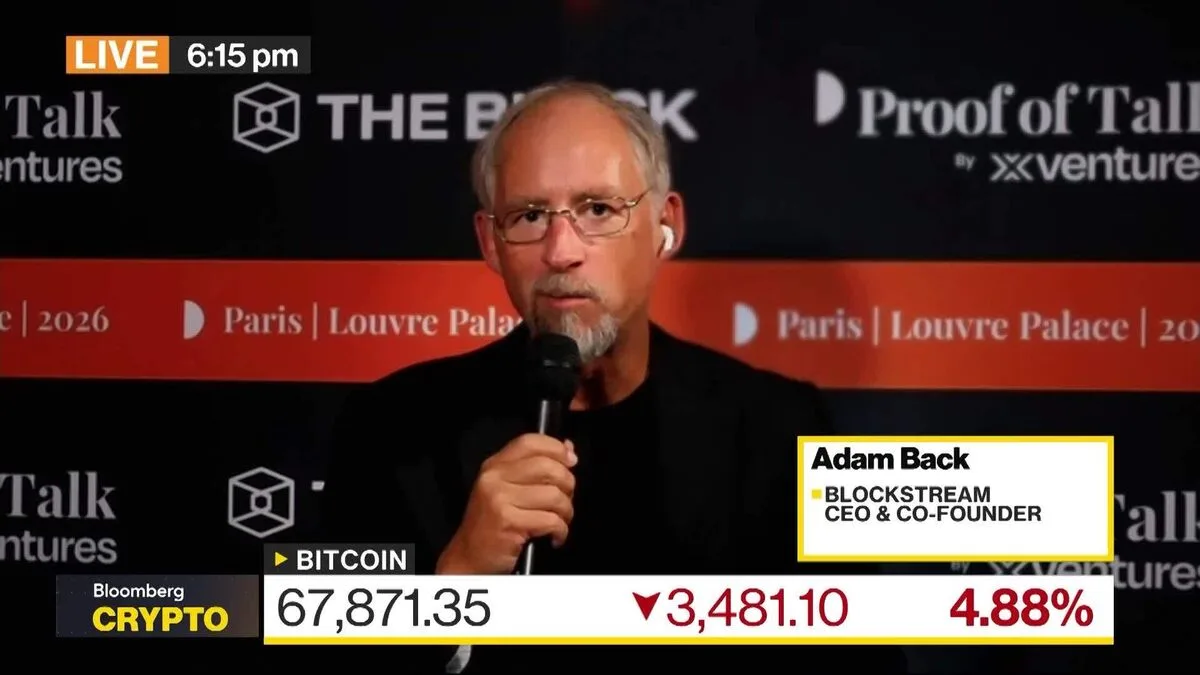
A CEO sits across from Bloomberg anchors, explaining that her company is moving more business functions onto blockchain technology. This isn't a crypto startup pitch from 2021. It's Jenny Johnson, running Franklin Templeton, a firm managing over $1.5 trillion in assets. The conversation, part of Bloomberg Crypto's coverage from Money 20/20 in Amsterdam, signals something that robotics researchers should probably pay attention to, even if the connection isn't immediately obvious.
The enterprise blockchain push is accelerating. Franklin Templeton's move to put more operational functions on-chain represents a shift from blockchain-as-speculation to blockchain-as-infrastructure. Johnson and Adam Back, co-founder and CEO of Blockstream, discussed institutional demand for crypto alongside the practical applications of distributed ledger technology. Meanwhile, at the same conference, Fireblocks launched Fireblocks Flow, a product aimed at payment infrastructure rather than trading.
To be precise, what we're seeing isn't about Bitcoin prices or cryptocurrency speculation. It's about whether distributed, cryptographically verified systems can handle enterprise-scale operations. Bloomberg covered multiple announcements this week that suggest major financial institutions believe the answer is yes.
Why should robotics researchers care? The connection requires some explanation, and I know I'm being picky here, but the parallel is worth drawing out carefully. Robotics systems, particularly multi-agent systems and distributed robot fleets, face a fundamental challenge: how do you maintain consistent, verifiable state across many autonomous units operating in different environments?
Cobertura relacionada
More in AI Models
Chipmakers swung wildly this week, from a Tuesday 'chip-wreck' to a Micron-led surge after hours. What's actually going on with AI's hardware backbone?
Sarah Williams · 26 Jun · 5 min
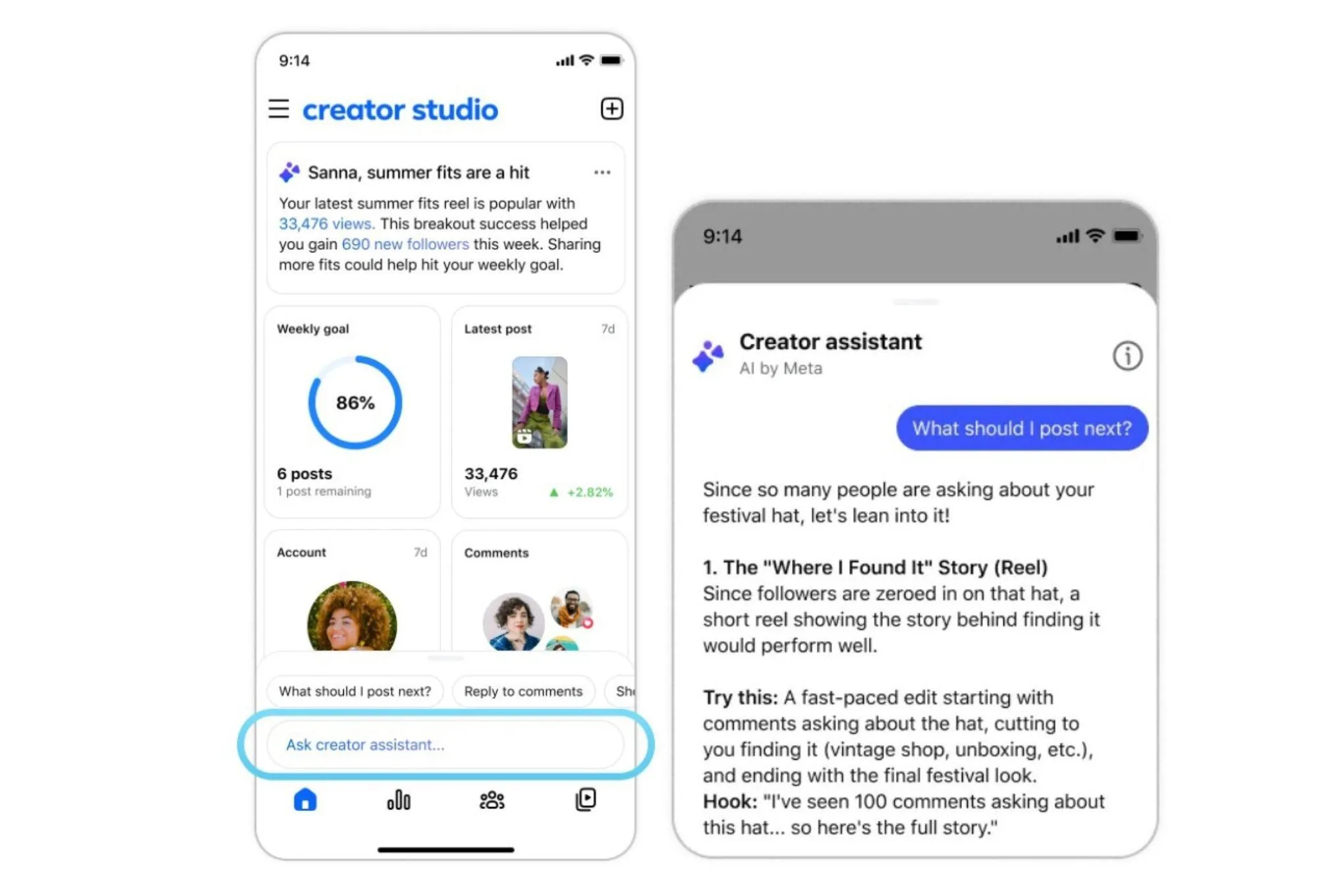
The original Creator Studio was shut down in 2023. Now it's back, rebuilt around an AI assistant that promises to grow your audience and reply to comments in your voice.
Sarah Williams · 26 Jun · 5 min
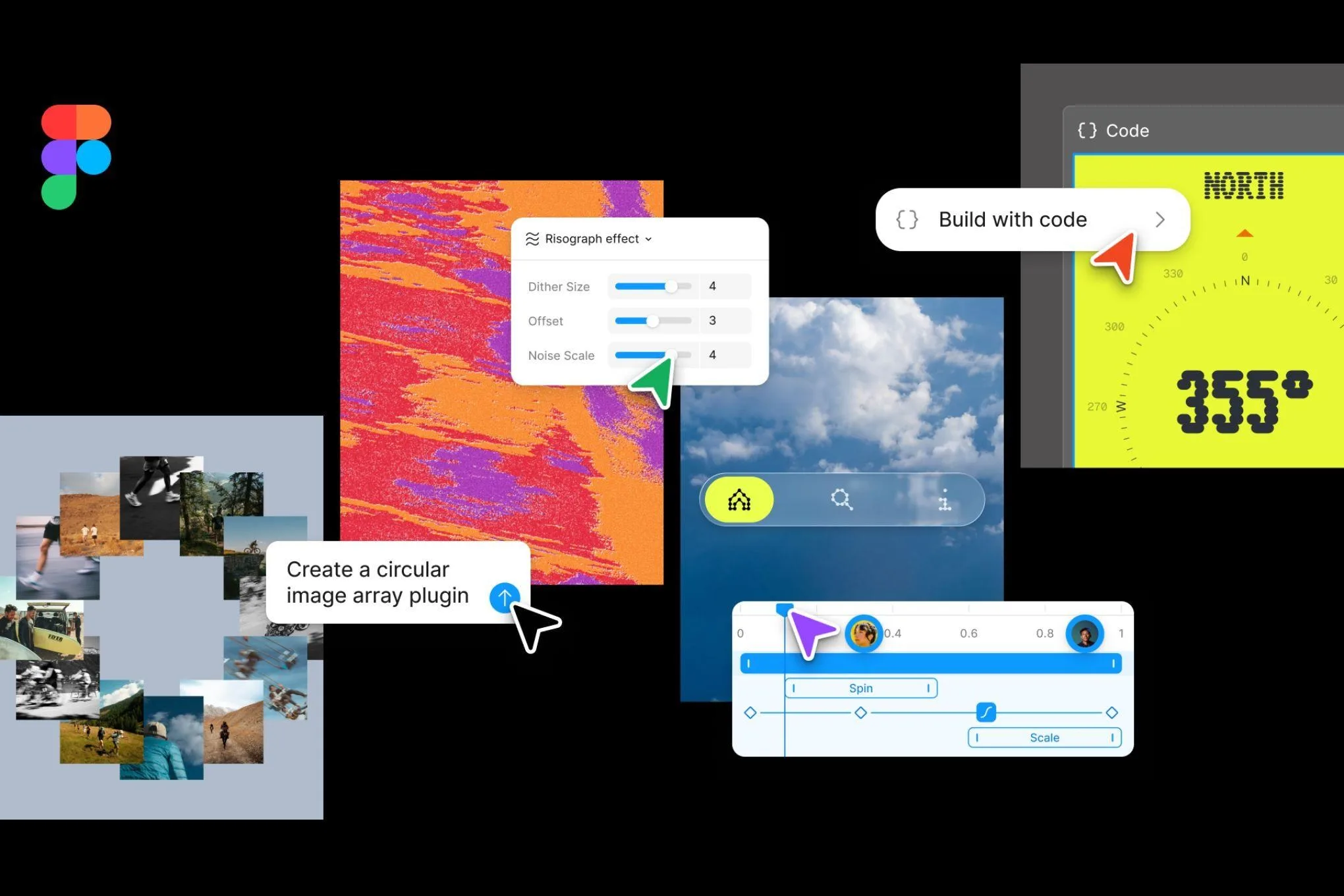
At its annual Config conference, Figma announced coding layers, AI-generated motion graphics, and a reimagined canvas that blurs the line between design and full-stack development.
Sarah Williams · 26 Jun · 5 min
Everyone talks about chips and models. The memory bottleneck is the part of the AI buildout that keeps getting underestimated, and Micron's latest earnings make that case hard to ignore.
Consider a warehouse with 200 mobile robots from three different manufacturers. Each robot makes decisions based on local sensor data, but the system needs global coordination. Current approaches typically rely on centralized servers, which creates single points of failure. The research shows that distributed consensus mechanisms, the same underlying technology that makes blockchain work, could theoretically provide more robust coordination.
This hasn't been replicated in production robotics environments at scale, I should note. Most of the work remains theoretical or limited to simulation. But the infrastructure developments happening in finance suggest the underlying technology is maturing faster than academic robotics has accounted for.
The Fireblocks Flow launch is instructive. Michael Shaulov, CEO of Fireblocks, presented what amounts to infrastructure for moving value at enterprise scale. The company has processed over $6 trillion in digital asset transactions (their figure, which I haven't independently verified). What's genuinely new about Flow, at least according to the announcement, is its focus on payment operations rather than trading.
For robotics, the relevant insight isn't about payments. It's about what happens when you build infrastructure for high-frequency, high-stakes transactions that must be verifiable and reversible. Robot fleets coordinating in real-time face similar constraints: actions must be logged, verified, and sometimes rolled back. The sample size of companies actually deploying blockchain for robotics coordination is small, basically a handful of research projects and one or two startups I'm aware of, but the financial sector is essentially stress-testing the underlying infrastructure.
Adam Back's appearance raised a different point. Back, who is frequently (and incorrectly) identified as Bitcoin's creator, discussed the challenge of proving a negative. "Hard to prove negative," as he put it. This epistemological aside might seem irrelevant, but it touches on something robotics researchers deal with constantly: verification and attribution in autonomous systems.
When a robot makes a decision that causes harm, proving what the system "didn't know" or "couldn't have predicted" is genuinely difficult. The cryptographic verification systems underlying blockchain were designed precisely to create auditable trails of decisions and state changes. Whether this translates to robotics remains unclear, and it's too early to say whether the overhead is worth the benefit. But the financial sector's investment in solving these problems creates infrastructure that could, in principle, be repurposed.
What's incremental versus what's new. I want to be careful here. The idea of using distributed ledger technology for robotics isn't new. There were papers on this in 2018 and 2019, mostly focused on supply chain verification for robot-manufactured goods. The MIT Media Lab had a project on blockchain-verified robot actions around that time. Most of it went nowhere, partly because the infrastructure was too slow and expensive.
What's changed is the infrastructure layer. Franklin Templeton isn't experimenting with blockchain because it's novel. They're doing it because the technology has matured enough to handle actual business operations. The throughput and cost improvements over the past three years have been substantial, though specific figures vary depending on which chain you're measuring.
Open questions remain. The robotics applications I'm describing are speculative. No major robotics company has announced blockchain integration for fleet coordination, and the academic literature on this remains thin. I only found two recent papers specifically addressing distributed consensus for multi-robot systems using blockchain-adjacent technology, and both were simulations with fewer than 50 agents.
The energy consumption concerns that plagued earlier blockchain systems have been partially addressed by proof-of-stake mechanisms, but whether these provide sufficient security guarantees for safety-critical robotics applications is, well, multiple things need to be resolved there.
What I'd want to see next. Someone needs to run actual experiments with physical robots using these infrastructure layers. The financial sector is providing a proof of concept for enterprise-scale distributed consensus, but robotics has different latency requirements and failure modes. A warehouse robot that waits 500 milliseconds for consensus verification might collide with something. A financial transaction that takes 500 milliseconds is considered fast.
The gap between what Franklin Templeton is doing and what a robot fleet would need isn't trivial. But the direction of travel in enterprise infrastructure is worth watching. If blockchain-based systems become the default for high-stakes enterprise operations, the pressure to integrate robotics into those systems will increase. Whether that's good for robotics, or just adds complexity without benefit, remains an open question.
For now, the Money 20/20 announcements are primarily relevant to fintech. But the infrastructure being built has potential applications beyond its original purpose. Robotics researchers who dismiss blockchain as irrelevant speculation might want to look again at what the enterprise deployments actually involve. It's not about cryptocurrency anymore. It's about distributed systems that can verify state at scale, which is something robotics will eventually need to solve.