Crédito da imagem: Image via Source article. Used under fair use for news commentary. · source
Remember when Apple was the company that cared about whether your photos were, you know, actually photos?
I've been thinking about this since WWDC 2026, where Apple rolled out a suite of AI editing tools that let you reshape reality with a few taps. Object removal, scene generation, the works. And honestly, I keep coming back to something Craig Federighi said two years ago when they launched Clean Up, their Magic Eraser competitor. He talked about how important it was to be careful here, to not distort our perceptions of the world.
Here's what struck me watching the WWDC presentation: Apple still calls these "photos." Not "AI-generated images" or "edited compositions" or whatever euphemism you'd expect from a company that used to agonize over this stuff. Just photos. The Verge pointed out something that made me do a double-take: Apple's feature showcase didn't flag which images were real and which were created with their new AI tools.
I initially thought this was just sloppy presentation design. But after reading more about the announcement, I think it might be the point. Apple seems to be betting that users don't actually want to know the difference. Or maybe they're betting that the difference doesn't matter anymore.
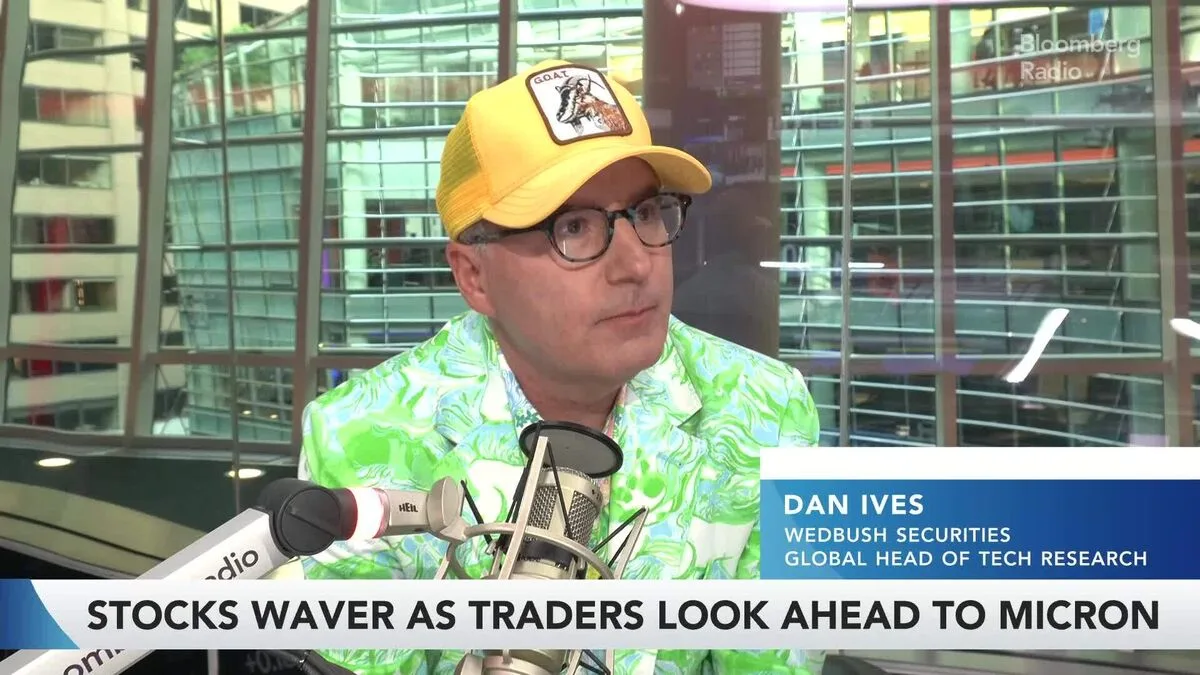
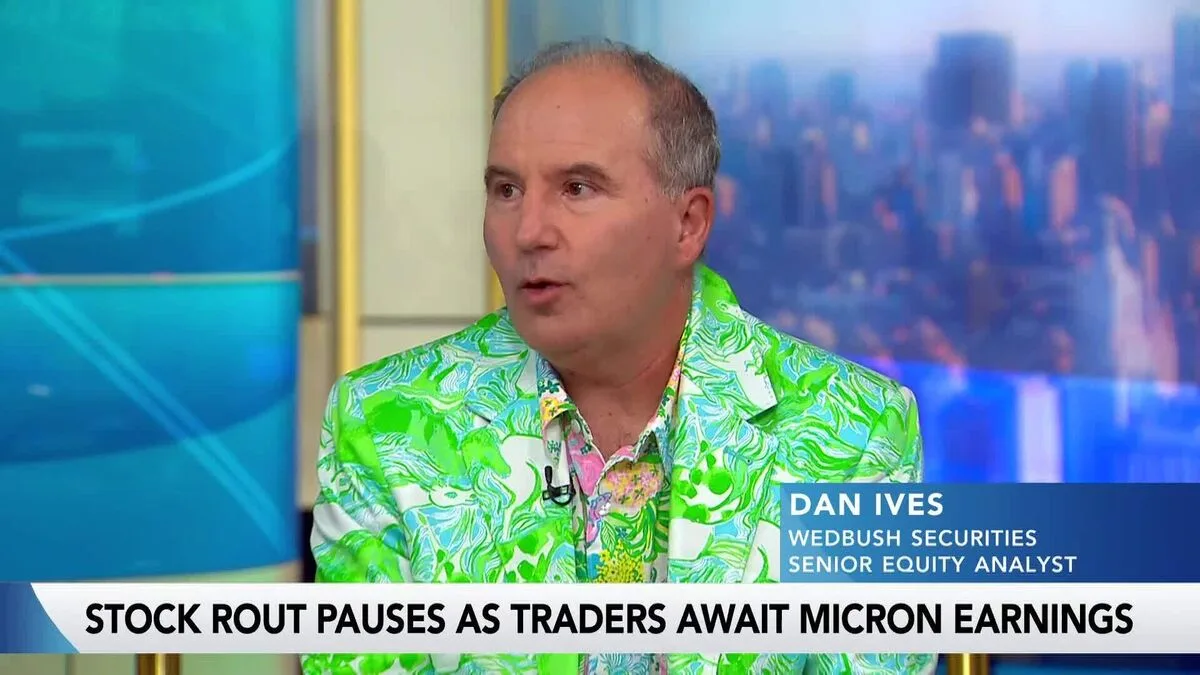
Chipmakers swung wildly this week, from a Tuesday 'chip-wreck' to a Micron-led surge after hours. What's actually going on with AI's hardware backbone?
Sarah Williams · 26 Jun · 5 min
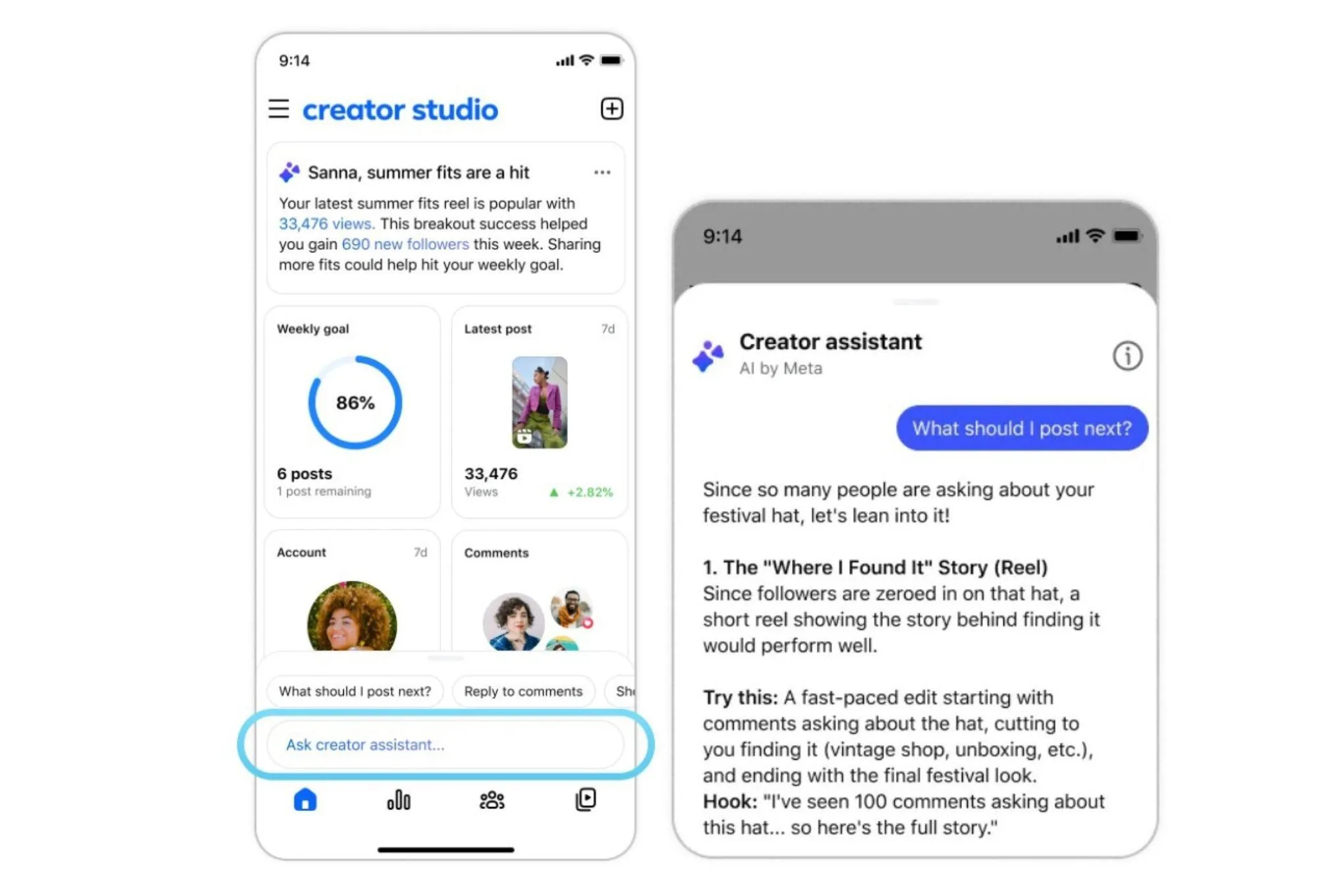
The original Creator Studio was shut down in 2023. Now it's back, rebuilt around an AI assistant that promises to grow your audience and reply to comments in your voice.
Sarah Williams · 26 Jun · 5 min
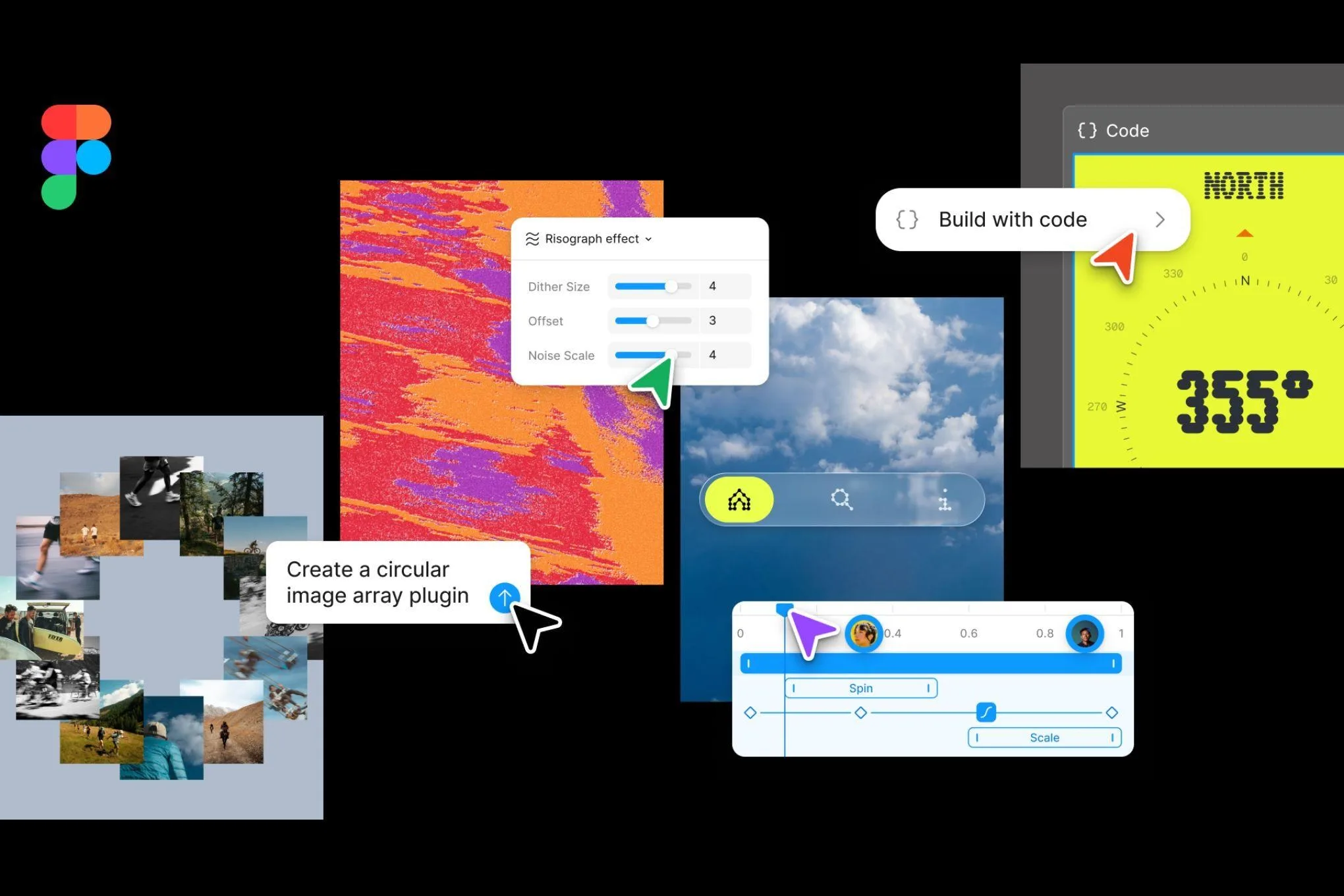
At its annual Config conference, Figma announced coding layers, AI-generated motion graphics, and a reimagined canvas that blurs the line between design and full-stack development.
Sarah Williams · 26 Jun · 5 min
Everyone talks about chips and models. The memory bottleneck is the part of the AI buildout that keeps getting underestimated, and Micron's latest earnings make that case hard to ignore.
TechCrunch reported that Image Playground, Apple's AI image generator, is getting a significant overhaul. The headline says it all: "Apple's Image Playground doesn't suck anymore." Which, fair. The original version was pretty limited, clearly designed to be safe rather than capable.
But here's the thing. Apple's caution with Image Playground always felt like it came from a genuine place. They seemed worried about deepfakes, about misinformation, about what happens when everyone can generate photorealistic images of anything. Now they're racing to catch up with Google and others who never had those qualms.
You might be wondering: isn't this just Apple responding to market pressure? Probably. Their AI features have lagged behind competitors, and users have noticed. But there's a difference between adding capabilities and abandoning the philosophical stance that made you hesitant in the first place.
Let me be precise about what Apple announced. The new tools include:
Enhanced object removal that works on complex scenes
AI-powered scene extension (basically, generate more "photo" around your actual photo)
Style transfer that maintains what Apple calls "photographic integrity"
Real-time editing suggestions powered by on-device models
The technical execution looks impressive. Apple's always been good at making complex features feel simple. But I keep getting stuck on that phrase: "photographic integrity." What does that even mean when the tool's whole purpose is to add things that weren't there?
I should know this better, but I couldn't find any clear definition from Apple about where they draw the line now. Is removing a trash can from the background okay but adding a person isn't? Is extending a sunset fine but generating a whole new sky not? The company didn't disclose their guidelines, if they have any.
Okay, you might be thinking: Sarah, you cover humanoids and embodied AI. Why do you care about photo editing?
Here's why. The same foundation models that power these image tools are increasingly being adapted for robotics. The ability to understand and generate visual scenes, to know what "should" be in a space, to fill in gaps in perception. These capabilities matter for robots navigating the real world.
And if we're training those systems on a corpus of images where the line between real and synthetic is deliberately blurred, that feels like it matters. I'm not sure exactly how yet. It's too early to say whether this creates real problems for embodied AI systems. But the question nags at me.
A small thought experiment. Imagine a home robot that uses visual memory to navigate. It "remembers" where furniture is, what rooms look like. Now imagine its training data includes millions of photos where objects have been removed, scenes extended, reality casually edited. Does that affect its understanding of physical space? Honestly, I don't know. But I'd like to see someone study it.
I want to be fair to Apple here. They're a company, not a philosophy department. Google's been doing aggressive AI photo editing for years. Samsung too. Users seem to love these features. The market spoke, and Apple listened.
But some argue that Apple's whole brand proposition is that they think about these things more carefully. That they're willing to be slower, more deliberate, more protective of user interests. Others counter that this was always marketing, that Apple's just as profit-driven as anyone else, and their caution was really about not having the technology ready.
I think the truth is somewhere in between, which is unsatisfying but probably accurate.
Here's what I keep coming back to. Two years isn't that long. The philosophical concerns Federighi raised about distorting reality haven't been resolved. They've just been... set aside. The risks of normalizing synthetic imagery haven't decreased. If anything, they've increased as the technology has improved.
So either Apple decided those concerns were overblown, or they decided the competitive pressure outweighed them, or (and this is the cynical read) they never really believed it in the first place and were just buying time.
I don't have a clean conclusion here. I'm genuinely uncertain about whether this matters as much as my gut says it does. Maybe photos were always edited, always curated, always partial truths. Maybe AI just makes explicit what was always implicit.
But I think about my niece, who's seven, who will grow up in a world where "photo" means something fundamentally different than it meant to me. Where every image is potentially synthetic, and there's no reliable way to know. And I wonder if we'll look back at this moment, at WWDC 2026, as the point where even the careful companies gave up on the distinction.
Or maybe I'm overthinking it. It's just photo editing, right?