Amazon's AI Search Images: A Solution Looking for a Problem
The retail giant wants to show you AI-generated pictures of products that don't exist. I'm not sure who asked for this.
Crédito da imagem: Image via Source article. Used under fair use for news commentary. · source
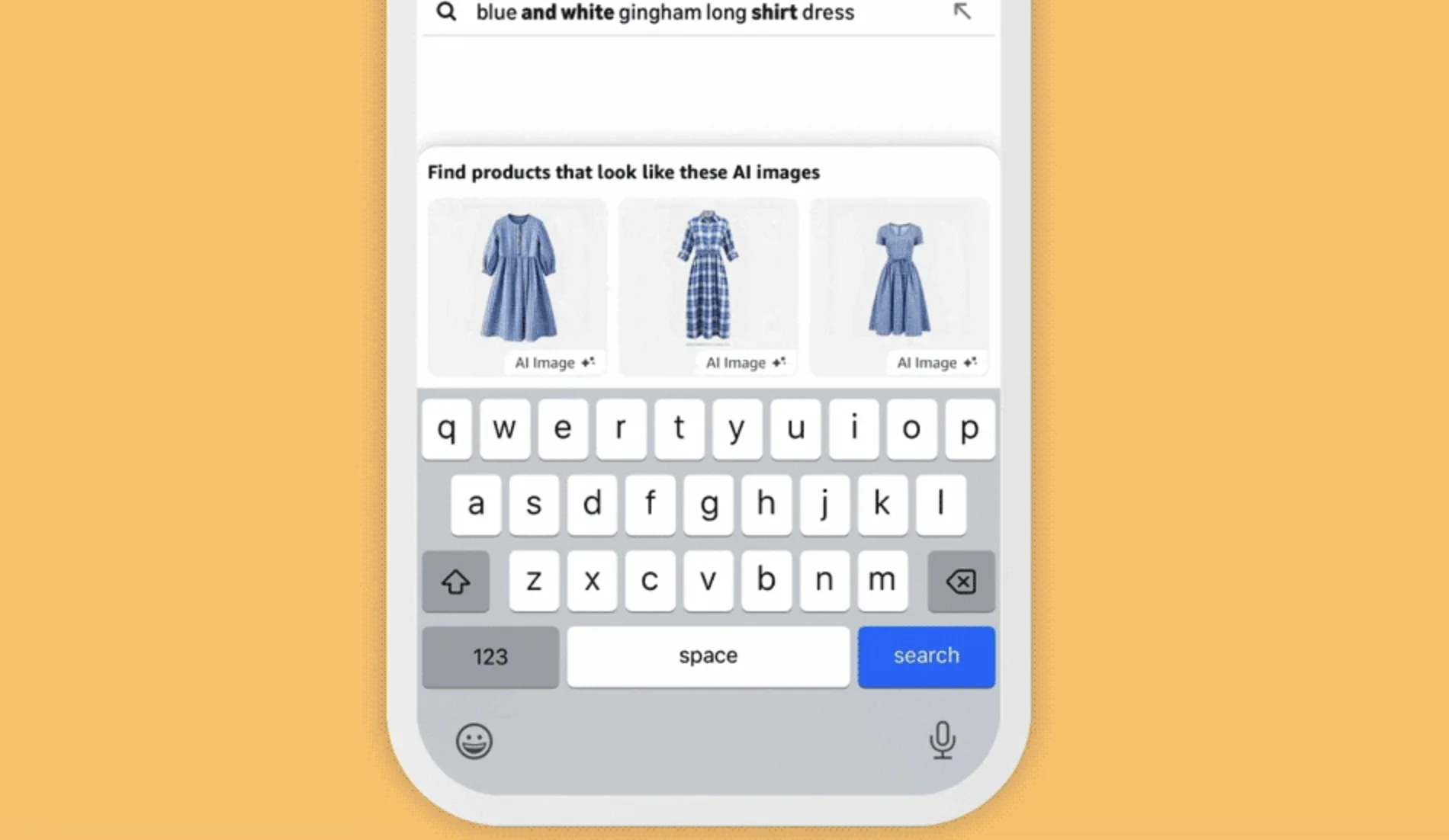
Picture this: you're searching for a shirt on Amazon, and instead of showing you actual shirts you can buy, the app generates a fake image of a shirt that doesn't exist. Then you tap on that imaginary shirt to find real ones that look similar.
I'll be honest, I read this twice to make sure I understood it correctly.
Amazon announced this week that its mobile app will now show AI-generated product images in the search bar as you type. According to TechCrunch, the feature is meant to "help guide users to products." The Verge reports it's currently limited to clothing and home goods.
The Stated Use Case
Amazon's example goes like this: say you want a "shirt with a draped collar" but can't remember the term "cowl neck." You describe what you want, the AI generates an image of it, and you use that to find the real thing.
Look, I've been in industrial automation for decades. I've seen plenty of solutions that were technically impressive but practically unnecessary. This feels like one of them.
When I was at Kuka, we had a running joke about features that existed because an engineer could build them, not because a customer needed them. We called them "demo day specials." They looked great in presentations. Nobody used them in production.
What Problem Is This Solving?
Cobertura relacionada
More in AI Models
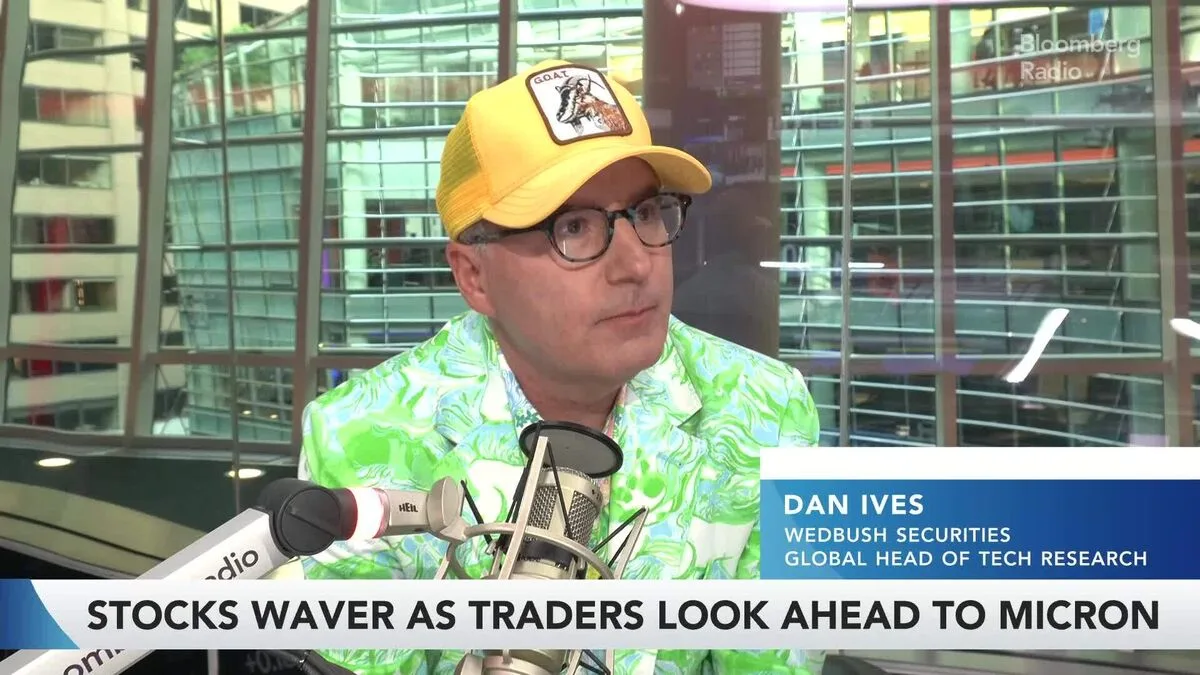
Chipmakers swung wildly this week, from a Tuesday 'chip-wreck' to a Micron-led surge after hours. What's actually going on with AI's hardware backbone?
Sarah Williams · 26 Jun · 5 min
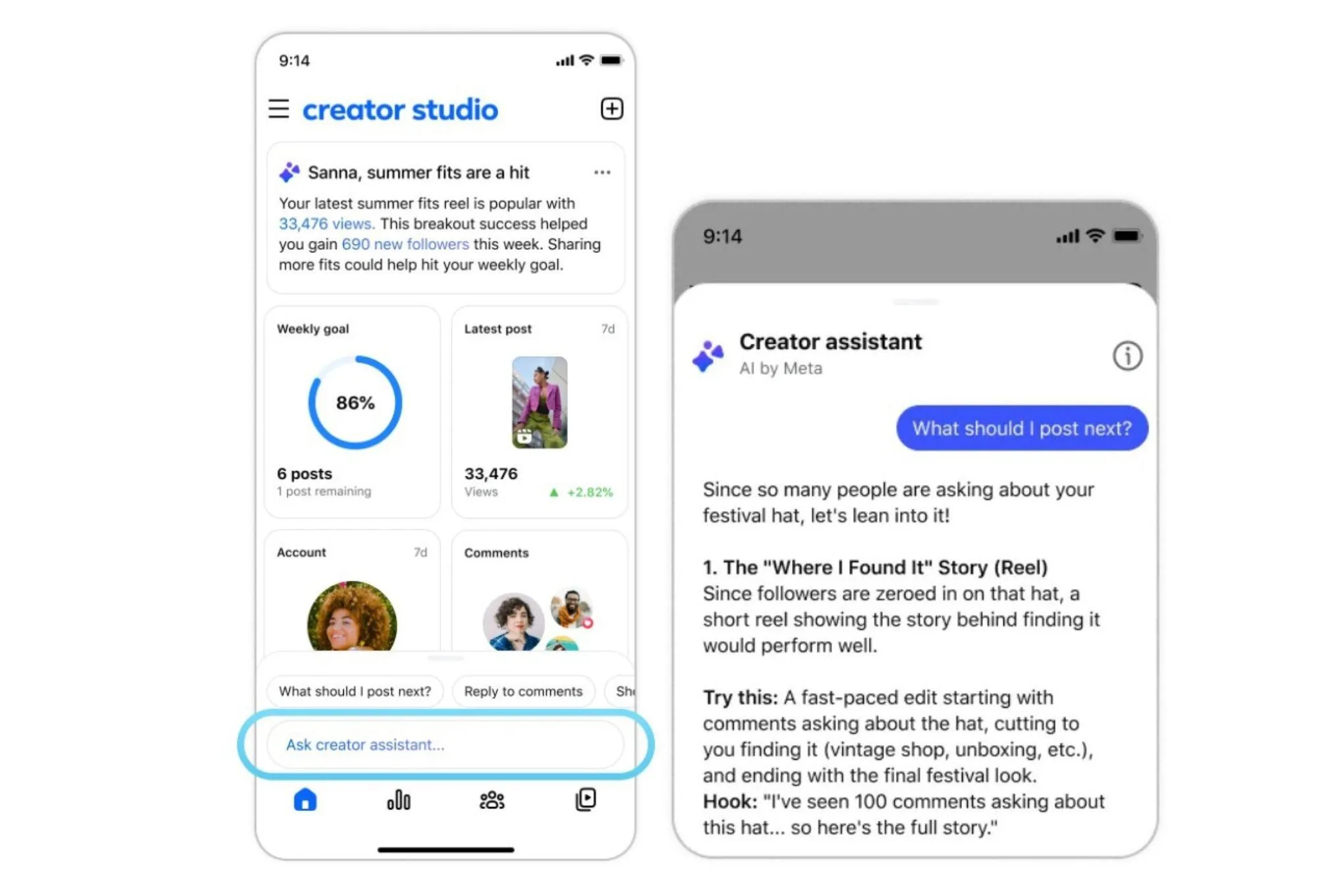
The original Creator Studio was shut down in 2023. Now it's back, rebuilt around an AI assistant that promises to grow your audience and reply to comments in your voice.
Sarah Williams · 26 Jun · 5 min
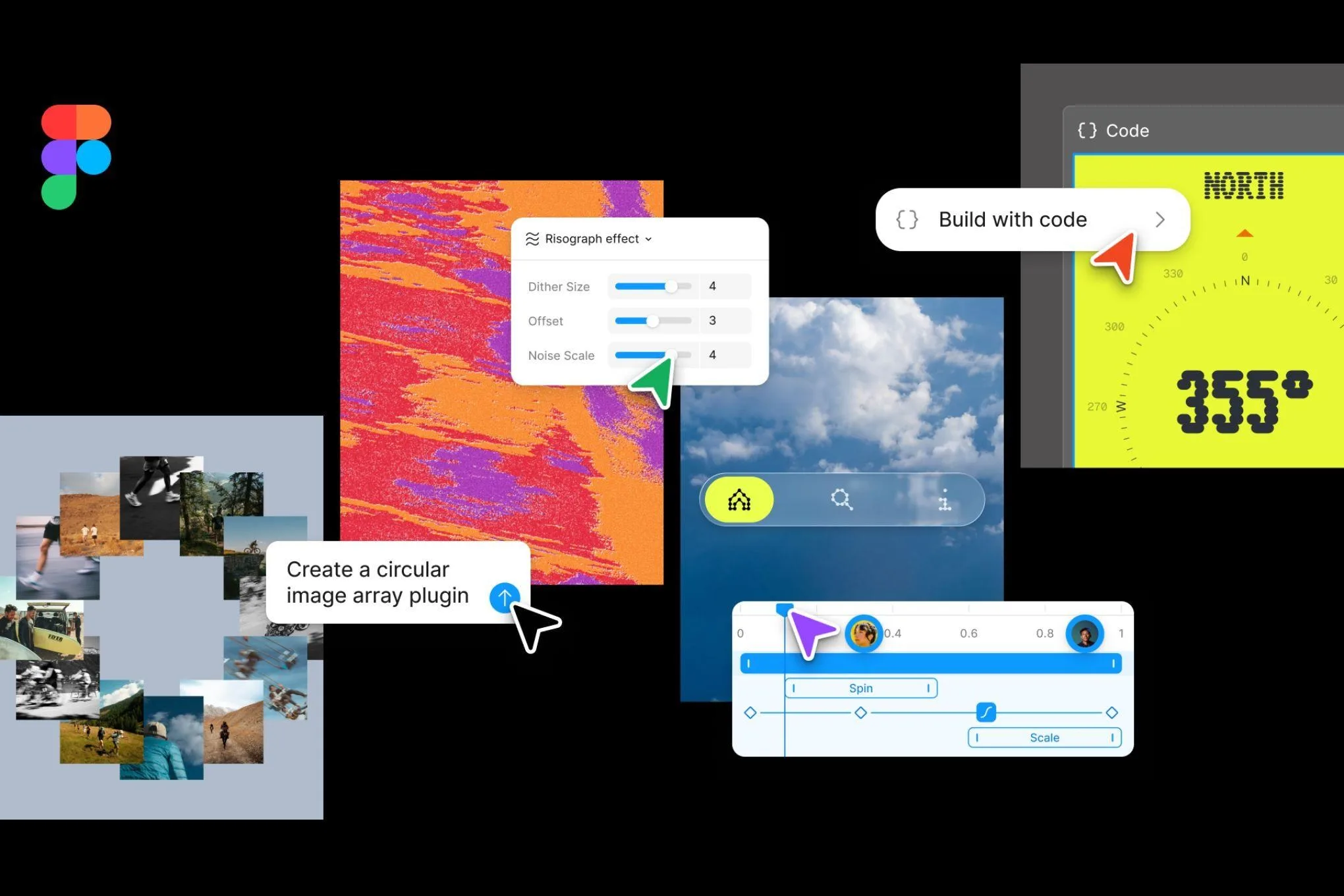
At its annual Config conference, Figma announced coding layers, AI-generated motion graphics, and a reimagined canvas that blurs the line between design and full-stack development.
Sarah Williams · 26 Jun · 5 min
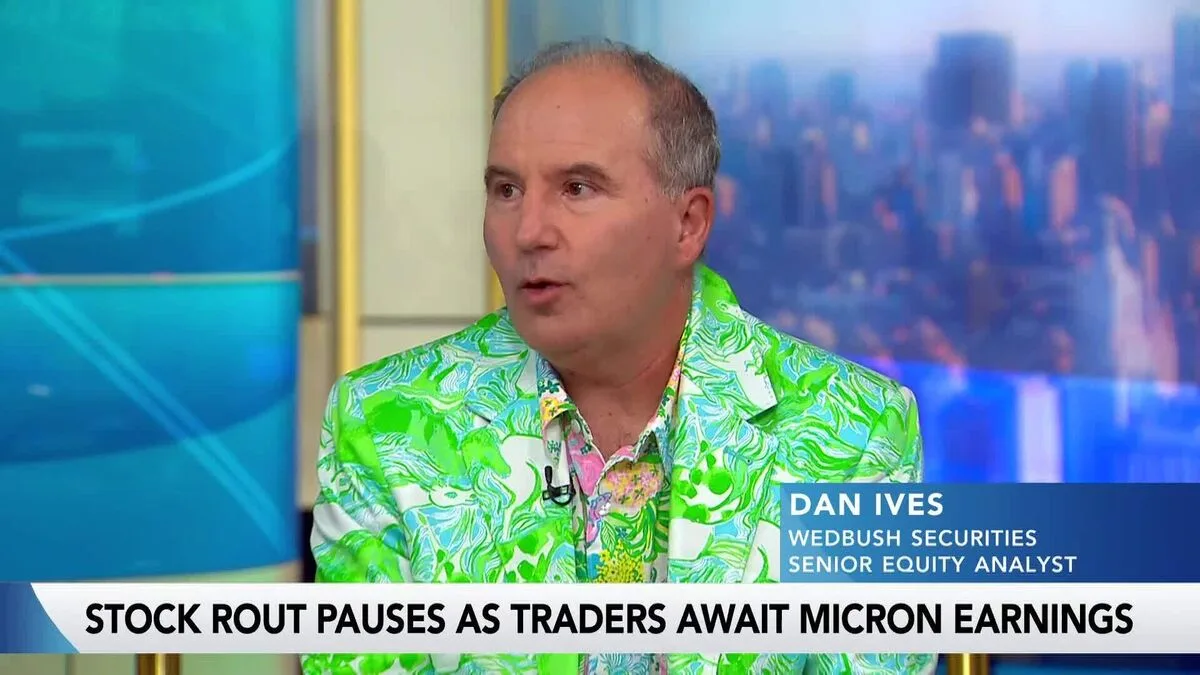
Everyone talks about chips and models. The memory bottleneck is the part of the AI buildout that keeps getting underestimated, and Micron's latest earnings make that case hard to ignore.