Crédito da imagem: Image via Source article. Used under fair use for news commentary. · source
$80 billion. That's how much Alphabet just raised in equity, according to Bloomberg. I had to read that number twice. For context, that's roughly the entire annual GDP of Kenya, or about four times what the entire robotics industry raised globally last year.
You might be wondering why a story about Alphabet's capital raise belongs in a robotics publication. Honestly, I think it's one of the most important signals we've seen this year for where embodied AI is headed. Let me explain my thinking.
Alphabet isn't just a search company anymore. Between DeepMind's robotics research, Waymo's autonomous vehicles, and Intrinsic (their industrial robotics arm that spun out of X), they've quietly built one of the most comprehensive robotics portfolios in tech. When a company with those ambitions raises $80 billion, it changes the competitive landscape for everyone else trying to build robots.
I initially thought this was mainly about AI infrastructure, cloud computing, maybe some defensive moves against Microsoft's OpenAI partnership. But after digging into what Alphabet's actually been doing in robotics over the past 18 months, I'm not so sure that's the whole story. DeepMind's RT-2 and subsequent models have been pushing hard on general-purpose robot learning. Waymo is expanding to new cities faster than most people realize. Intrinsic has been unusually quiet, which in my experience usually means they're building something.
The timing matters too. This raise comes the same week that Bloomberg reported on SpaceX's IPO terms, which suggests we're entering a phase where the biggest tech and space companies are all repositioning their capital structures simultaneously. Patrick Armstrong from Plurimi discussed this on , though the conversation focused more on tariff implications than robotics specifically.
Cobertura relacionada
More in AI Models
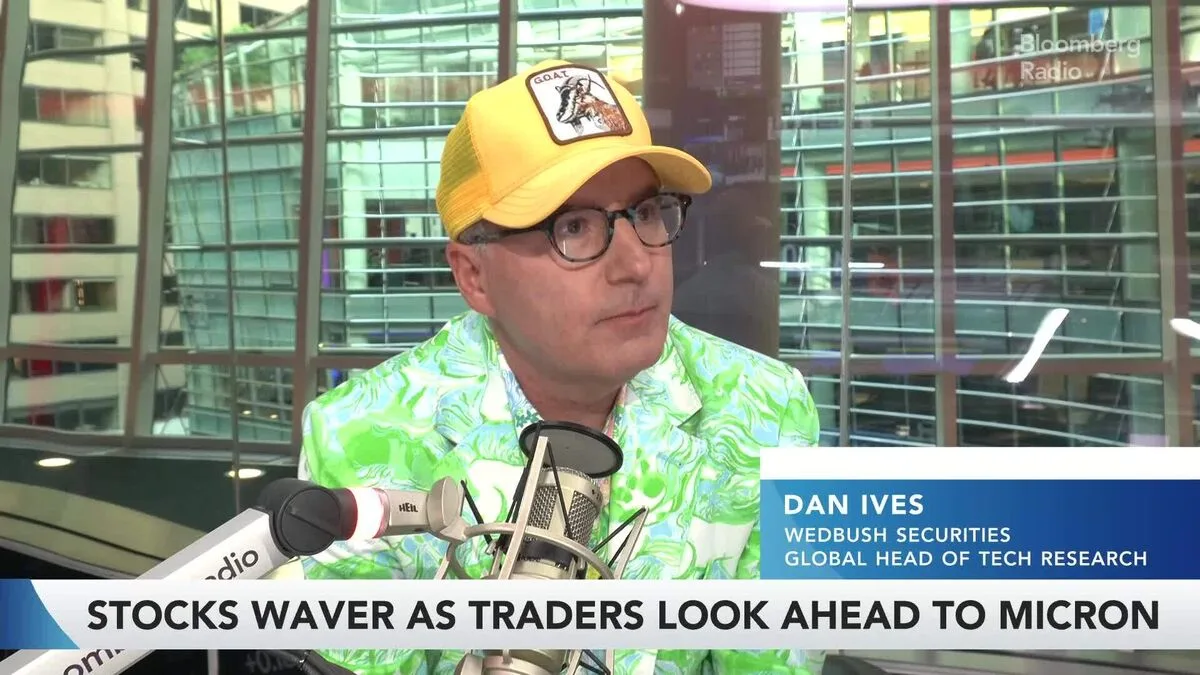
Chipmakers swung wildly this week, from a Tuesday 'chip-wreck' to a Micron-led surge after hours. What's actually going on with AI's hardware backbone?
Sarah Williams · 26 Jun · 5 min
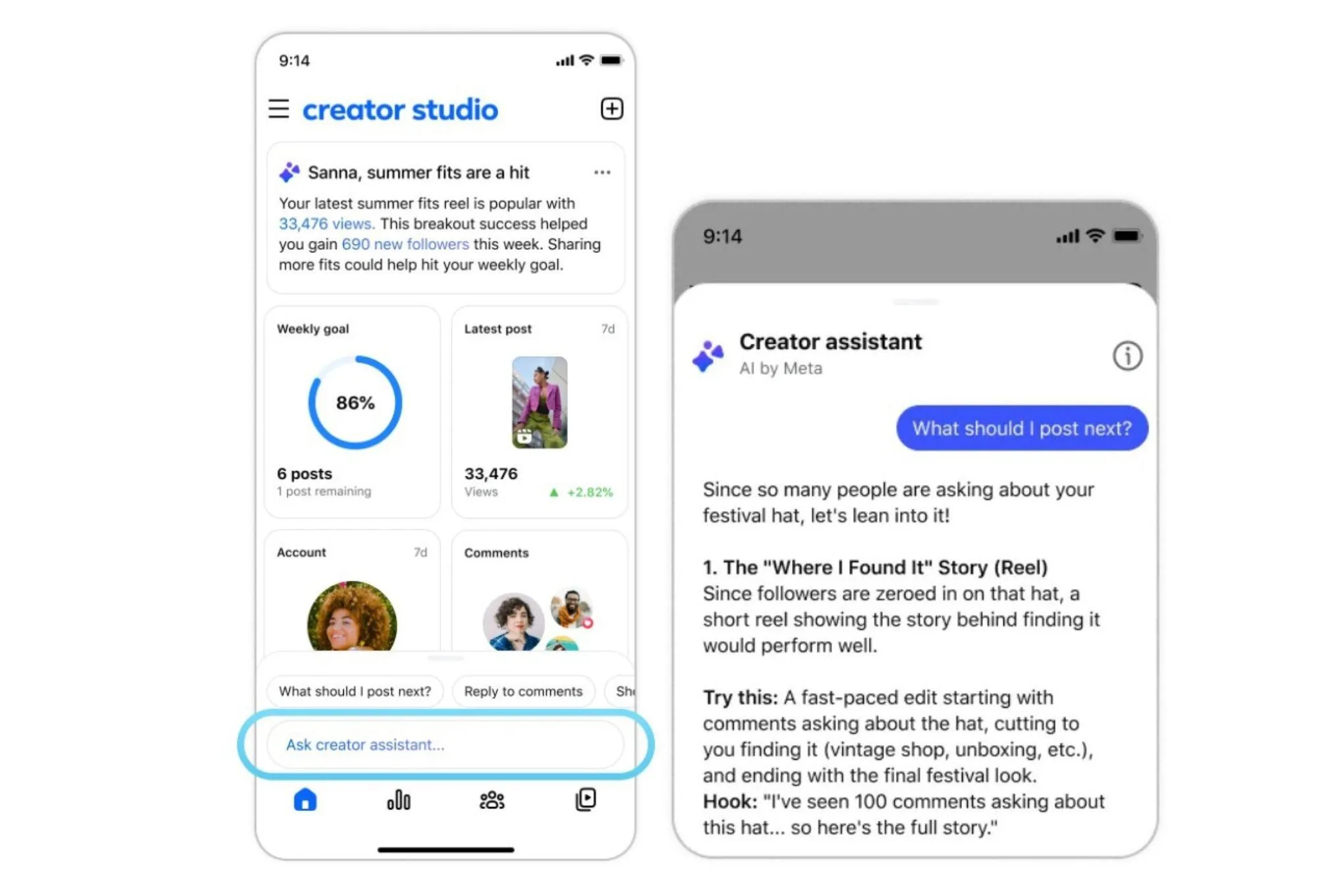
The original Creator Studio was shut down in 2023. Now it's back, rebuilt around an AI assistant that promises to grow your audience and reply to comments in your voice.
Sarah Williams · 26 Jun · 5 min
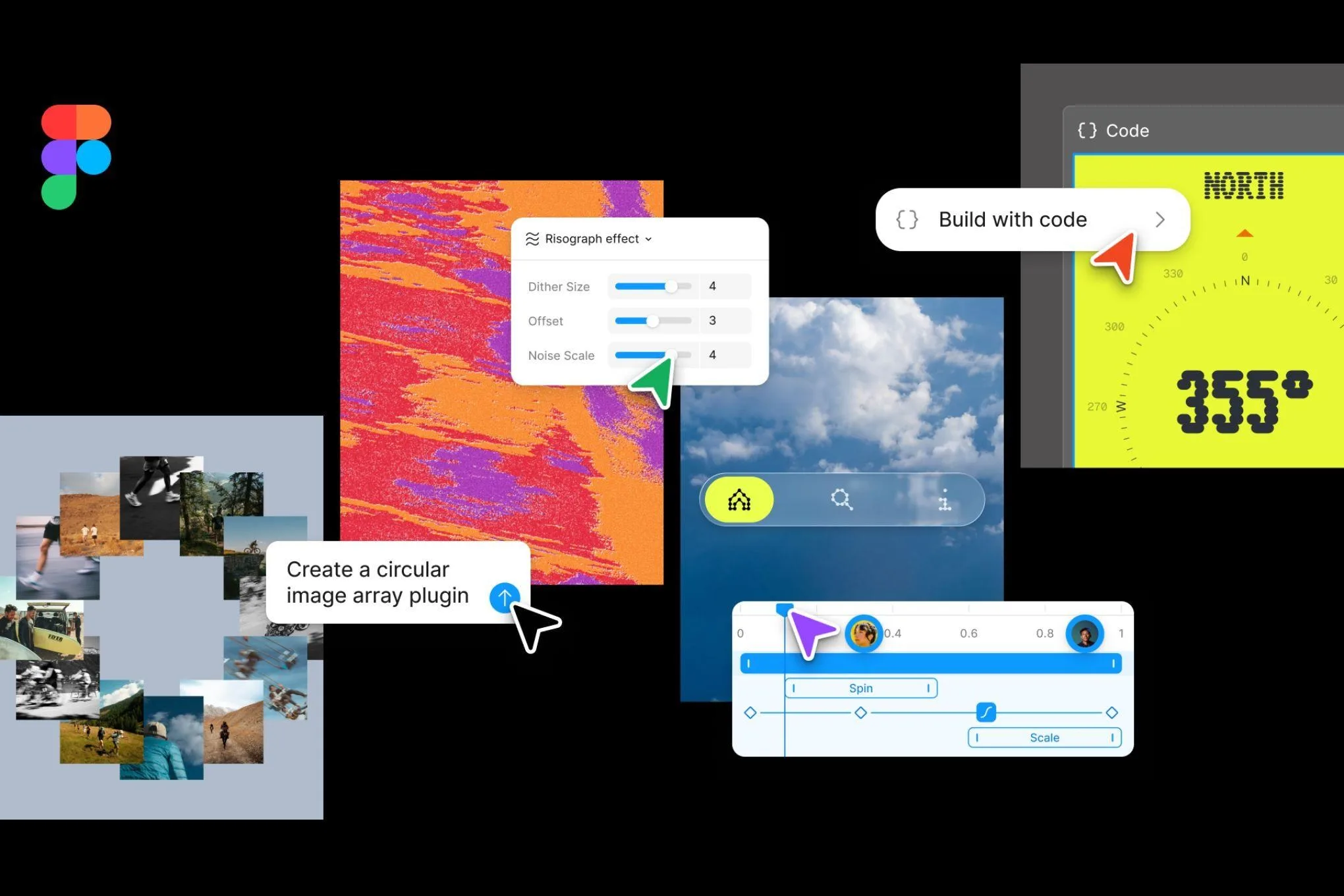
At its annual Config conference, Figma announced coding layers, AI-generated motion graphics, and a reimagined canvas that blurs the line between design and full-stack development.
Sarah Williams · 26 Jun · 5 min
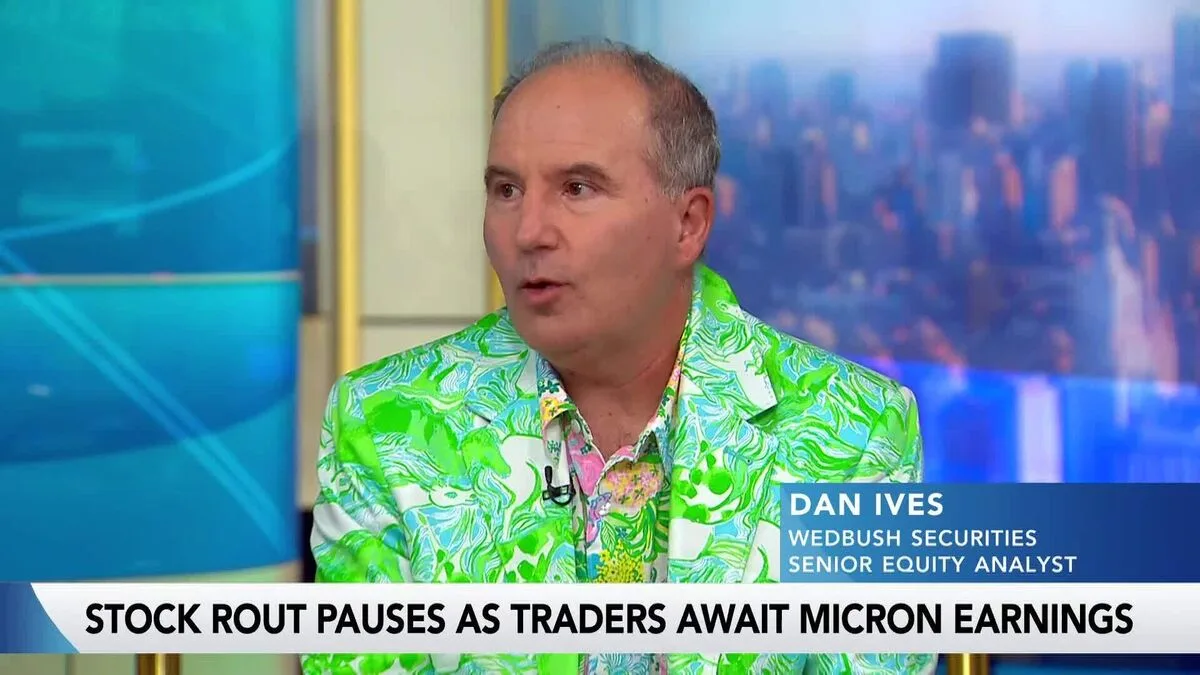
Everyone talks about chips and models. The memory bottleneck is the part of the AI buildout that keeps getting underestimated, and Micron's latest earnings make that case hard to ignore.
Here's what concerns me about capital concentration at this scale. When one company can raise $80 billion in a single transaction, it creates a gravitational pull that affects the entire ecosystem. The best robotics researchers, the most promising startups, the critical supply chain relationships, they all start orbiting around whoever has the most resources. I've talked to founders who've told me (off the record, unfortunately) that competing for talent against Alphabet and OpenAI has become nearly impossible unless you can offer equity that might plausibly be worth something comparable.
That said, I should be careful not to overstate this. We don't actually know how much of that $80 billion will flow into robotics versus other priorities. Alphabet hasn't disclosed specific allocation plans, and honestly, they probably haven't fully decided themselves. Companies at this scale often raise opportunistically when market conditions are favorable, then figure out deployment later.
There's also a counterargument I keep coming back to. Maybe concentrated capital is actually what robotics needs right now? The field has been fragmented for decades, with thousands of small companies building narrow solutions that don't interoperate. If Alphabet (or someone with similar resources) can actually build the foundation models and manufacturing infrastructure that everyone else can build on, that might accelerate the whole industry even if it makes things harder for independent players.
I'm genuinely uncertain which view is right. The history of technology suggests both outcomes are possible. IBM's dominance in mainframes eventually gave way to distributed computing. But Google's dominance in search has only strengthened over two decades. Robotics could go either way.
What I do know is that the economics of building humanoid robots and embodied AI systems are brutal. You need expertise in mechanical engineering, electrical engineering, computer science, and increasingly, foundation model training. You need manufacturing capability at scale. You need regulatory expertise in every market you want to enter. You need enough runway to survive the years (probably many years) before your robots are reliable enough to deploy commercially.
Most robotics startups I talk to are operating with maybe 18 to 24 months of runway. Alphabet just raised enough to fund their robotics ambitions for, well, basically forever. That asymmetry shapes everything.
The Amundi perspective shared during Bloomberg's coverage touched on something relevant here. John O'Toole discussed how institutional investors are thinking about concentration risk in technology portfolios. The implication is that even investors who want exposure to robotics and AI may end up concentrated in a handful of companies simply because those are the only ones with the scale to execute.
I've been trying to find comparable historical moments, and the closest I can come up with is probably the early days of the automobile industry. In the 1900s and 1910s, there were hundreds of car companies. By the 1930s, there were essentially three that mattered. The consolidation happened partly through competition but mostly through capital access. The companies that could afford to build assembly lines and dealer networks won. Everyone else became footnotes.
Are we watching the same thing happen in robotics? It's too early to say definitively. But the capital raises we're seeing, not just from Alphabet but from the whole cluster of well-funded players, suggest the consolidation phase might be starting.
For founders and researchers in the robotics space, I think this creates a strategic choice. You can try to compete directly, which requires either finding your own massive capital source or focusing on niches too small for the giants to care about. Or you can position yourself to be acquired or partnered with one of the big players, which might be the rational move but feels like giving up on something.
There's a third option that some people are pursuing: building open-source alternatives that can't be captured by any single company. The success of open-source in software suggests this might work, but robotics has physical components that are harder to commoditize. You can download Linux for free. You can't download a robot arm.
I don't have a clean conclusion here. Honestly, I'm still processing what an $80 billion raise means for a field I've been covering for years. What I can say is that the scale of capital flowing into AI and robotics has reached a level where the traditional startup playbook might not apply anymore. The rules are changing, and I'm not sure anyone, including the companies raising these massive rounds, fully understands what the new rules will be.
One thing I'll be watching: how Alphabet deploys this capital over the next 12 to 18 months. If they make major robotics acquisitions or announce significant manufacturing investments, that'll tell us this raise was partly about embodied AI. If the money mostly goes to data centers and cloud infrastructure, then maybe I'm reading too much into it.
Either way, $80 billion is a lot of money. And in a field where most companies are fighting for millions, that kind of asymmetry, well, it matters. I'm just not entirely sure how yet.