AI's Energy Use Is Huge, But Maybe Not the Crisis We Thought
New research suggests AI's climate impact is more localized than catastrophic, and I've got mixed feelings about that.
Crédito da imagem: Image via Science Daily — Robotics. Used under fair use for news commentary. · source
You know how everyone's been running around saying AI is going to boil the oceans? I've been skeptical. Not because I don't care about energy use (I spent years optimizing servo motor efficiency at Kuka, so believe me, I care), but because the numbers never quite added up the way the headlines suggested.
Turns out I wasn't entirely wrong. Science Daily reported on new research showing that while AI consumes roughly as much electricity as Iceland, its actual impact on global emissions is, well, pretty small. The researchers looked at U.S. economic data and AI usage across industries and found that at national and global scales, AI barely moves the needle.
Here's where it gets interesting though. The impact isn't nothing. It's just localized. If you're living near a data center in Virginia or Arizona, you're dealing with real consequences: grid strain, water usage for cooling, noise from those massive HVAC systems. I called my old colleague at Siemens last week, actually, he works on industrial cooling systems now, and he said the data center contracts have been keeping his team busier than they've ever been. So someone's feeling this.
But globally? The research suggests we might be worrying about the wrong thing. And this is where I'll be honest: I don't know how to feel about that.
On one level, it's good news. We've got enough real problems without manufacturing fake ones. When I was at Kuka, we had a saying: measure twice, panic never. If AI's energy footprint isn't the existential threat some folks claimed, great. We can focus our attention on sectors that actually are driving emissions at scale, like transportation, heavy industry, building heating.
Cobertura relacionada
More in AI Models
Chipmakers swung wildly this week, from a Tuesday 'chip-wreck' to a Micron-led surge after hours. What's actually going on with AI's hardware backbone?
Sarah Williams · 26 Jun · 5 min
The original Creator Studio was shut down in 2023. Now it's back, rebuilt around an AI assistant that promises to grow your audience and reply to comments in your voice.
Sarah Williams · 26 Jun · 5 min
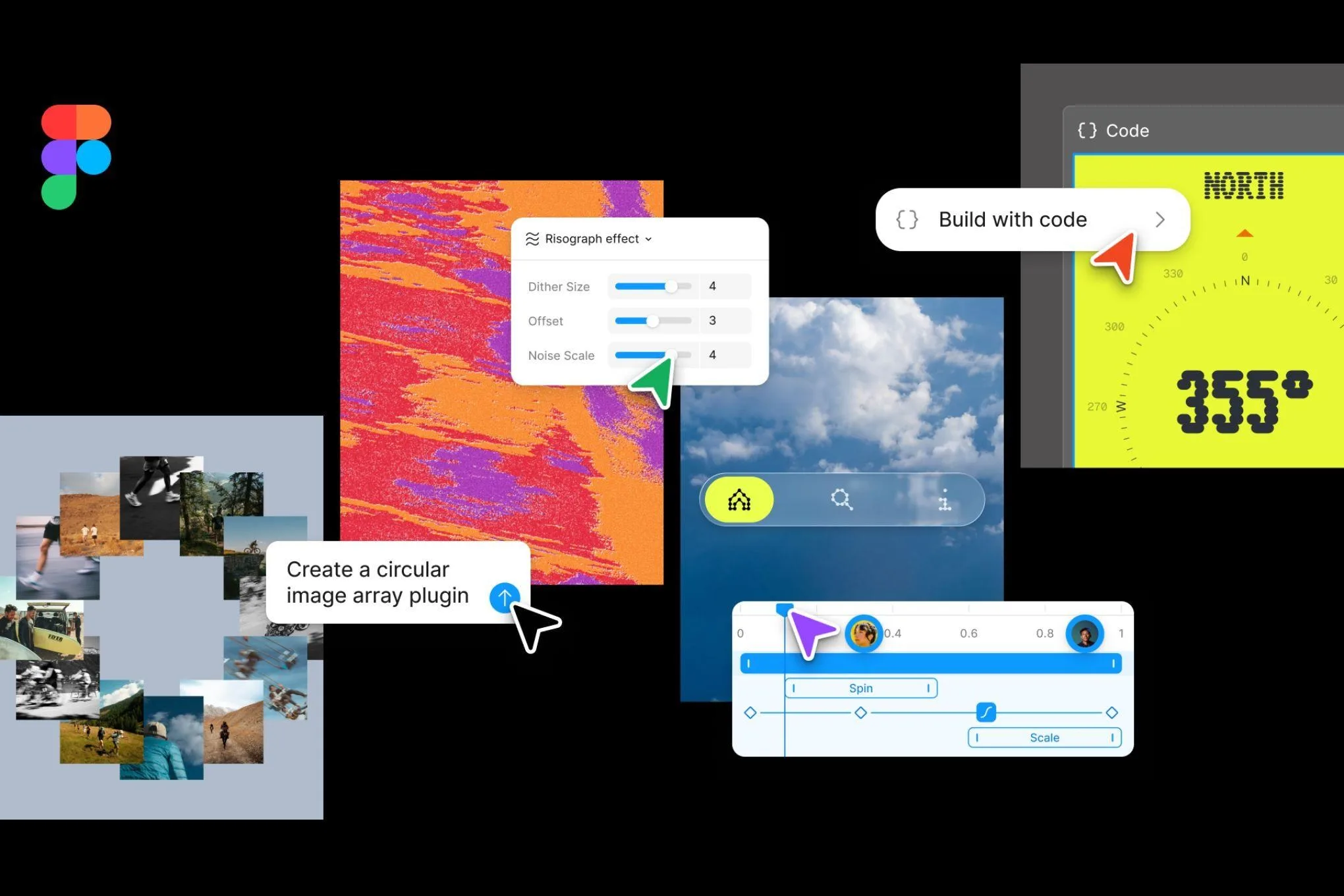
At its annual Config conference, Figma announced coding layers, AI-generated motion graphics, and a reimagined canvas that blurs the line between design and full-stack development.
Sarah Williams · 26 Jun · 5 min
Everyone talks about chips and models. The memory bottleneck is the part of the AI buildout that keeps getting underestimated, and Micron's latest earnings make that case hard to ignore.