Automation is going to fix the apparel supply chain. I've heard that one before.
I've covered enough tech cycles to know how this goes: a new wave of robotics investment arrives, the press releases talk about efficiency and safety improvements, and somewhere downstream, the people who were already getting squeezed get squeezed harder. The self-driving car hype cycle promised to revolutionize logistics. E-commerce automation was going to make warehouses safer. And now we're watching industrial robotics push deeper into garment manufacturing and fulfillment, at exactly the moment when the human workers in those supply chains are already in a bad spot.
Let me be direct about what I think is happening here, and then you can tell me I'm wrong.
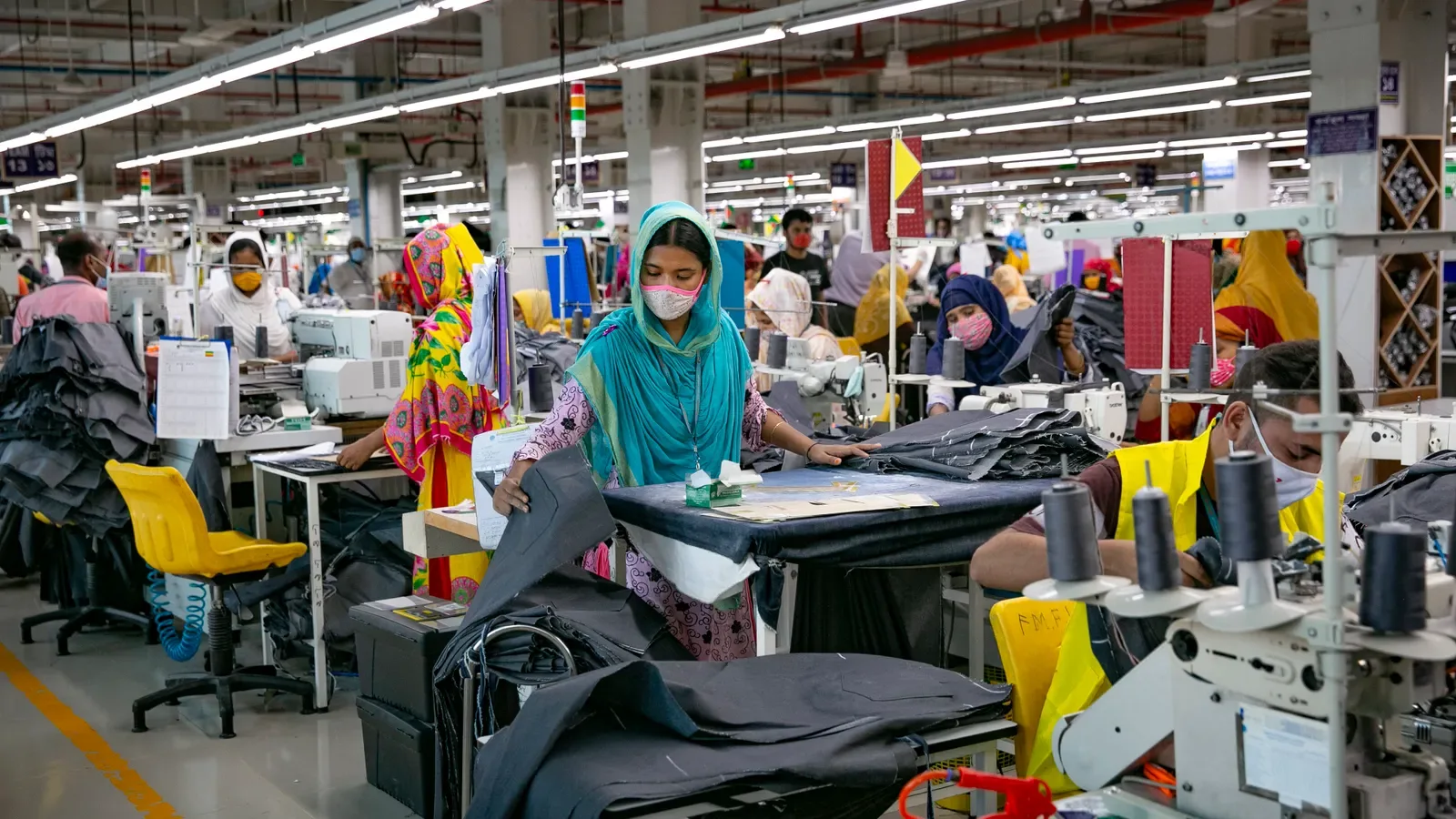
A recent report from nonprofits Clean Clothes Campaign and Public Eye, covered by Supply Chain Dive, lays out something that should give the robotics industry some pause. Despite years of inflation, the actual consumer price of basic apparel, your T-shirts, your basics, has stayed remarkably low. That sounds like good news. It isn't, not for the people making the shirts.
The pressure to keep prices down gets passed along the chain. Brands squeeze suppliers, suppliers squeeze workers, and workers absorb the cost in the form of lower wages and deteriorating safety conditions. The report documents this pattern across multiple sourcing countries, and while I'll be honest that I only found two source documents on this specific study and the underlying methodology isn't fully public, the directional finding isn't surprising to anyone who's watched this industry for more than five minutes.
Now layer in automation. Robotics investment in apparel-adjacent logistics, think sorting, fulfillment, last-mile, has accelerated meaningfully over the past three years. The big players in warehouse automation are actively marketing to apparel brands and their logistics partners. The pitch is always the same: reduce labor costs, increase throughput, improve consistency.
Reduce labor costs. That's the part that matters here.
When brands are already extracting cost savings from human workers in supplier countries, and simultaneously investing in automation to reduce their dependence on human labor in fulfillment and logistics, you have two forces moving in the same direction. The workers at the bottom of the chain have fewer options, less leverage, and no seat at the table where these investment decisions get made.
Here's where some of my colleagues would write a careful paragraph about how automation also creates jobs, and how productivity gains can theoretically benefit everyone, and how it's complicated. And look, it is complicated. But I've seen this movie before, and the theoretical benefits have a way of not showing up for the people who need them most.
The honest answer is that we don't know yet how this specific automation wave will play out for garment supply chain workers. The research on automation's labor impacts is genuinely mixed, and the apparel sector has its own weird dynamics around global sourcing, fast fashion cycles, and brand concentration that make simple predictions hard. It's too early to say whether the current robotics push will accelerate displacement in ways that compound the wage and safety problems the Clean Clothes Campaign report identifies, or whether it'll mostly affect workers in higher-wage markets while leaving lower-cost sourcing regions relatively untouched for now.
But here's what I do think is clear: the robotics industry, as it markets aggressively into apparel and retail logistics, is not having this conversation. The case studies are about throughput rates and error reduction and return-on-investment timelines. The human cost accounting stops at the facility where the robots get installed.
That's a problem, and it's also, sort of, a strategic mistake for an industry that's going to need public trust to keep scaling.
I've watched the AV industry spend a decade learning this lesson the hard way. When you don't engage seriously with the displacement question, you don't make it go away, you just let your critics define the terms of the debate. The robotics companies pushing into supply chain automation are going to face the same reckoning eventually. Better to get ahead of it.
The policy picture here is genuinely murky. There's no coherent international framework for how automation investment interacts with labor standards in global supply chains. The brands sourcing from low-wage countries operate in a regulatory environment that's fragmented at best, and the robotics companies selling equipment to those brands are even further removed from accountability.
Some argue that transparency requirements, mandatory supply chain disclosure, extended producer responsibility, could create pressure on brands to account for the downstream labor effects of their sourcing and automation decisions. Others counter that without binding enforcement mechanisms, disclosure requirements just produce more sustainability reports that nobody reads. Both camps have a point, and the honest answer is that the policy tools that exist right now are not well-matched to the speed at which this technology is moving.
What I'd like to see, and call me old-fashioned, is the robotics industry proactively engaging with labor researchers and supply chain advocates before the regulatory pressure arrives rather than after. The technology isn't inherently the villain here. Automation can genuinely improve working conditions when it's deployed thoughtfully and when the productivity gains get shared rather than just extracted. There are examples of that happening. They're just not the dominant pattern right now.
The Clean Clothes Campaign and Public Eye report is specifically about T-shirt pricing and its effects on supplier workers, which is a narrow slice of a much bigger picture, and I want to be clear that drawing a straight line from that finding to broad claims about robotics and labor would be overreaching. This is based on limited data about one product category, and the causal mechanisms between brand pricing decisions, supplier conditions, and automation investment are genuinely complex.
But the directional concern is real. The apparel supply chain is already a place where cost pressure produces bad outcomes for workers. Automation is accelerating into that environment. And the people making the automation investment decisions are not, as far as I can tell, spending a lot of time thinking about what that combination means for the people at the bottom of the chain.
Maybe they should start. If you want to argue about it, my email's on the about page.