The Piece Picking Problem Is Still Hard, and That's Actually Good News
While everyone's chasing humanoids, the unsexy work of grabbing individual items from bins is where the real warehouse automation progress is happening.
画像クレジット: Image via The Robot Report. Used under fair use for news commentary. · source
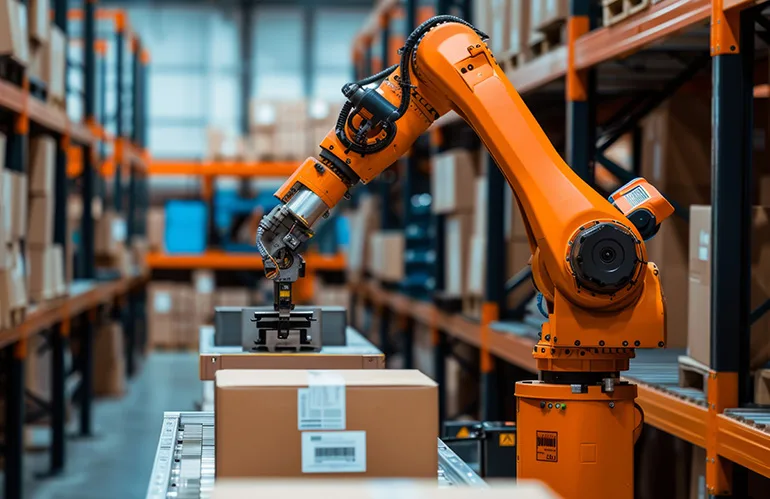
Most of the robotics coverage this week is about humanoids doing backflips or whatever, but I want to talk about something that actually matters to the people who run warehouses: piece picking. You know, the tedious work of grabbing individual items out of bins and putting them somewhere else. It's not glamorous. It doesn't make for good TikTok videos. But it's where the rubber meets the road for warehouse automation, and we're finally seeing real progress after years of overpromising.
I've been covering tech long enough to remember when "lights out" manufacturing was supposed to be just around the corner. That was the 90s. Then autonomous vehicles were going to replace every trucker by 2020. We all saw how that went. So when I see companies like Locus Robotics, Nomagic, and RightHand Robotics still grinding away on the piece picking problem in 2025, I'm actually encouraged. These are the folks doing the boring, incremental work that eventually adds up to something real.
The Robot Report and Mobile Robot Guide are both highlighting an upcoming webinar featuring these three companies, and while webinar announcements aren't usually newsworthy, the fact that we're still talking about "advances" in piece picking tells you something important: this stuff is genuinely difficult.
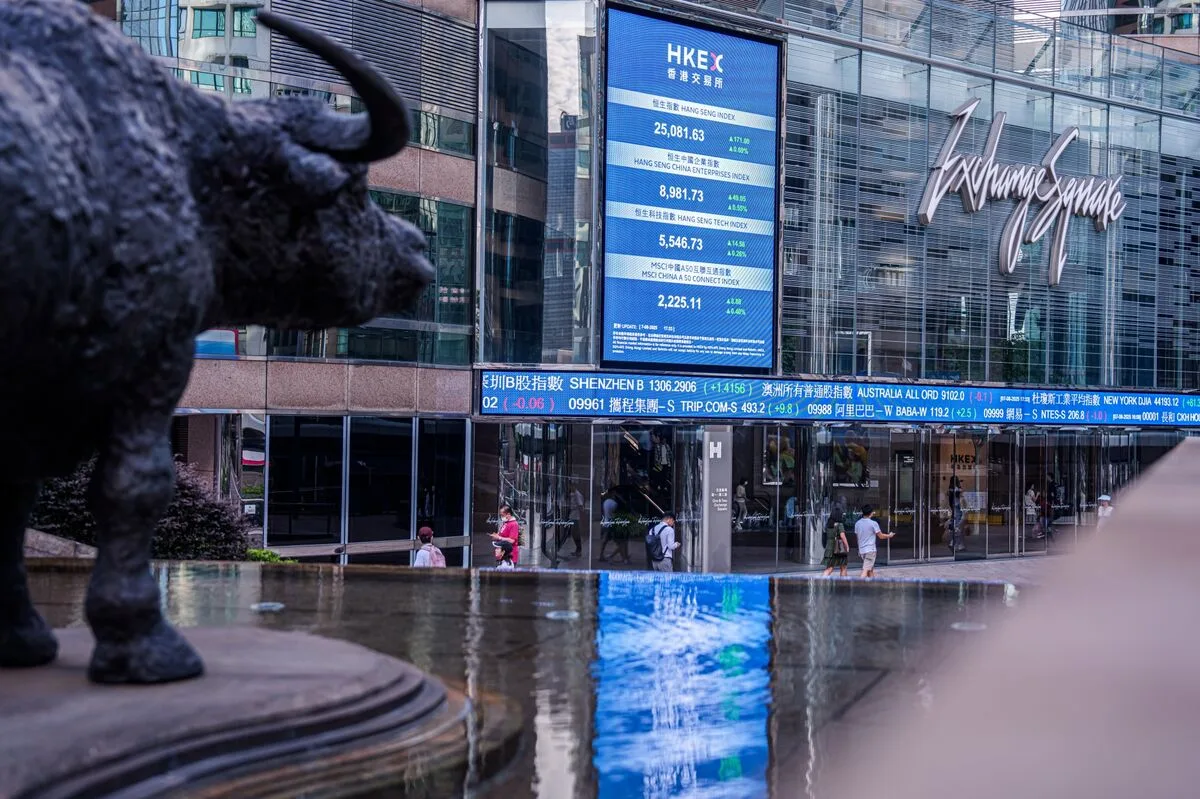
The Apple supplier priced its shares at the maximum and still had to turn away demand, which tells you something about where hardware money is flowing right now.
James Chen · 25 Jun · 5 min
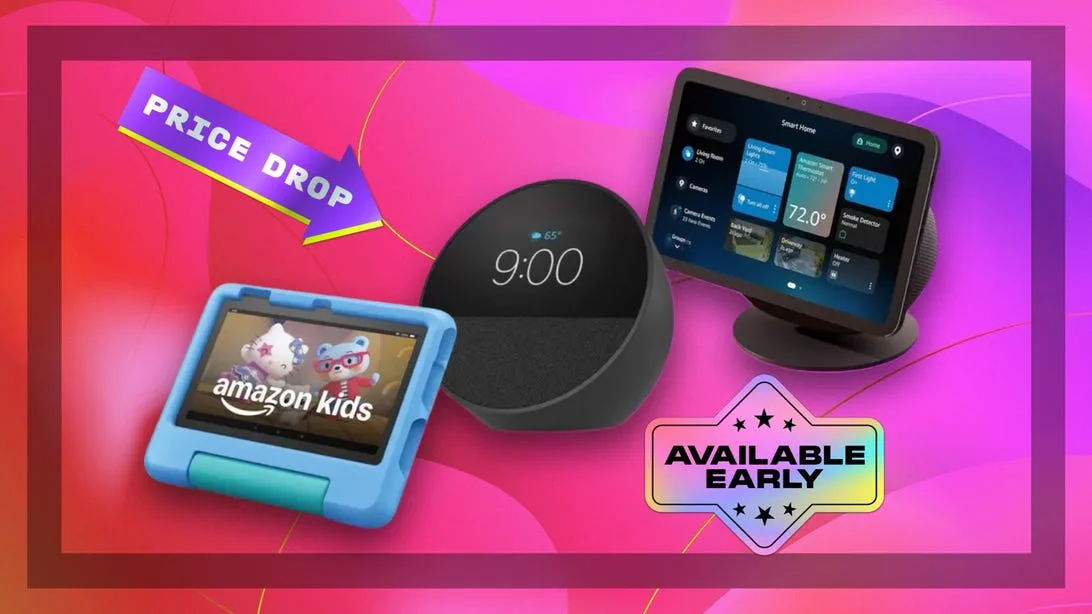
Prime Day deals on Echos and Ring cameras are fine, but let's not confuse consumer gadgets with the serious robotics work happening in warehouses.
Robert "Bob" Macintosh · 25 Jun · 3 min
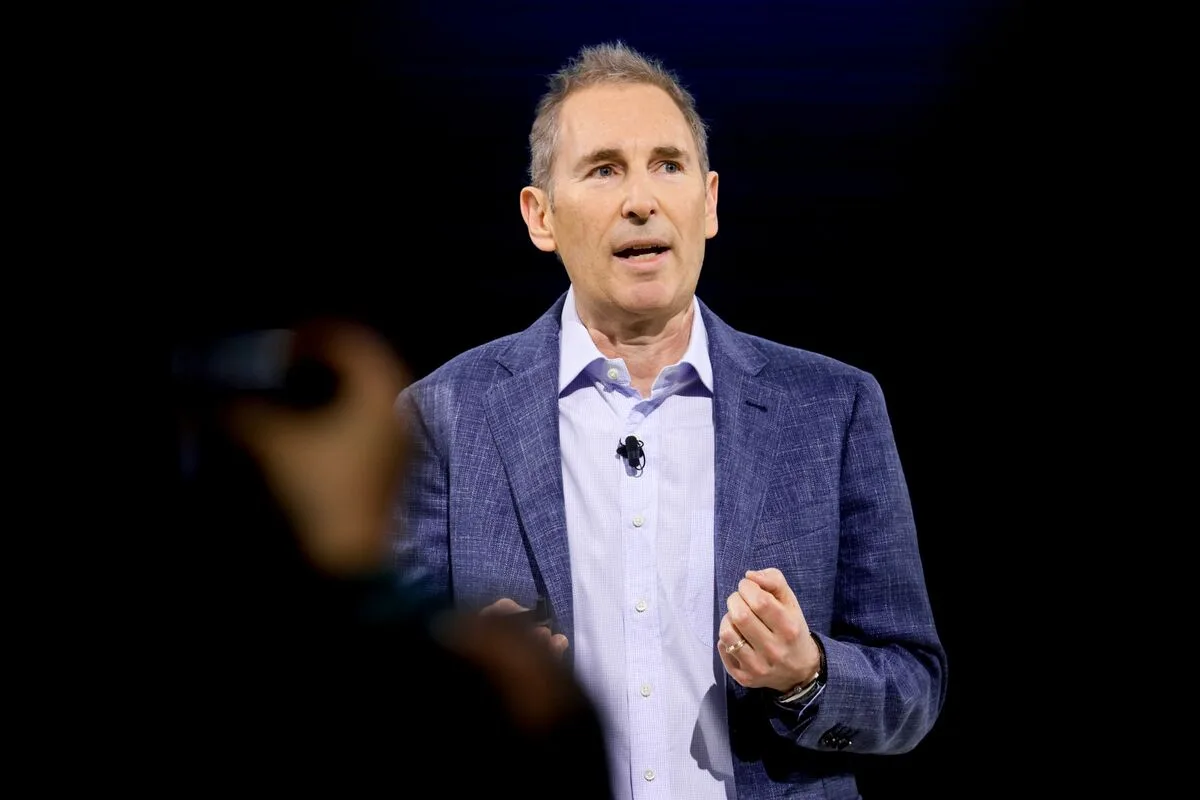
Amazon's CEO made his first India trip and left behind a $13 billion AI commitment and an aggressive quick-commerce expansion. The numbers are real. The execution is the hard part.
James Chen · 25 Jun · 6 min
A wave of arXiv preprints this week tackles one of manipulation's oldest problems: how do you get a robot to learn from imperfect, incomplete, or just plain missing data?
Here's the thing that gets lost in all the humanoid hype. A robot that can walk across a factory floor is impressive, sure, but a robot that can reliably pick up a tube of toothpaste, a bag of screws, and a paperback book from the same bin without crushing any of them? That's a different kind of hard. The variation is the killer. Warehouses don't have the luxury of handling the same widget over and over, they're dealing with thousands of different SKUs with different weights, textures, packaging types, and fragility levels.
I remember talking to a warehouse operator back in 2018 who told me his facility handled something like 50,000 different products. At the time, the best piece picking robots could maybe handle a few hundred reliably. The gap between what the technology could do and what the business needed was enormous. From what I can gather (and admittedly, the details on this webinar are sparse), that gap is narrowing, but it's not closed yet.
The three companies presenting at this webinar represent different approaches to the problem:
Locus Robotics has focused on collaborative mobile robots that work alongside human pickers, basically bringing the work to the human rather than automating the picking itself
Nomagic is a European outfit that's been working on AI-powered piece picking with a focus on e-commerce fulfillment
RightHand Robotics has been at this for years with their RightPick system, emphasizing the gripper and vision system combination
What's interesting is that none of these companies have "solved" piece picking in the way that, say, palletizing has been solved. Palletizing robots are everywhere now because the problem is constrained: same boxes, same patterns, same locations. Piece picking remains stubbornly variable, and that variability is why humans are still doing most of it.
Call me old-fashioned, but I think we should talk about money. The piece picking problem isn't just technical, it's economic. A human picker costs, what, maybe $15 to $25 an hour depending on the market? They can handle basically anything you throw at them, they're flexible, they show up (mostly), and you don't need to amortize a capital expense over five years. The robot has to beat that math, and it has to beat it reliably enough that a warehouse operator will bet their fulfillment SLAs on it.
From what I've seen (and I'll admit my data here is limited, these companies aren't exactly forthcoming with detailed ROI figures), we're getting closer. The combination of better computer vision, more capable grippers, and improved AI for grasp planning has pushed success rates up. But "up" from where to where exactly? That's the question I'd love to see answered in this webinar. If you're going from 85% success rate to 92%, that's meaningful. If you're going from 92% to 94%, that's incremental. The details matter.
The labor market is helping the robots, too. It's harder to hire warehouse workers than it was five years ago, and the workers you do hire turn over faster. I've seen this movie before with other automation technologies: the economics don't quite work, then labor costs rise or availability drops, and suddenly the math changes. We might be at that inflection point for piece picking, but I wouldn't bet the farm on it yet.
Most of the coverage I've seen on warehouse automation focuses on the sexy stuff, the humanoids, the fully autonomous facilities, the lights-out vision. And look, I get it, that's what gets clicks. But the people actually running warehouses are thinking about much more mundane questions. Can this robot work a full shift without breaking down? What happens when it encounters a product it's never seen before? How do I integrate it with my existing WMS? Who fixes it when it breaks at 2 AM?
These aren't exciting questions, but they're the ones that determine whether a technology gets adopted or sits in a pilot program forever. I've watched too many promising robotics companies flame out because they couldn't answer these questions satisfactorily. The fact that Locus, Nomagic, and RightHand are all still around and apparently still making progress suggests they've figured out at least some of these operational realities.
The webinar format is actually appropriate here, I think. This isn't the kind of technology that benefits from breathless launch announcements. It benefits from detailed technical discussions about edge cases and failure modes and integration challenges. Whether that's what we'll actually get from this particular webinar remains to be seen, but at least the framing is right.
If you're running a warehouse and wondering whether to invest in piece picking automation, here's my honest assessment: it depends. (I know, I know, what a cop-out.) But seriously, it depends on your SKU mix, your labor situation, your volume patterns, and your tolerance for risk. The technology is better than it was three years ago, significantly better by most accounts, but it's not a drop-in replacement for human pickers across the board.
The companies that are succeeding with piece picking robots tend to be the ones that start with a constrained problem, maybe a specific category of products or a particular workflow, and expand from there. They're not trying to boil the ocean on day one. That's probably the right approach, even if it makes for less exciting press releases.
I'll be curious to see what comes out of this webinar. The fact that three different companies with three different approaches are all presenting together suggests there's some consensus forming around what works and what doesn't. Or maybe they're all just trying to get leads for their sales teams, but what do I know.
The piece picking problem is still hard. That's actually good news because it means the companies that crack it will have built something genuinely valuable, not just another solution looking for a problem. We're not there yet, but we're closer than we were, and the work continues. Sometimes that's the most honest thing you can say about a technology.
If you want to argue about any of this, my email's on the about page. I actually read it, unlike some of these kids who only check their Slack notifications.