SpaceX at $1.8 Trillion: What Does a Rocket Company Have to Do With Robotics?
More than you'd think, actually. Musk's IPO filing has some interesting implications for industrial automation.
画像クレジット: Image via source article. Used under fair use for news commentary. · source
Why should anyone reading a robotics publication care about SpaceX going public?
I'll be honest, my first reaction was to skip right past this story. Rockets aren't my beat. But then I started thinking about the supply chains, the manufacturing, and the fact that SpaceX runs one of the most automated production facilities in the country. So here we are.
The numbers first. Bloomberg reports SpaceX is targeting at least $1.8 trillion for its IPO, down from earlier whispers of $2 trillion plus. That's still an absurd figure for a company that, according to The Verge, lost nearly $5 billion last year. The Verge piece doesn't mince words, calling it "a threat" and suggesting retail investors will end up as "bagholders." Strong stuff.
But here's the thing. When I was at Kuka, we did some work (indirectly, through a supplier) on tooling that eventually found its way into aerospace applications. Not SpaceX specifically, but the same general ecosystem. What struck me then, and what strikes me now, is how much of the modern rocket business is really a robotics and automation story dressed up in spacesuits.
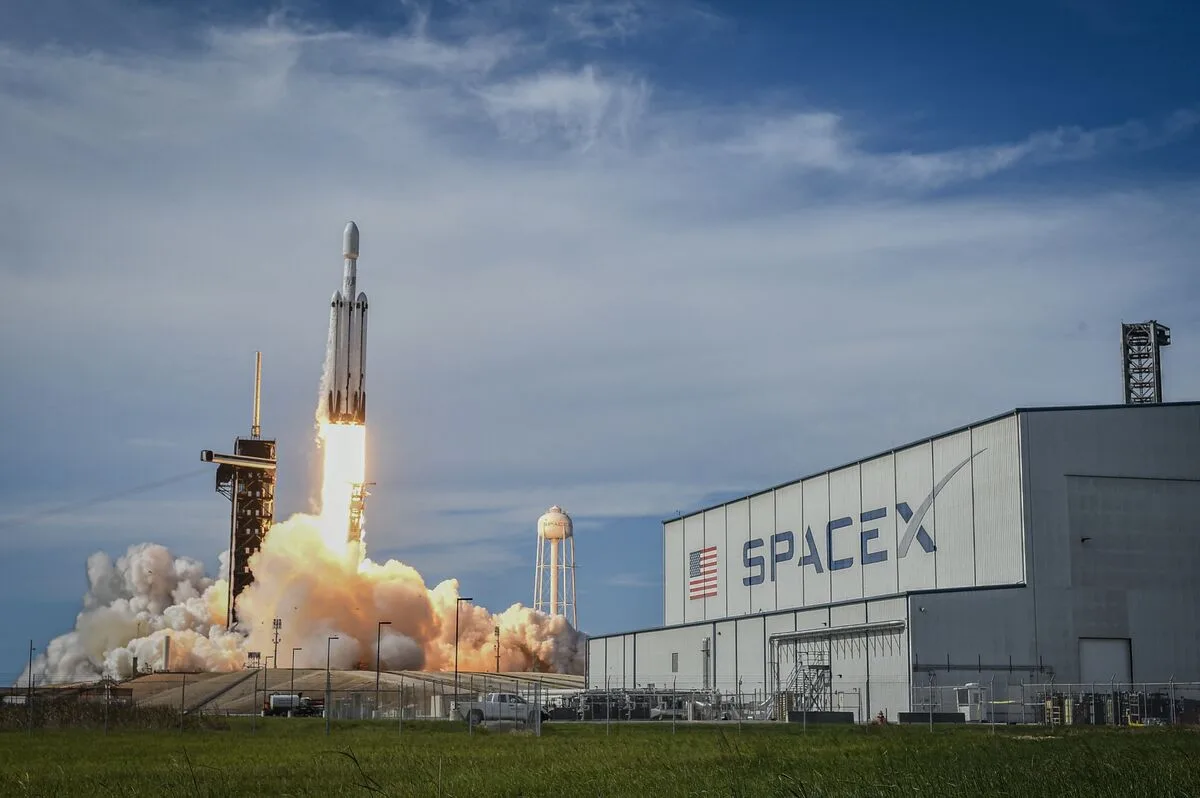
SpaceX's Hawthorne facility runs a remarkable amount of in-house automation. Friction stir welding robots. Automated inspection systems. The kind of stuff that, if you stripped away the rocket branding, would look right at home in any advanced manufacturing piece I've written. Musk has talked publicly about wanting to build rockets the way Toyota builds cars. Whether he's actually achieved that is, well, unclear. The company doesn't disclose detailed manufacturing metrics.
関連記事
More in Industrial
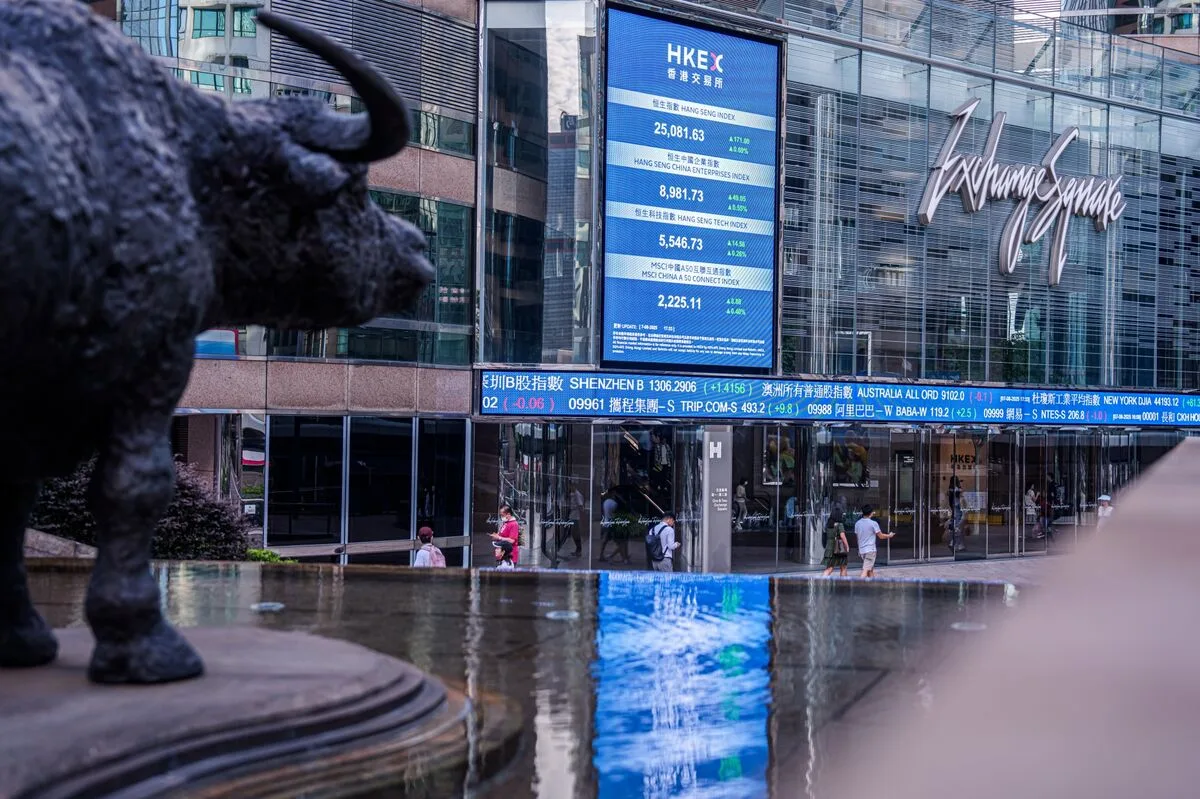
The Apple supplier priced its shares at the maximum and still had to turn away demand, which tells you something about where hardware money is flowing right now.
James Chen · 25 Jun · 5 min
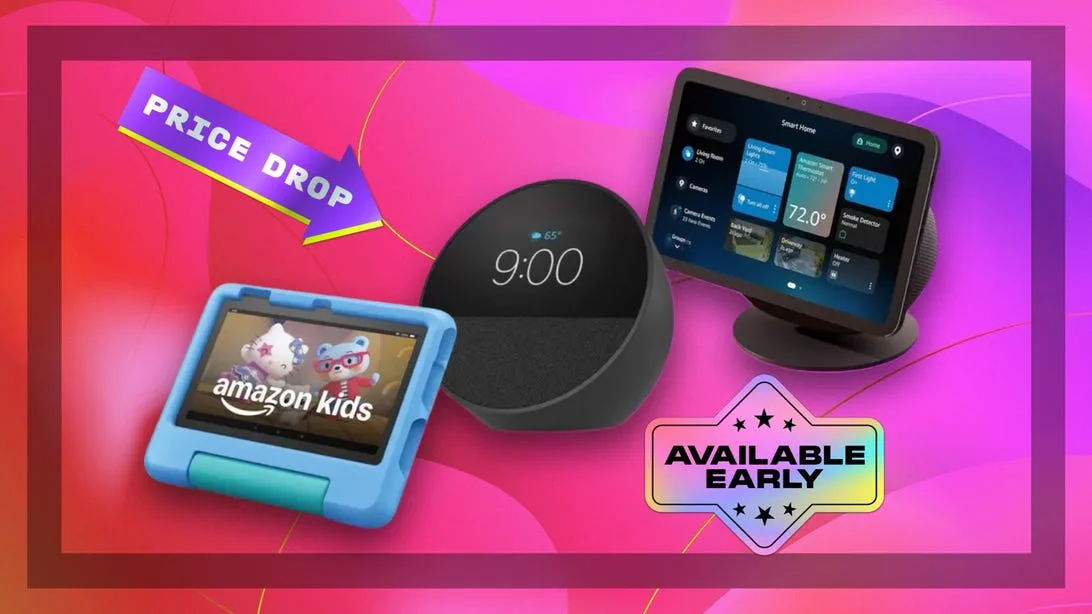
Prime Day deals on Echos and Ring cameras are fine, but let's not confuse consumer gadgets with the serious robotics work happening in warehouses.
Robert "Bob" Macintosh · 25 Jun · 3 min
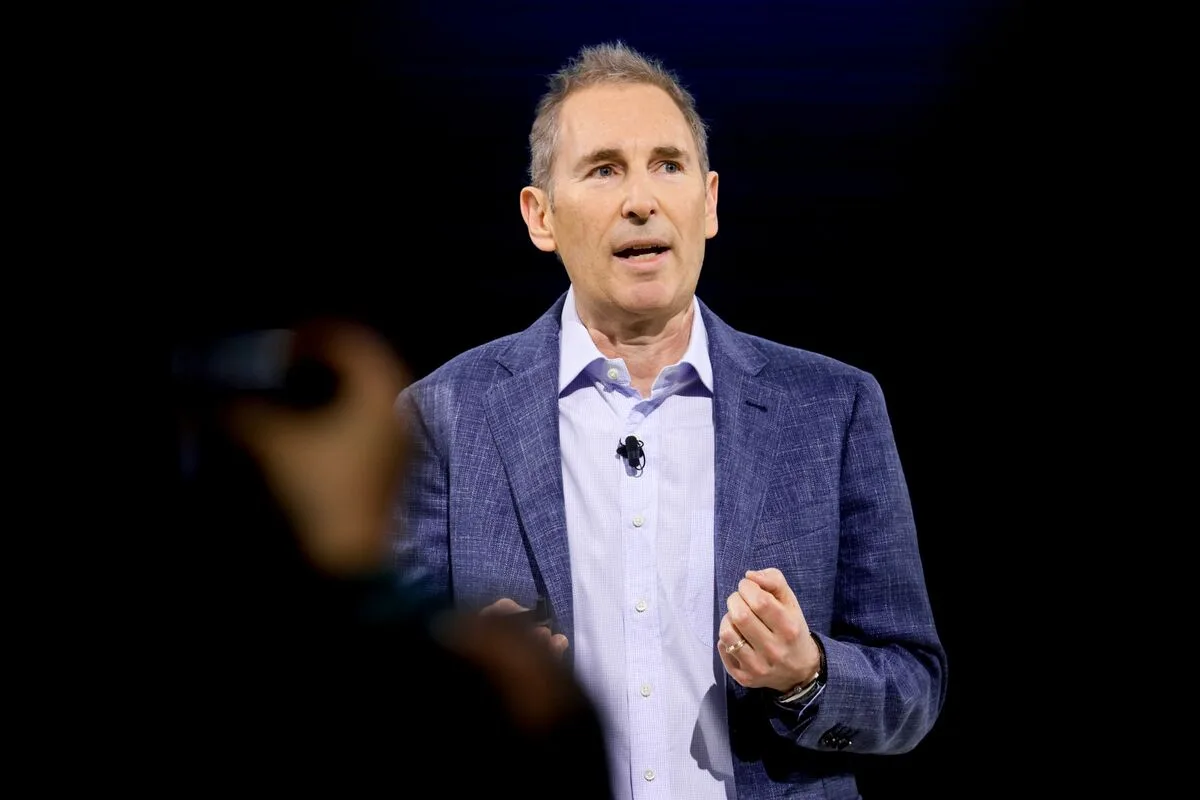
Amazon's CEO made his first India trip and left behind a $13 billion AI commitment and an aggressive quick-commerce expansion. The numbers are real. The execution is the hard part.
James Chen · 25 Jun · 6 min
A wave of arXiv preprints this week tackles one of manipulation's oldest problems: how do you get a robot to learn from imperfect, incomplete, or just plain missing data?