Soft Robotics Finally Finds Its Commercial Footing in Food Processing
After years of laboratory promise, flexible grippers are being deployed at scale where they make the most sense: handling delicate produce that traditional robots would crush.
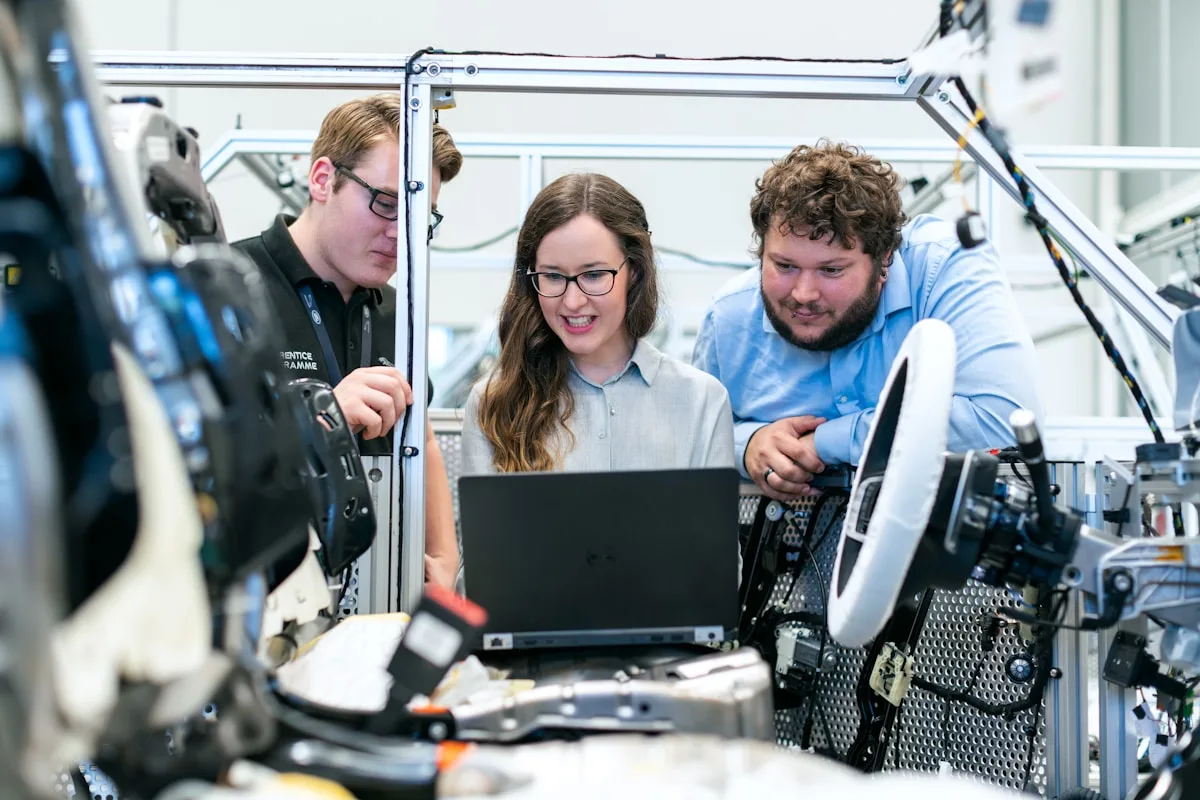
画像クレジット: Photo via Unsplash. Free to use under Unsplash License. · source
What is happening?
Soft robotics, a field that has long captivated researchers with its promise of gentler, more adaptable machines, is finally breaking out of the lab. According to reports from IFR and Reuters, flexible grippers are now being deployed at commercial scale in food processing facilities.
The breakthrough application turns out to be one that was, in retrospect, obvious: handling food items that traditional rigid robots would damage or destroy.
Why food processing?
Traditional industrial robots excel at repetitive tasks involving hard, uniform objects. Car parts, electronics components, and metal housings can all be gripped firmly without consequence. But try that approach with a ripe tomato or a fresh pastry, and you have an expensive mess.
Soft grippers solve this problem by mimicking the compliance of human hands. Rather than applying force at specific pressure points, they conform around objects, distributing contact across a larger surface area. Think of the difference between picking up an egg with metal tongs versus cupping it in your palm.
Food processing presents an ideal test case for several reasons. The products are inherently delicate. The volumes are high enough to justify automation investment. And the labor shortages in food manufacturing have created genuine urgency for solutions.
関連記事
More in Industrial
The Apple supplier priced its shares at the maximum and still had to turn away demand, which tells you something about where hardware money is flowing right now.
James Chen · 25 Jun · 5 min
Prime Day deals on Echos and Ring cameras are fine, but let's not confuse consumer gadgets with the serious robotics work happening in warehouses.
Robert "Bob" Macintosh · 25 Jun · 3 min
Amazon's CEO made his first India trip and left behind a $13 billion AI commitment and an aggressive quick-commerce expansion. The numbers are real. The execution is the hard part.
James Chen · 25 Jun · 6 min
A wave of arXiv preprints this week tackles one of manipulation's oldest problems: how do you get a robot to learn from imperfect, incomplete, or just plain missing data?