Apple's WWDC 2026: What an Old Robotics Hand Sees Coming
I've watched enough product launches to know when something big is brewing, and Apple's developer conference has my attention this year.
By
You know how it feels when a competitor is about to announce something that'll make your life harder? That tightening in your gut when the trade show floor goes quiet before a keynote? I'm getting that feeling about Apple's WWDC this year, and I haven't worked a trade show floor in three years.
Apple's annual developer conference kicks off June 8th at Apple Park, and ZDNet will be covering it live from Cupertino. Now, I'll be honest, I'm not usually one to care much about consumer electronics announcements. When I was at Kuka, we'd joke that the iPhone was just a fancy remote control waiting to happen. But the rumours around this WWDC have me paying attention.
The expected lineup includes iOS 27, updates to Siri, and what's being called "smart glasses." That last bit is where my ears perk up. Look, here's the thing: every major robotics deployment I worked on in the last decade of my career involved some form of augmented reality for maintenance and training. We were using clunky headsets from companies you've never heard of, devices that cost more than a used car and broke if you looked at them wrong. If Apple gets into this space properly, with actual developer tools and not just a tech demo, that changes the calculus for a lot of warehouse operations.
I called my old colleague at Siemens last week, actually, I should say I texted him because that's what passes for calling these days. He's seeing the same thing I am. The integration between consumer AR hardware and industrial systems has been the missing piece for years. We had the robots. We had the software. What we didn't have was a way to get information to technicians without them having to walk back to a terminal or squint at a tablet while a 500-kilogram arm waited patiently to resume its cycle.
関連記事
More in Industrial
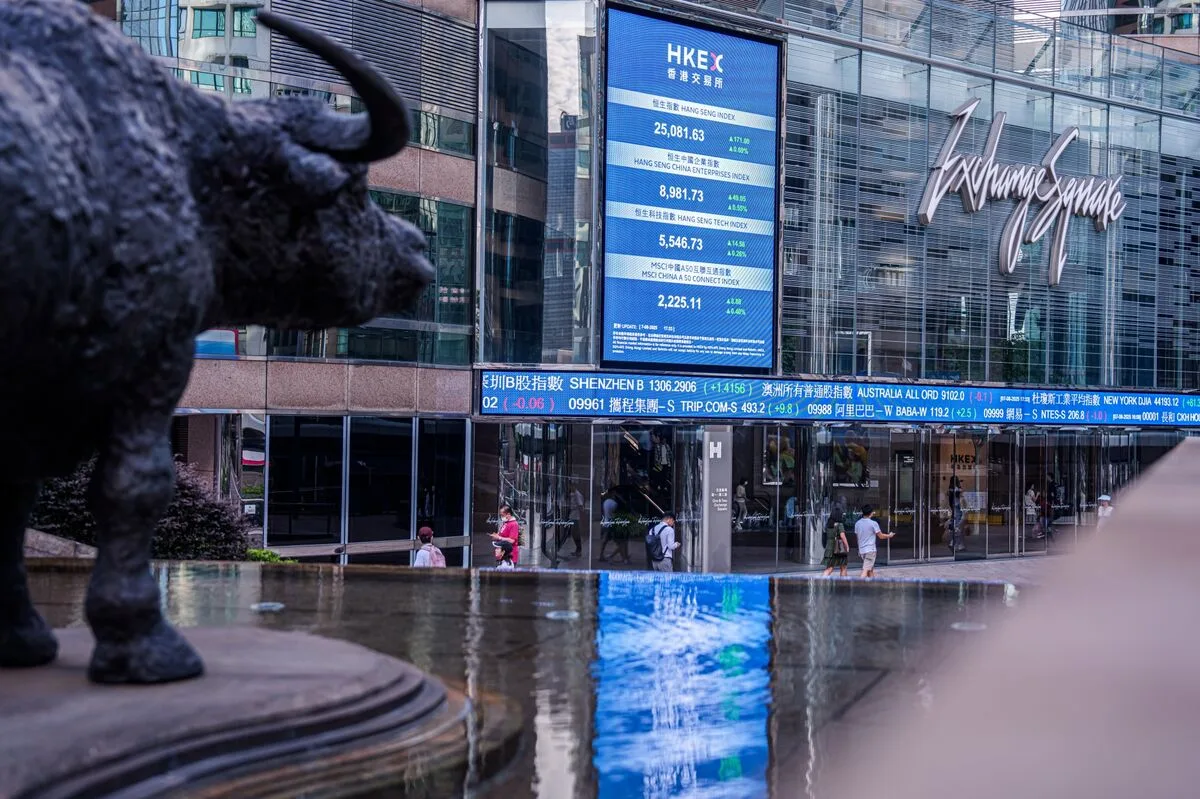
The Apple supplier priced its shares at the maximum and still had to turn away demand, which tells you something about where hardware money is flowing right now.
James Chen · 25 Jun · 5 min
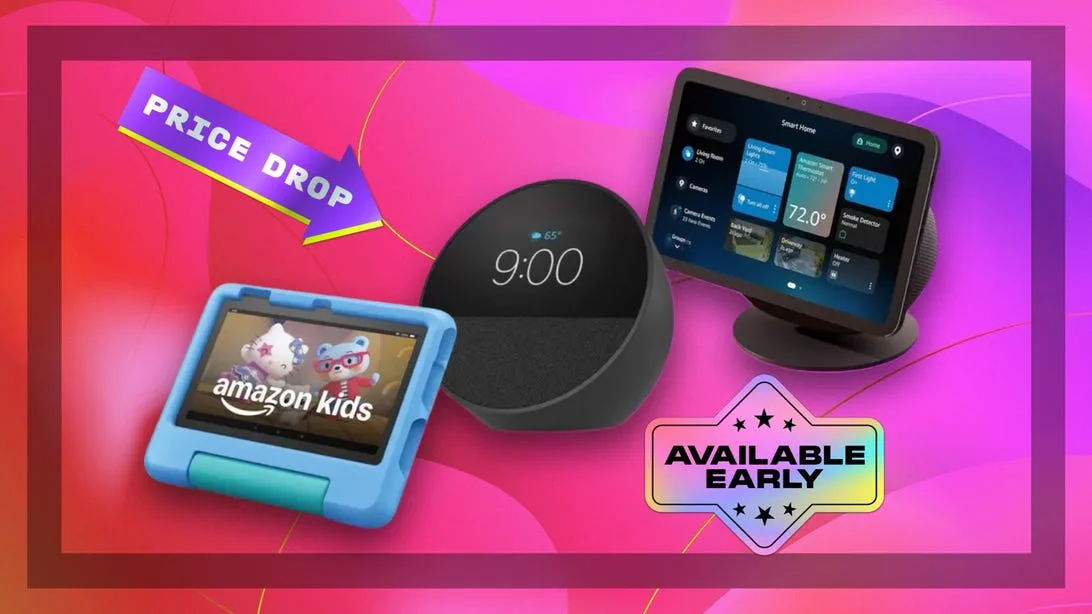
Prime Day deals on Echos and Ring cameras are fine, but let's not confuse consumer gadgets with the serious robotics work happening in warehouses.
Robert "Bob" Macintosh · 25 Jun · 3 min
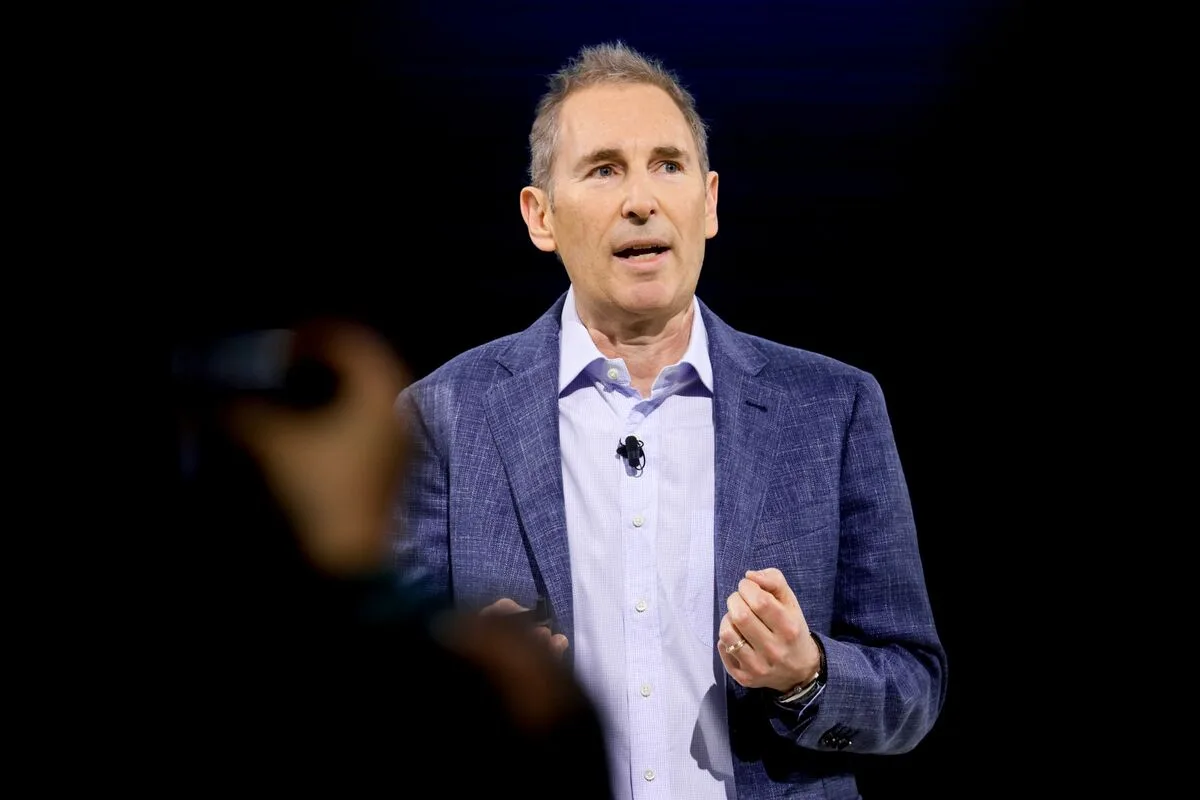
Amazon's CEO made his first India trip and left behind a $13 billion AI commitment and an aggressive quick-commerce expansion. The numbers are real. The execution is the hard part.
James Chen · 25 Jun · 6 min
A wave of arXiv preprints this week tackles one of manipulation's oldest problems: how do you get a robot to learn from imperfect, incomplete, or just plain missing data?