What's an industrial robotics guy doing writing about Apple Watch and Siri?
Bear with me here. There's a reason I'm paying attention to consumer wearables, and it has everything to do with what's coming to the factory floor.
By
Look, I know what you're thinking. Bob Macintosh writing about smartwatches? The guy who spent 12 years at Kuka programming palletizing cells? Has he finally lost it?
Fair question. But here's the thing: when I saw the reports about Apple potentially partnering with Google to put real AI capabilities into Siri, particularly for health coaching on the Apple Watch, my mind went straight to the shop floor. Because what Apple's trying to solve with wearables is exactly what we've been wrestling with in industrial automation for years.
What does a smartwatch have to do with factory robots?
More than you'd think. The Apple Watch is essentially a sensor platform strapped to your wrist. It collects heart rate, movement, sleep patterns, blood oxygen, all of it. The problem Apple has is that Siri can't do much with that data. It's like having a FANUC controller with all the I/O in the world but the software intelligence of a 1990s PLC.
The Google partnership, if it happens, would bring actual AI reasoning to that sensor data. Turn raw numbers into actionable coaching. "Your heart rate variability suggests you didn't sleep well, maybe skip the intense workout today." That kind of thing.
When I was at Kuka, we had a similar problem with predictive maintenance. We had sensors everywhere (vibration, temperature, current draw) but the analytics were, I'll be honest, pretty crude. The gap between data collection and useful insight was enormous. Still is, at a lot of facilities I visit.
Why should robotics people care about consumer AI?
関連記事
More in AI Models
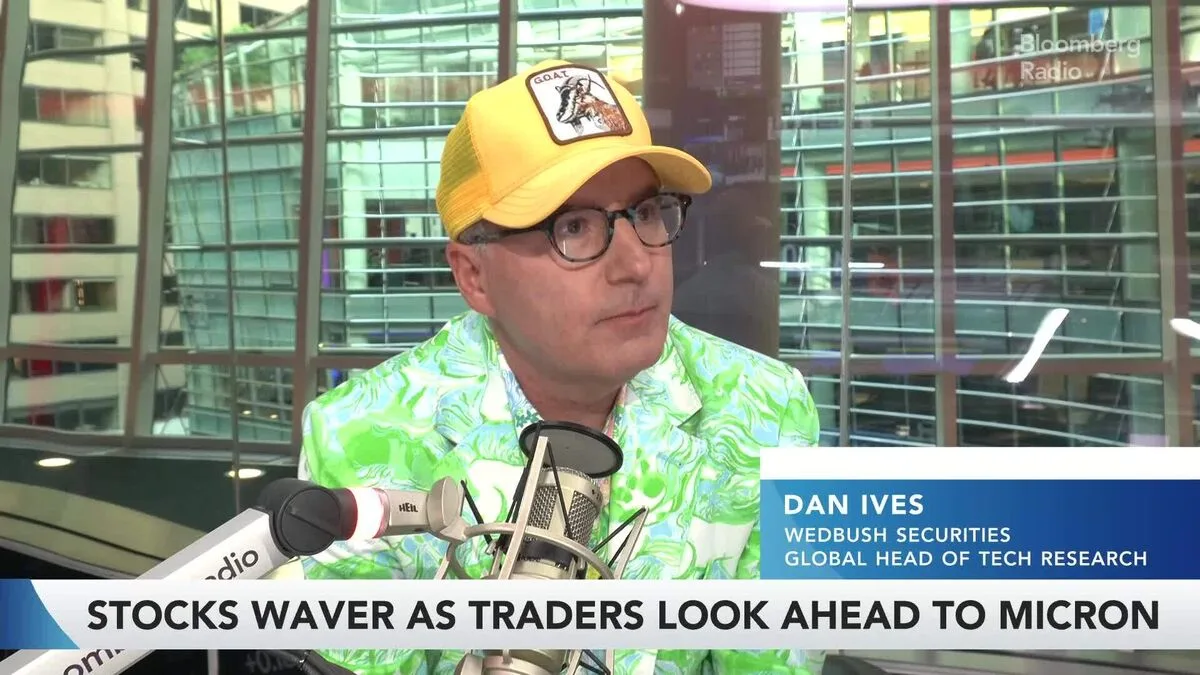
Chipmakers swung wildly this week, from a Tuesday 'chip-wreck' to a Micron-led surge after hours. What's actually going on with AI's hardware backbone?
Sarah Williams · 26 Jun · 5 min
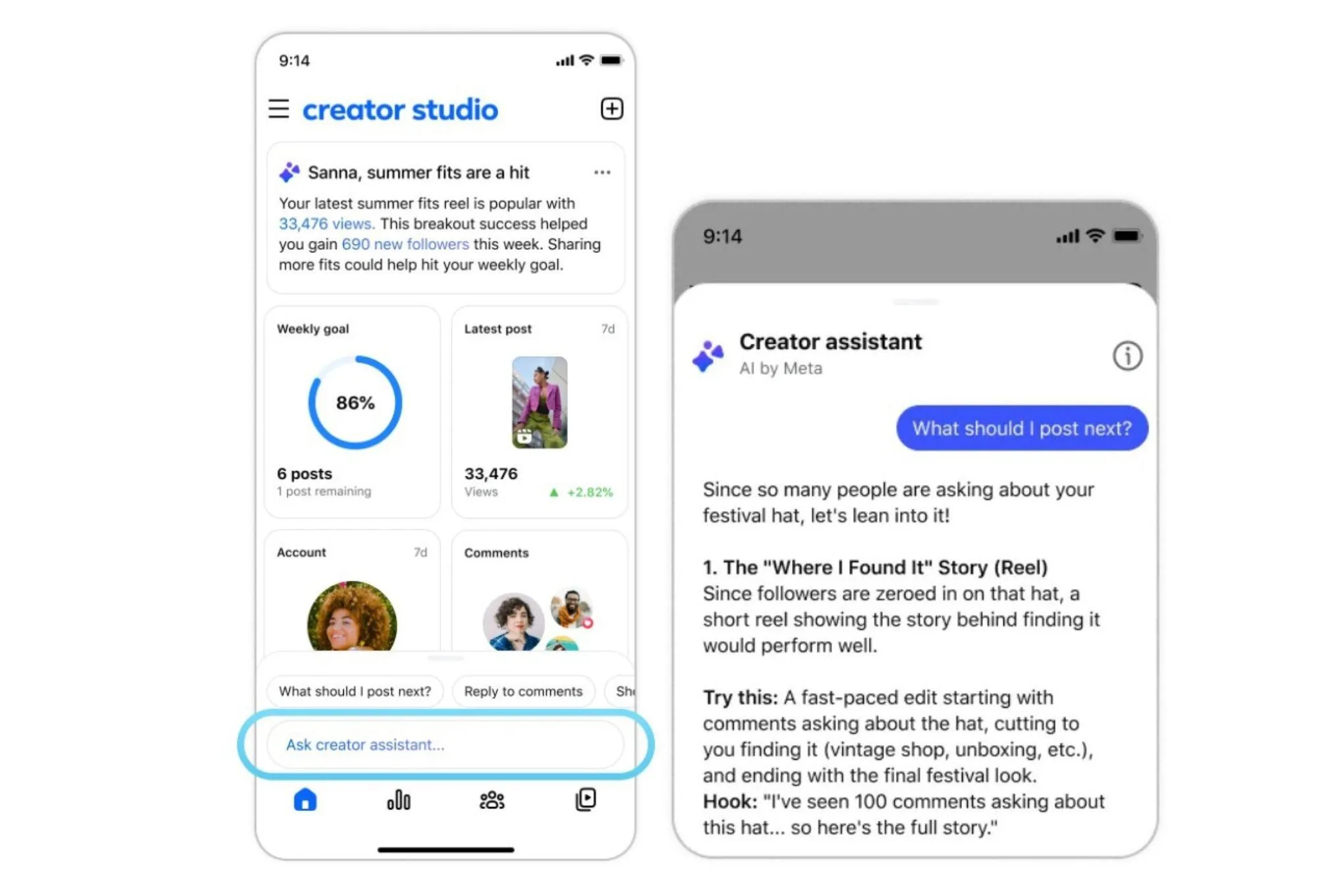
The original Creator Studio was shut down in 2023. Now it's back, rebuilt around an AI assistant that promises to grow your audience and reply to comments in your voice.
Sarah Williams · 26 Jun · 5 min
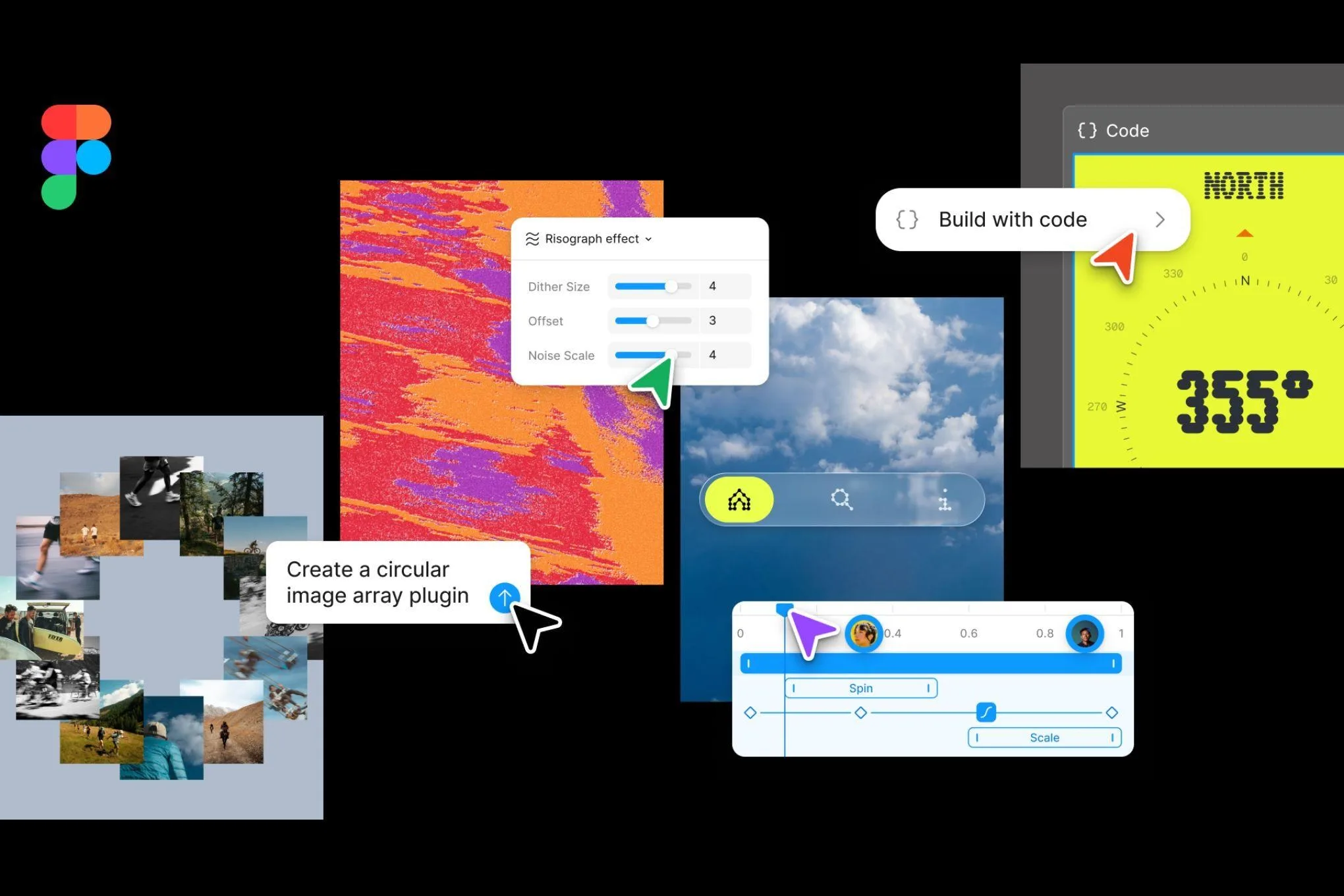
At its annual Config conference, Figma announced coding layers, AI-generated motion graphics, and a reimagined canvas that blurs the line between design and full-stack development.
Sarah Williams · 26 Jun · 5 min
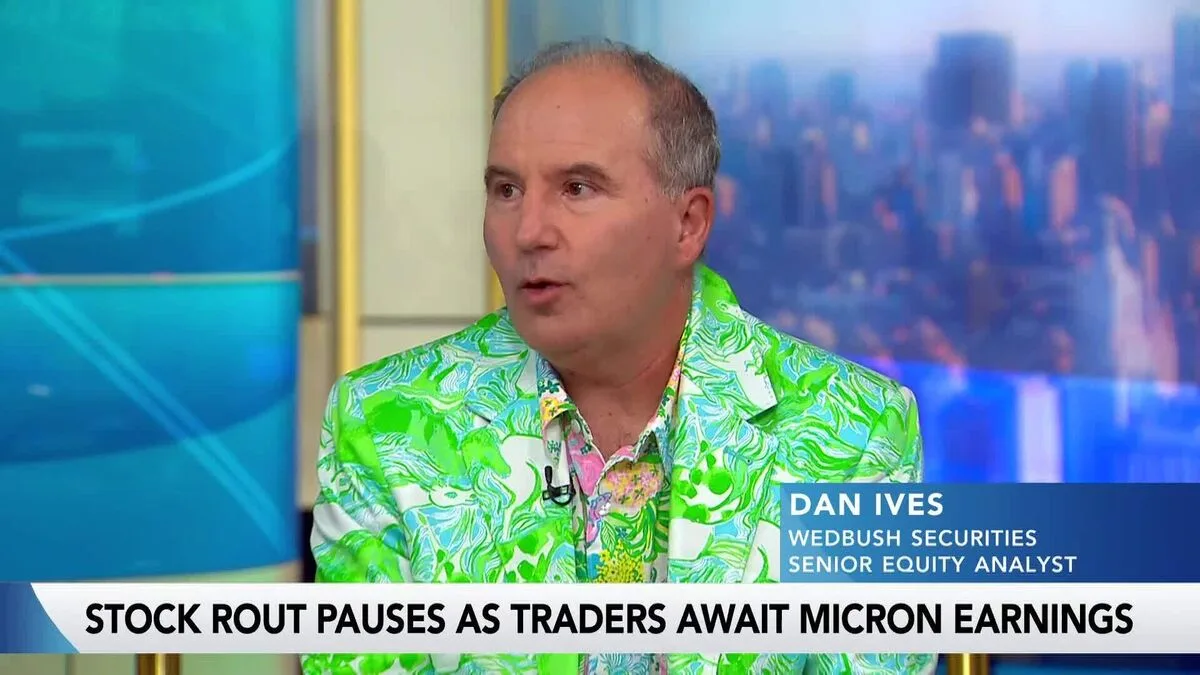
Everyone talks about chips and models. The memory bottleneck is the part of the AI buildout that keeps getting underestimated, and Micron's latest earnings make that case hard to ignore.