Micron's Blowout Quarter Is Either Great News for AI Hardware or a Warning Sign, Depending on Who You Ask
Chipmakers swung wildly this week, from a Tuesday 'chip-wreck' to a Micron-led surge after hours. What's actually going on with AI's hardware backbone?
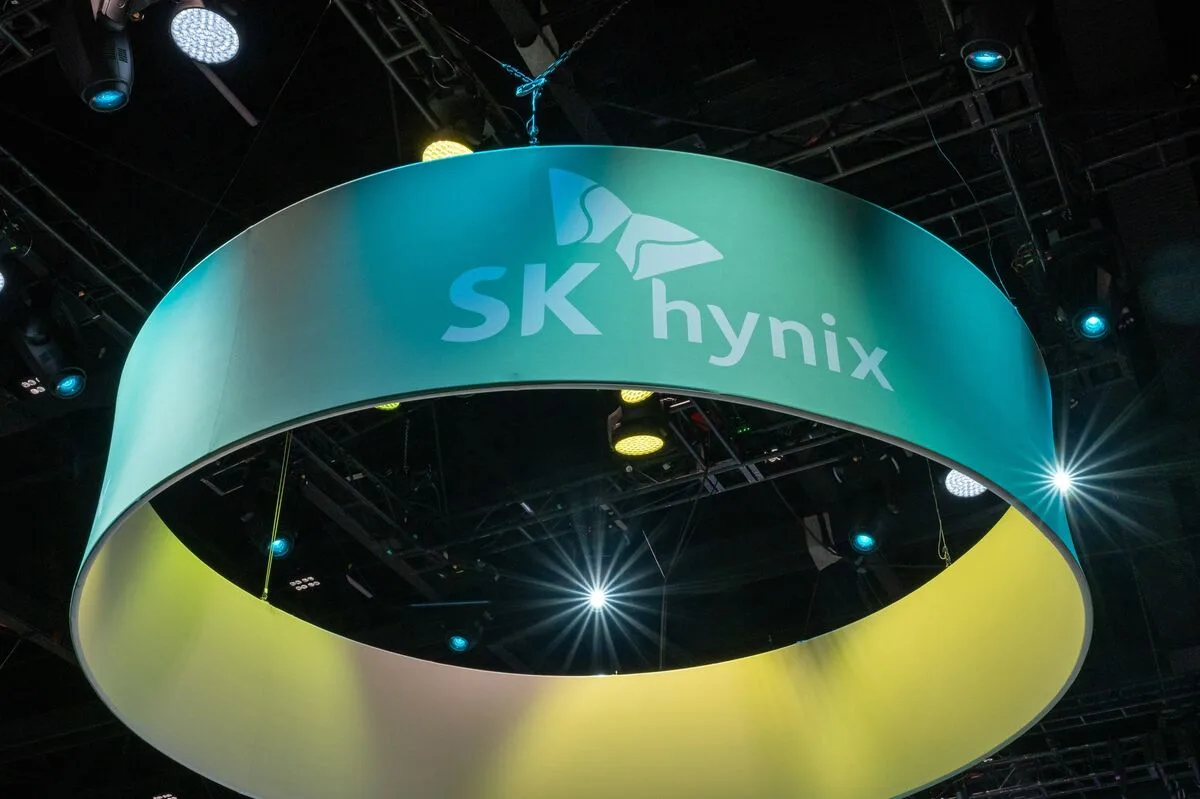
画像クレジット: Image via Bloomberg — Technology. Used under fair use for news commentary. · source
Think about the last time you checked your phone's storage and got that little warning: not enough space. You buy more. The device works better. Simple. That's basically the relationship between AI and memory chips right now, and it's why a single earnings report from a memory manufacturer in Boise, Idaho can send the entire semiconductor sector into a spin.
This week was a strange one for chipmakers. Tuesday looked bad. Really bad, actually. A broad selloff hit the semiconductor stocks that have been carrying the market's AI-fueled rally, with one Wall Street strategist calling it a "chip-wreck" (yes, that's a real term someone used in a professional context). According to Bloomberg, investors suddenly got jittery about whether the triple-digit percentage gains these companies have racked up this year were actually sustainable. Fair question, honestly.
Then Wednesday happened.
Micron reported earnings after the bell, and the mood shifted fast. Shares of semiconductor stocks surged in extended trading following what Bloomberg described as a strong financial report that "underscored how artificial intelligence remains a major vector for growth." Qualcomm also lifted the sector. The chip-wreck, apparently, was short-lived.
I initially thought this was just normal market volatility, the kind of thing that looks dramatic in the moment and meaningless six months later. But after reading more closely, I think there's something worth paying attention to here, because the swings aren't random. They're reflecting a genuine tension in how investors are thinking about the AI buildout.
Is AI demand for chips a durable, multi-year cycle, or is it a concentrated burst of spending by a handful of hyperscalers that will eventually plateau? The bulls point to Micron's numbers as evidence of the former. The bears, the ones who sold on Tuesday, seem to think the market has already priced in years of growth that may or may not materialise.
関連記事
More in AI Models
The original Creator Studio was shut down in 2023. Now it's back, rebuilt around an AI assistant that promises to grow your audience and reply to comments in your voice.
Sarah Williams · 26 Jun · 5 min
At its annual Config conference, Figma announced coding layers, AI-generated motion graphics, and a reimagined canvas that blurs the line between design and full-stack development.
Sarah Williams · 26 Jun · 5 min
Everyone talks about chips and models. The memory bottleneck is the part of the AI buildout that keeps getting underestimated, and Micron's latest earnings make that case hard to ignore.
Aisha Patel · 25 Jun · 8 min