Taiwan Catches Nvidia Chip Smuggling Ring Using Japan as a Waypoint
Three people allegedly faked export documents to route banned AI chips through Japan and into China. This is exactly the kind of thing export controls were supposed to prevent.
画像クレジット: Image via source article. Used under fair use for news commentary. · source
Taiwan prosecutors have detained three individuals suspected of smuggling Nvidia AI chips to China by routing them through Japan first, according to Bloomberg. At least one shipment of Super Micro Computer servers containing advanced Nvidia chips allegedly made it through.
Look, I'll be honest. When the US export controls on advanced chips came down, everyone in the industry knew this was coming. Not this specific case, but this type of case. You don't spend 12 years working in industrial automation without learning that where there's a valuable product and a motivated buyer, someone's going to find a way.
The setup
The alleged scheme is pretty straightforward, actually. The trio reportedly falsified export documents to make it look like the servers were heading to Japan. From there, the shipment continued on to China. It's the oldest trick in the book, just with fancier hardware.
The chips in question are the ones the US has specifically barred from sale to China without a license. We're talking about the high-end Nvidia silicon that powers AI training and inference at scale. The kind of chips that, if you believe the national security folks, could give China capabilities the US would rather they didn't have.
What we don't know yet is the full scope. Bloomberg's sources say "at least one shipment" made it through, which could mean one, could mean a dozen. The prosecutors aren't saying, or if they are, it hasn't leaked. The value of the shipment hasn't been disclosed either, though these servers aren't cheap. We're probably talking millions of dollars per rack, depending on configuration.
関連記事
More in AI Models
Chipmakers swung wildly this week, from a Tuesday 'chip-wreck' to a Micron-led surge after hours. What's actually going on with AI's hardware backbone?
Sarah Williams · 26 Jun · 5 min
The original Creator Studio was shut down in 2023. Now it's back, rebuilt around an AI assistant that promises to grow your audience and reply to comments in your voice.
Sarah Williams · 26 Jun · 5 min
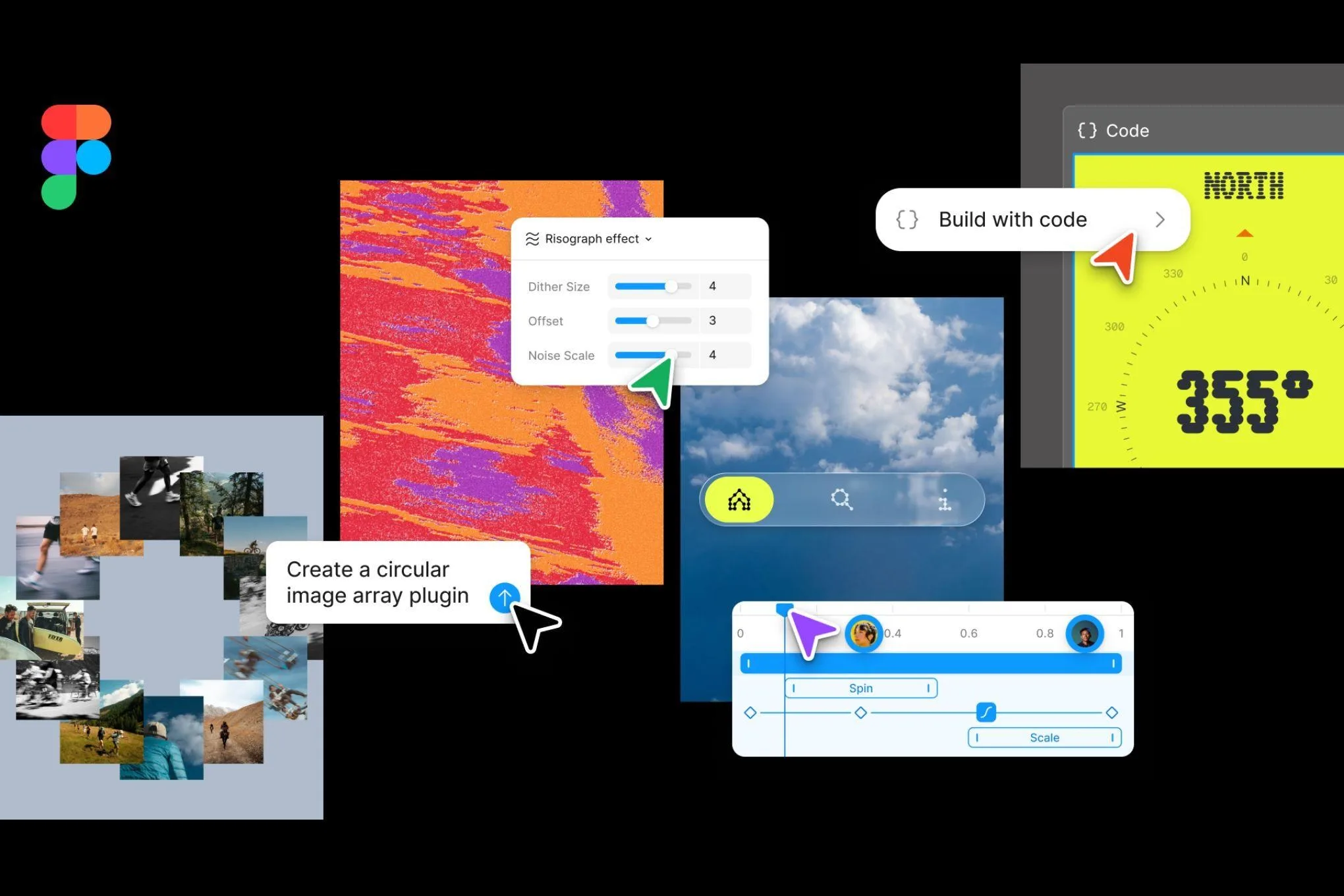
At its annual Config conference, Figma announced coding layers, AI-generated motion graphics, and a reimagined canvas that blurs the line between design and full-stack development.
Sarah Williams · 26 Jun · 5 min
Everyone talks about chips and models. The memory bottleneck is the part of the AI buildout that keeps getting underestimated, and Micron's latest earnings make that case hard to ignore.