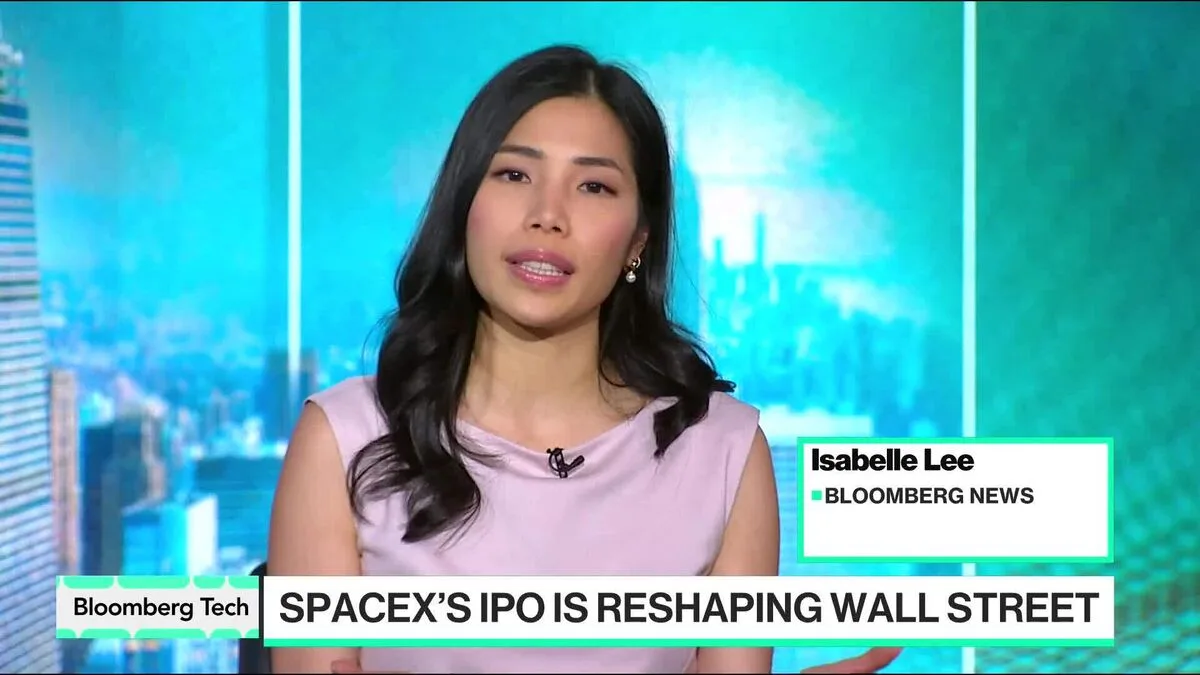
SpaceX's IPO Numbers Don't Add Up the Way Musk Thinks They Do
A $28.5 trillion market opportunity sounds impressive until you've seen how these projections actually play out in the real world.
画像クレジット: Image via Source article. Used under fair use for news commentary. · source
I was sitting in my garage last week, sorting through boxes of old trade magazines from my Kuka days, when my phone buzzed with the SpaceX IPO news. Elon Musk pitching investors on a combined rockets-and-AI play with a claimed market opportunity of $28.5 trillion. I put down the 2014 issue of Robotics World I was holding and just sort of laughed.
Look, here's the thing. I've sat through hundreds of investor presentations in my career. I've watched executives from companies you've never heard of claim they were going to capture markets that didn't exist yet. Most of those companies are gone now. The ones that survived learned humility.
The Numbers Game
Twenty-eight and a half trillion dollars. Let me put that in perspective. When I was at Kuka, we used to joke that if you added up all the "total addressable market" figures from every robotics startup pitch deck in a given year, you'd get a number larger than global GDP. It was funny because it was true.
Musk is pitching investors on something that combines rockets and AI, according to Bloomberg. The scale is "challenging long-held assumptions about how companies are valued." That's one way to put it. Another way is to say it's the kind of number that makes experienced engineers raise an eyebrow.
I called my old colleague Werner at Siemens last night. He's been watching the space industry from the automation side for decades. His take was basically that SpaceX makes real rockets that really fly, which puts them ahead of 90% of the hype merchants out there. But $28.5 trillion? "That's not a market size," he said. "That's a wish."
関連記事
More in AI Models
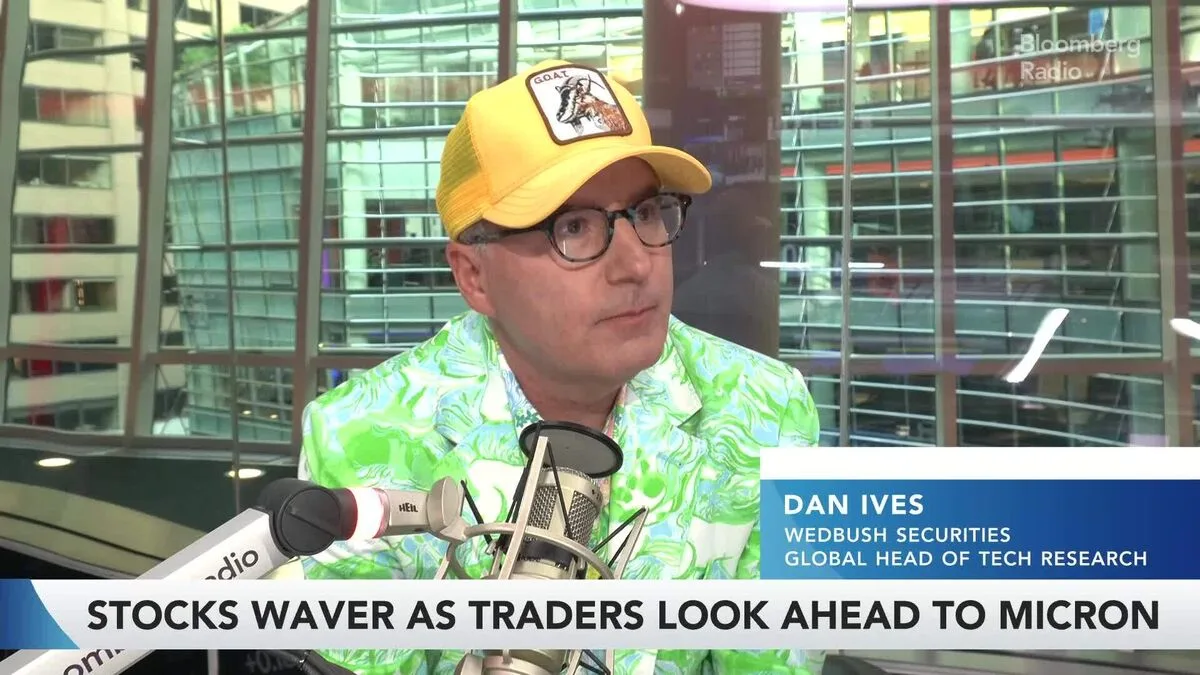
Chipmakers swung wildly this week, from a Tuesday 'chip-wreck' to a Micron-led surge after hours. What's actually going on with AI's hardware backbone?
Sarah Williams · 26 Jun · 5 min
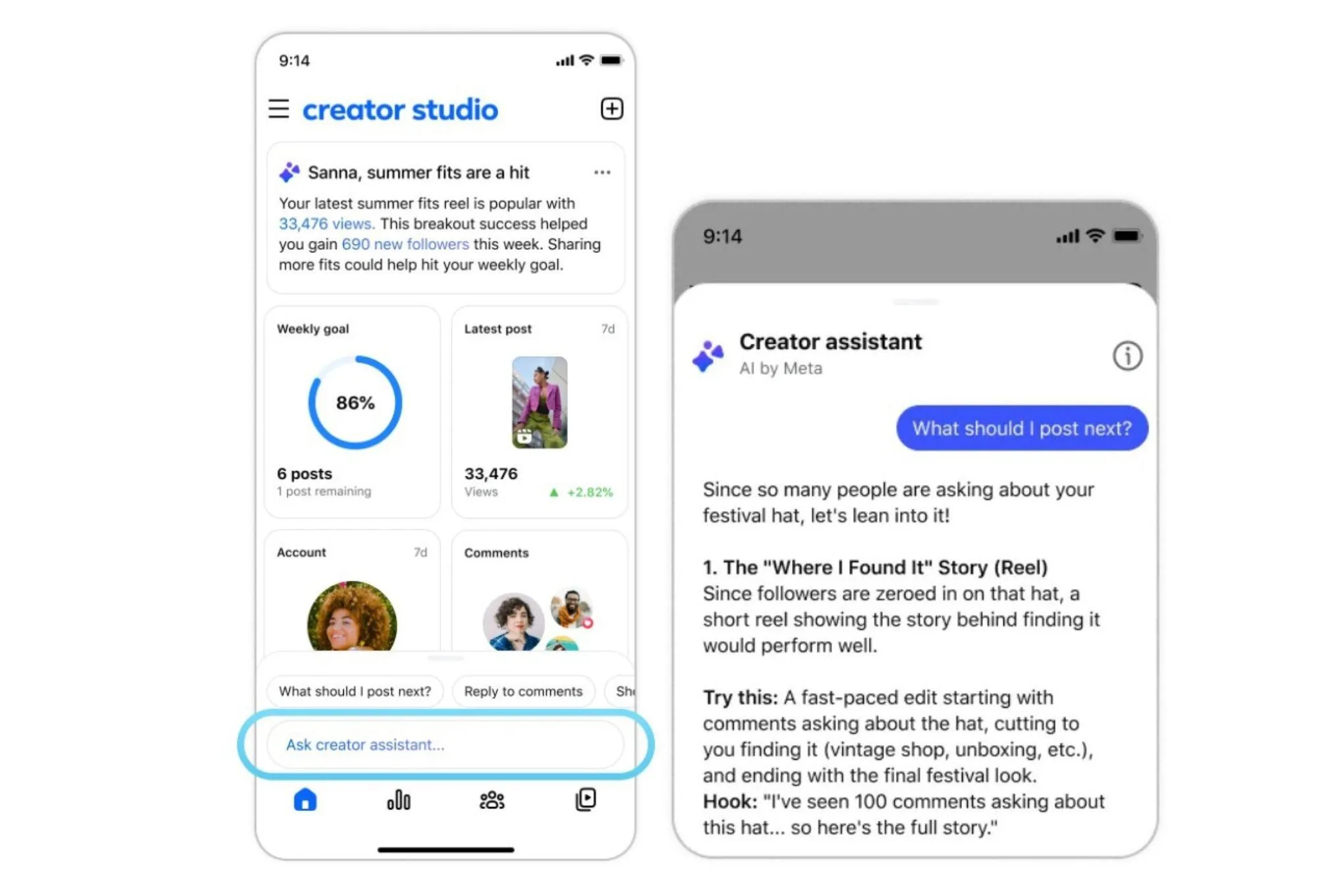
The original Creator Studio was shut down in 2023. Now it's back, rebuilt around an AI assistant that promises to grow your audience and reply to comments in your voice.
Sarah Williams · 26 Jun · 5 min
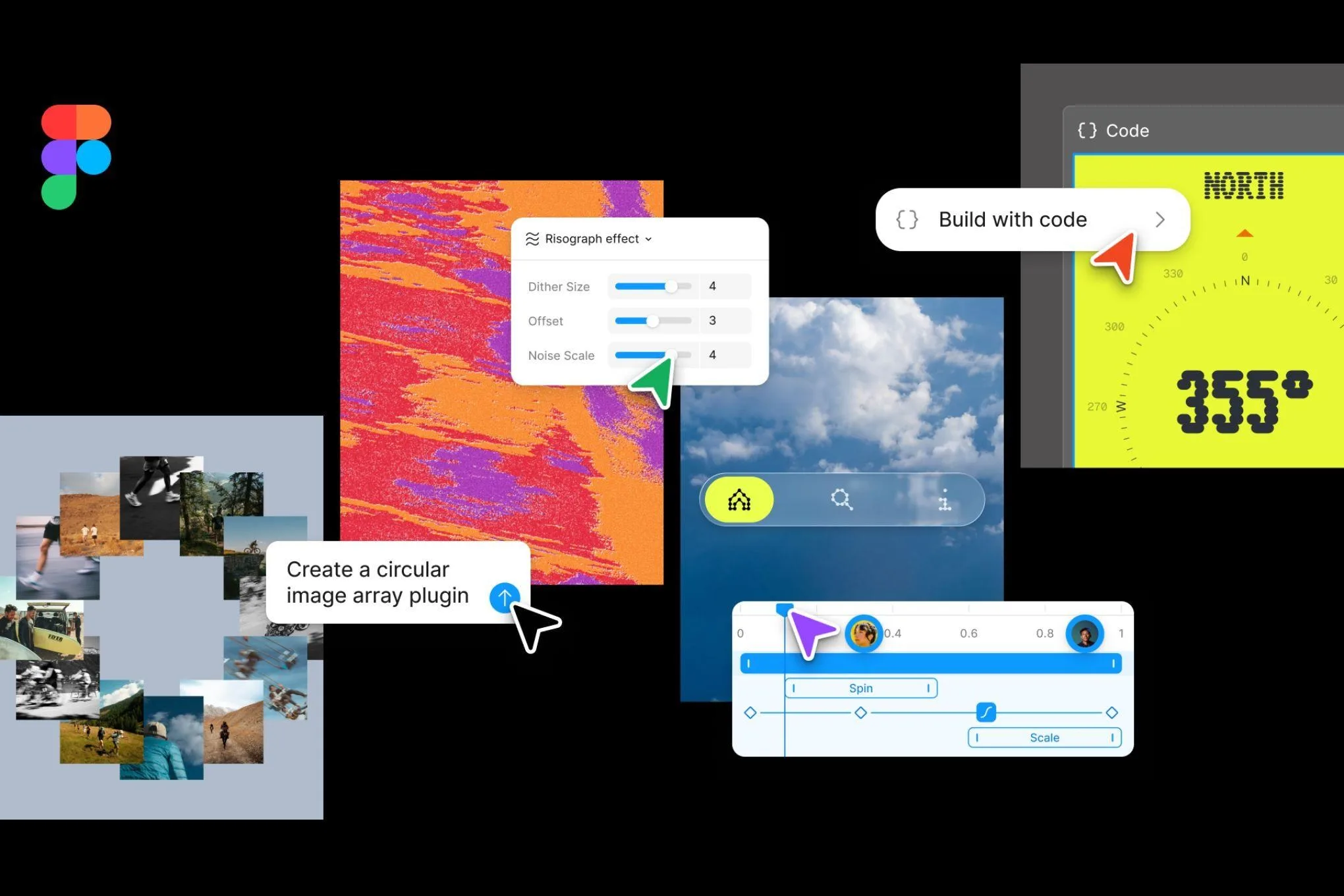
At its annual Config conference, Figma announced coding layers, AI-generated motion graphics, and a reimagined canvas that blurs the line between design and full-stack development.
Sarah Williams · 26 Jun · 5 min
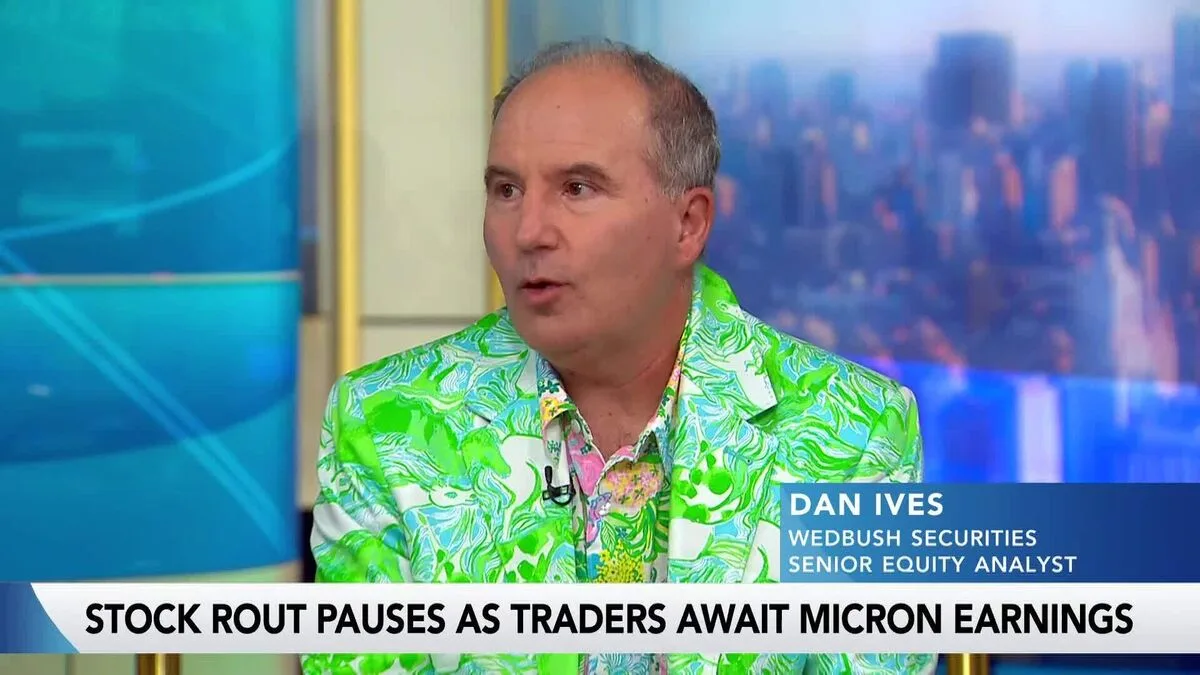
Everyone talks about chips and models. The memory bottleneck is the part of the AI buildout that keeps getting underestimated, and Micron's latest earnings make that case hard to ignore.