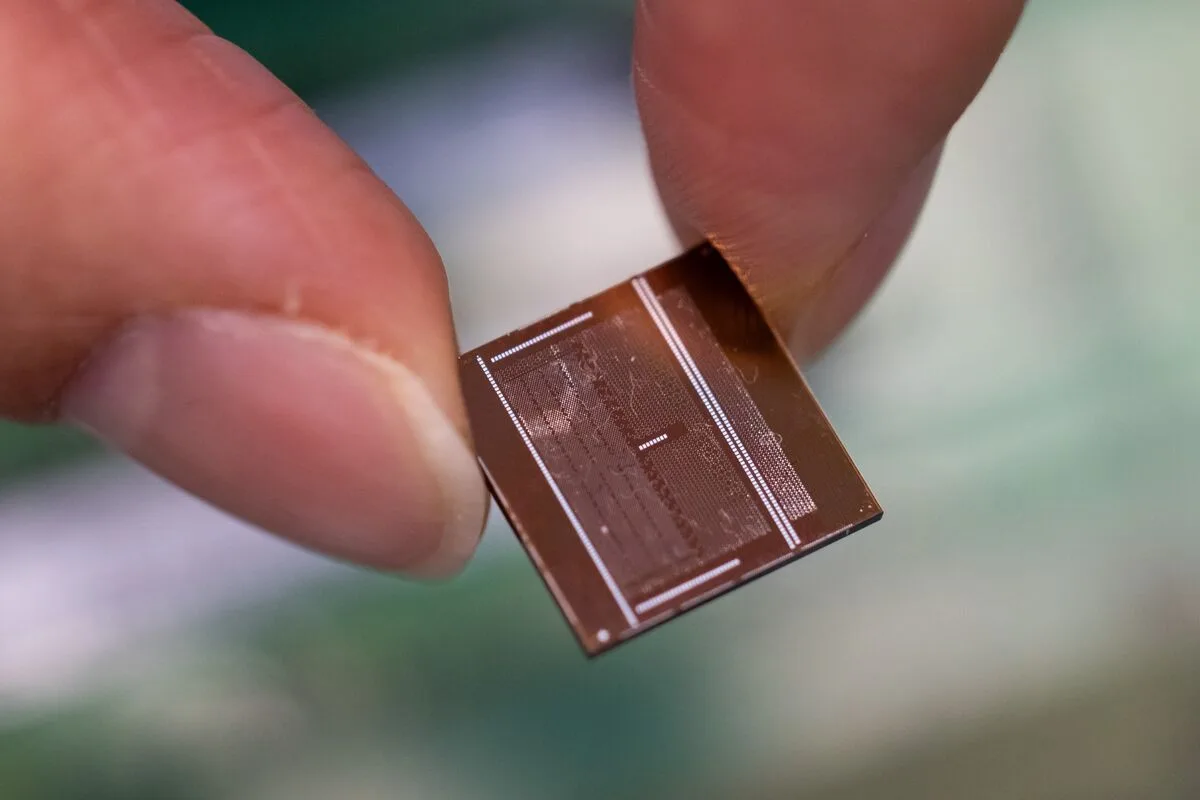
Samsung's $340K chip bonuses are wild. The fallout might be wilder.
A threatened strike won semiconductor workers massive payouts, but now non-chip employees are suing to block the deal and economists are worried about inflation.
画像クレジット: Image via source article. Used under fair use for news commentary. · source
Picture this: you're a Samsung engineer who's spent the last two years helping build the memory chips powering the AI boom. Your company's stock is up, demand is through the roof, and you just found out your bonus this year could hit $340,000.
Now picture you're a Samsung engineer who works on, say, smartphones. Same company. Same logo on your badge. Your bonus? Not even close.
This is the situation Samsung finds itself in right now, and honestly, I'm not sure there's a clean way out of it.
The deal that almost didn't happen
Last week, 48,000 Samsung semiconductor workers were ready to walk off the job for 18 days. The issue was bonus caps. While SK Hynix (Samsung's main competitor in memory chips) had been showering its workers with massive payouts tied to the AI boom, Samsung's chip division employees felt they were being left behind.
The threatened strike worked. According to The Verge, the tentative deal makes some workers eligible for average annual bonuses of $340,000. All chip workers will receive 50 percent of their annual salary as a regular bonus in cash, with additional performance-based payouts on top.
To put that in perspective: the median household income in South Korea is roughly $42,000 per year. We're talking about bonuses that are eight times that.
I initially thought this was just a labor story (big company, workers flex muscle, everyone moves on). But the more I dug into it, the more I realized this thing has tentacles reaching into Korean housing markets, inflation policy, and what might become a very ugly internal fight at one of the world's largest tech companies.
関連記事
More in AI Models
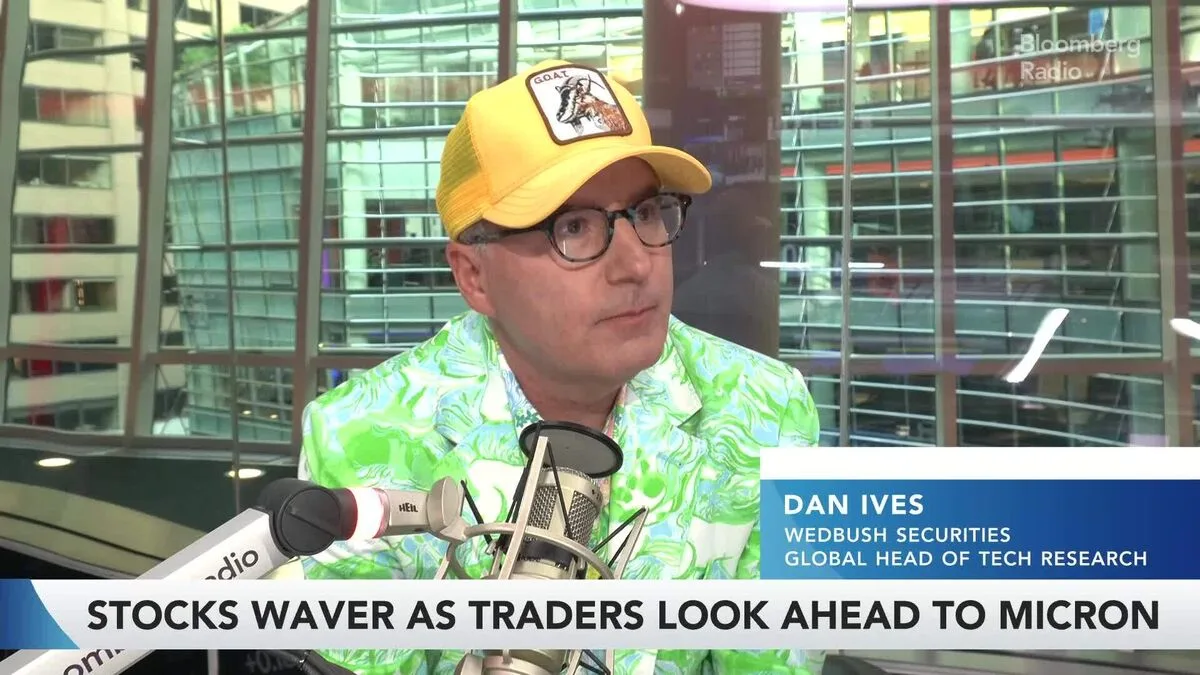
Chipmakers swung wildly this week, from a Tuesday 'chip-wreck' to a Micron-led surge after hours. What's actually going on with AI's hardware backbone?
Sarah Williams · 26 Jun · 5 min
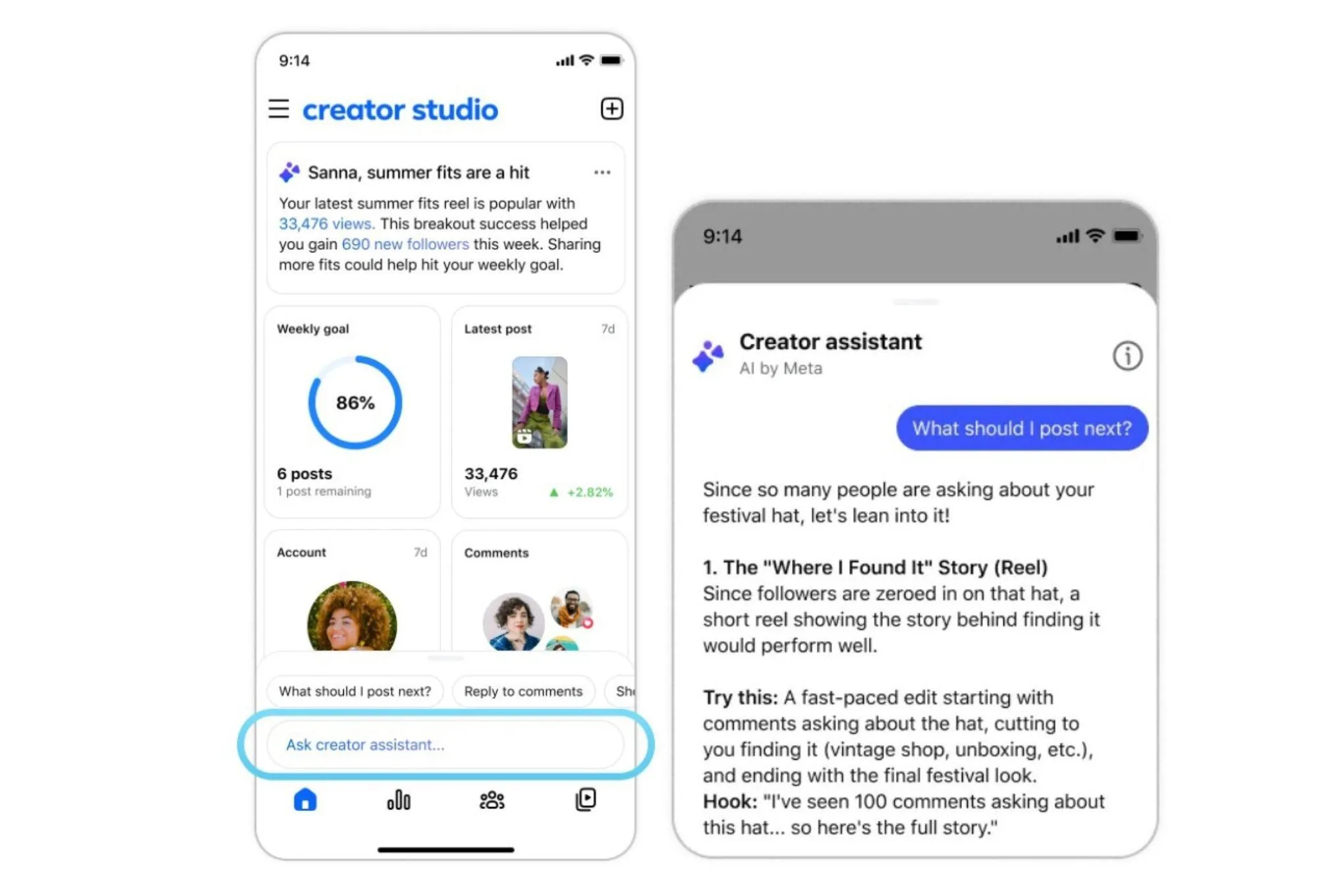
The original Creator Studio was shut down in 2023. Now it's back, rebuilt around an AI assistant that promises to grow your audience and reply to comments in your voice.
Sarah Williams · 26 Jun · 5 min
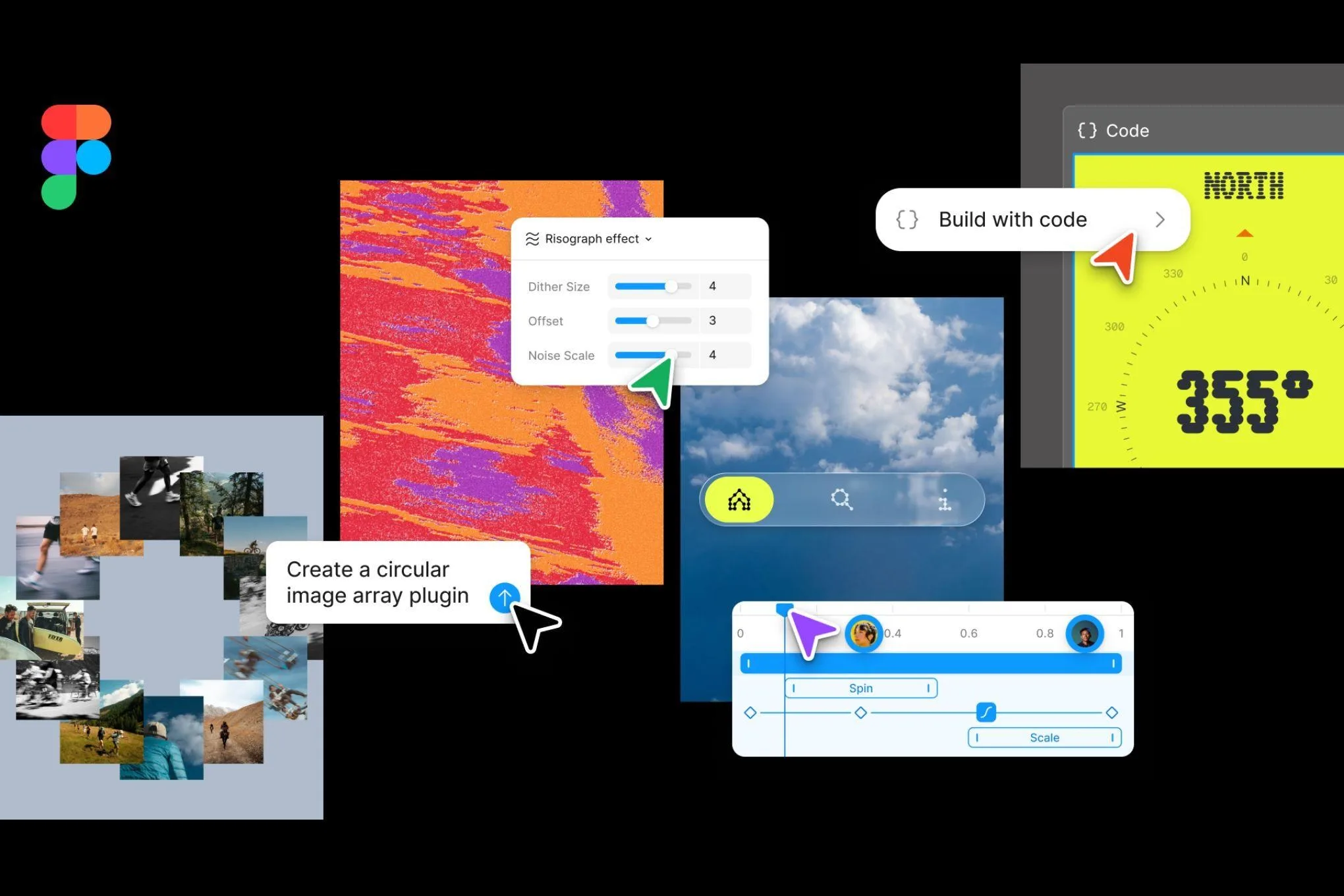
At its annual Config conference, Figma announced coding layers, AI-generated motion graphics, and a reimagined canvas that blurs the line between design and full-stack development.
Sarah Williams · 26 Jun · 5 min
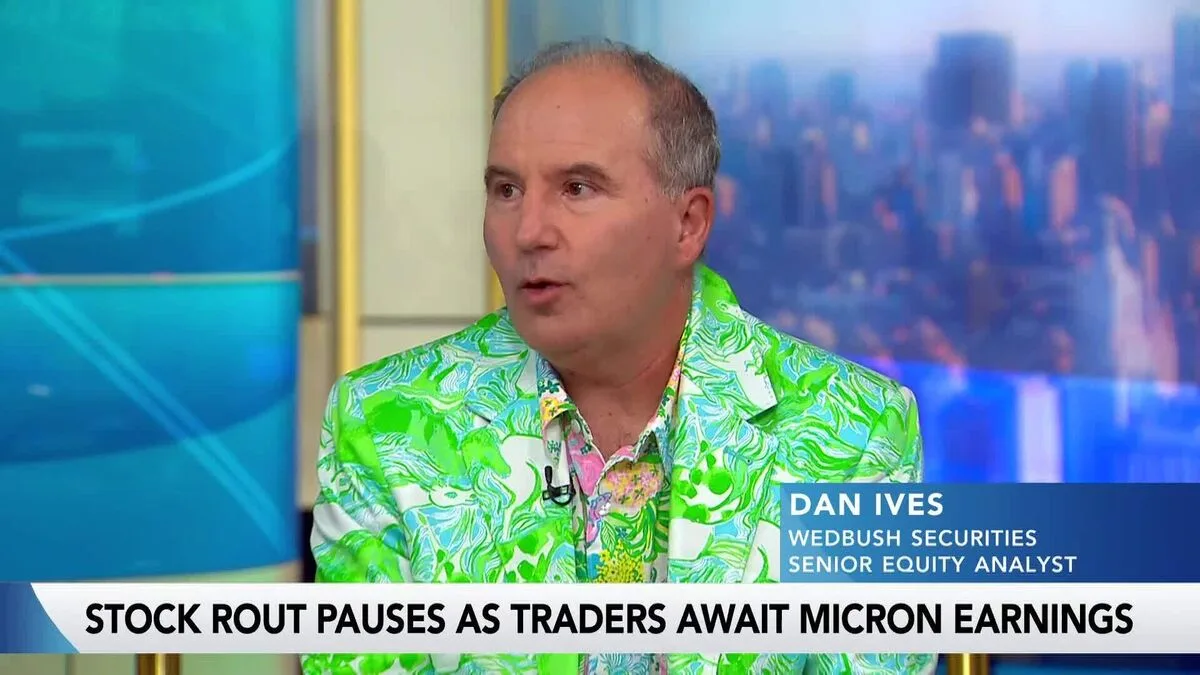
Everyone talks about chips and models. The memory bottleneck is the part of the AI buildout that keeps getting underestimated, and Micron's latest earnings make that case hard to ignore.