NVIDIA's Nemotron 3 Nano Omni Is the Edge AI Model Roboticists Actually Need
A single 4B parameter model that handles vision, audio, and language simultaneously? The specs are legitimately impressive, but the real test is what ships.
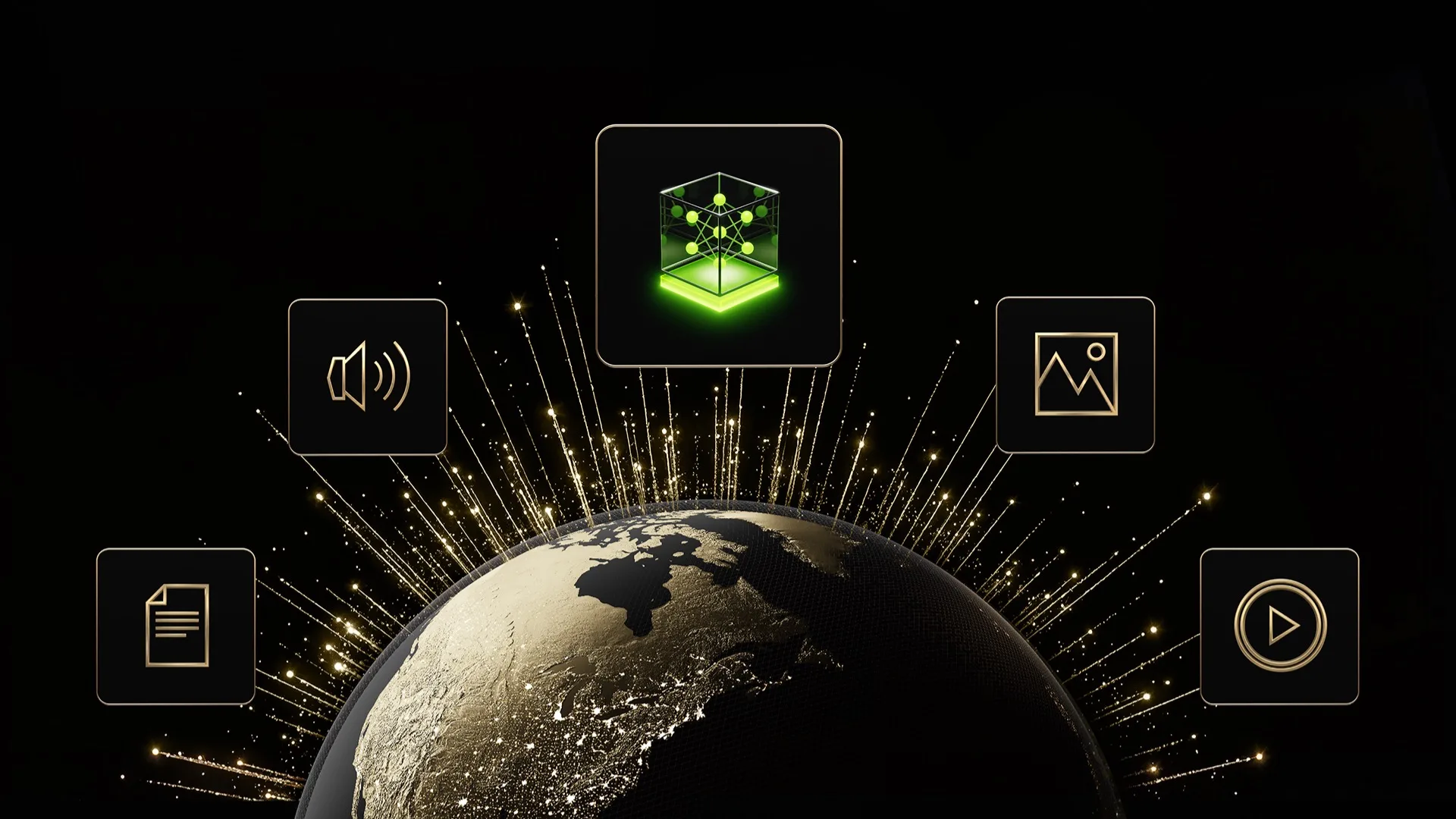
画像クレジット: Image via NVIDIA Blog — AI & Robotics. Used under fair use for news commentary. · source
I've seen enough multimodal AI announcements to be skeptical of any claim that includes "up to 9x more efficient." But NVIDIA's new Nemotron 3 Nano Omni model deserves a closer look, because the architecture choices here suggest someone actually thought about how robots and edge devices work in the real world.
The core problem Nemotron 3 Nano Omni solves is genuinely annoying. Current AI agent systems run separate models for vision, speech recognition, and language understanding. Data gets passed between them like a bad game of telephone, losing context and burning compute cycles at every handoff. If you've ever tried to deploy a multimodal system on embedded hardware, you know exactly how painful this is.
NVIDIA's solution: one model that processes all three modalities natively. No handoffs. No context loss. And at 4 billion parameters, it's sized for edge deployment rather than datacenter fantasy.
Let me be precise about the claims here, because they're specific enough to verify:
Parameter count: 4B (small enough for edge, large enough to be useful)
Context window: 128K tokens for text, support for 30+ minute audio and 15+ minute video
Efficiency gain: Up to 9x improvement over cascaded multi-model systems
Latency: Sub-200ms response times on edge hardware (NVIDIA claims)
License: Open weights, Apache 2.0
The 128K context window is the standout spec. Most edge-optimized models cap out around 8K or 16K tokens. Being able to process a 30-minute audio recording or a 15-minute video in a single pass changes what's architecturally possible for robotics applications.
関連記事
More in AI Models
Chipmakers swung wildly this week, from a Tuesday 'chip-wreck' to a Micron-led surge after hours. What's actually going on with AI's hardware backbone?
Sarah Williams · 26 Jun · 5 min
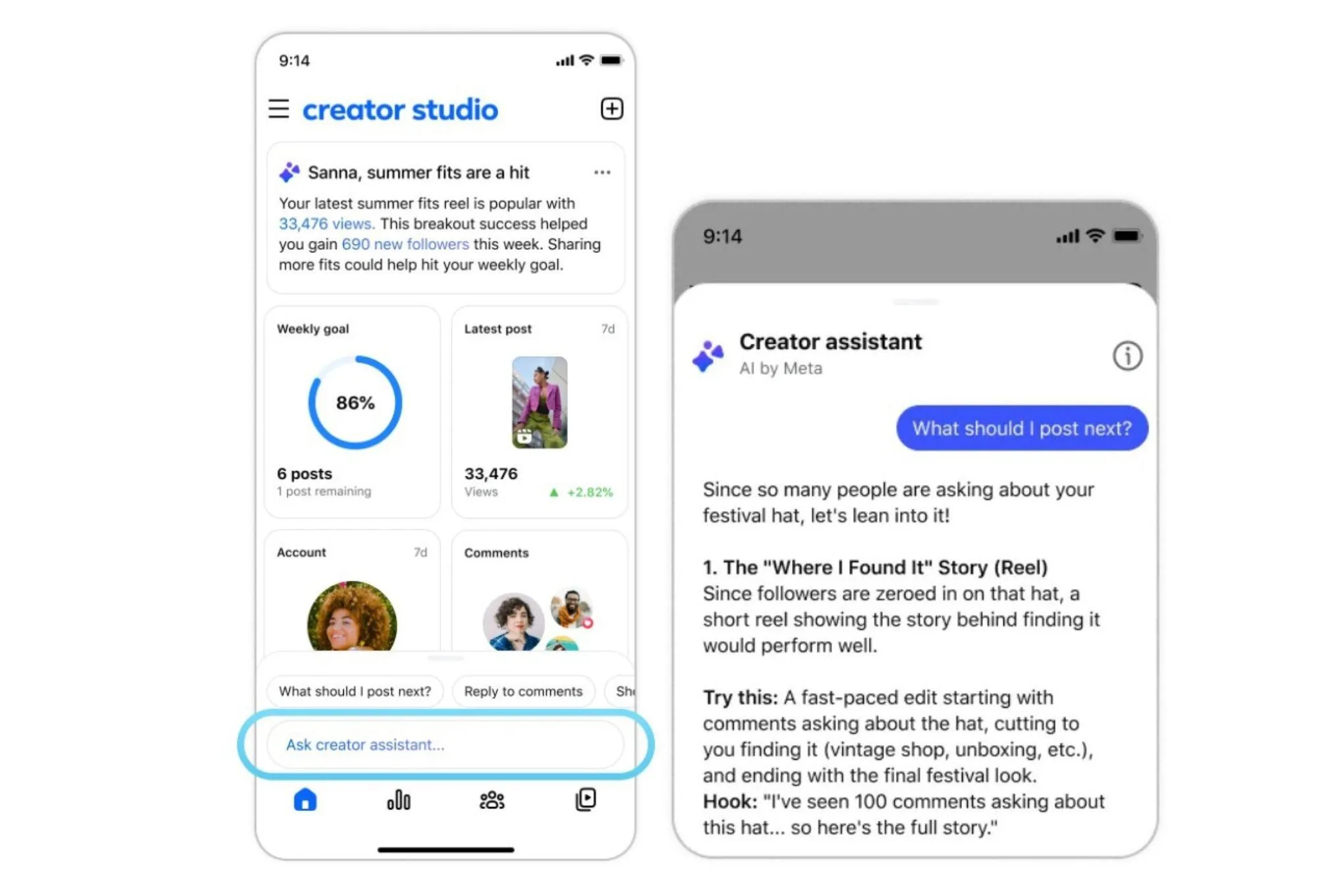
The original Creator Studio was shut down in 2023. Now it's back, rebuilt around an AI assistant that promises to grow your audience and reply to comments in your voice.
Sarah Williams · 26 Jun · 5 min
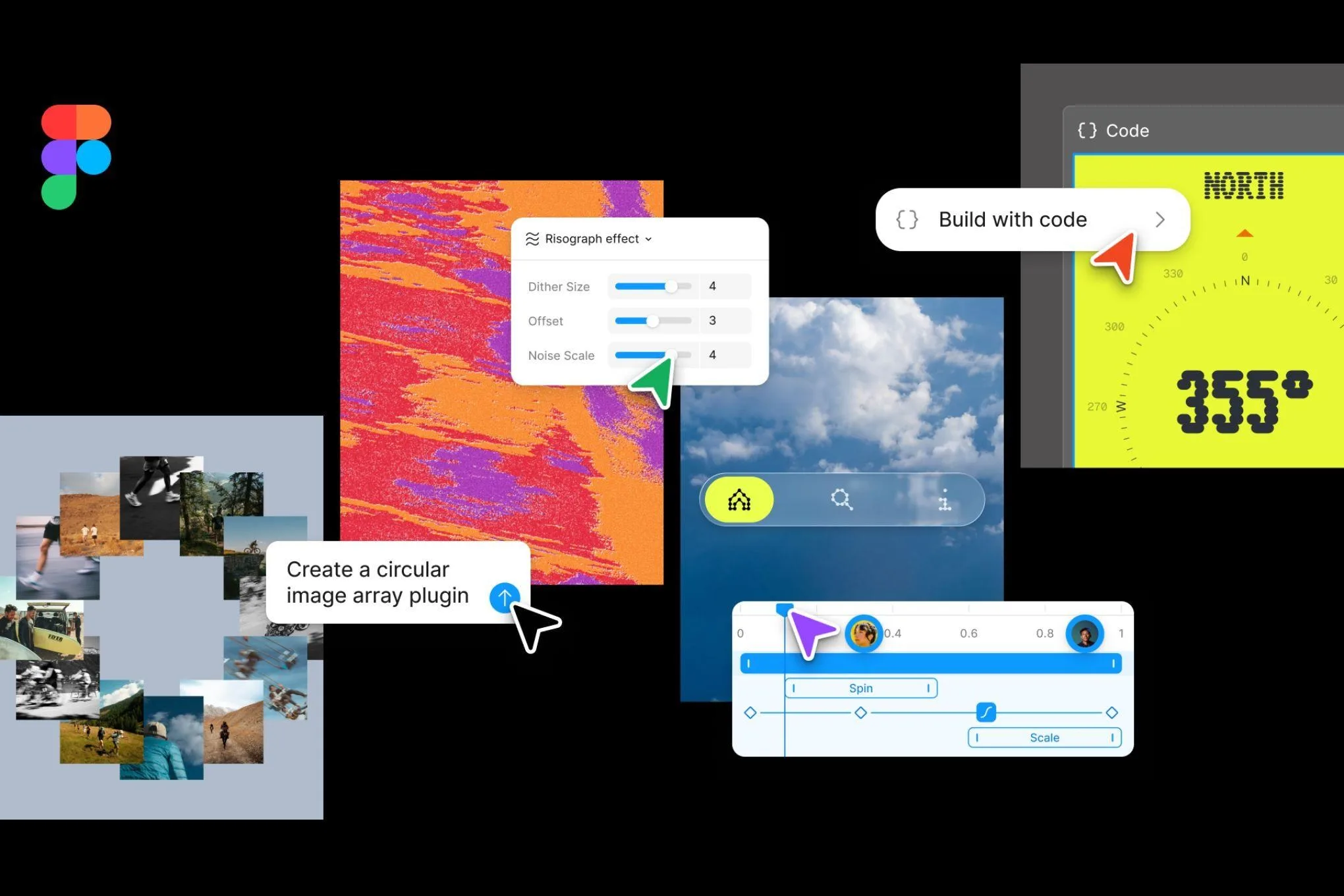
At its annual Config conference, Figma announced coding layers, AI-generated motion graphics, and a reimagined canvas that blurs the line between design and full-stack development.
Sarah Williams · 26 Jun · 5 min
Everyone talks about chips and models. The memory bottleneck is the part of the AI buildout that keeps getting underestimated, and Micron's latest earnings make that case hard to ignore.
From my time building hardware at Fanuc, I can tell you that context length was always the bottleneck for any kind of meaningful task continuity. A robot that forgets what happened 2 minutes ago isn't much use on a factory floor.
NVIDIA built Nemotron 3 Nano Omni using what they call a "unified decoder-only transformer" approach. In plain terms: instead of having separate encoder modules for each modality that feed into a central language model, everything goes through the same architecture.
This is a deliberate tradeoff. Unified architectures typically sacrifice some peak performance on individual modalities in exchange for better cross-modal reasoning and dramatically simpler deployment. For robotics, that's usually the right call. You don't need state-of-the-art speech recognition; you need speech recognition that works reliably alongside vision and language in the same inference pass.
The model supports:
Text-to-text (standard LLM behavior)
Vision-to-text (image and video understanding)
Audio-to-text (speech recognition and audio understanding)
Text-to-audio (speech synthesis)
Combined inputs (process video with audio, answer questions about both)
What's notably absent: audio-to-audio or vision-to-vision generation. This is a perception and language model, not a generative media model. That's a reasonable scope limitation for the target use cases.
Look, the practical implications here are significant for anyone building robots or embedded AI systems.
For industrial automation: A single model that can watch a production line via camera, listen for anomalous sounds, and respond to voice commands from operators, all without cloud connectivity. That's been a holy grail for years. It remains unclear how well the model handles noisy factory environments, but the architecture at least makes it possible.
For mobile robots: Delivery robots, warehouse AMRs, service robots, these all need to process visual navigation, understand spoken instructions, and maintain context over extended operations. Running three separate models on battery-powered hardware is brutal. One model is manageable.
For consumer devices: Smart home robots, assistive devices, anything that needs to feel responsive rather than laggy. Sub-200ms latency is the threshold where interactions start feeling natural.
The 9x efficiency claim needs context. NVIDIA is comparing against cascaded systems where you run a speech model, pass output to a vision model, then pass that to a language model. Each step adds latency and loses information. That's an ambitious number, but it's also comparing against a genuinely inefficient baseline that, well, most production systems actually use.
The model is available now on Hugging Face with Apache 2.0 licensing. Open weights mean anyone can download, fine-tune, and deploy without licensing fees. That's a meaningful choice from NVIDIA, though obviously they benefit from ecosystem adoption driving hardware sales.
The real test is production volume. I've seen plenty of impressive demo models that fall apart when you try to run them 24/7 on actual hardware. The questions that matter:
How does performance degrade under thermal throttling on edge devices?
What's the actual memory footprint during inference with full 128K context?
How robust is the audio processing to real-world noise (not clean studio recordings)?
Can you fine-tune efficiently on domain-specific data without catastrophic forgetting?
NVIDIA's blog post doesn't address most of these. We'll need independent benchmarks from people actually deploying the thing.
The timing is notable. This release lands as multiple robotics companies are hitting the wall with their current multimodal stacks. Boston Dynamics, Agility, and the humanoid crowd are all wrestling with how to make their robots actually understand and respond to complex environments. A capable open-source option at this parameter count could accelerate a lot of development work.
I'm cautiously optimistic. The architecture is sound, the specs are appropriate for the target use cases, and open weights mean we'll find out quickly if the claims hold up. That's more than I can say for most AI announcements that cross my desk.
But I've been burned before by models that look great on paper. The real question isn't whether Nemotron 3 Nano Omni can process vision, audio, and language together. It's whether it can do it reliably enough that roboticists stop rolling their own fragile multi-model pipelines. We don't know yet. Check back in six months when people have actually shipped products with it.