Google's AI Subscription Price Cut Is Good News, But Not For The Reasons Tech Press Thinks
Google just slashed the cost of its AI Plus plan, and everyone's calling it a win for consumers. They're not wrong, but they're missing the bigger story.
画像クレジット: Image via TechCrunch — AI. Used under fair use for news commentary. · source
AI subscriptions are getting cheaper, and that's genuinely good. But the way the tech press is covering this, you'd think Google just did us all a favour out of the kindness of their hearts.
Let me complicate that a bit.
TechCrunch is calling Google's latest pricing move "a warning shot in the AI subscription price wars," which is a dramatic way of saying: competition is working. Google AI Plus just got meaningfully cheaper, and according to ZDNet, some users are saving up to $180 a year by restructuring how they bundle cloud storage with their AI plan. That's not nothing. That's real money.
But I've been around long enough to know what a price war actually looks like, and what it does to an industry over time.
When I was at Kuka, we watched something similar play out in industrial controller software in the early 2000s. Everyone was undercutting everyone else on licensing fees. Short term, customers loved it. Long term, two or three players consolidated the whole market and prices crept right back up. The companies that couldn't survive the price compression just disappeared. I'm not saying that's what happens here, but I've seen this movie before.
Here's what we actually know about Google's move:
Google AI Plus is now cheaper to access, particularly when bundled with existing Google One storage plans
関連記事
More in AI Models
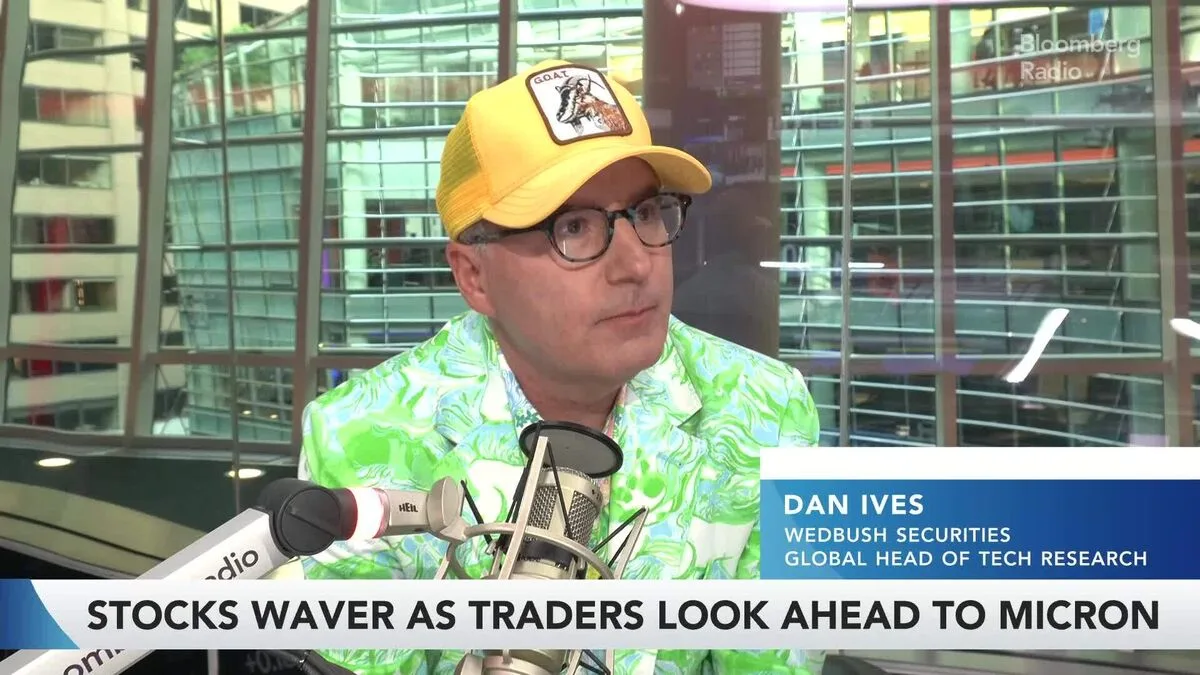
Chipmakers swung wildly this week, from a Tuesday 'chip-wreck' to a Micron-led surge after hours. What's actually going on with AI's hardware backbone?
Sarah Williams · 26 Jun · 5 min
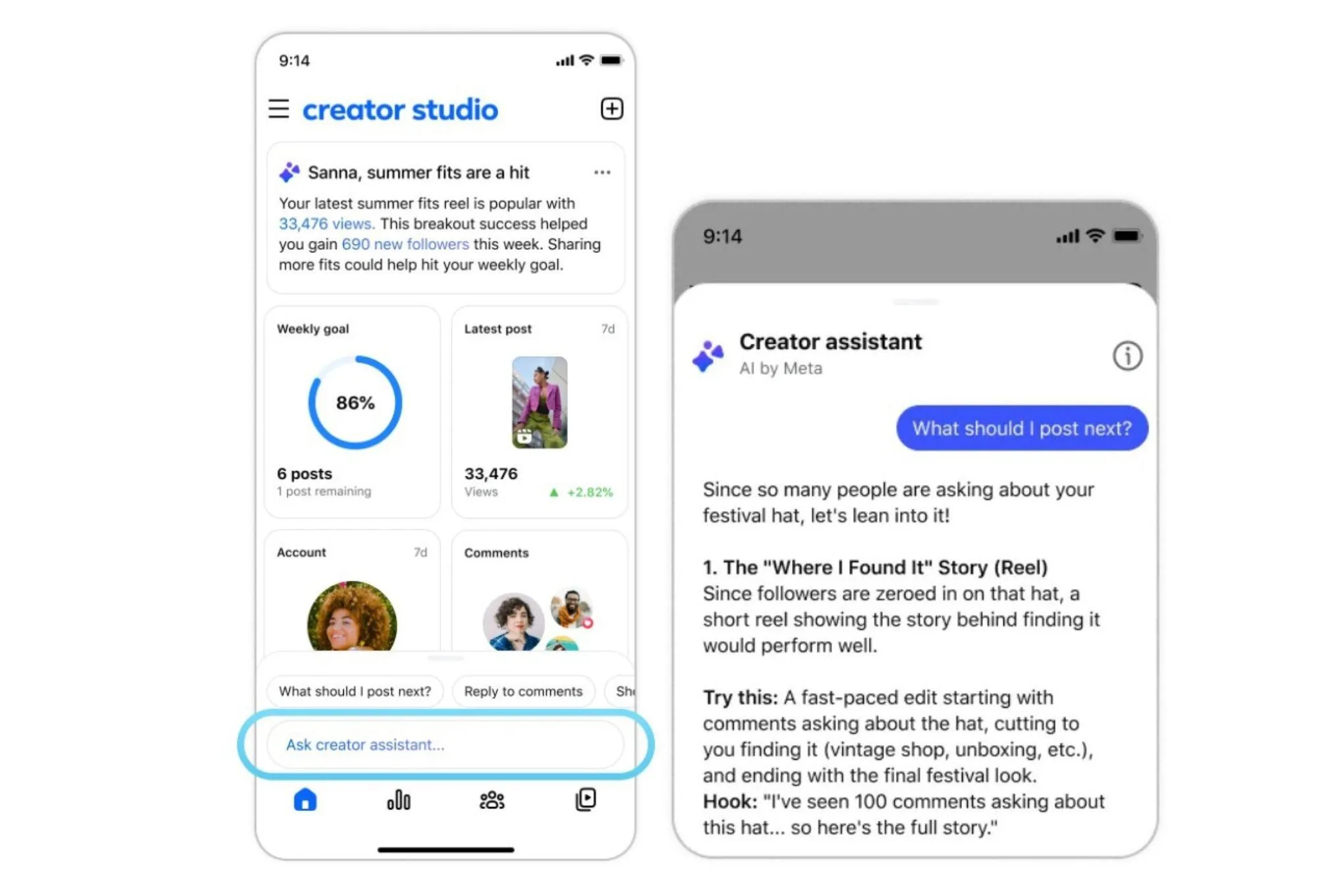
The original Creator Studio was shut down in 2023. Now it's back, rebuilt around an AI assistant that promises to grow your audience and reply to comments in your voice.
Sarah Williams · 26 Jun · 5 min
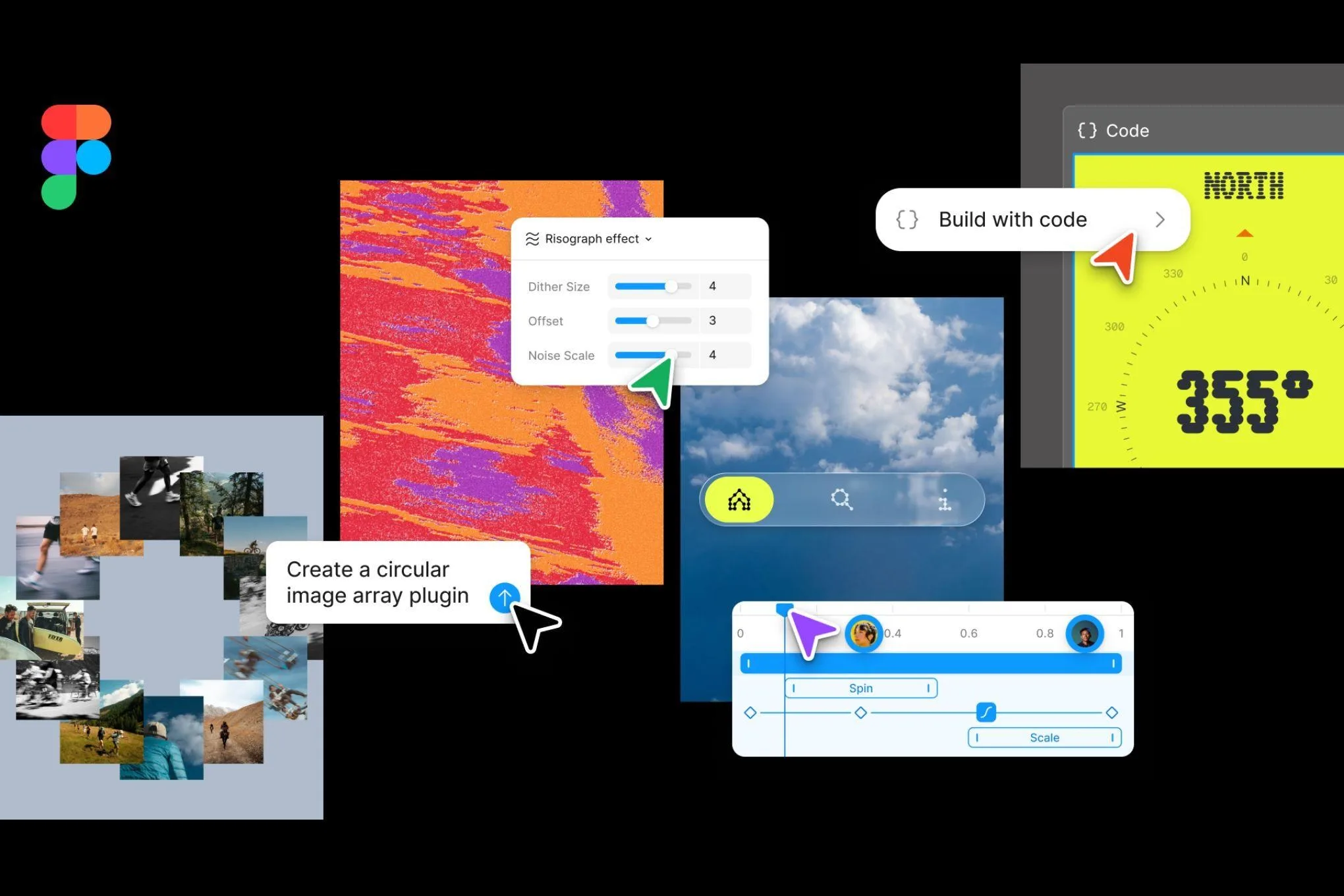
At its annual Config conference, Figma announced coding layers, AI-generated motion graphics, and a reimagined canvas that blurs the line between design and full-stack development.
Sarah Williams · 26 Jun · 5 min
Everyone talks about chips and models. The memory bottleneck is the part of the AI buildout that keeps getting underestimated, and Micron's latest earnings make that case hard to ignore.
Users who already pay for Google One storage can apparently restructure their subscription to avoid paying twice for overlapping services
The savings ZDNet reported, up to $180 annually, come from eliminating that overlap rather than Google simply cutting its headline price
TechCrunch frames this as Google responding to competitive pressure from OpenAI and others, which seems right
It's not yet clear whether the underlying AI capabilities changed, or just the packaging
That last point matters. I'll be honest, I went looking for specifics on what you actually get with the repriced plan versus the old one, and the sources I found don't spell it out cleanly. It's too early to say whether this is a genuine value improvement or just a billing restructure that looks like a discount.
The bundling angle is sort of the whole story here, actually. Google has the advantage of already owning your storage, your email, your calendar. Folding AI into that existing relationship is a different competitive play than what OpenAI or Anthropic can pull off. They're selling a standalone product. Google is selling you more of something you already bought. That's not better or worse, it's just a different kind of leverage.
For regular consumers, the practical upshot is simple: if you're already paying for Google One and you've been on the fence about trying Gemini or the broader Google AI suite, the barrier just got lower. That's worth knowing.
For the industry, this raises questions about, well, multiple things. Whether Microsoft responds with another Xbox Game Pass style bundle play. Whether OpenAI's standalone pricing starts to look expensive by comparison. Whether smaller AI tool companies get squeezed out of a market that's consolidating around a few giant subscription platforms.
I called my old colleague Dave, who now consults on enterprise software procurement, and his take was basically: big platforms bundling AI into existing subscriptions is going to make it very hard for point solutions to justify their price tags to finance departments. He's seen it happen with security software, with analytics tools. The bundle wins procurement battles even when the standalone product is technically better.
That dynamic is probably more consequential than whether your personal Google bill goes down by fifteen dollars a month. Though, again, fifteen dollars a month is fifteen dollars a month. I'm not going to pretend that doesn't matter to people.
Look, here's the thing. Price competition in AI subscriptions is, on balance, a good development. The early pricing on these tools felt like the industry testing what the market would bear rather than reflecting actual cost structures. Some correction was inevitable. Whether Google's move triggers a genuine sustained price war or just a temporary shuffle before consolidation, I genuinely don't know. This is based on limited data from two sources covering a fast-moving story, and the full picture of what Google changed and why isn't fully public yet.
Watch what OpenAI and Microsoft do in the next few weeks. That'll tell you more than Google's press materials will.