Google Won't Stop Asking If I Want Help Writing. I Don't.
Bob Macintosh just wants to type a sentence without a chatbot offering to finish it for him.
画像クレジット: Image via TechCrunch — AI. Used under fair use for news commentary. · source
I sat down last Tuesday to write up some notes on a conveyor spec I'd been looking at, opened a Google Doc, and before I'd typed ten words, there it was again. That little sidebar shimmer. "write with Gemini." I'll be honest, the third time it appeared in a single session I said something out loud that I probably shouldn't repeat here.
Now, I spent twelve years at Kuka. I've debugged PLC ladder logic at two in the morning. I've argued with mechanical engineers about whether a wrist joint was within tolerance when everyone in the room knew it wasn't. I am not afraid of software. But this particular flavor of helpfulness is starting to wear on me in a way I didn't expect.
The thing is, it's not really about AI. I don't have some blanket objection to machine assistance. Half the tools I used at Kuka had some form of automated fault detection baked in, and I was grateful for it. What bothers me is the assumption built into these pop-ups: that the act of writing is a problem to be solved, something inefficient that a smarter system should handle for you. When I'm drafting notes, I'm thinking. The writing is the thinking. Having something offer to finish my sentences is a bit like someone grabbing the steering wheel because you paused at a junction.
TechCrunch ran a piece this week on exactly how to turn the feature off, describing the Gemini prompts as "pesky," which, yes, that's the word. The steps aren't complicated, though they're buried well enough that most people won't bother. You go into your Google account settings, find the relevant Labs or AI features toggle depending on your workspace tier, and switch it off. It stays off, apparently, though I'll believe that when I see it through a few browser updates.
関連記事
More in AI Models
Chipmakers swung wildly this week, from a Tuesday 'chip-wreck' to a Micron-led surge after hours. What's actually going on with AI's hardware backbone?
Sarah Williams · 26 Jun · 5 min
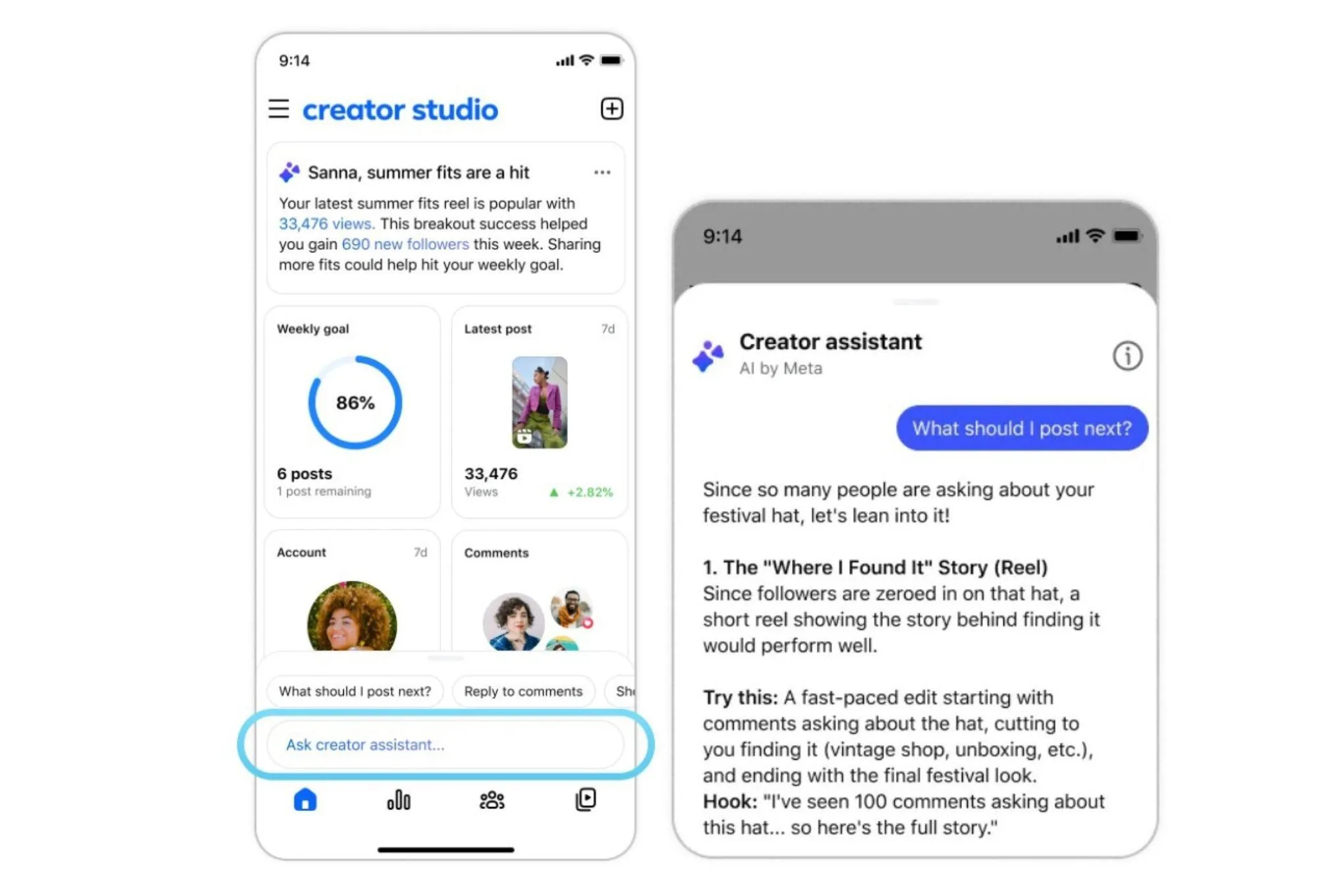
The original Creator Studio was shut down in 2023. Now it's back, rebuilt around an AI assistant that promises to grow your audience and reply to comments in your voice.
Sarah Williams · 26 Jun · 5 min
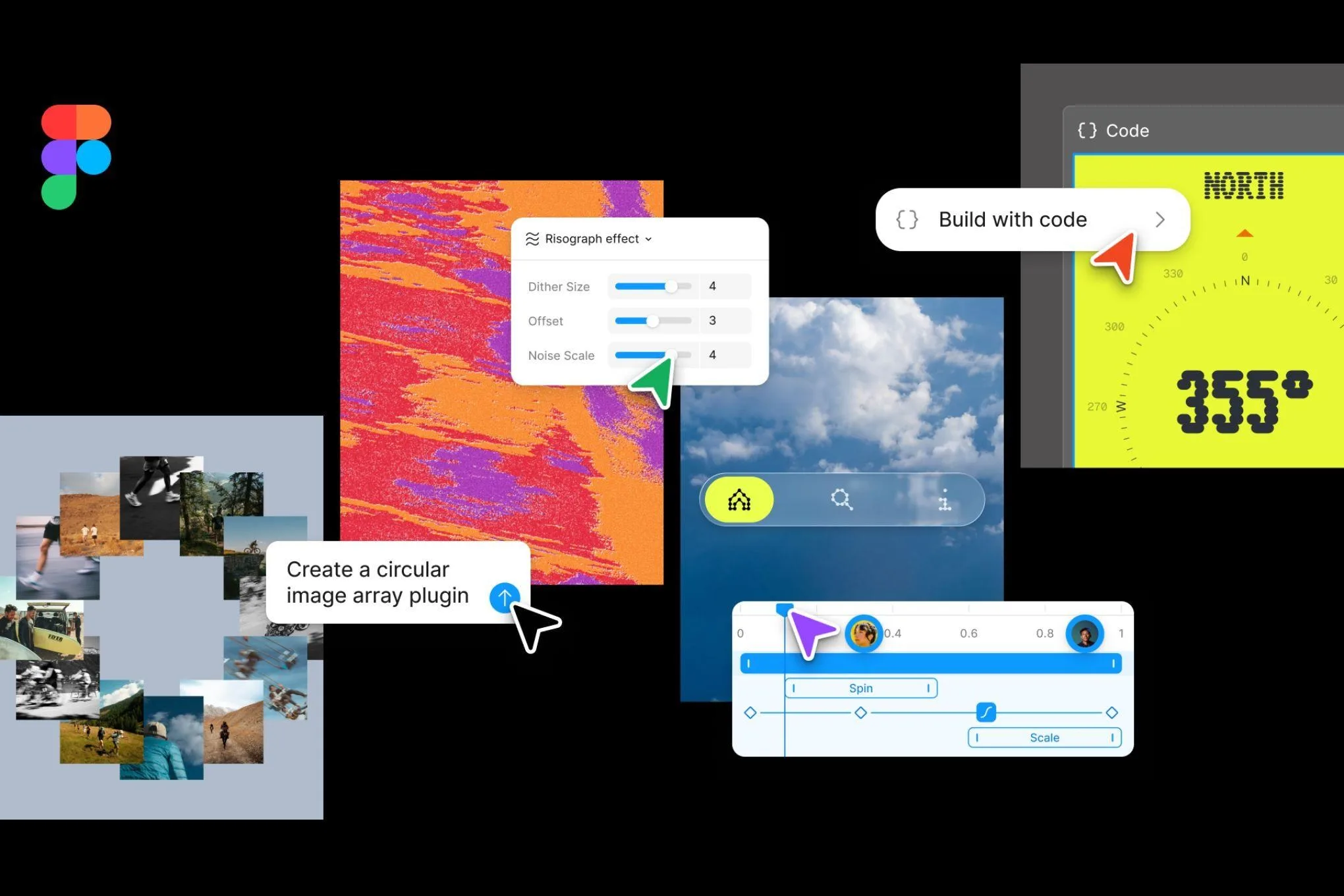
At its annual Config conference, Figma announced coding layers, AI-generated motion graphics, and a reimagined canvas that blurs the line between design and full-stack development.
Sarah Williams · 26 Jun · 5 min
Everyone talks about chips and models. The memory bottleneck is the part of the AI buildout that keeps getting underestimated, and Micron's latest earnings make that case hard to ignore.