画像クレジット: Image via Source article. Used under fair use for news commentary. · source
Is Europe about to become an AI powerhouse, or is it about to watch another tech wave crash on its shores while it argues about funding mechanisms?
I've been covering tech long enough to remember when Europe was going to dominate mobile (Nokia), then cloud computing (various national champions), then fintech (London was the future!). Each time the pattern looks roughly the same: big announcements, bigger promises, then a slow fade into "what happened?" articles five years later. So when I see two AI infrastructure stories drop in the same week pointing in opposite directions, call me old-fashioned, but I pay attention.
Let's start with the headline grabber. Bloomberg reports that SoftBank Group Corp. plans to invest up to €75 billion (that's roughly $87 billion at current rates) to build 5 gigawatts of AI data center capacity in France. The pitch is that France is "poised to become a top European hub for AI infrastructure."
That's a lot of money! That's a lot of power! And if you've followed SoftBank's track record, that's also a lot of caveats baked into "up to" and "plans to."
I'm not saying SoftBank won't spend real money here, they probably will, but the gap between announcement and completion in infrastructure projects is where dreams go to get complicated. Permitting, power grid connections, local opposition, construction delays, the actual availability of AI chips in sufficient quantities, these aren't small details. They're the whole ballgame.
関連記事
More in AI Models
Chipmakers swung wildly this week, from a Tuesday 'chip-wreck' to a Micron-led surge after hours. What's actually going on with AI's hardware backbone?
Sarah Williams · 26 Jun · 5 min
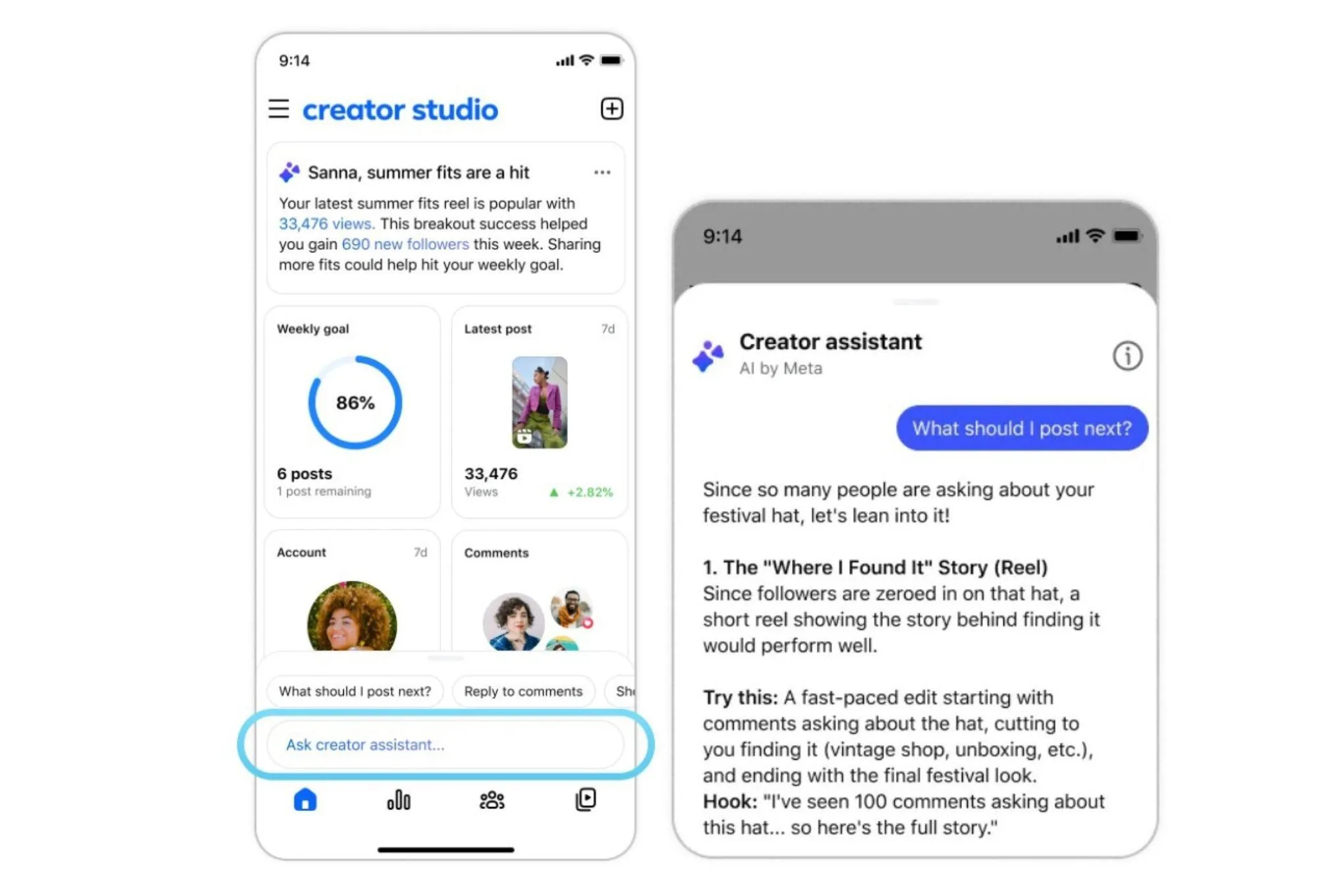
The original Creator Studio was shut down in 2023. Now it's back, rebuilt around an AI assistant that promises to grow your audience and reply to comments in your voice.
Sarah Williams · 26 Jun · 5 min
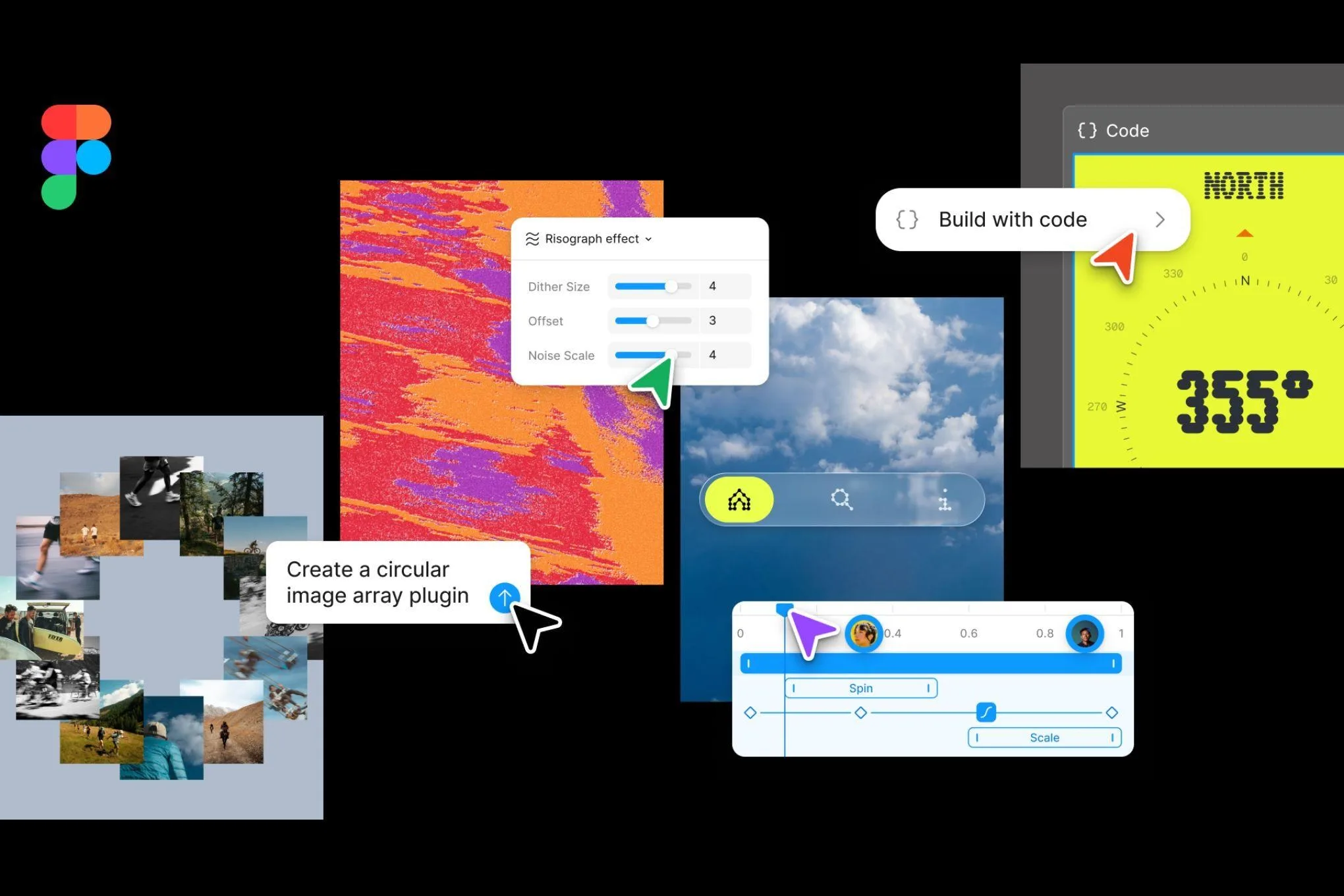
At its annual Config conference, Figma announced coding layers, AI-generated motion graphics, and a reimagined canvas that blurs the line between design and full-stack development.
Sarah Williams · 26 Jun · 5 min
Everyone talks about chips and models. The memory bottleneck is the part of the AI buildout that keeps getting underestimated, and Micron's latest earnings make that case hard to ignore.
France has some advantages here. Nuclear power (abundant, relatively cheap, low-carbon) makes it attractive for the energy-hungry business of running AI inference at scale. The Macron government has been aggressively courting tech investment. And unlike some European neighbors, France has been willing to move fast on approvals when it wants something.
Here's where it gets interesting, and by interesting I mean depressingly familiar.
Bloomberg also reports that the European Union's own €20 billion investment plan for five massive AI data centers is "floundering." Delays. Funding issues. Potential partners getting alienated.
Now, €20 billion is smaller than €75 billion, but it's still serious money, $23.3 billion, and it was supposed to demonstrate that Europe could coordinate on strategic tech infrastructure. Instead, it's demonstrating exactly what critics always say about EU tech policy: too many stakeholders, too slow to move, too much process.
The details are still emerging (I only found limited sourcing on the specific bottlenecks), but the pattern matches what I've seen in previous EU tech initiatives. You get the announcement, you get the summit photo, you get the joint statement, and then you get two years of working groups trying to figure out which countries get what, who contributes how much, and whose regulations apply where.
Meanwhile, a Japanese conglomerate shows up with a bigger checkbook and says "France, you want this? Let's talk."
Remember when every major automaker and tech company was going to have fully autonomous vehicles by 2020? Then 2022? Then 2025? The technology was real, the investment was real, but the timelines were fantasy. The hard problems turned out to be harder than the demos suggested.
AI data centers are more straightforward than autonomous vehicles in some ways, we know how to build data centers, we've been doing it for decades, but the scale here is unprecedented. Five gigawatts is roughly the output of five nuclear reactors running full tilt. That's not a rounding error. That's a massive infrastructure commitment that requires everything to go right for years.
And here's what remains unclear: where does the chip supply come from? NVIDIA can't make enough GPUs to satisfy current demand, and that's before you add 5 gigawatts of French data center capacity to the queue. Does SoftBank have allocation commitments? Are they betting on alternative chip suppliers? The announcement didn't say, or if it did, I couldn't find it.
Honestly? It's too early to say whether either of these initiatives will matter in five years.
The optimistic read is that Europe is finally getting serious about AI infrastructure, and private capital (SoftBank) is filling gaps that public coordination (the EU) can't. France gets its data centers, other countries figure out their own deals, and Europe collectively has enough compute to matter.
The pessimistic read is that we're watching a replay of every previous tech cycle: splashy announcements, fragmented execution, and eventual consolidation in the US and China while Europe argues about digital sovereignty.
I lean toward the pessimistic read, but what do I know. I've just been watching this stuff since before most of the young founders building AI companies were born.
The one thing I'm confident about is that the gap between announcement and reality is going to be significant. SoftBank's €75 billion is not €75 billion today, it's a commitment that will be revised, renegotiated, and restructured multiple times before any of those data centers actually run inference on production workloads. The EU's €20 billion might get smaller, might get redirected, might get quietly forgotten when the next crisis demands attention.
Europe has the talent, has the capital, has the regulatory frameworks (for better or worse), and has the stated ambition. What it's never quite figured out is how to move fast enough to matter in industries where speed is the whole game.
Maybe this time is different. I've heard that one before too.
(If you want to argue about this, my email's on the about page. I still check it, unlike whatever Slack channel you're thinking of pinging me on.)