画像クレジット: Image via Source article. Used under fair use for news commentary. · source
Apple went "all in" on AI at this year's Worldwide Developers Conference. Those are the company's words, not mine. And honestly, I'm not sure the phrase means what they think it means.
The centerpiece is a revamped Siri, now rebranded as "Siri AI," which Apple is pitching as an all-encompassing virtual assistant that ties together your Apple devices with multimodal features, a dedicated app, and what they're calling an "all-in-one AI agent." CEO Tim Cook promised the company would be "introducing new technologies and innovations that push the limits on what's possible."
But here's the thing. After watching the keynote and reading through the coverage, I keep coming back to the same thought: this looks a lot less like pushing limits and a lot more like finally showing up to a party that started two years ago.
Let me be clear about what Apple announced. Siri AI is getting multimodal capabilities, meaning it can process images, text, and voice together. It's getting deeper integration across Apple's ecosystem. There's a new dedicated app. Privacy protections are being emphasized heavily (this is Apple, after all).
These are real features. They're useful. And they're also things that Google, OpenAI, and others have been shipping for a while now.
The Verge put it bluntly: Apple's announcements "had more to do with catching up." The publication noted that Apple "almost entirely neglected Siri and punted its AI promises down the road in 2025." That's a rough way to describe a company that's supposed to be at the forefront of consumer technology.
I initially thought maybe I was being too harsh. Apple has always been the company that waits, watches others make mistakes, then swoops in with a polished version. The iPhone wasn't the first smartphone. The iPad wasn't the first tablet. Maybe this is just Apple being Apple?
関連記事
More in AI Models
Chipmakers swung wildly this week, from a Tuesday 'chip-wreck' to a Micron-led surge after hours. What's actually going on with AI's hardware backbone?
Sarah Williams · 26 Jun · 5 min
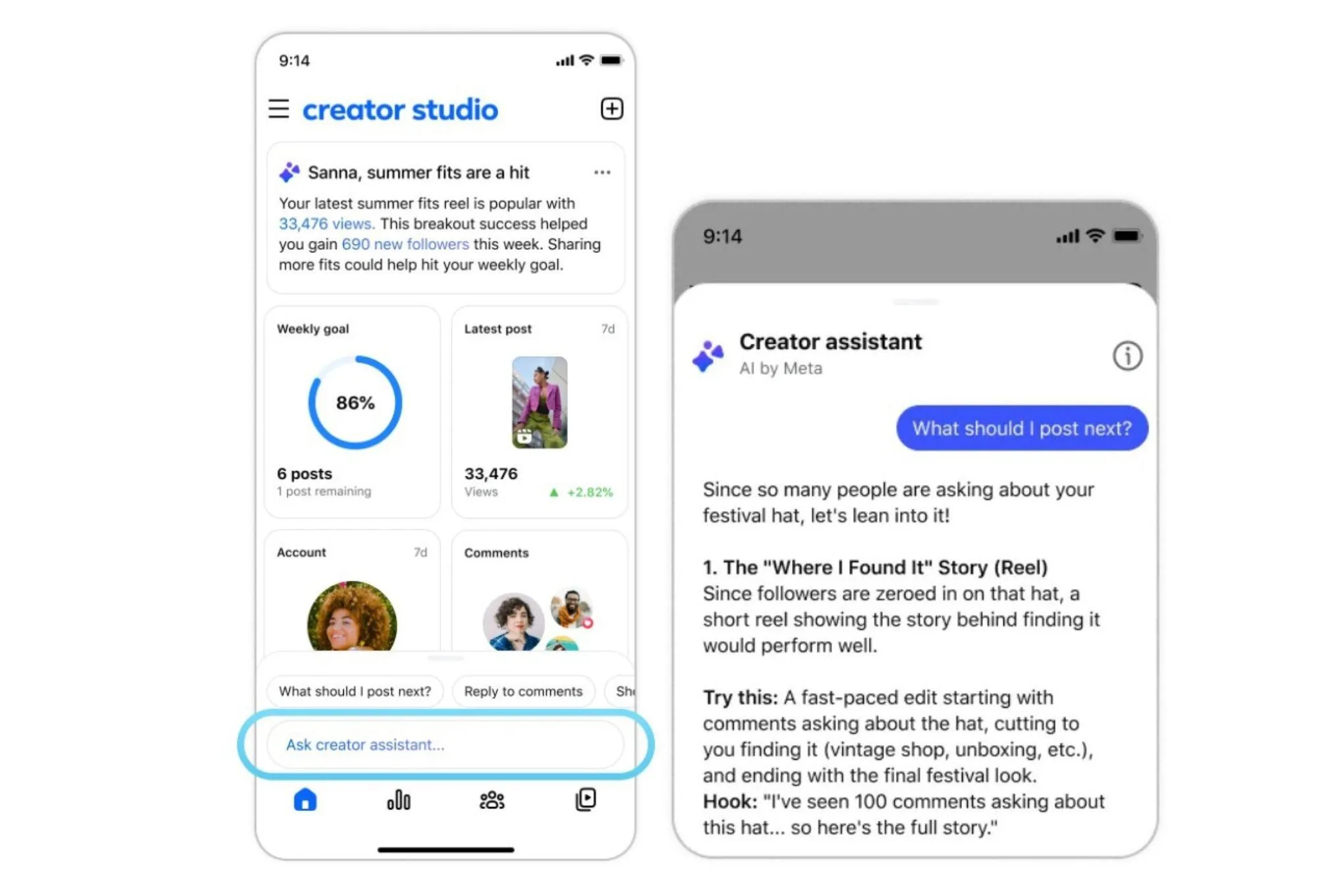
The original Creator Studio was shut down in 2023. Now it's back, rebuilt around an AI assistant that promises to grow your audience and reply to comments in your voice.
Sarah Williams · 26 Jun · 5 min
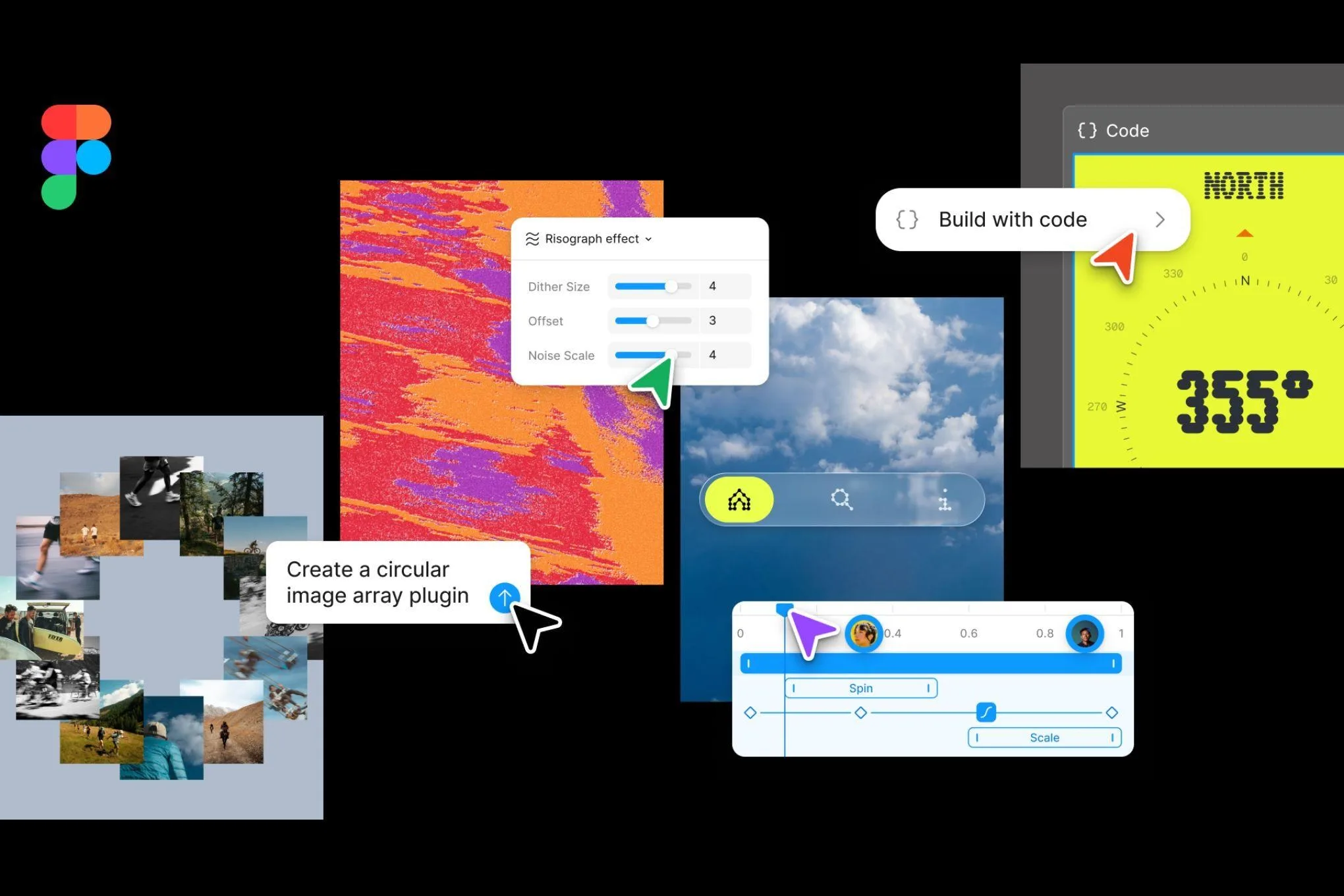
At its annual Config conference, Figma announced coding layers, AI-generated motion graphics, and a reimagined canvas that blurs the line between design and full-stack development.
Sarah Williams · 26 Jun · 5 min
Everyone talks about chips and models. The memory bottleneck is the part of the AI buildout that keeps getting underestimated, and Micron's latest earnings make that case hard to ignore.
But after reading more about the announcement, I'm less convinced. The AI landscape moves differently than the smartphone market did. The iteration cycles are measured in months, not years. While Apple was figuring out its approach, OpenAI shipped GPT-4, then GPT-4o, then started putting AI in robots. Google rebuilt its entire search product around AI. Microsoft integrated Copilot into everything.
Apple's response? A Siri upgrade that's arriving in, well, the timeline remains unclear from the keynote.
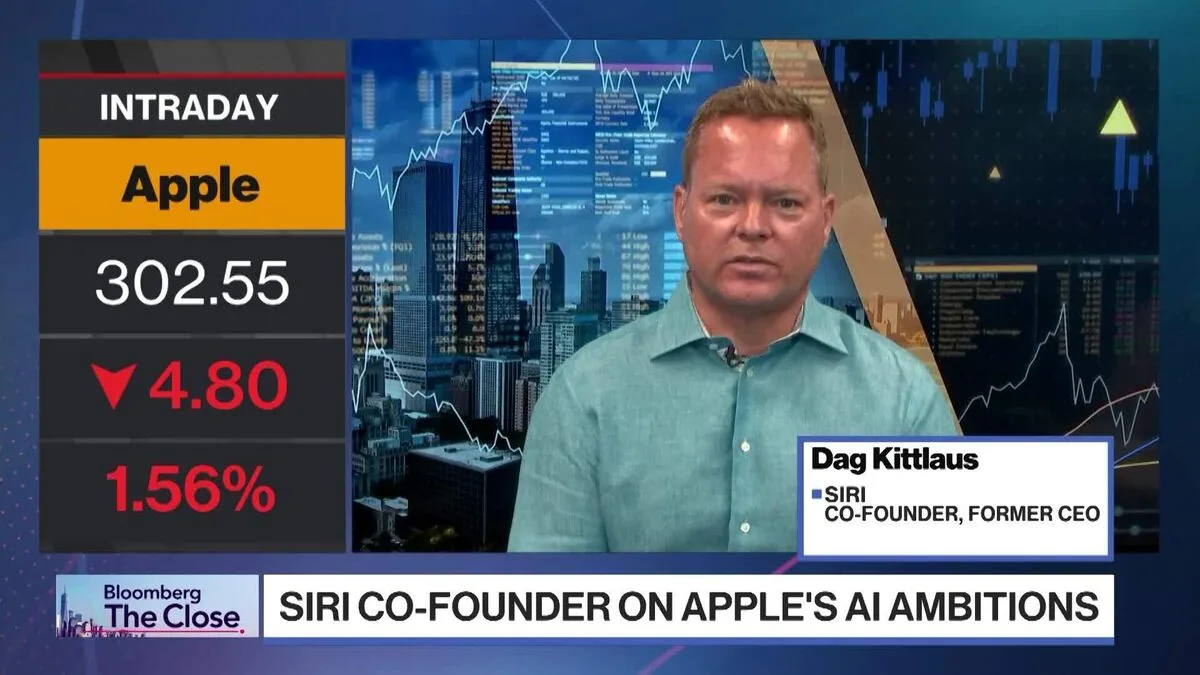
Dag Kittlaus, who co-founded Siri before Apple acquired it back in 2010, appeared on Bloomberg to react to the announcements. He called Apple's AI update a "great first step."
That's diplomatic. It's also, tbh, a little damning. "First step" is what you say about a company that's just getting started. Siri launched in 2011. We're 15 years into this product's life, and its own creator is describing the latest version as a first step?
I should note that Kittlaus left Apple years ago and has gone on to build other AI companies, so he's not exactly a neutral observer. He has every incentive to be gracious about his old creation while also subtly suggesting it's been underperforming. Which, you know, it has been.
The gap between Siri and its competitors has been obvious to anyone who's tried to use voice assistants across different platforms. Ask Siri to do something complex and you often get a web search. Ask the same thing of ChatGPT or Google's assistant and you get an actual answer. This has been true for years. Apple's response has been... slow.
Apple executives emphasized privacy throughout the keynote, which is their standard playbook. And look, it's not nothing. Apple's approach to on-device processing and data minimization is genuinely different from what Google and Meta do. If you care about your data not being vacuumed up to train models or target ads, Apple's pitch is compelling.
But I'm starting to wonder if privacy has become a crutch. It's easier to explain why you're behind if you can point to principled reasons. "We're slower because we're more careful" is a better story than "we're slower because we didn't prioritize this."
The truth is probably somewhere in between. Apple does care about privacy. Apple also clearly underestimated how quickly the AI landscape would shift and how much consumer expectations would change. Both things can be true.
You might be wondering whether Apple's privacy-first approach will actually matter to consumers. Honestly, I don't know. The people who care deeply about privacy already buy Apple products. The people who don't care are using whatever's most convenient. It's unclear whether "private AI" is a selling point that moves the needle for the middle group.
Here's where I should probably offer some confident prediction about Apple's AI future. I don't have one.
What I can say is that the company's track record on Siri specifically is not encouraging. This is a product that's been "about to get better" for years. Each WWDC brings promises. Each year, the gap between Siri and the competition seems to grow rather than shrink.
The new Siri AI features sound good on paper. Multimodal processing, better integration, an actual agent that can do things on your behalf. But we've heard versions of this before. The execution is what matters, and Apple hasn't earned the benefit of the doubt here.
There's also the question of what "all in" actually means in terms of resources. Apple has the cash to hire every AI researcher on the planet if it wanted to. It has the hardware expertise to build custom chips optimized for on-device AI (and has been doing exactly that). The pieces are there. The question is whether the company's culture and priorities are aligned to actually compete in this space.
I talked to a few people in the AI industry after the keynote (off the record, unfortunately, so I can't quote them directly). The general sentiment was something like cautious interest. Apple entering the AI race more seriously is good for competition. But no one I spoke with seemed to think Apple had leapfrogged anyone. "Catching up" was the phrase I heard more than once.
Maybe I'm being too focused on the competitive dynamics here. For the average iPhone user who just wants Siri to be less frustrating, these updates could be meaningful. Not everyone cares whether Apple is "winning" the AI race. They just want their phone to work better.
And that's fair. If Siri AI actually delivers on the promises made at WWDC, it'll be a significant improvement over what exists today. The bar for improvement is, frankly, low.
But I think there's a larger story here about Apple's position in the technology landscape. For two decades, the company has been the one setting the agenda. The iPhone defined mobile computing. The App Store created entirely new categories of software. Apple Watch made wearables mainstream.
With AI, Apple is reacting rather than leading. That's a different posture for a company that's built its brand on being ahead of the curve. It's not fatal (plenty of companies have come from behind to dominate markets), but it's notable.
The next 12 to 18 months will tell us a lot. If Siri AI ships on time and actually works as advertised, Apple will have a credible AI story. If it's delayed, buggy, or underwhelming, the "catching up" narrative will harden into something more damaging.
For now, I'd call this exactly what Dag Kittlaus called it: a first step. Whether Apple can turn that first step into a real stride is, honestly, something I'm genuinely uncertain about. The company has surprised me before. But it's also disappointed me before, specifically with Siri.