Amazon's AI merch generator isn't about T-shirts, it's about killing the middleman
Look, I've watched Amazon squeeze suppliers for decades. This Alexa design thing? It's the same playbook, just prettier.
画像クレジット: Image via Source article. Used under fair use for news commentary. · source
So Amazon's letting people design custom T-shirts and hoodies with Alexa now. You type in a prompt, the AI spits out a design, and Amazon prints it on a blank. Sounds cute, right? Family reunion shirts, pet faces on tumblers, that sort of thing.
I'll be honest, my first reaction wasn't about the technology. It was about the poor bastards running print-on-demand shops who just watched their business model get absorbed into the Everything Store.
Who actually gets hurt here?
When I was at Kuka, we watched Amazon's warehouse automation rollout pretty closely. Not because we were supplying them (we weren't, they were building their own), but because you could see the strategy. Vertical integration, relentless. They didn't want partners, they wanted to own the stack.
This AI merch thing is the same play. The Verge points out it threatens "an entire ecosystem of drop-shipped products" and custom printing companies. That's putting it mildly. There are thousands of small operators on Etsy, Redbubble, Printful, you name it, who built businesses around exactly this: take a design, print it on demand, ship it. Amazon just made them redundant.
Now, some of those businesses are garbage. I've seen the AI-generated slop that floods these platforms. But plenty are legitimate small operations, graphic designers making a living. They're now competing with a feature built into the shopping app of the company that also controls the marketplace, the fulfillment, and the customer relationship.
Does the tech even matter?
関連記事
More in AI Models
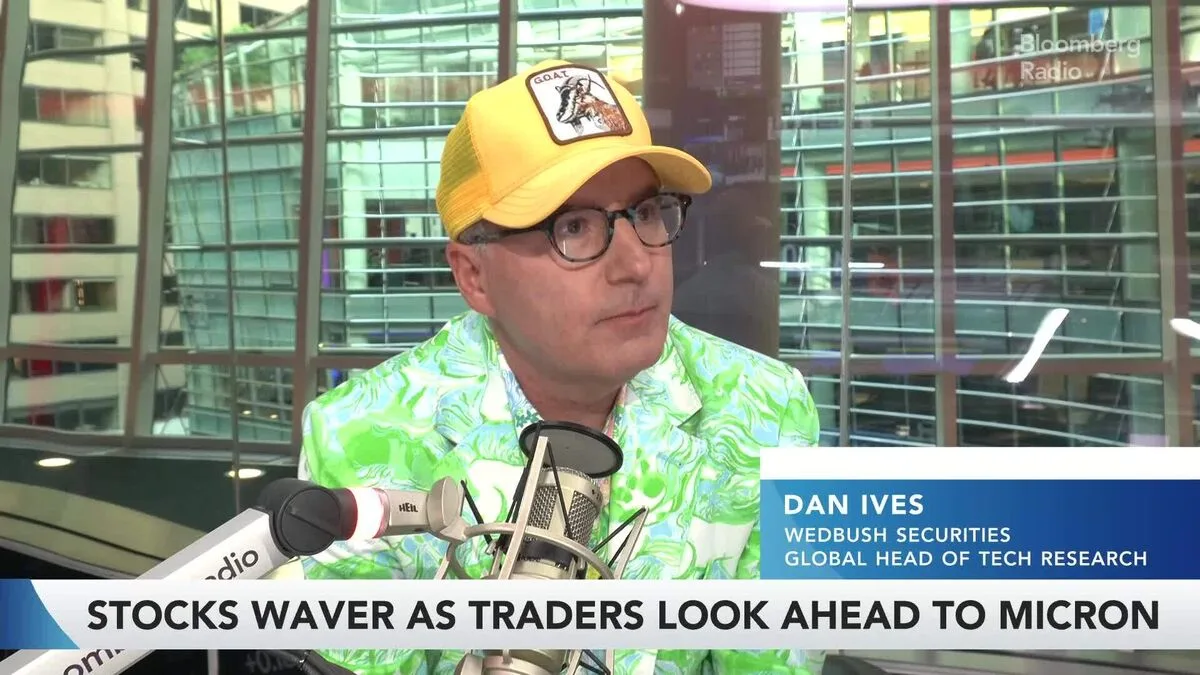
Chipmakers swung wildly this week, from a Tuesday 'chip-wreck' to a Micron-led surge after hours. What's actually going on with AI's hardware backbone?
Sarah Williams · 26 Jun · 5 min
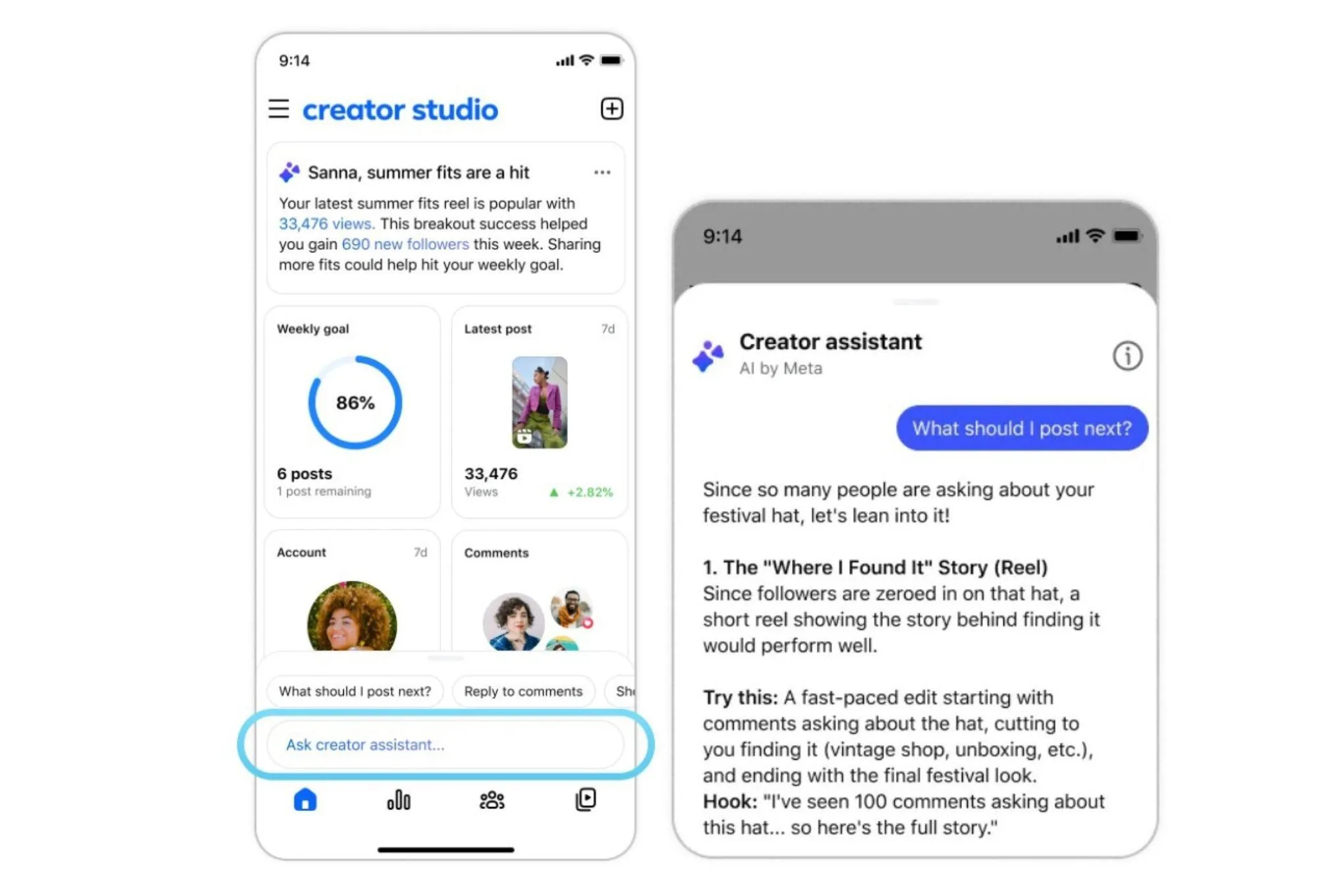
The original Creator Studio was shut down in 2023. Now it's back, rebuilt around an AI assistant that promises to grow your audience and reply to comments in your voice.
Sarah Williams · 26 Jun · 5 min
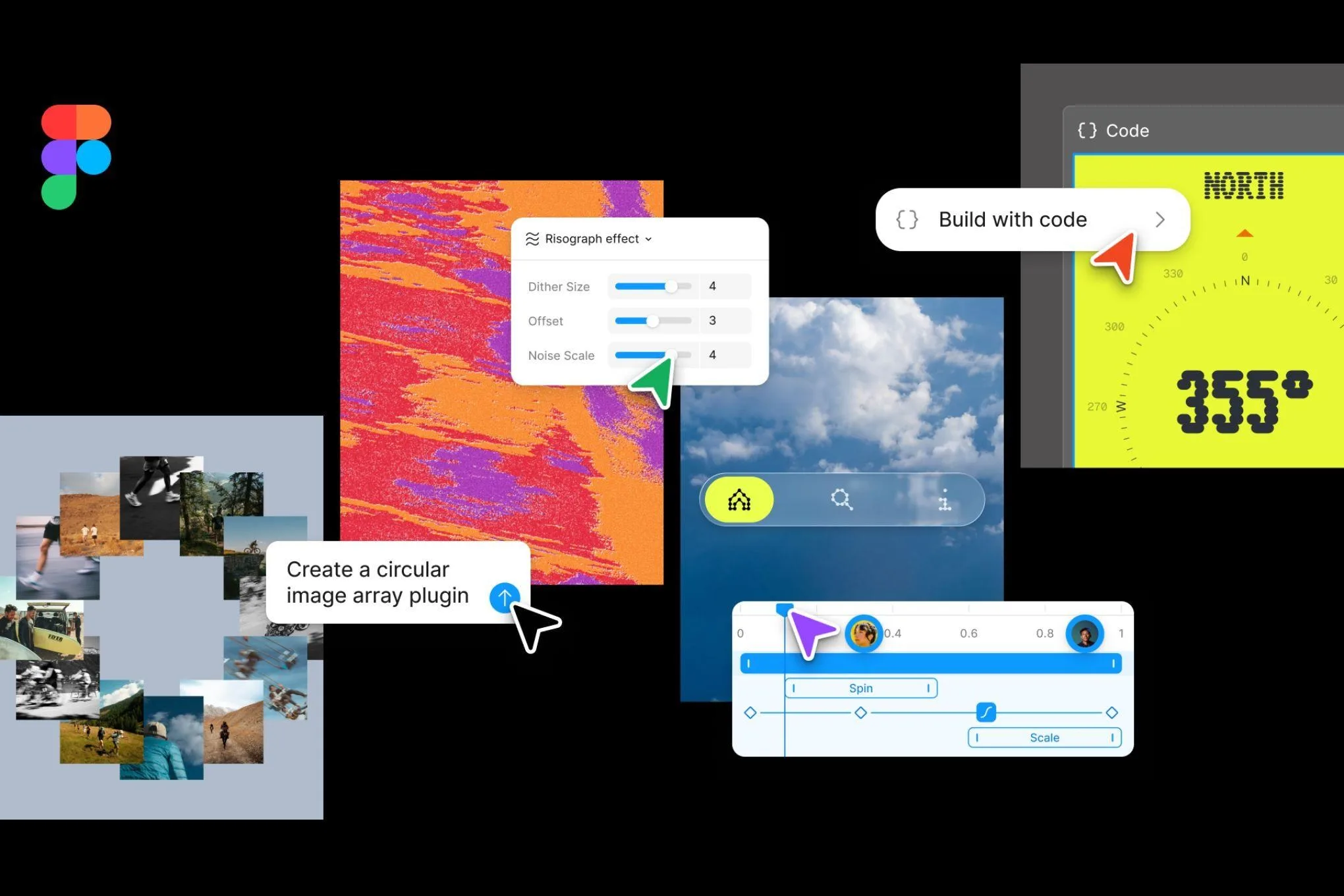
At its annual Config conference, Figma announced coding layers, AI-generated motion graphics, and a reimagined canvas that blurs the line between design and full-stack development.
Sarah Williams · 26 Jun · 5 min
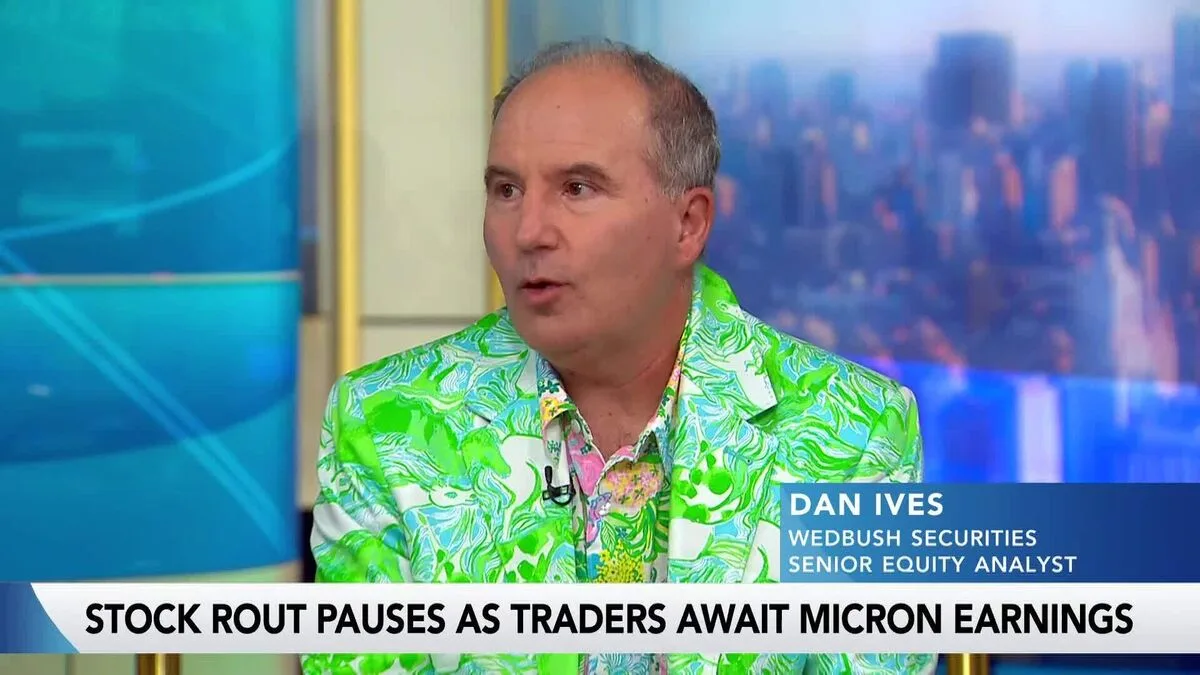
Everyone talks about chips and models. The memory bottleneck is the part of the AI buildout that keeps getting underestimated, and Micron's latest earnings make that case hard to ignore.