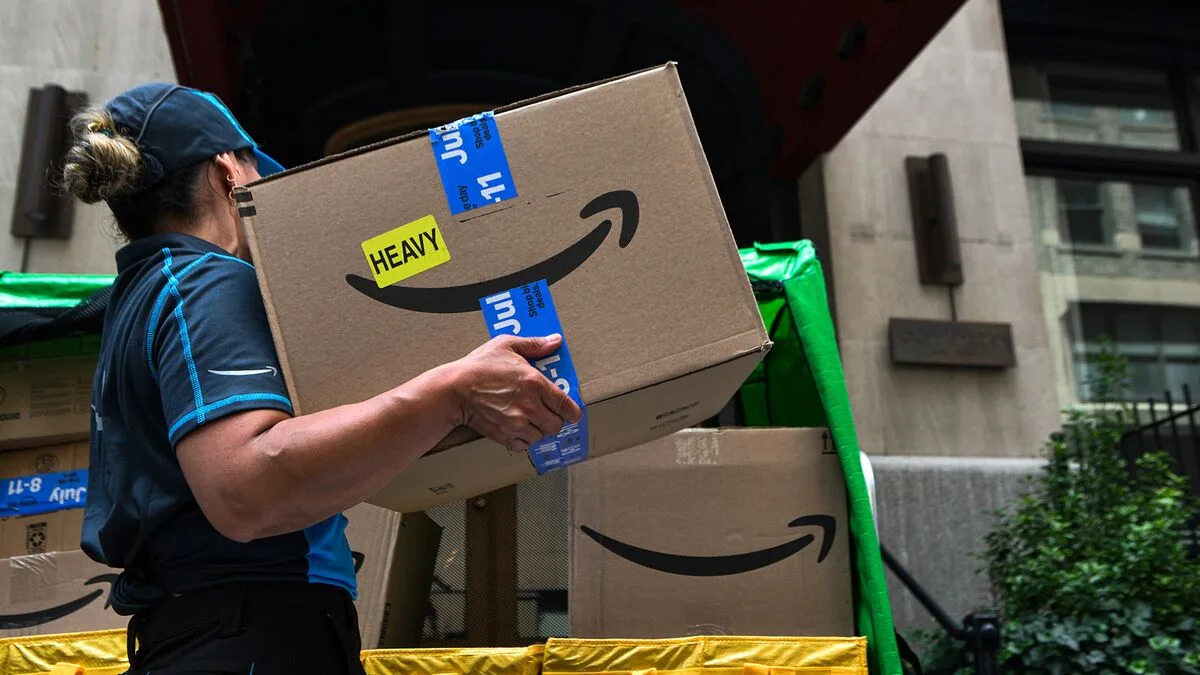
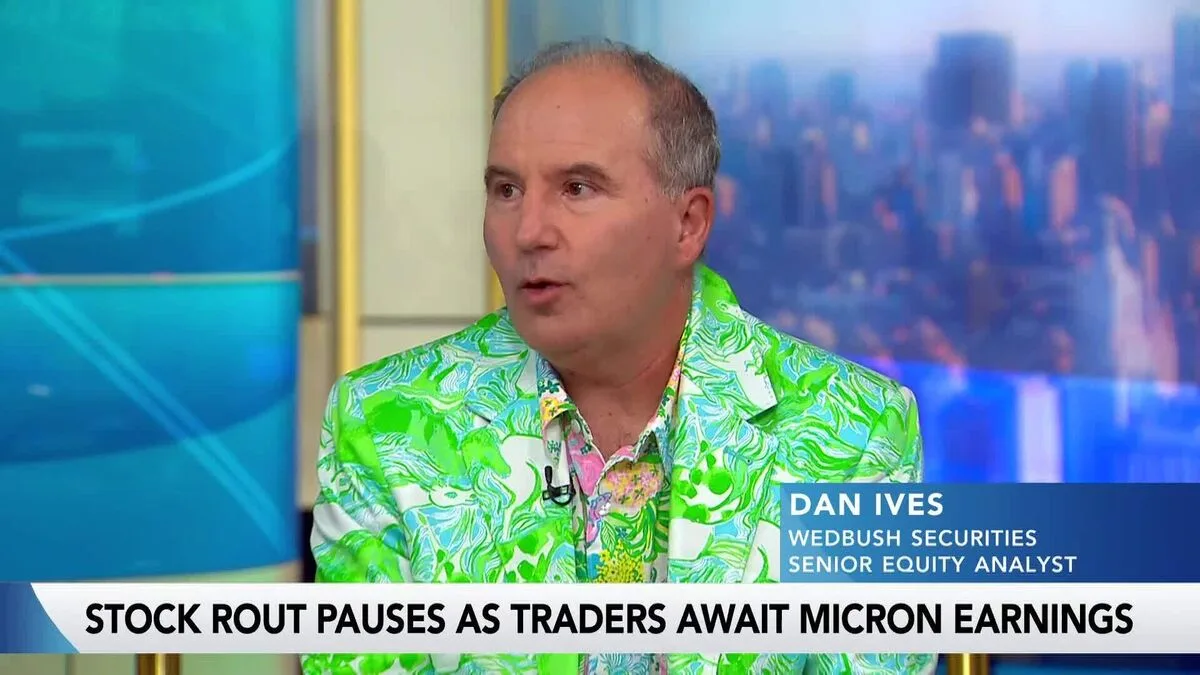
Amazon has moved Prime Day up by a full month in 2026, and analysts at Bloomberg Intelligence are now projecting $26.3 billion in online spending across the event, a 9% jump over last year.
That's a big number. A record number, actually. And Amazon needs it.
I've seen this movie before, the part where a dominant platform makes a structural change to its flagship event and the press releases talk about "strategic alignment" and "meeting customers where they are," when really what's happening is the company is staring down a tightening market and making a calculated bet. The discretionary spending environment right now is rough. Gas prices are up, consumers are stretched, and AI is supposedly reshaping how people discover and buy products. Amazon isn't immune to any of that.
So they moved the sale. June instead of July. Earlier in the summer, closer to back-to-school season, which is smart retail thinking even if it reads like a defensive maneuver dressed up as innovation.
Bloomberg Intelligence's Poonam Goyal has been tracking the retail picture closely, and the framing she and others have used is pretty consistent: Prime Day matters more than ever for Amazon precisely because discretionary dollars are harder to come by. When people are watching what they spend, a well-timed sale event with genuine discounts on household goods and back-to-school items can capture spending that might otherwise just... not happen.
That's the thesis, anyway. Whether it plays out depends on whether Amazon's discounts are actually compelling this year, which is something we won't fully know until the sales data rolls in. It's too early to say if the calendar shift alone moves the needle, or whether it's the deals themselves doing the work.
The AI angle is interesting, though I'll admit I'm still figuring out what it actually means in practice for a shopping event like this. The claim is that AI is increasingly shaping shopping behavior, surfacing recommendations, personalizing deals, maybe even changing how people search for products in the first place. Amazon has been investing heavily in that infrastructure. Whether June Prime Day is the moment where that investment shows up in consumer behavior in a measurable way, I honestly don't know.
Here's what we do know, based on the Bloomberg reporting:
- Analysts expect total online spending to hit $26.3 billion across the Prime Day event, up 9% year over year
- This would make it the 12th annual Prime Day, and a record if the projections hold
- Shoppers are expected to focus on back-to-school clothes and household goods, the kinds of purchases people need to make anyway
- Higher gas prices are cited as a factor pushing consumers toward online deals, which is a bit counterintuitive until you think about it for a second (why drive around comparison shopping when Amazon will just show you the price)
- The one-month calendar shift is being framed as strategic, tied to both the AI shift in shopping behavior and the broader effort to capture consumer spending before wallets tighten further
None of that is shocking. It's sensible retail strategy. But it's worth noting that "expected to rise" and "projected" are doing a lot of work in that headline. These are analyst estimates, not confirmed sales figures. The actual results could come in above or below. This is based on forecasts, not final numbers.
And look, Amazon is very good at this. They invented this category of manufactured retail holiday, call me old-fashioned but I remember when a sale was just a sale and not a multi-day global commerce event with its own countdown clock and member exclusives. Prime Day has become one of the most important dates on the retail calendar, full stop. Walmart, Target, and basically every other major retailer now runs competing sales during the same window because they have no choice.
Moving it to June changes that dynamic a little. The copycats now have to decide whether to follow Amazon into June or hold their ground in July. That's actually a more interesting strategic question than the revenue projection, and I suspect we'll see some of them scramble.
The AI piece is where I slow down a bit, because there's a pattern here I've watched play out across tech cycles for thirty-plus years. A major platform is under pressure, AI is the hot thing, and suddenly every strategic decision gets explained through an AI lens. Maybe that's exactly what's happening here, AI really is reshaping how Amazon's customers shop, and the company is responding intelligently. Or maybe "AI shift" is doing some heavy lifting in the narrative and the real driver is just that June is closer to back-to-school and Amazon's finance team ran the numbers. Probably some of both, honestly.
What remains unclear is how much of the projected spending increase is attributable to the calendar shift itself versus underlying demand, versus AI-driven personalization, versus the simple fact that consumers need to buy stuff for school and Amazon has it. Separating those variables is hard, and I doubt we'll get clean data on it.
The tightening consumer environment is real, though. Gas prices up, savings rates down, credit card balances elevated. Shoppers feeling squeezed tend to do one of two things: they either pull back entirely, or they become more deal-focused, hunting for value wherever they can find it. Prime Day is built for the second group. The question is whether there are enough of them, and whether Amazon's deals are sharp enough to pull in spending that wasn't already going to happen.
If the $26.3 billion projection holds, it'll be a good story for Amazon and a validation of the calendar move. If it comes in soft, expect a very different set of explanations. That's how these things work.
I've been writing about tech long enough to know that the narrative around an event like this gets constructed before the data arrives, and then the data gets interpreted through whatever narrative won. We'll see which story gets told in a few days. My email's on the about page if you want to argue about it.