Unitree Secures First European Manufacturing Deal for G1 Humanoid
The Chinese robotics company has landed an unexpected customer in the European auto sector, marking a significant milestone for affordable humanoid robots in industrial settings.
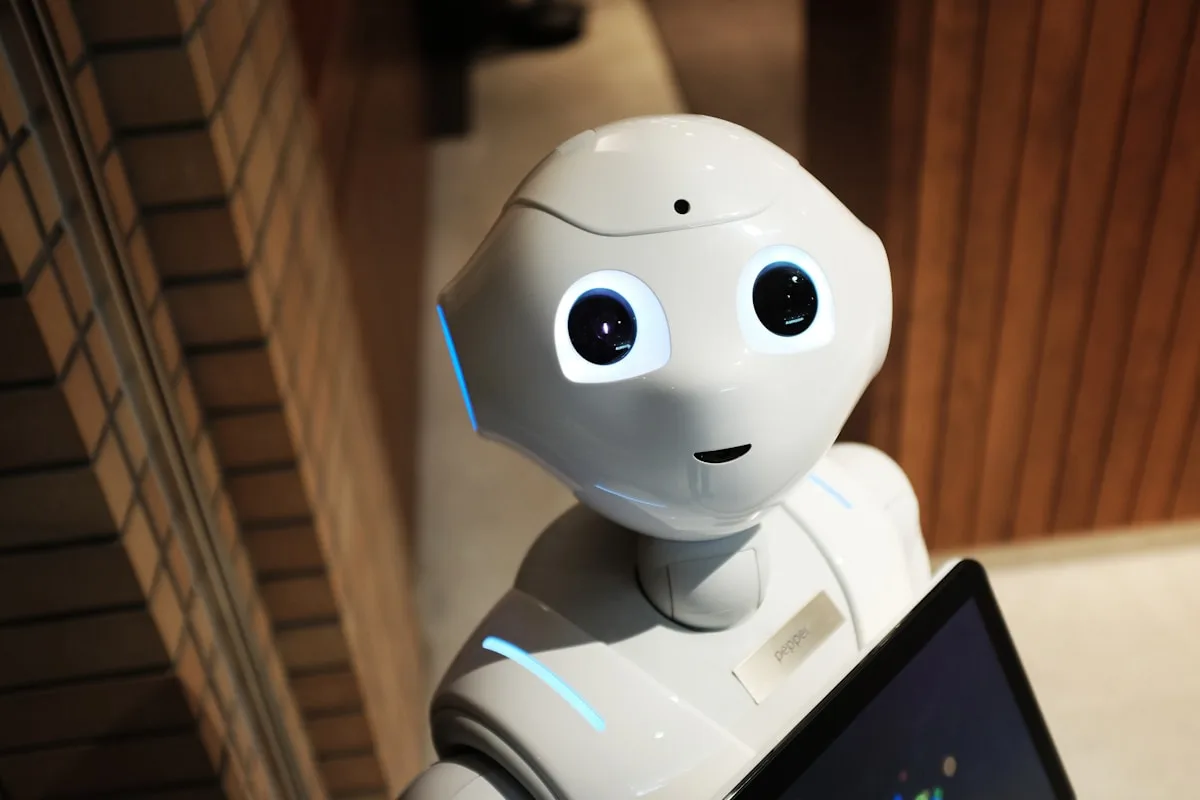
Crédit photo: Photo via Unsplash. Free to use under Unsplash License. · source
What happened?
Unitree, the Chinese robotics company known for its relatively affordable humanoid and quadruped robots, has signed its first manufacturing contract with a European automaker, according to reports from Reuters and Bloomberg.
The deal represents a notable breakthrough for the Hangzhou-based company, which has built its reputation on producing capable robots at price points significantly below competitors like Boston Dynamics and Tesla.
Why is this significant?
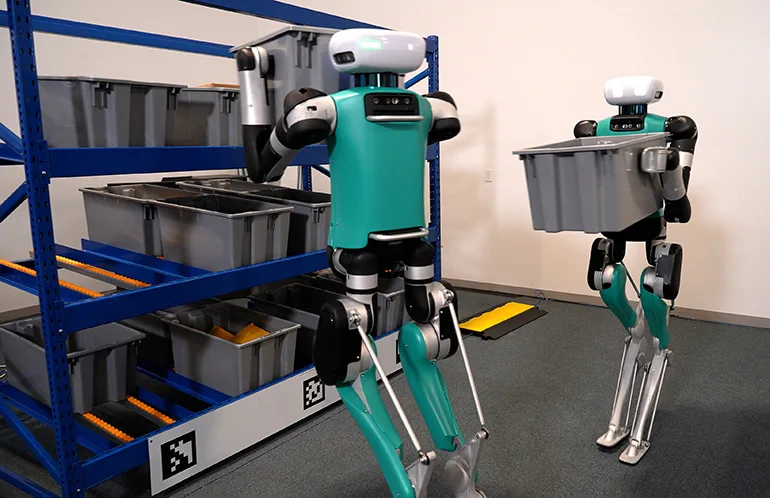
The European automotive industry has traditionally been cautious about adopting humanoid robots, preferring established industrial automation from companies like KUKA, ABB, and Fanuc. For a Chinese humanoid maker to break into this market suggests that the economics of general-purpose robots may be shifting faster than many anticipated.
Unitree's G1 humanoid, priced at a fraction of what competitors charge, has attracted attention for its combination of capability and affordability. While it lacks some of the advanced features found in more expensive platforms, its lower cost makes it practical for manufacturers to experiment with humanoid automation without committing to massive capital expenditures.
À lire aussi
More in Humanoids
The headlines are celebrating a $2.5B humanoid robotics deal. I'd pump the brakes a little.
Mark Kowalski · 25 Jun · 6 min
Sometimes the sources don't pan out. Here's what happened when I tried to write a humanoids story this week and ended up with Samsung deals instead.
Sarah Williams · 25 Jun · 3 min
Diffusion models are getting good at imagining robot movements, but 'imaginable' and 'physically possible' aren't the same thing. Researchers are starting to close that gap.
Sarah Williams · 25 Jun · 6 min
A batch of fresh robotics research tackles the same underlying problem from different angles: robots that can see but don't really understand where things are.