TechCrunch Disrupt 2026 is betting big on robotics — but what does that actually mean?
The conference is expanding to six stages and 250+ speakers. I dug into what we actually know about the robotics programming.
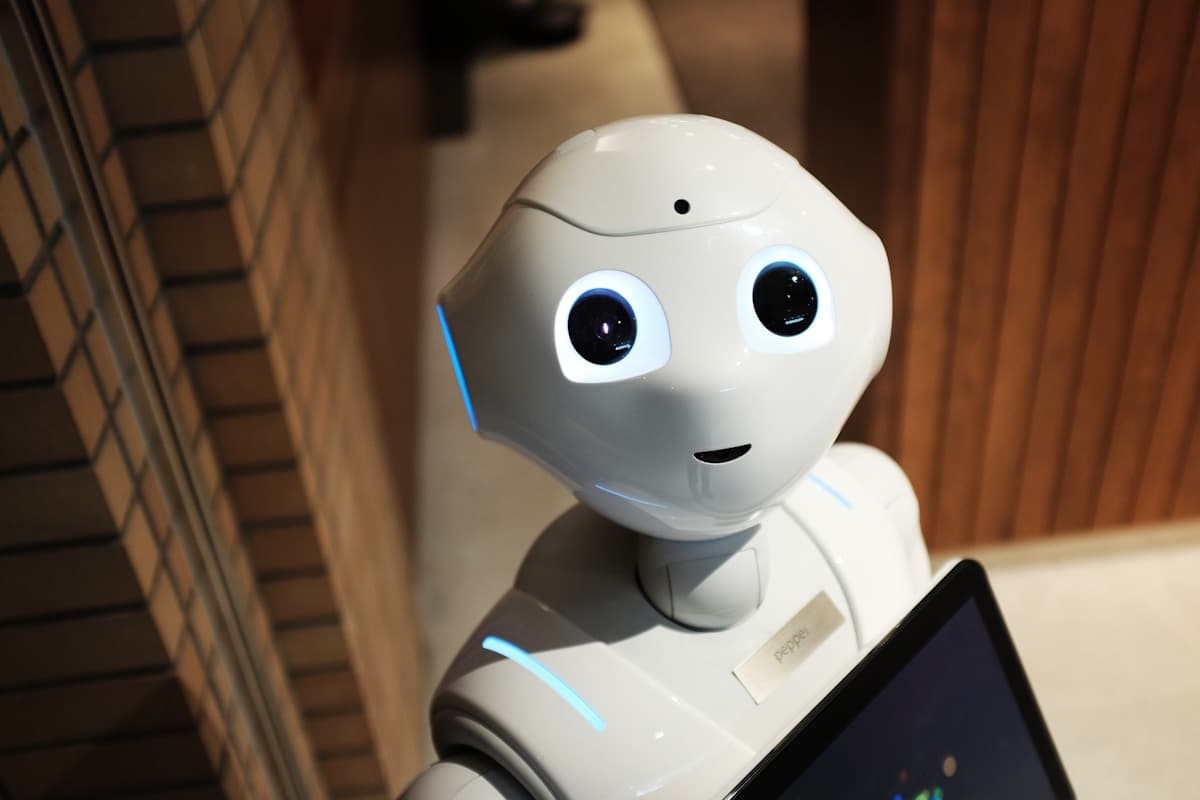
Crédit photo: Lottie animation by Centre Robotics (LottieFiles Free, used with credit). · source
Most of the coverage I've seen about TechCrunch Disrupt 2026 has focused on the ticket deals. Buy one, get one half off. Save $410. Bring a colleague. Which, fine, that's useful information if you're budgeting for October.
But here's what I find more interesting: the event is expanding to six stages with over 200 sessions and 250+ speakers. That's a significant scale-up. And given how much robotics and AI have dominated tech conversations this year, I wanted to know what that actually means for the robotics content specifically.
Honestly, I couldn't find as much detail as I'd hoped.
What we know (and what we don't)
The conference runs October 13-15 in San Francisco. Six stages. Lots of sessions. The framing from TechCrunch emphasizes that it's "built for today's tougher startup market," which suggests a focus on practical concerns (fundraising, survival, go-to-market) rather than pure hype.
That positioning makes sense. We're in a weird moment for robotics startups. Humanoid companies are raising massive rounds while industrial automation firms are struggling to find customers willing to pay. The gap between demo-ready and deployment-ready has never felt wider.
But here's what remains unclear: how much of those 200+ sessions will actually focus on robotics versus AI more broadly? The announcements I found don't break it down. They mention "tech leaders shaping the industry today" but don't name specific robotics founders or researchers on the lineup yet.
I initially thought this might be a sign that robotics is getting sidelined in favor of AI software plays. But after reading through the materials more carefully, I think it's just too early. Speaker announcements for conferences like this typically come in waves, and we're still months out.
À lire aussi
More in Humanoids
The Chinese robotics company has landed an unexpected customer in the European auto sector, marking a significant milestone for affordable humanoid robots in industrial settings.
James Chen · 4 days ago · 2 min
Walking robots make headlines, but the real commercial barrier lies in building hands that can actually do useful work.
Aisha Patel · 4 days ago · 2 min
The Austin robotics company is abandoning its broad ambitions to focus exclusively on warehouse and logistics applications, a strategic pivot that reveals hard truths about the humanoid market.
Mark Kowalski · 4 days ago · 2 min
The industrial giant's move into humanoid robotics signals a broader cultural shift among Japanese manufacturers, who are now treating the category as a serious commercial opportunity rather than a research curiosity.