Washington Just Blocked Anthropic's AI Models From Foreign Access. The Industry Should Pay Attention.
The US government forced Anthropic to pull its latest cybersecurity models from international users, and the reasoning is murkier than officials are letting on.
Crédito de imagen: Image via Bloomberg — Technology. Used under fair use for news commentary. · source
Somewhere in a government office this month, someone decided that Anthropic's best AI models were too dangerous to let foreign users access. No court order. No extended public debate. Just a directive, and then the models were gone for anyone outside US borders.
That's the situation as of mid-June 2026, and it matters well beyond the AI software world. If you build industrial systems that depend on AI inference, if you source hardware internationally, if you operate facilities in multiple countries, this is the kind of policy shift that eventually lands on your floor.
The honest answer is: not much. TechCrunch reported that the administration's decision to force Anthropic to pull its latest cybersecurity models was likely never about a specific jailbreak vulnerability, despite early speculation. It could be reactionary, retaliatory, or both. TechCrunch's framing is blunt: the AI industry isn't immune from US government interference. That's the actual headline here.
Bloomberg called the move extraordinary and framed it as a warning to Silicon Valley more broadly. The Trump administration, Bloomberg notes, is now demonstrating a willingness to exert direct control over a pivotal industry, and it's doing so around a technology whose impact remains imperfectly understood.
Cobertura relacionada
More in Policy
Everyone's framing this as a Windows headache, but the real story is what it means for the billion-plus devices that nobody's going to patch in time.
Mark Kowalski · 25 Jun · 6 min
The billionaire chairman of Australian logistics software giant WiseTech is under scrutiny again, and this time investors appear to be running out of goodwill.
Sarah Williams · 22 Jun · 4 min
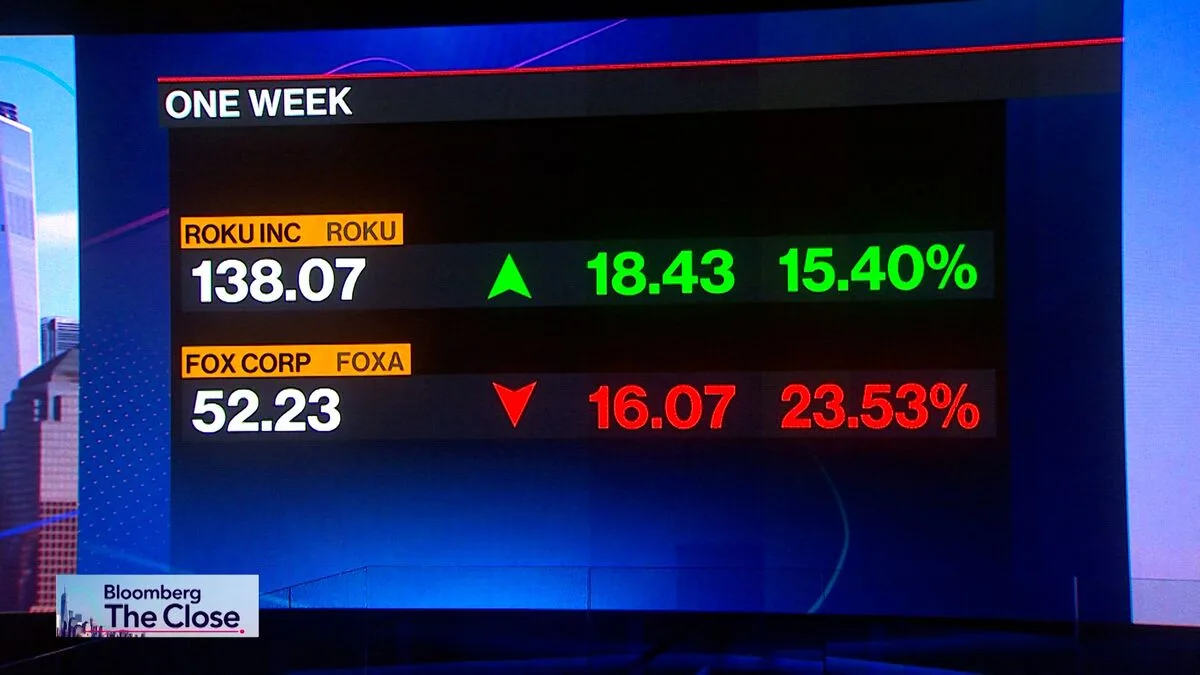
The ad-supported streaming wars just got a lot more expensive. Fox's blockbuster Roku deal is either a masterstroke or a very pricey panic move, depending on who you ask.
Mark Kowalski · 20 Jun · 7 min
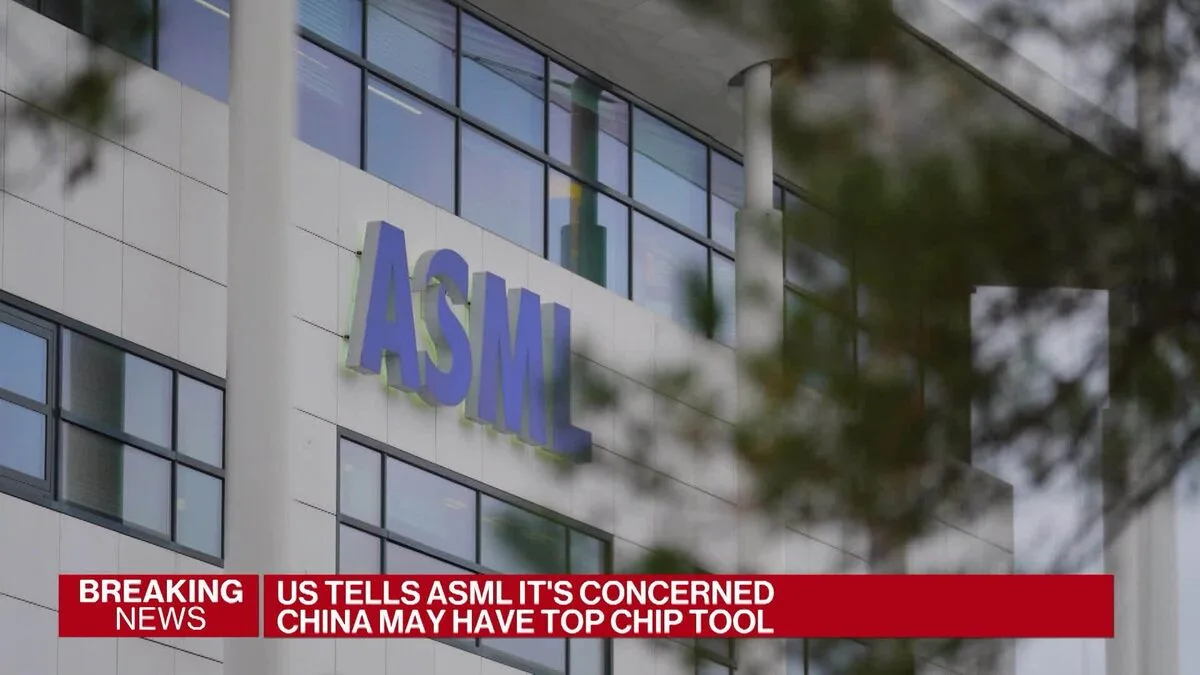
The US government thinks it might have, and that's a very big deal for the future of AI hardware and anything built on top of it.
That last part is important. We're not talking about a regulator stepping in with a clear legal framework and documented harm. We're talking about executive-level intervention into which AI models can cross which borders, applied to a specific company, with limited public explanation.
Key things we know, and don't know, right now:
What happened: Anthropic was directed to restrict foreign access to its most capable AI models, specifically those with cybersecurity applications.
What triggered it: Officially unclear. The jailbreak explanation appears to be a red herring, per TechCrunch's reporting.
Whether this is a one-off: Unknown. Bloomberg's framing suggests it's a signal, not an isolated incident.
Which specific models are affected: The reporting points to Anthropic's latest cybersecurity-focused models, but exact product names and version numbers haven't been publicly confirmed.
Whether other AI companies face similar restrictions: It's too early to say, though the implicit message to Silicon Valley is that they could.
I've seen enough spec sheets to know that when a capability gets restricted at the policy level, the downstream effects on industrial buyers are rarely simple. Companies that integrated Anthropic's models into their automation workflows, their quality inspection pipelines, their predictive maintenance systems, now have to figure out whether their international operations are affected. That's not a trivial compliance question.
Look, the framing around "cybersecurity models" is doing a lot of work here. In industrial automation, the line between a general-purpose AI model and one with security implications is genuinely blurry. A model that can analyze network traffic for anomalies in a factory setting is, by some definitions, a cybersecurity tool. Whether the administration's directive is written narrowly or broadly matters enormously, and that information isn't public yet.
This raises questions about, well, multiple things: how AI model restrictions interact with existing export control frameworks, whether hardware-embedded AI (the kind that runs inference on-device in industrial equipment) falls under the same rules, and what happens to long-term contracts that assumed cross-border AI access.
The Bloomberg piece is careful to note that Silicon Valley is working with technology whose impact is uncertain. That's a fair characterization, and it's also sort of the crux of the regulatory problem. When you can't fully articulate what a technology does or doesn't do at scale, writing precise policy around it is genuinely hard. The result tends to be either over-broad restrictions or under-specified ones that create compliance ambiguity for everyone trying to build real systems.
For industrial operators specifically, the practical concern isn't ideological. It's operational. If the AI models powering your defect detection or your logistics optimization sit behind a policy wall that can shift without warning, that's a supply chain risk. It belongs in the same category as component sourcing risk or vendor concentration risk. The companies that treat AI software as infrastructure, rather than as a feature, are the ones that will feel this most acutely.
Anthropics's position here is also worth noting, even if the company hasn't said much publicly. Being ordered to restrict your own product's availability isn't the same as choosing to do so. The compliance cost, the customer relationship damage, the signal it sends to international partners considering Anthropic's models for deployment, all of that accrues to the company whether or not the underlying policy rationale is sound.
The real test, as this situation develops, is whether this remains a targeted action against one company's specific model set, or whether it becomes a template. Bloomberg's reporting suggests the administration views this as a demonstration of willingness, not a one-time exception. If that's accurate, the industrial automation sector needs to start treating AI model access as a variable it can't assume is stable, the same way it learned (slowly, painfully) to treat semiconductor supply chains after 2020.
This is based on limited public reporting from two sources, and the full scope of the directive hasn't been officially published. More details will matter significantly when they emerge.