Valve's Antitrust Moment: What the Steam Lawsuits Mean for Digital Storefronts
The gaming giant that built goodwill by not being evil is now facing the same accusations as Apple and Google.
Crédito de imagen: Image via source article. Used under fair use for news commentary. · source
Thirty percent. That's the cut Valve takes from every game sold on Steam, and it's the number at the center of lawsuits now piling up in the US and UK. I'll be honest, when I first saw this story, I thought it was outside my lane. I write about robots, not video games. But then I started thinking about platform economics, and about how the same dynamics that squeeze game developers are showing up in industrial software too.
Look, here's the thing. Valve has spent two decades building a reputation as the good guys. Gabe Newell, the founder, is beloved in gaming circles. The company doesn't chase quarterly earnings, doesn't have shareholders breathing down its neck, and has historically treated both developers and customers better than the competition. That reputation is now colliding with some uncomfortable allegations.
The lawsuits, filed in both the US and UK, claim Valve is doing exactly what Apple and Google do with their app stores: using market dominance to extract fees that wouldn't survive in a competitive market. According to Bloomberg, the complaints allege Steam controls somewhere around 75% of the PC gaming distribution market. That's a number Valve disputes, but even if the real figure is lower, we're still talking about serious concentration.
The specific claim is that Valve enforces "most favored nation" clauses. In plain English, if a developer sells their game on Steam, they can't sell it cheaper anywhere else. Not on their own website, not on competing stores like Epic or GOG. This effectively locks in Steam's 30% cut across the entire market, because why would anyone buy elsewhere if the price is identical?
Cobertura relacionada
More in AI Models
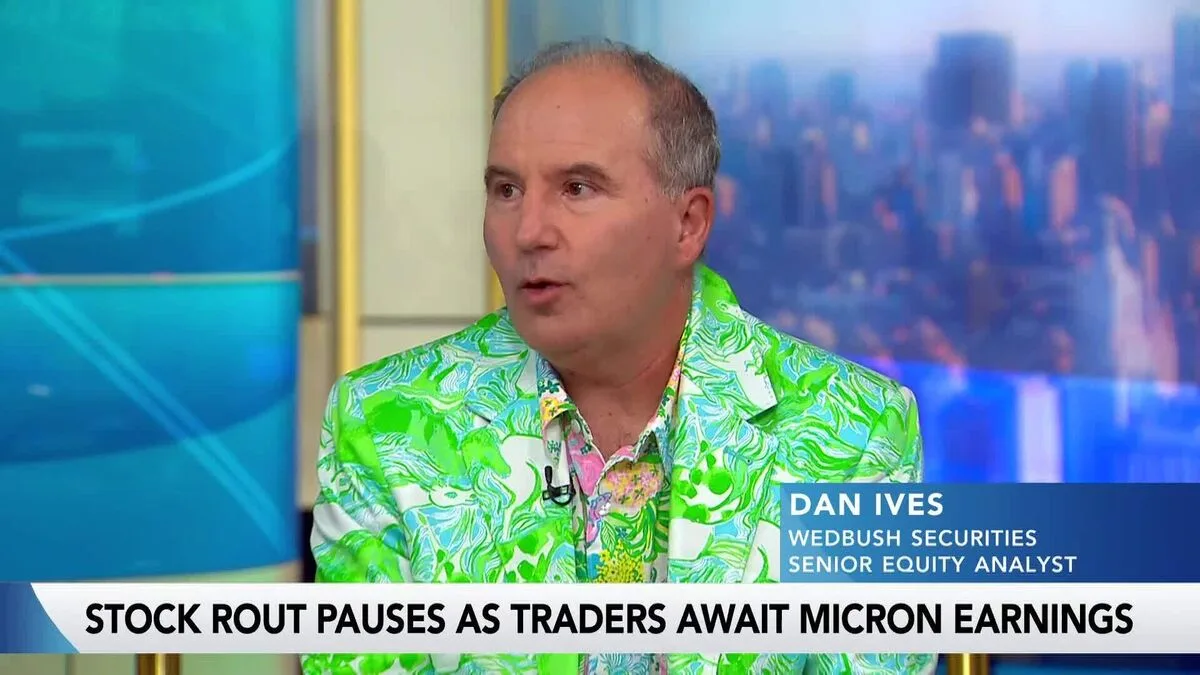
Chipmakers swung wildly this week, from a Tuesday 'chip-wreck' to a Micron-led surge after hours. What's actually going on with AI's hardware backbone?
Sarah Williams · 26 Jun · 5 min
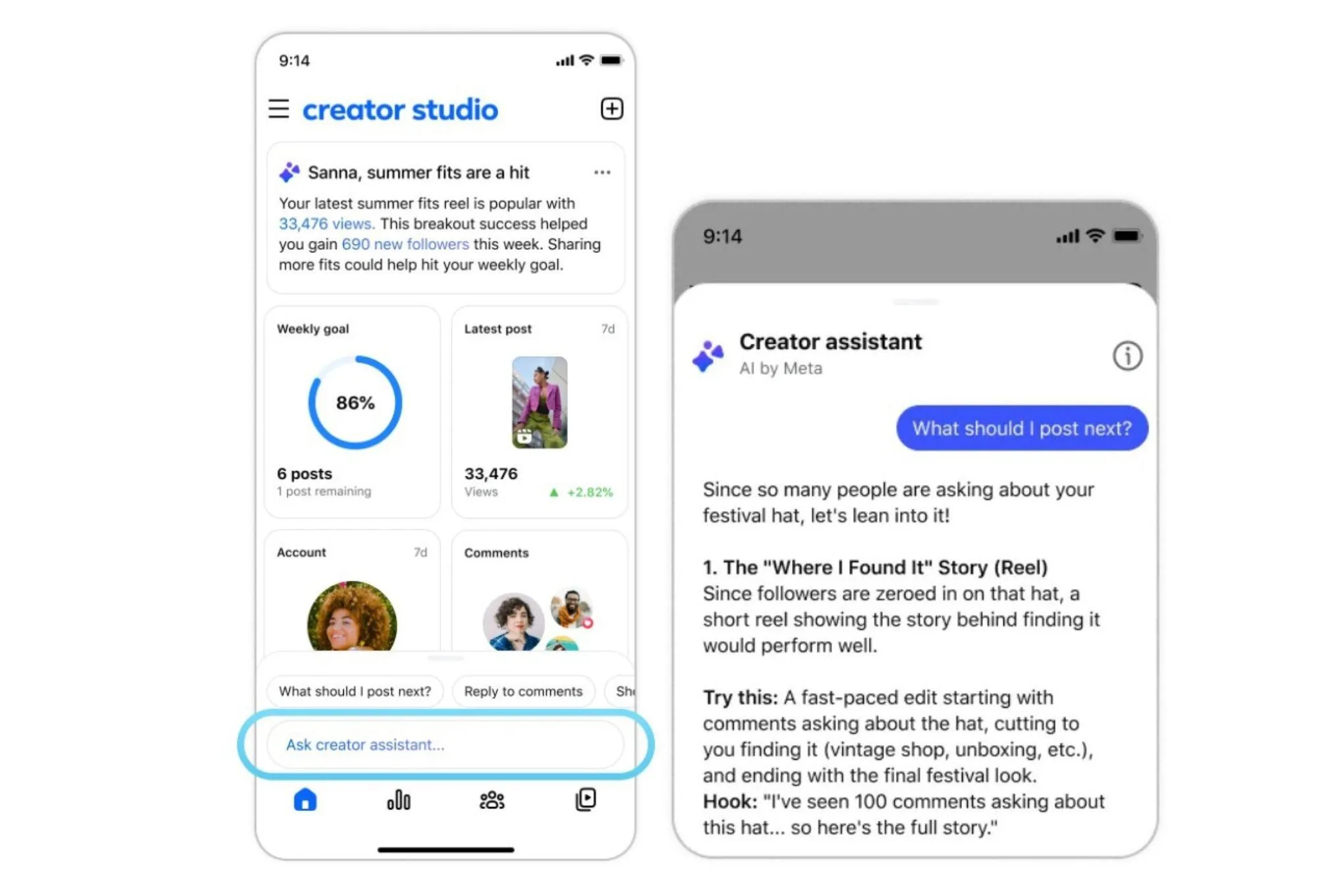
The original Creator Studio was shut down in 2023. Now it's back, rebuilt around an AI assistant that promises to grow your audience and reply to comments in your voice.
Sarah Williams · 26 Jun · 5 min
At its annual Config conference, Figma announced coding layers, AI-generated motion graphics, and a reimagined canvas that blurs the line between design and full-stack development.
Sarah Williams · 26 Jun · 5 min
Everyone talks about chips and models. The memory bottleneck is the part of the AI buildout that keeps getting underestimated, and Micron's latest earnings make that case hard to ignore.