Crédito de imagen: Image via Source article. Used under fair use for news commentary. · source
Picture this: a wealth manager in a corner office, expensive suit, framed credentials on the wall, explaining why you should trust them with your retirement savings. Now picture someone on their couch at 11pm, asking ChatGPT whether they should rebalance their portfolio. According to new reporting from Bloomberg, that second scenario is becoming disturbingly common.
I'll be honest, when I first saw the headline about AI disrupting wealth management, I almost scrolled past. We've heard this story before, right? AI is coming for lawyers, doctors, accountants, everyone. But this one caught my attention because of a specific claim: a growing share of people say they trust AI enough to provide financial advice. Not just use it as a research tool. Trust it.
Here's what's interesting to me. We spend so much time in robotics coverage talking about physical embodiment, about humanoid robots and whether people will accept them in their homes and workplaces. But the actual disruption happening right now is purely software. No arms, no legs, no friendly robot face. Just a text box.
Bloomberg is calling this an "existential crisis" for wealth managers, and honestly, I think that framing is right. The traditional pitch for human financial advisors has always been trust. You're not just paying for someone to pick stocks (index funds exist, after all). You're paying for judgment, for someone who knows your situation, for a relationship.
Cobertura relacionada
More in AI Models
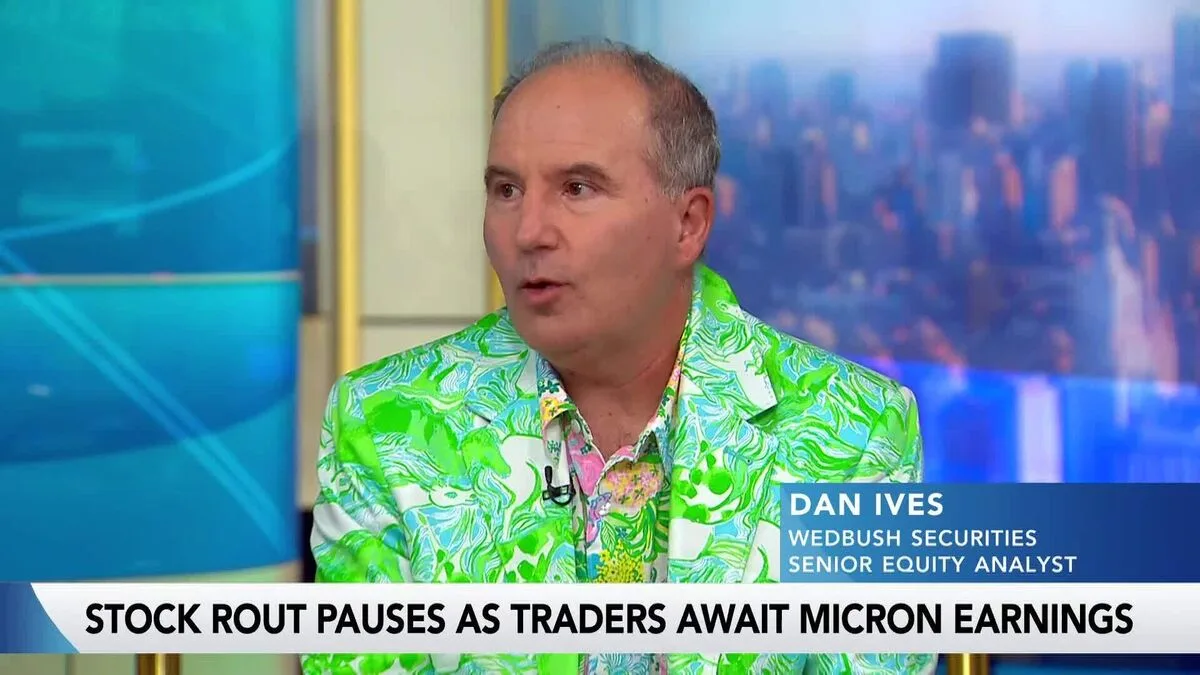
Chipmakers swung wildly this week, from a Tuesday 'chip-wreck' to a Micron-led surge after hours. What's actually going on with AI's hardware backbone?
Sarah Williams · 26 Jun · 5 min
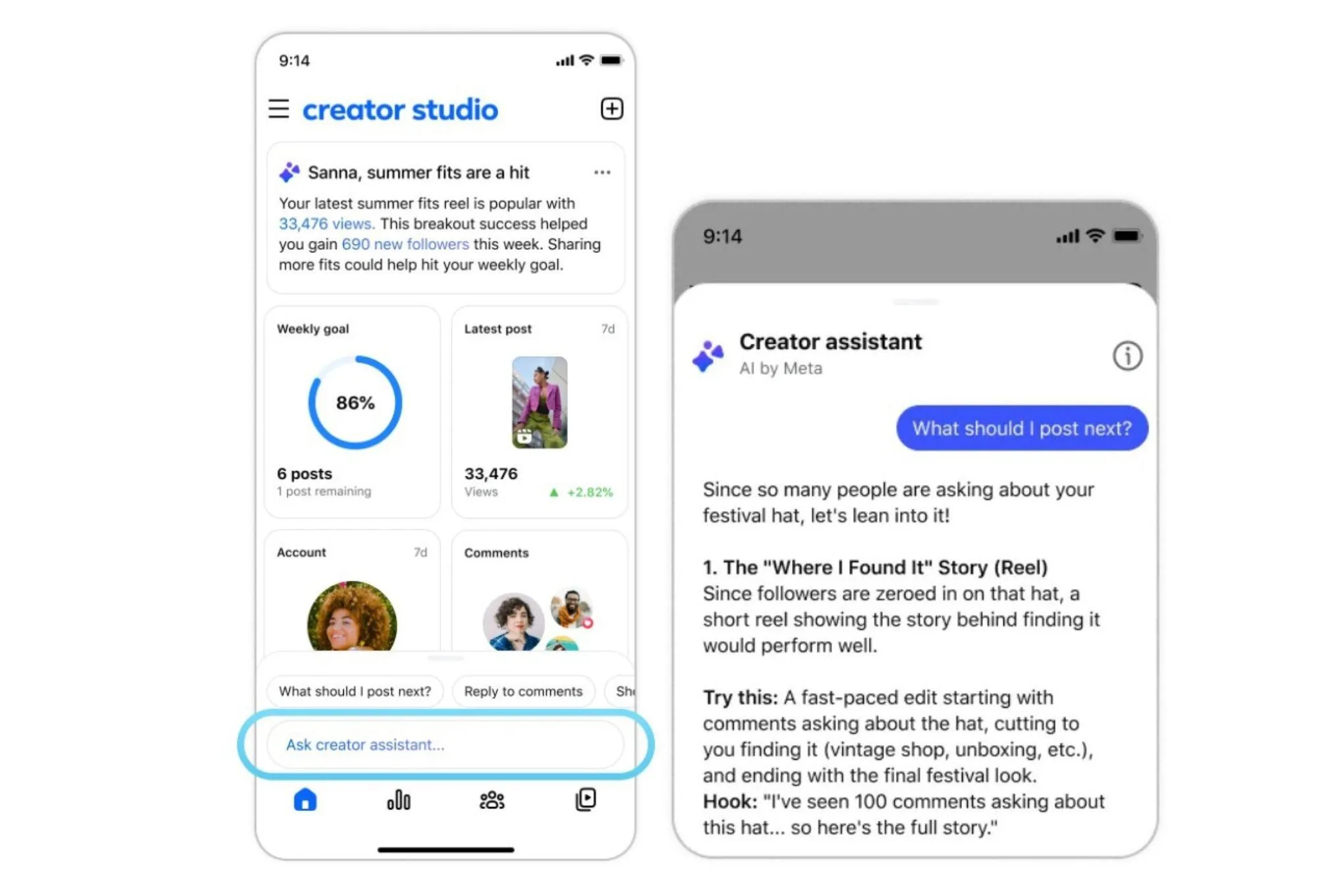
The original Creator Studio was shut down in 2023. Now it's back, rebuilt around an AI assistant that promises to grow your audience and reply to comments in your voice.
Sarah Williams · 26 Jun · 5 min
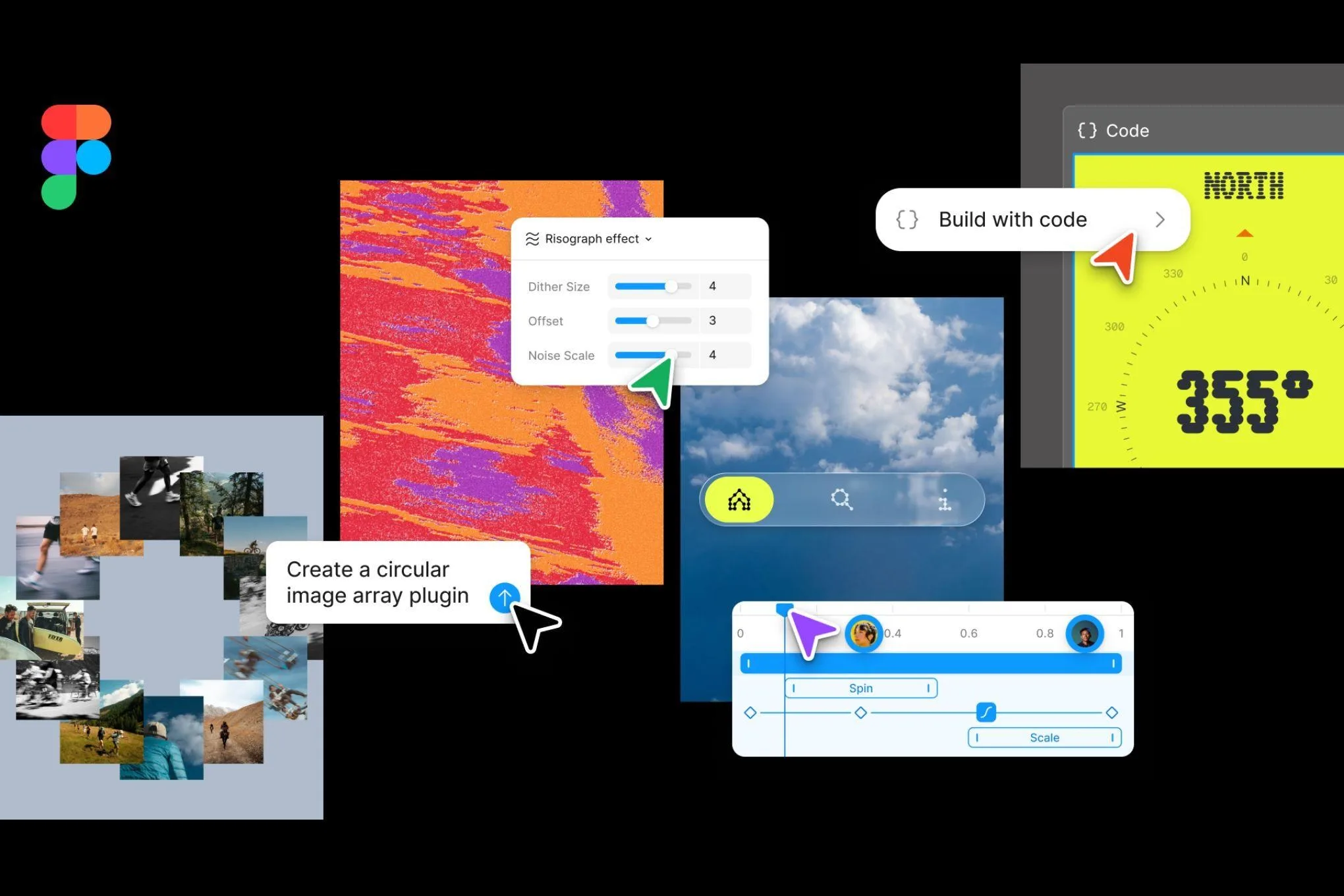
At its annual Config conference, Figma announced coding layers, AI-generated motion graphics, and a reimagined canvas that blurs the line between design and full-stack development.
Sarah Williams · 26 Jun · 5 min
Everyone talks about chips and models. The memory bottleneck is the part of the AI buildout that keeps getting underestimated, and Micron's latest earnings make that case hard to ignore.
But what happens when people start trusting the chatbot?
I initially thought this was probably generational, like maybe younger investors who grew up with technology were more comfortable with AI advice. But the Bloomberg reporting suggests it's broader than that. People across demographics are increasingly using AI to make actual investment decisions. Not just asking "what's a Roth IRA" but "should I sell my Tesla stock."
The implications here are kind of wild if you think about them. We're talking about one of the most relationship-dependent professions in financial services. Wealth management isn't like trading, where algorithms took over decades ago. It's supposed to be personal. And yet.
What makes wealth managers vulnerable
A few things stand out from the reporting:
The core service (investment advice) can be approximated by AI at zero marginal cost
Clients are already comfortable having financial conversations with chatbots
The trust barrier that was supposed to protect human advisors is eroding faster than expected
Unlike, say, surgery, there's no physical component that requires human presence
That last point is something I think about a lot in my humanoids coverage. We often assume that jobs requiring physical presence are safer from automation in the short term. But wealth management proves that some of the most vulnerable jobs are the ones that seem high-status and relationship-based, but are actually just... talking. And AI is getting very good at talking.
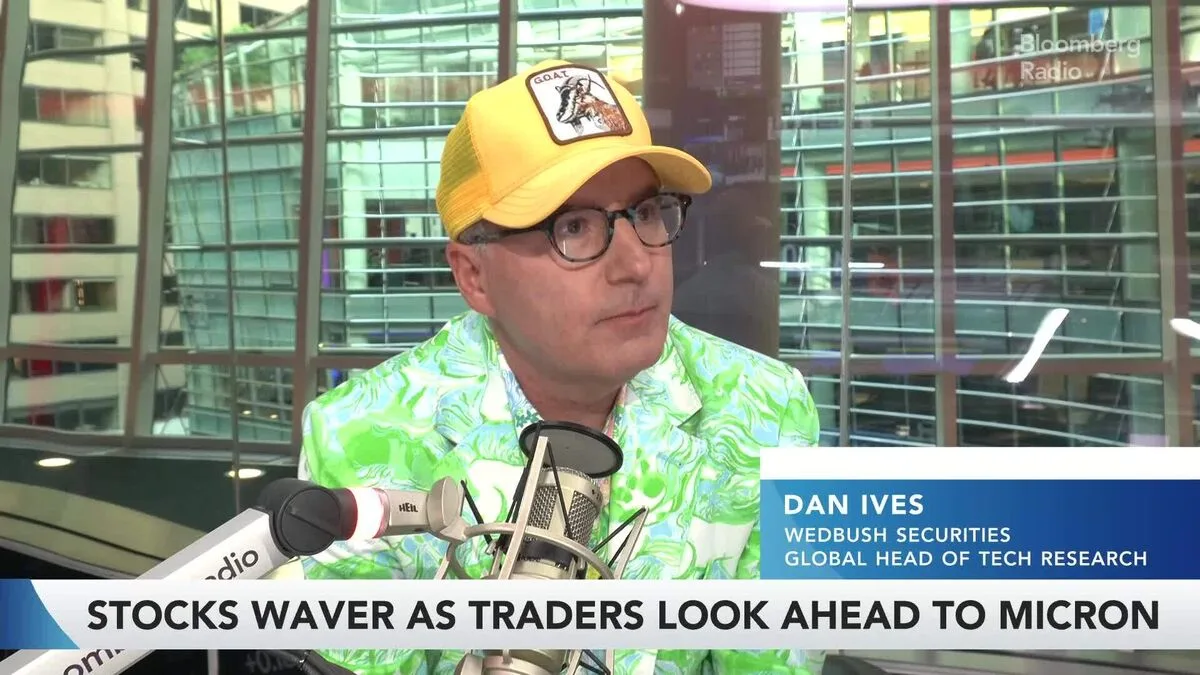
Now, I should be clear about what we don't know yet. The Bloomberg segments (this was the debut episode of "Bloomberg Money," tbh I didn't know that was a thing until today) don't give us specific numbers on how many people are actually replacing their financial advisors with AI. We know usage is growing. We know trust is increasing. But the wealth management industry is still very much intact, at least for now.
There's also a question I don't have a good answer to: what happens when the AI gives bad advice? Human financial advisors have fiduciary duties, professional licenses, malpractice insurance. ChatGPT has... terms of service. If someone loses their retirement savings because they followed AI advice, who's responsible? This seems like it should matter more than it apparently does to the people actually using these tools.
You might be wondering whether this is actually about AI being good at financial advice, or whether it's about financial advice being less valuable than we thought. I keep going back and forth on this. Maybe the secret is that a lot of what wealth managers do isn't actually that hard to replicate. Pick some diversified funds, rebalance occasionally, don't panic sell. A chatbot can say that.
But then there's the behavioral stuff. Talking someone off the ledge during a market crash. Helping a couple navigate different risk tolerances. Knowing that a client's "I want aggressive growth" actually means "I want to feel like I'm being aggressive but I'll panic if I lose 10%." Can AI do that? I'm genuinely not sure.
The embodied AI angle
So why am I writing about this on a robotics site? Because I think it tells us something important about where the real disruption is happening.
We (and I include myself here) spend a lot of time covering humanoid robots, physical automation, robots that move through the world. And that stuff is genuinely exciting and important. But the AI systems that are actually changing how people live and work right now are mostly invisible. They're chatbots and voice assistants and recommendation engines. No body required.
This doesn't mean embodied AI doesn't matter. Obviously it does, I cover it for a reason. But it's a useful reminder that the most disruptive AI applications aren't always the most visually impressive ones. A humanoid robot that can fold laundry is a technical achievement. A chatbot that convinces millions of people to trust it with their financial futures is a social transformation.
And honestly? The social transformation is scarier to me. We know how to regulate physical products. We know how to think about safety when there's a robot arm that could hurt someone. We're much less prepared for AI that doesn't do anything physical but fundamentally changes how people make important decisions.
I don't think wealth managers are going to disappear overnight. The high-end advisors serving ultra-wealthy clients probably have years of runway, maybe decades. Those relationships are sticky, and there's a status component to having a human advisor that a chatbot can't replicate.
But the mass-market advisors? The ones serving regular people with regular portfolios? They should be worried. If the value proposition is "I'll help you make smart financial decisions," and people increasingly believe AI can do that, the math stops working pretty quickly.
The wealth management industry will probably respond the way most industries respond to this kind of threat: by incorporating AI into their own services and trying to position themselves as the human layer on top. "AI-powered insights with human judgment." That kind of thing. Whether clients will pay a premium for the human layer remains to be seen.
What I keep coming back to is the trust question. Trust is supposed to be earned over time, through relationships and track records. But apparently, trust can also be manufactured by a well-designed interface and confident-sounding responses. That's not just a wealth management problem. That's an everything problem.
I'll be watching this space. Not because I think chatbots are going to start managing hedge funds (though, tbh, would we notice?), but because what happens in wealth management might tell us a lot about what happens everywhere else. If AI can disrupt one of the most relationship-dependent professions in finance, what exactly is safe?
No clear answers here. Just a lot of questions, and a growing sense that the robots we should be watching aren't always the ones with arms and legs.