Crédito de imagen: Image via The Verge — AI. Used under fair use for news commentary. · source
To put Elon Musk's new net worth in context: the entire GDP of the Netherlands is about $1.1 trillion. Musk is now, personally, worth approximately that much.
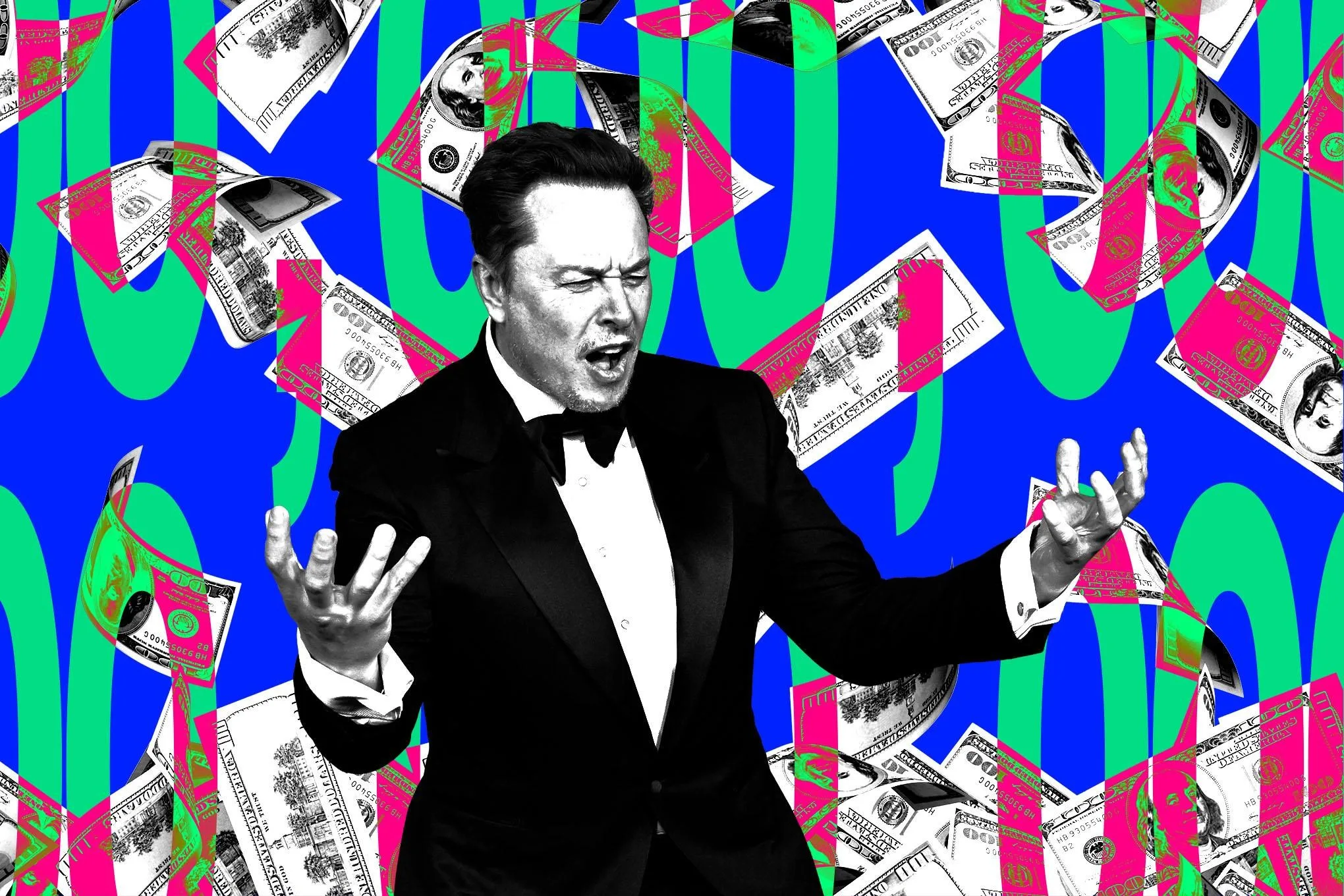
SpaceX began trading on the Nasdaq on Friday morning, with shares of SPCX opening at $150. That price pushed Musk's net worth past the trillion-dollar threshold, according to The Verge. Bloomberg puts the figure at roughly $1.05 trillion at that share price. Before the IPO, his net worth was hovering around $800 billion, meaning the listing added something in the range of $200 to $250 billion in a single morning.
Musk holds 4.8 billion shares in SpaceX. At $150 per share, that stake alone is worth $720 billion. The $138-per-share benchmark was apparently the floor needed to push him into 13-figure territory, so the $150 opening gave him comfortable headroom above that line.
The rest of his wealth comes from his other holdings, primarily Tesla, plus whatever valuation you want to assign to his ownership stakes in xAI and X (formerly Twitter). Tesla's market cap fluctuates enough that the exact combined figure is a moving target on any given day, but the SpaceX IPO is clearly what pushed him over.
A few specifics worth noting:
SPCX opening price: $150.00
Minimum price for trillionaire status: $138.00
Cobertura relacionada
More in AI Models
Chipmakers swung wildly this week, from a Tuesday 'chip-wreck' to a Micron-led surge after hours. What's actually going on with AI's hardware backbone?
Sarah Williams · 26 Jun · 5 min
The original Creator Studio was shut down in 2023. Now it's back, rebuilt around an AI assistant that promises to grow your audience and reply to comments in your voice.
Sarah Williams · 26 Jun · 5 min
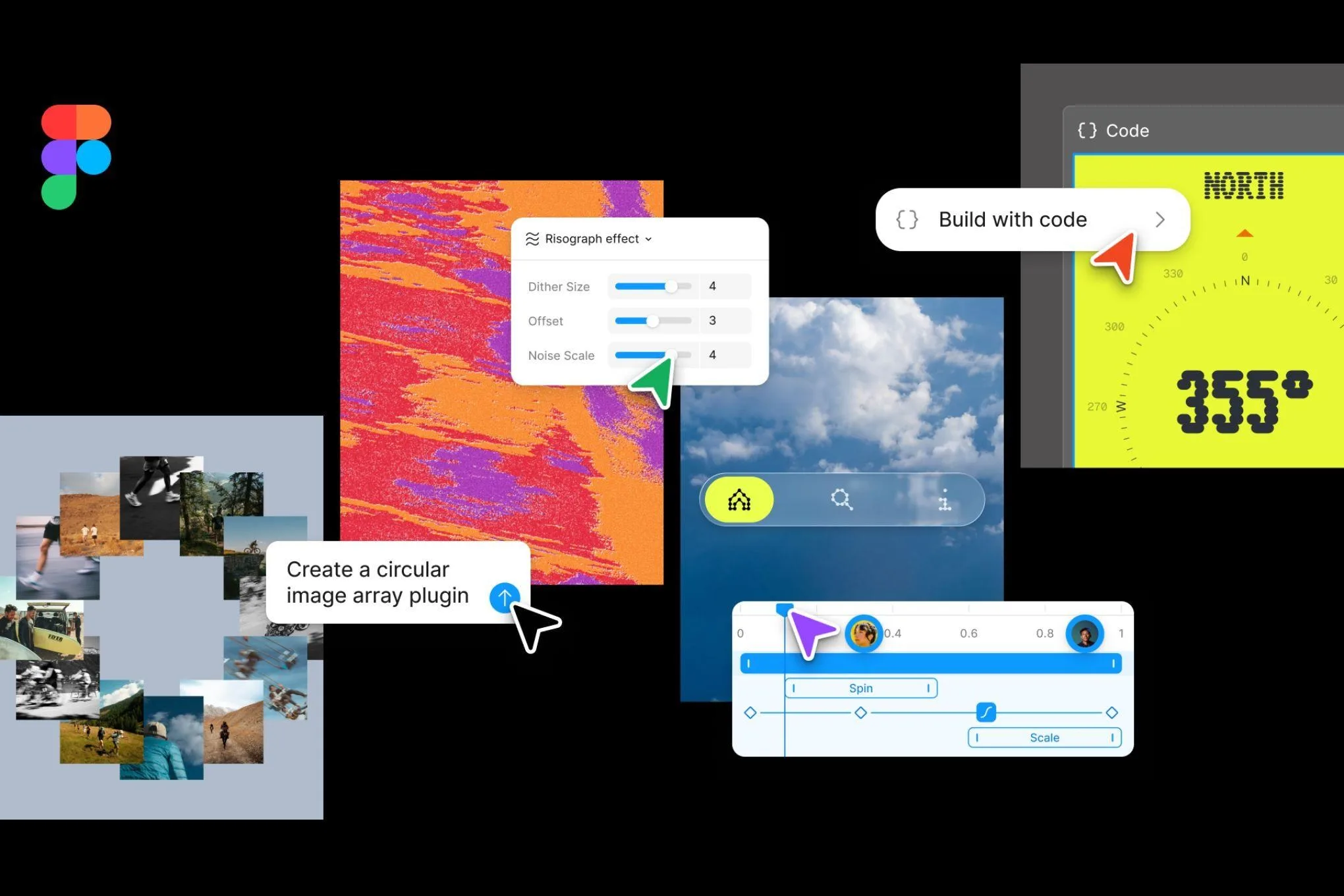
At its annual Config conference, Figma announced coding layers, AI-generated motion graphics, and a reimagined canvas that blurs the line between design and full-stack development.
Sarah Williams · 26 Jun · 5 min
Everyone talks about chips and models. The memory bottleneck is the part of the AI buildout that keeps getting underestimated, and Micron's latest earnings make that case hard to ignore.
Musk's SpaceX share count: 4.8 billion shares
Pre-IPO estimated net worth: ~$800 billion
Post-IPO estimated net worth: ~$1.05 trillion (Bloomberg)
Exchange: Nasdaq
I've seen enough spec sheets to know that valuation figures at IPO open are often the most optimistic number you'll ever see for a company. Share prices on day one are not the same as sustained market value. Whether SPCX holds above $138 six months from now is a genuinely open question.
SpaceX's S-1 is worth reading carefully, because the stated mission is unusually candid for a public filing. The company said its goal is to "build the systems and technologies necessary to make life multiplanetary, to understand the true nature of the universe, and to extend the light" of human civilization. That's the kind of language that sounds either visionary or deeply concerning depending on your tolerance for Musk-brand ambition.
The IPO structure is also notable. Earlier this year, SpaceX combined Musk's rocket business, his AI operations, and his social media platforms into a single entity before filing. That's a broad consolidation. It means investors buying SPCX are not simply buying a launch services company. They're buying exposure to Starlink's satellite internet revenue, whatever xAI produces, and the X platform, all wrapped together. Whether that bundling is an asset or a liability for long-term valuation remains unclear.
From my time in hardware, I'd say the most defensible part of that bundle is Starlink. It has real, recurring revenue from actual customers paying actual subscription fees. The AI and social media components are harder to price with confidence, and the S-1 language around those segments is, let's say, aspirational.
Look, the trillionaire milestone is a headline number, and headline numbers tend to obscure more than they reveal. Musk's wealth is almost entirely tied up in equity stakes that he cannot simply liquidate without moving markets. The $1.05 trillion figure is a mark-to-market valuation, not a bank balance.
That said, the SpaceX IPO is a real event with real consequences for the industrial and aerospace sectors. SpaceX has been the dominant force in commercial launch for years, and going public changes the company's obligations, its transparency requirements, and, in theory, its accountability to shareholders beyond Musk himself. Whether those shareholders can meaningfully constrain Musk's decision-making given his share count is another question entirely, and one this article can't fully answer based on the S-1 excerpts available.
For the robotics and automation industry specifically, the xAI component of the combined entity is worth watching. Musk has been vocal about humanoid robotics through Tesla's Optimus program, and xAI's integration into the SpaceX entity suggests AI capabilities will be a core part of how this company positions itself going forward. Whether that translates into anything concrete for industrial automation, or whether it stays at the level of press release ambition, is too early to say.
This is based on limited reporting from the IPO's opening hours. The full picture of how SpaceX structured its share classes, what voting rights look like, and how the combined entity's segments will be reported separately will take weeks to fully emerge from the filings.
The immediate question is whether SPCX holds above that $138 floor. If it does, Musk stays a trillionaire by the current math. If it doesn't, the headline reverses, which would be its own kind of story.
The more interesting longer-term question is what public market scrutiny does to SpaceX's operational cadence. Private companies can absorb launch failures and development delays without a stock price reaction. Public companies cannot, at least not as quietly. SpaceX has built its reputation partly on moving fast and iterating aggressively, including through high-profile failures that would have been catastrophic for a publicly traded aerospace company in an earlier era.
Investors will now have opinions about that approach. Quarterly earnings calls will require explanations. That's a different operating environment than the one SpaceX has thrived in for the past two decades, and it's not obvious the company's culture is built for it.
As for the trillionaire milestone itself: it's a first. It probably won't be a last. Several tech fortunes are close enough to that threshold that the next market cycle will likely produce a second. But Musk got there first, on a Friday morning in June, at $150 a share.