OpenAI's Age Verification Push: What It Actually Means for Robotics Interfaces
Everyone's talking about teen safety, but the real story is how this changes the game for industrial HMI systems.
By
Most of the coverage I've seen on OpenAI's new age prediction system focuses on keeping kids safe on ChatGPT. Fair enough. But I'll be honest, that's not what caught my attention when I read through their announcements last week.
What nobody seems to be talking about is what this means for human-machine interfaces in industrial settings. And that's the part that actually matters to folks like us.
Here's the thing. OpenAI is now rolling out a system that estimates whether users are under or over 18, then applies different safeguards based on that prediction. They're using behavioural signals, conversation patterns, that sort of thing. No ID upload required. The system just watches how you interact and makes a call.
When I was at Kuka, we spent years wrestling with operator authentication on collaborative robot cells. The solution was always clunky. Badge readers, PIN codes, sometimes biometrics if the customer had deep pockets. The whole point was making sure the person at the teach pendant was actually qualified to be there. We never really cracked it elegantly.
Now imagine this age prediction approach applied to robotics interfaces. Not just age, but experience level. Skill verification through interaction patterns rather than credentials. A cobot interface that recognises you're fumbling through menus like a first-timer and automatically restricts certain functions. Or one that sees you're moving through programming sequences like you've done it a thousand times and gets out of your way.
I called my old colleague at Fanuc America last month about something unrelated, and we ended up talking about this exact problem. Their customers are desperate for smarter operator management. The current systems are, well, they work but they're not smart. This OpenAI approach could change that.
Cobertura relacionada
More in AI Models
Chipmakers swung wildly this week, from a Tuesday 'chip-wreck' to a Micron-led surge after hours. What's actually going on with AI's hardware backbone?
Sarah Williams · 26 Jun · 5 min
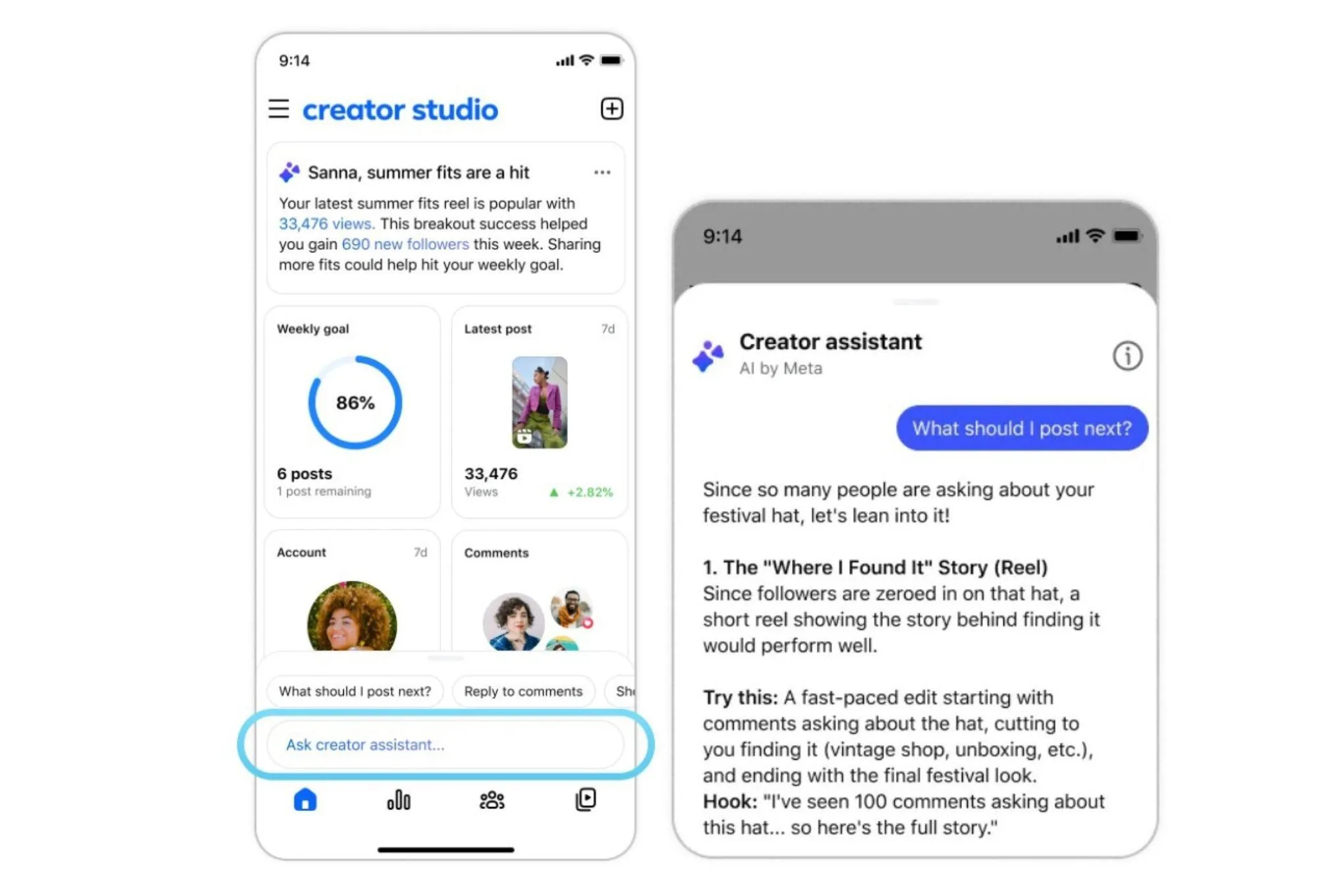
The original Creator Studio was shut down in 2023. Now it's back, rebuilt around an AI assistant that promises to grow your audience and reply to comments in your voice.
Sarah Williams · 26 Jun · 5 min
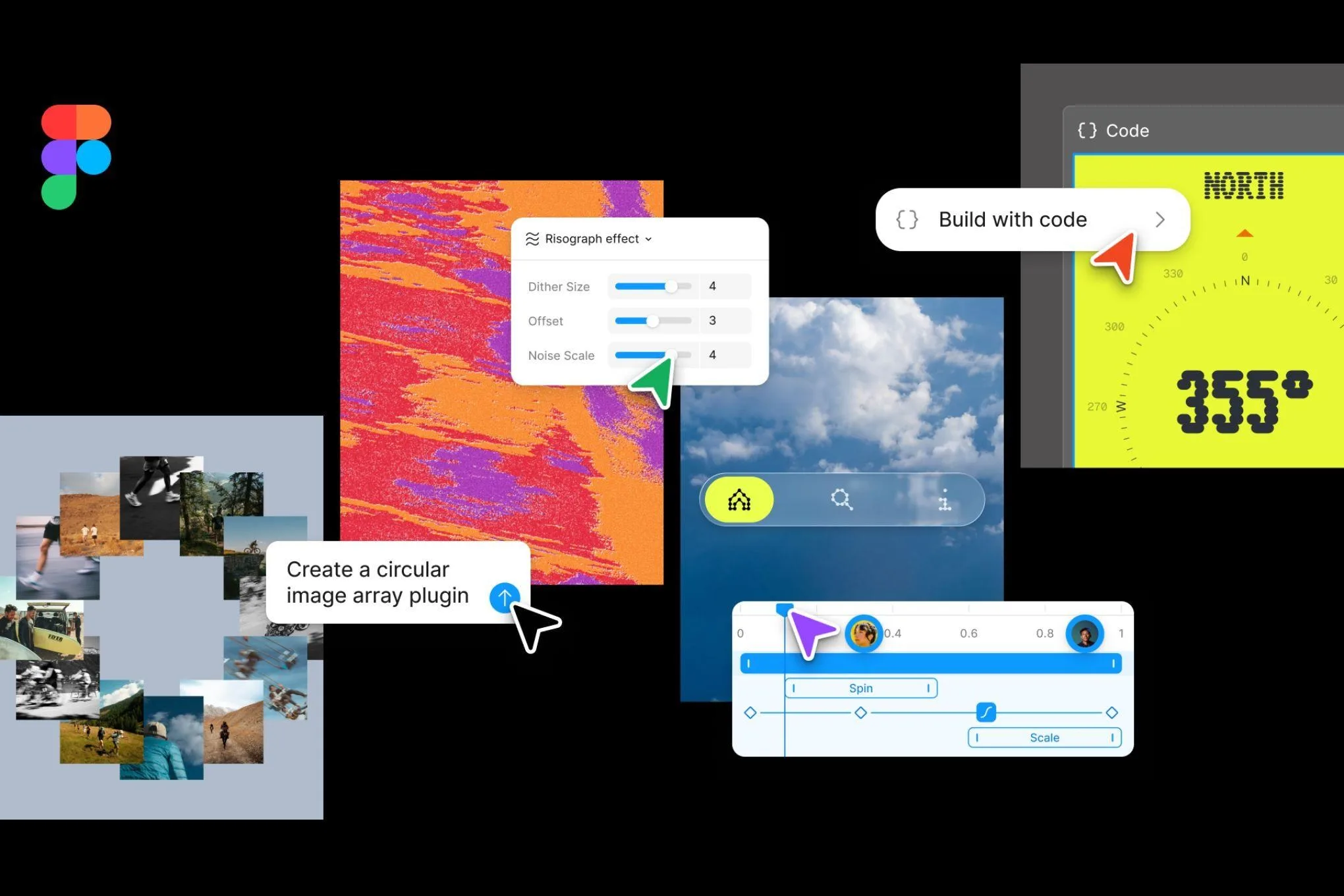
At its annual Config conference, Figma announced coding layers, AI-generated motion graphics, and a reimagined canvas that blurs the line between design and full-stack development.
Sarah Williams · 26 Jun · 5 min
Everyone talks about chips and models. The memory bottleneck is the part of the AI buildout that keeps getting underestimated, and Micron's latest earnings make that case hard to ignore.