Crédito de imagen: Image via source article. Used under fair use for news commentary. · source
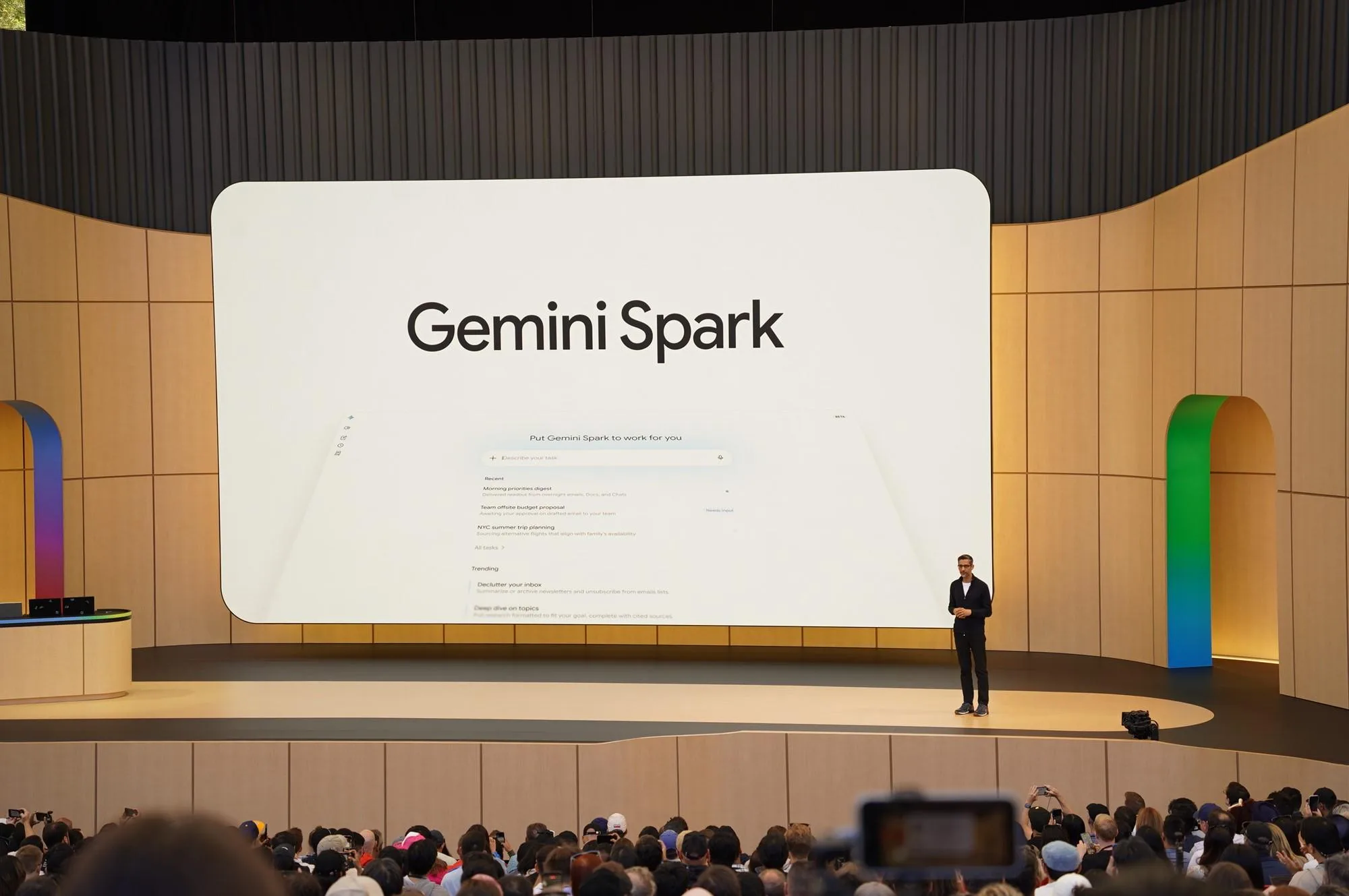
What exactly makes an AI system an "agent" rather than just a very good assistant? This is the question I kept returning to while examining Google's newly released Gemini Spark, which the company describes as a "24/7 AI agent" capable of working on tasks in the background while you, presumably, do something more interesting with your time. The distinction matters more than it might seem, and Google's framing of Spark reveals some interesting tensions in how the industry is positioning these systems.
To be precise, the term "agent" in AI research typically implies a system with some degree of autonomous goal-directed behaviour, the ability to plan multi-step actions, and crucially, the capacity to operate in an environment without constant human intervention. By that definition, Spark appears to qualify, at least partially. According to hands-on reports from The Verge and TechCrunch, the system can handle tasks with multiple steps, work asynchronously while users are away from their devices, and manage workflows like inbox summarisation and local event planning without requiring continuous input.
But here's where it gets interesting. Google's marketing simultaneously emphasises Spark's autonomy and its constraints. The company states prominently that the system is "always under your direction," that "you choose to turn it on," and that "it's designed to check with you before taking major actions." This is a careful bit of positioning. Google wants users to feel that Spark is capable enough to be useful but controlled enough to be trustworthy. Whether both of those things can be true simultaneously is, well, an open question.
Cobertura relacionada
More in AI Models
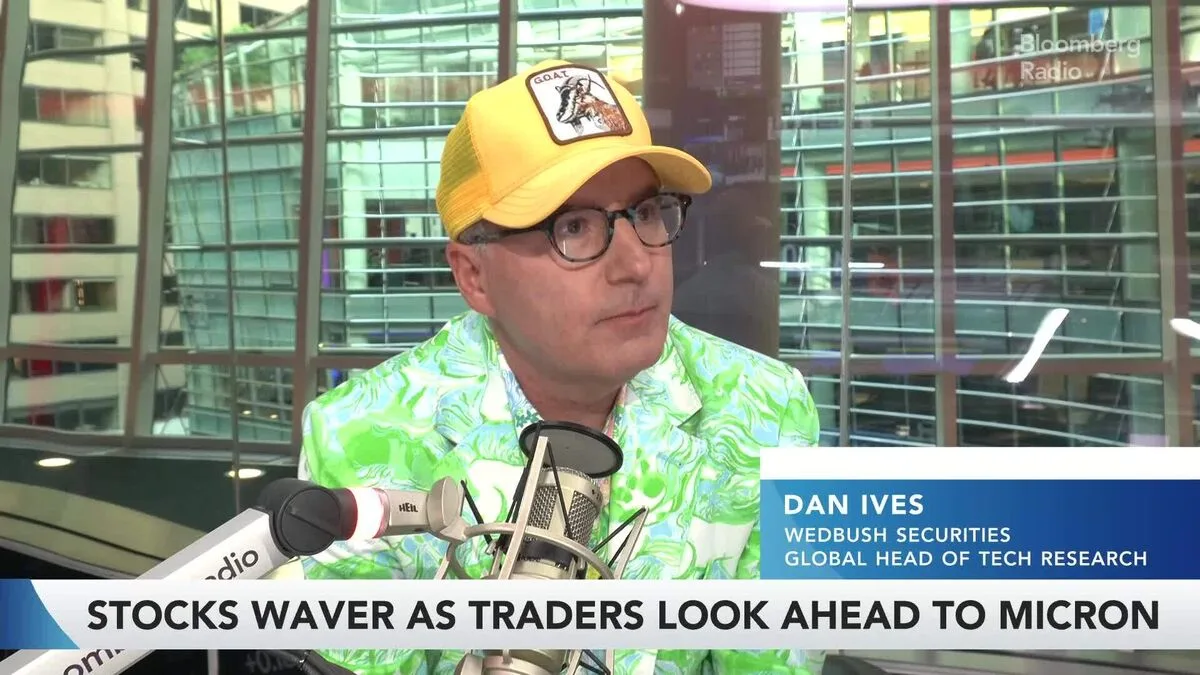
Chipmakers swung wildly this week, from a Tuesday 'chip-wreck' to a Micron-led surge after hours. What's actually going on with AI's hardware backbone?
Sarah Williams · 26 Jun · 5 min
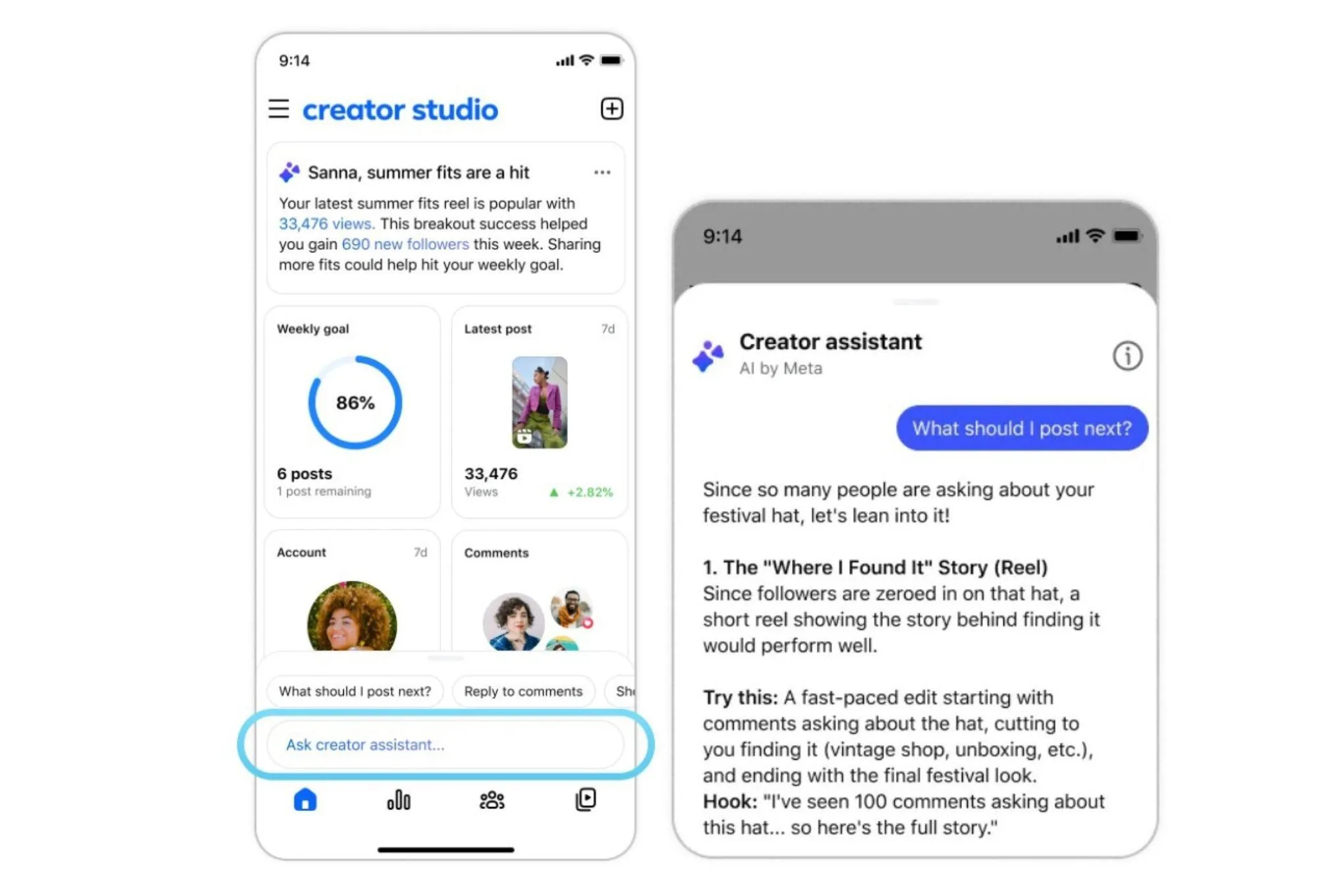
The original Creator Studio was shut down in 2023. Now it's back, rebuilt around an AI assistant that promises to grow your audience and reply to comments in your voice.
Sarah Williams · 26 Jun · 5 min
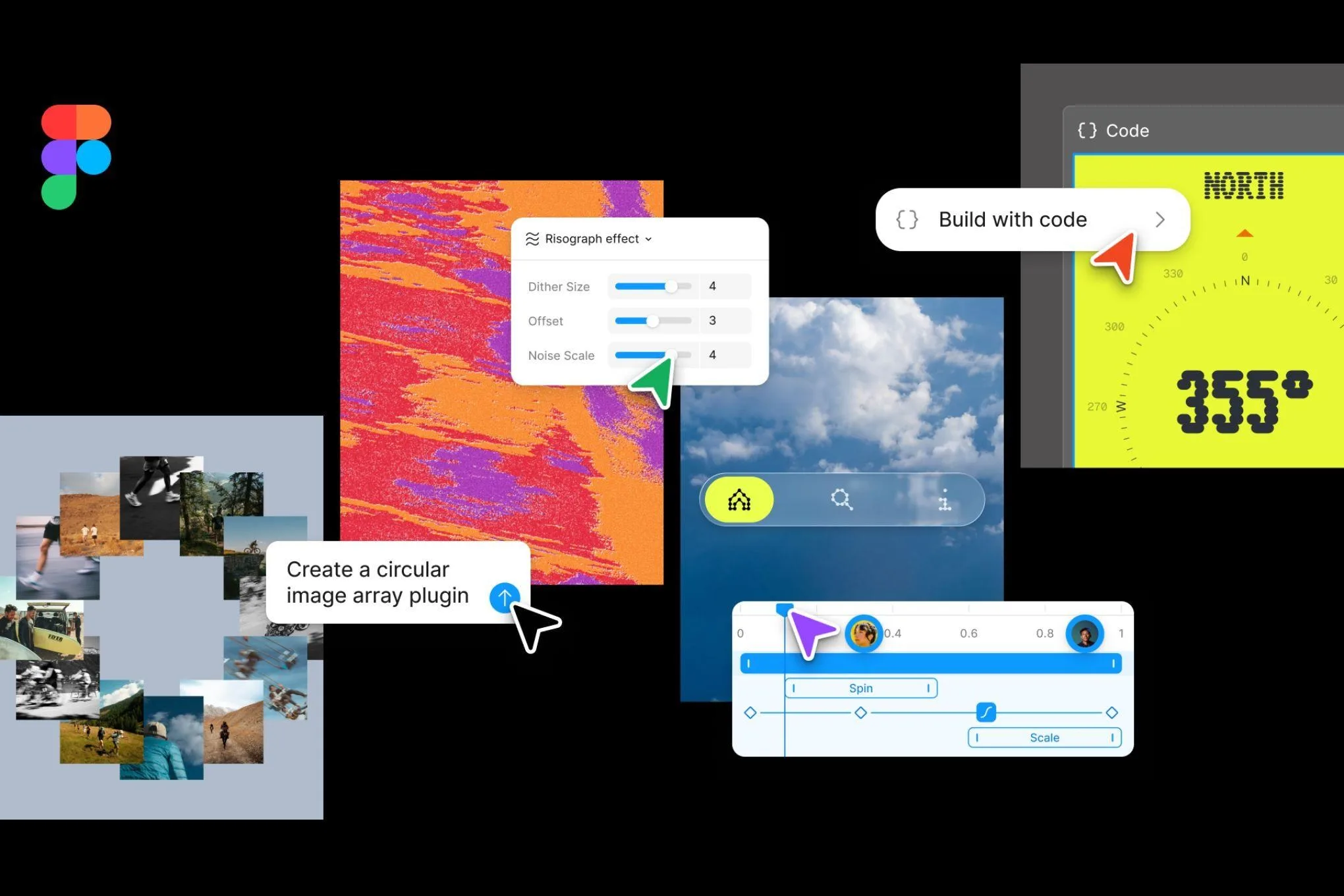
At its annual Config conference, Figma announced coding layers, AI-generated motion graphics, and a reimagined canvas that blurs the line between design and full-stack development.
Sarah Williams · 26 Jun · 5 min
Everyone talks about chips and models. The memory bottleneck is the part of the AI buildout that keeps getting underestimated, and Micron's latest earnings make that case hard to ignore.
The early reviews suggest Spark performs reasonably well on the tasks it's designed for. The Verge's assessment was notably measured: the system "can be shockingly good at doing things on your behalf," but the reviewer questioned whether the financial cost and potential privacy tradeoffs make it worthwhile. TechCrunch found it "actually pretty useful" for everyday automation, though expressed confusion about why Google chose to make Spark a separate product rather than integrating these capabilities into existing Gemini features. I share that confusion, actually. The product strategy here is opaque.
It's worth noting that what Google is describing isn't particularly novel from a research perspective. The concept of AI agents that can decompose goals into sub-tasks, execute multi-step plans, and operate with limited supervision has been explored extensively in academic literature for years. What's new is the deployment context: a consumer-facing product with broad access to personal data (email, calendar, location) and the ability to take actions in the real world (or at least the digital approximation of it). The engineering required to make such a system reliable enough for general consumer use is genuinely impressive, even if the underlying concepts are incremental over prior work in areas like task planning and tool use.
I know I'm being picky here, but the framing around "24/7" availability deserves scrutiny. The implication is that Spark is always working, always watching, always ready. But the actual user experience, based on available reports, involves explicitly initiating tasks and then waiting for Spark to complete them. This is different from, say, a system that proactively identifies tasks you might want done and offers to handle them. The distinction between reactive and proactive agency is significant, and Google's marketing somewhat blurs it. Whether future versions will move toward more proactive behaviour remains unclear, and honestly, I'm not sure that would be a good thing from a user autonomy perspective.
The privacy implications are substantial and, in my view, underexplored in the current coverage. For Spark to summarise your inbox, it needs to read your inbox. For it to plan local events, it needs access to your location and calendar. For it to work in the background, it needs to maintain persistent access to these data sources. Google has built an enormous business on exactly this kind of data access, and Spark represents a significant expansion of the surface area. The company's assurances about user control are welcome, but the structural incentives haven't changed. I would want to see independent audits of what data Spark actually accesses and retains before I'd be comfortable recommending it for anything sensitive.
There's also a methodological concern that applies to all early reviews of AI systems like this. The sample size is small (a handful of tech journalists with early access), the testing period is short (roughly a week, based on available reports), and the use cases are relatively constrained. We don't know how Spark performs over months of use, with complex or ambiguous tasks, or in edge cases that early reviewers didn't encounter. This isn't a criticism of the reviewers, who are working with the access they have. It's a reminder that first impressions of AI systems are often misleading, in both directions.
What I find most interesting about Spark is what it suggests about Google's strategic positioning in the AI agent space. The company is clearly betting that the next phase of AI deployment will involve systems that do things rather than just say things. This is consistent with broader industry trends, as OpenAI, Anthropic, and others have all signalled interest in agentic capabilities. But Google has a unique advantage here: it already controls many of the digital environments where agents would operate. Gmail, Google Calendar, Google Maps, Android. If AI agents become the primary interface for digital tasks, Google is positioning itself to be the default provider for a significant portion of users.
The competitive dynamics are worth watching. Apple has been notably cautious about AI agent capabilities, emphasising on-device processing and user privacy. Microsoft has integrated Copilot across its productivity suite but hasn't released a comparable always-on agent. Meta is focused primarily on social and messaging contexts. Google's decision to launch Spark as a distinct product (rather than a feature of existing services) suggests the company sees this as a new category worth establishing, even at the cost of some user confusion about where Spark fits in the broader Gemini ecosystem.
I should acknowledge some limitations in this analysis. I haven't used Spark myself; this is based on secondary reporting and Google's public materials. The financial cost mentioned in reviews wasn't specified precisely in the sources I found, so I can't evaluate the value proposition in concrete terms. And the long-term reliability and safety characteristics of the system are simply unknowable at this point. These are not unusual limitations for analysis of newly launched products, but they're worth stating explicitly.
What would I want to see next? First, detailed technical documentation about how Spark handles task decomposition, error recovery, and the "check with you before taking major actions" constraint. The engineering details matter here. Second, independent security and privacy audits, not just Google's assurances. Third, longitudinal studies of user behaviour with agentic AI systems. Do people become more productive? More dependent? More or less aware of what's happening with their data? These questions don't have answers yet.
The broader question, the one that Spark raises but doesn't answer, is whether we actually want AI systems that operate autonomously on our behalf. The convenience is obvious. The costs are less visible but potentially significant: reduced awareness of our own digital lives, increased dependence on systems we don't fully understand, and the gradual ceding of decisions (even small ones) to algorithmic judgment. Google's careful framing, always under your direction, you choose to turn it on, suggests the company is aware of these concerns. Whether the product actually respects them in practice is something we'll only learn with time.
For now, Gemini Spark appears to be a competent implementation of ideas that have been circulating in AI research for years, deployed in a consumer context with significant data access and some genuinely useful capabilities. It's not a paradigm shift (I promised I wouldn't use that phrase, but I'm using it here to explicitly reject it). It's an incremental step in a direction the industry has been moving for some time. Whether that direction leads somewhere good is a question I don't think anyone can answer yet, and anyone who claims otherwise is selling something.