Elon Musk's investor pitch at Bloomberg Tech was less about SpaceX, more about selling a mood
At Bloomberg's San Francisco tech summit, Musk dodged the IPO question everyone wanted answered and instead painted a vision of the future that investors apparently found more compelling than hard numbers.
Crédito de imagen: Image via Source article. Used under fair use for news commentary. · source
You know that friend who asks you about your five-year plan and you end up talking about your philosophy of life instead? That's basically what happened when Elon Musk took the stage at Bloomberg Tech this week in San Francisco.
Investors showed up wanting SpaceX IPO details. They got a vision of the future. And somehow, according to Bloomberg, they left enchanted anyway.
Bloomberg's Ed Ludlow described Musk as having "enchanted investors even as he brushed aside questions about the SpaceX IPO." That phrasing is doing a lot of work. Enchanted. Not convinced, not satisfied, not informed. Enchanted.
I've been trying to figure out what that means, exactly. The SpaceX IPO has been the subject of speculation for years now. Investors have been patient. They've watched the company's valuation climb. They've seen Starlink become a genuine infrastructure play. And when they finally get Musk in front of them at a major tech event, he... talks about his vision of the future?
Honestly, I'm not sure whether this is frustrating or impressive. Maybe both.
The Bloomberg Tech event in San Francisco brought together leaders from across tech and business to discuss navigating economic and geopolitical uncertainty. That's the official framing, anyway. What it really seemed to be about, based on the coverage, was a massive race to capital and the future of AI. Those two things are connected, obviously. You can't build the future of AI without enormous amounts of money.
Cobertura relacionada
More in AI Models
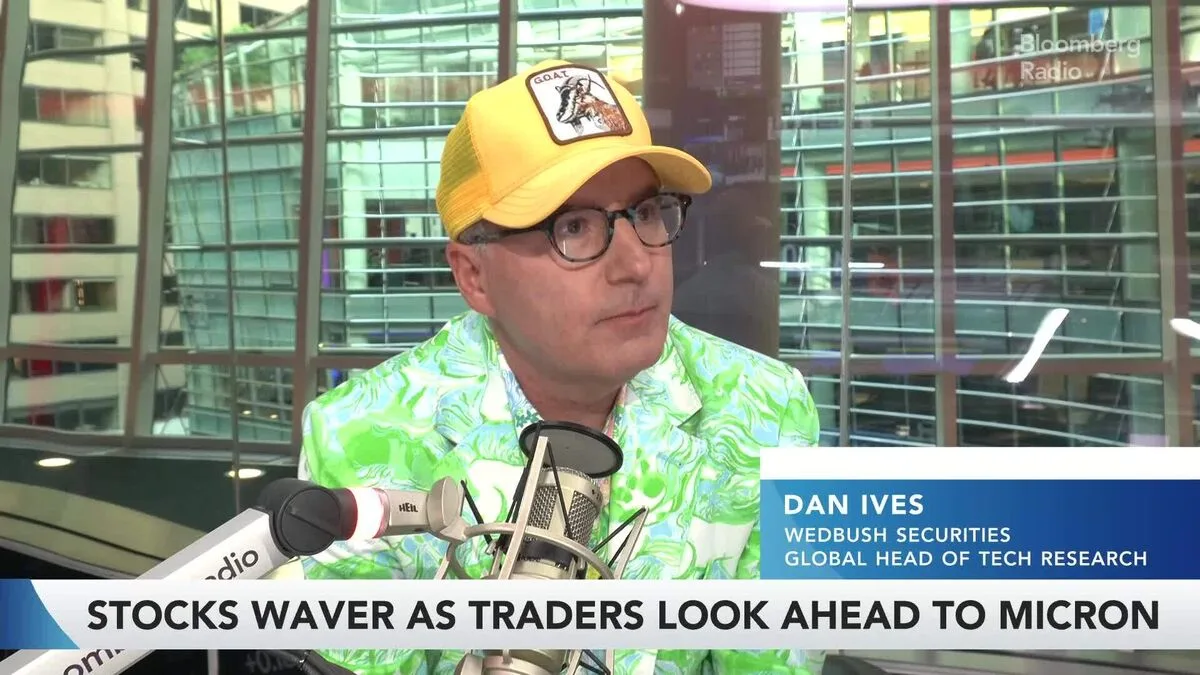
Chipmakers swung wildly this week, from a Tuesday 'chip-wreck' to a Micron-led surge after hours. What's actually going on with AI's hardware backbone?
Sarah Williams · 26 Jun · 5 min
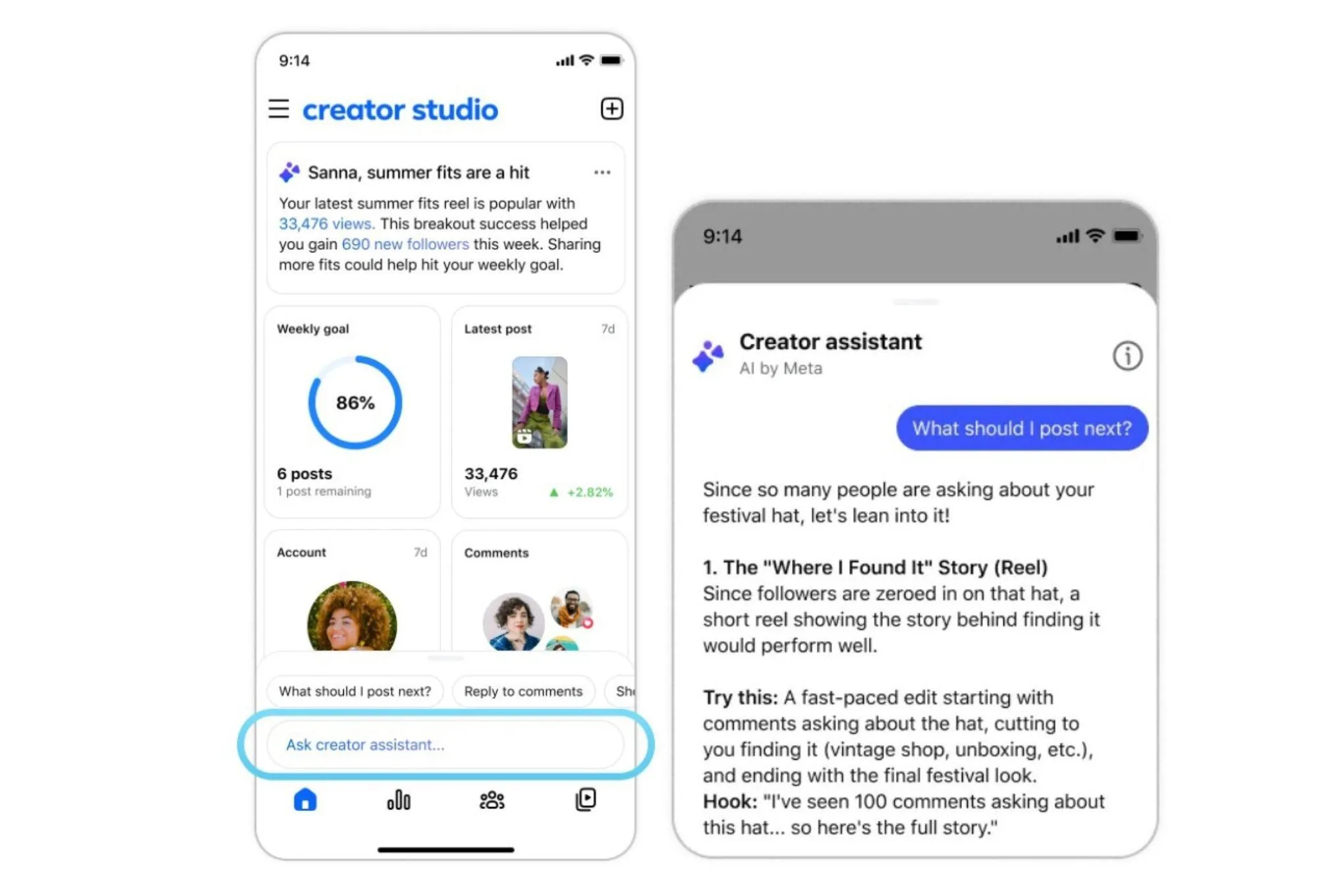
The original Creator Studio was shut down in 2023. Now it's back, rebuilt around an AI assistant that promises to grow your audience and reply to comments in your voice.
Sarah Williams · 26 Jun · 5 min
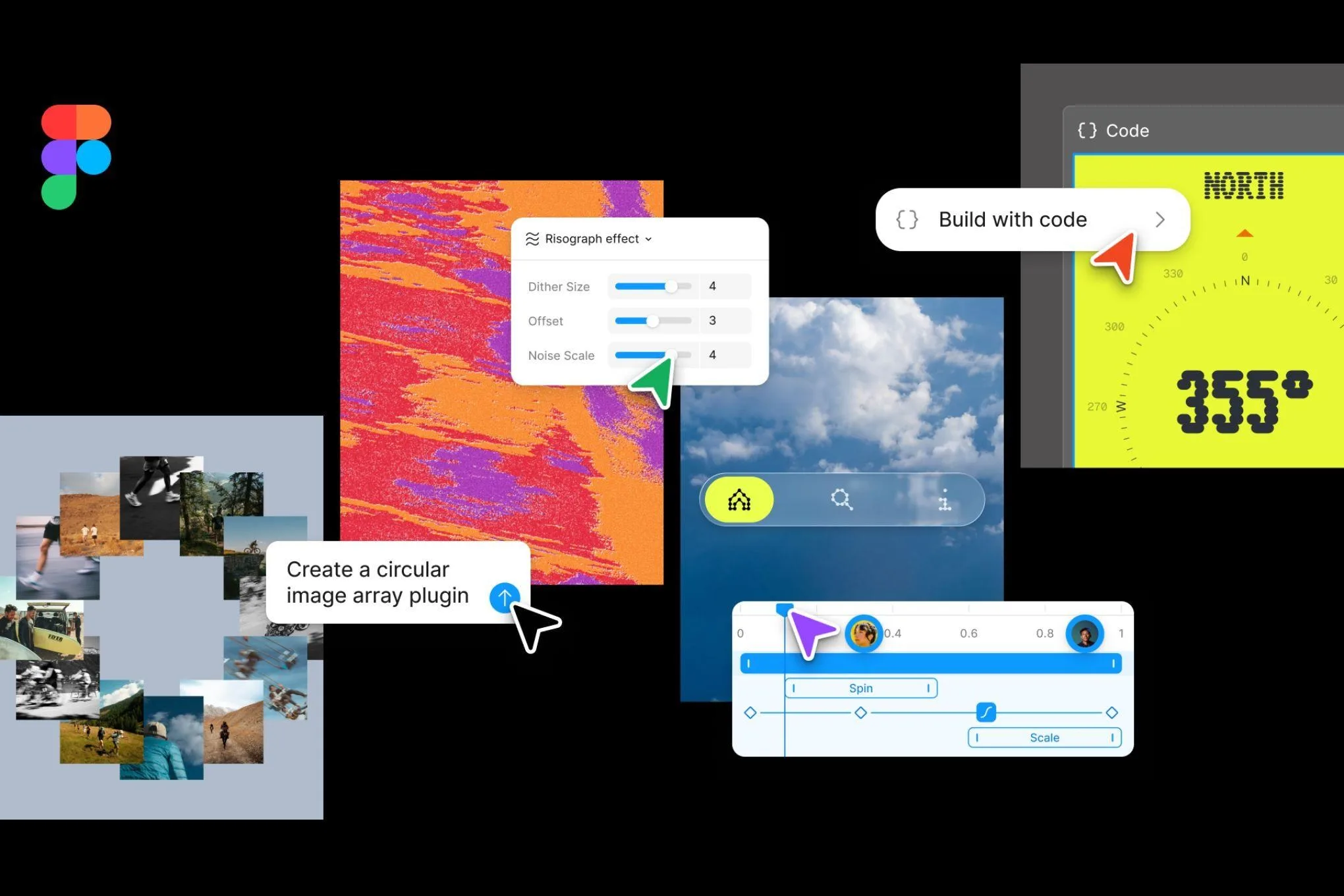
At its annual Config conference, Figma announced coding layers, AI-generated motion graphics, and a reimagined canvas that blurs the line between design and full-stack development.
Sarah Williams · 26 Jun · 5 min
Everyone talks about chips and models. The memory bottleneck is the part of the AI buildout that keeps getting underestimated, and Micron's latest earnings make that case hard to ignore.
Here's what's interesting about the timing. May's jobs report came in hot, which means investors are now reassessing the path for interest rates. Tech stocks were under pressure during the event itself. So you've got this weird moment where everyone's gathered to talk about the future while the present is looking a bit wobbly.
I initially thought this might make investors more skeptical, more demanding of concrete details. But that's not what happened with Musk, apparently. He sold a mood, and people bought it.
This raises questions about... well, multiple things. What exactly constitutes a successful investor pitch in 2026? Is vision enough? Or are we in a phase where the AI hype cycle has made investors more willing to bet on narrative?
I should know this better, but I'm genuinely uncertain whether this represents savvy communication or whether investors are just so hungry for exposure to Musk's companies that they'll accept whatever he gives them.
Musk wasn't the only draw. Bloomberg's coverage highlighted conversations with "three of the biggest names in AI" at the event, though the specific details of those conversations weren't fully captured in what I could find. The event seemed to position AI as the dominant theme, with capital access as the underlying concern.
You might be wondering whether this is just another tech conference where everyone agrees AI is transformative and important. Probably, tbh. But the capital piece feels different this year. The race to funding isn't just about having a good idea anymore. It's about having the infrastructure, the compute, the talent pipeline. The barriers to entry keep getting higher.
What remains unclear is whether the companies at this event are actually solving different problems or whether they're all chasing the same handful of opportunities. The coverage suggests a lot of optimism, but optimism at tech conferences is basically table stakes.
I keep coming back to that word: enchanted. It's such a strange choice for financial journalism. It suggests something almost irrational, or at least non-rational. Musk didn't give investors what they asked for, and they left happy anyway.
There are a few ways to read this:
The cynical take: Investors are so desperate for Musk exposure that they'll accept anything. The SpaceX IPO will happen when it happens, and in the meantime, proximity to Musk's vision is its own form of value.
The strategic take: Musk knows exactly what he's doing. By not committing to IPO details, he maintains optionality. By selling vision, he keeps investors emotionally invested (pun intended) in the long game.
The honest take: Maybe the vision actually was compelling? I didn't see the full presentation, so I can't say for sure. But Musk has a track record of painting futures that sound impossible until they aren't. Electric cars, reusable rockets, satellite internet. The man delivers, eventually, on at least some of his promises.
I think the truth is probably some combination of all three. Investors aren't stupid, but they're also not immune to narrative. And Musk is, whatever else you think of him, extremely good at narrative.
The Bloomberg Tech event wrapped with AI and capital dominating the conversation. That's not surprising. What's more interesting is the subtext: everyone's trying to figure out how to position themselves for a future that's arriving faster than anyone expected, while also dealing with present-day pressures like interest rate uncertainty and a hot labor market.
For Musk specifically, the SpaceX IPO question isn't going away. At some point, enchantment won't be enough. Investors will want dates, valuations, share structures. But that point apparently wasn't this week.
For the broader tech industry, the event seems to have reinforced what we already knew: AI is the game, capital is the constraint, and the companies that figure out how to secure both will define the next decade.
I walked away from this coverage with more questions than answers, which is sort of the point of conferences like this, I guess. They're less about resolving uncertainty and more about mapping it. Here's where we are. Here's what we're worried about. Here's what we're excited about.
The SpaceX IPO, whenever it happens, will be a major event. But maybe Musk is right to keep it vague for now. In a market this uncertain, flexibility might be worth more than commitment.
Or maybe he just didn't feel like answering the question. With Musk, honestly, it's hard to tell.