Crédito de imagen: Image via Bloomberg — Technology. Used under fair use for news commentary. · source
Picture this: it's 7pm, you're tired, you open DoorDash, and instead of scrolling through forty-seven burger options, you just type "something spicy, not too heavy, under $20" and the app figures it out. That's the pitch behind Ask DoorDash, a new in-app AI chatbot the company introduced this week.
Honestly, my first reaction was: haven't we been promised this before? But the more I looked at it, the more I think there's something genuinely different happening here, even if it's too early to say whether it'll stick.
What Ask DoorDash actually does
The basics, first. According to TechCrunch, Ask DoorDash lets users search the app in their own words rather than scrolling through restaurants and stores to build a cart manually. You can describe what you want in plain language. You can also, apparently, send a photo, which is the part that caught my attention.
The photo feature is interesting because it shifts the interface from text-based intent to something more visual and ambient. You see something on Instagram, you take a screenshot, you send it to the chatbot and it finds you something similar. That's a genuinely different way of interacting with a delivery app, and it maps onto how people actually discover food in 2026.
The chatbot covers restaurant orders, grocery lists, and reservations, so it's not narrowly scoped. Bloomberg also reported that DoorDash is eyeing the technology as a potential enterprise revenue stream, which is the detail I keep coming back to.
Cobertura relacionada
More in AI Models
Chipmakers swung wildly this week, from a Tuesday 'chip-wreck' to a Micron-led surge after hours. What's actually going on with AI's hardware backbone?
Sarah Williams · 26 Jun · 5 min
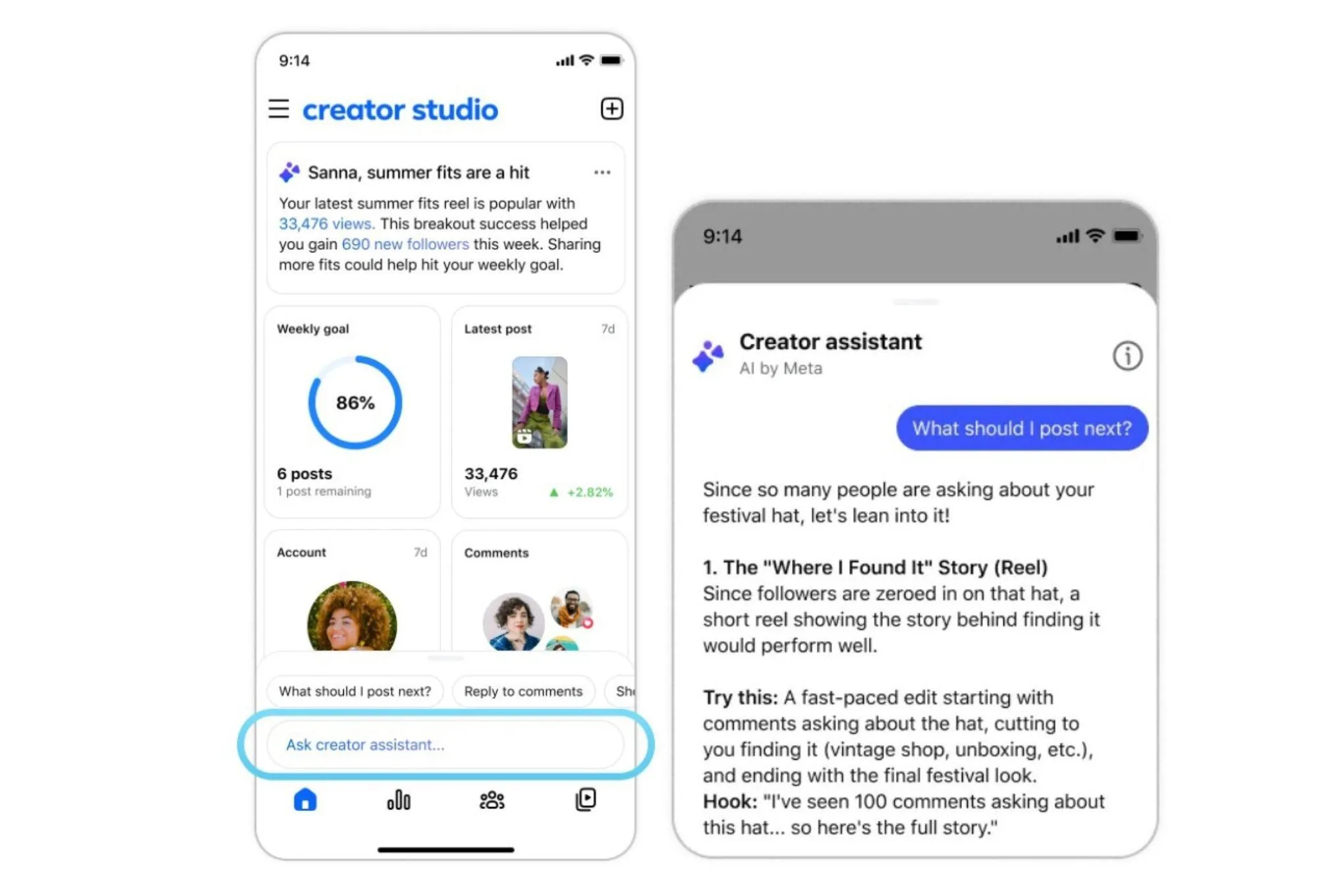
The original Creator Studio was shut down in 2023. Now it's back, rebuilt around an AI assistant that promises to grow your audience and reply to comments in your voice.
Sarah Williams · 26 Jun · 5 min
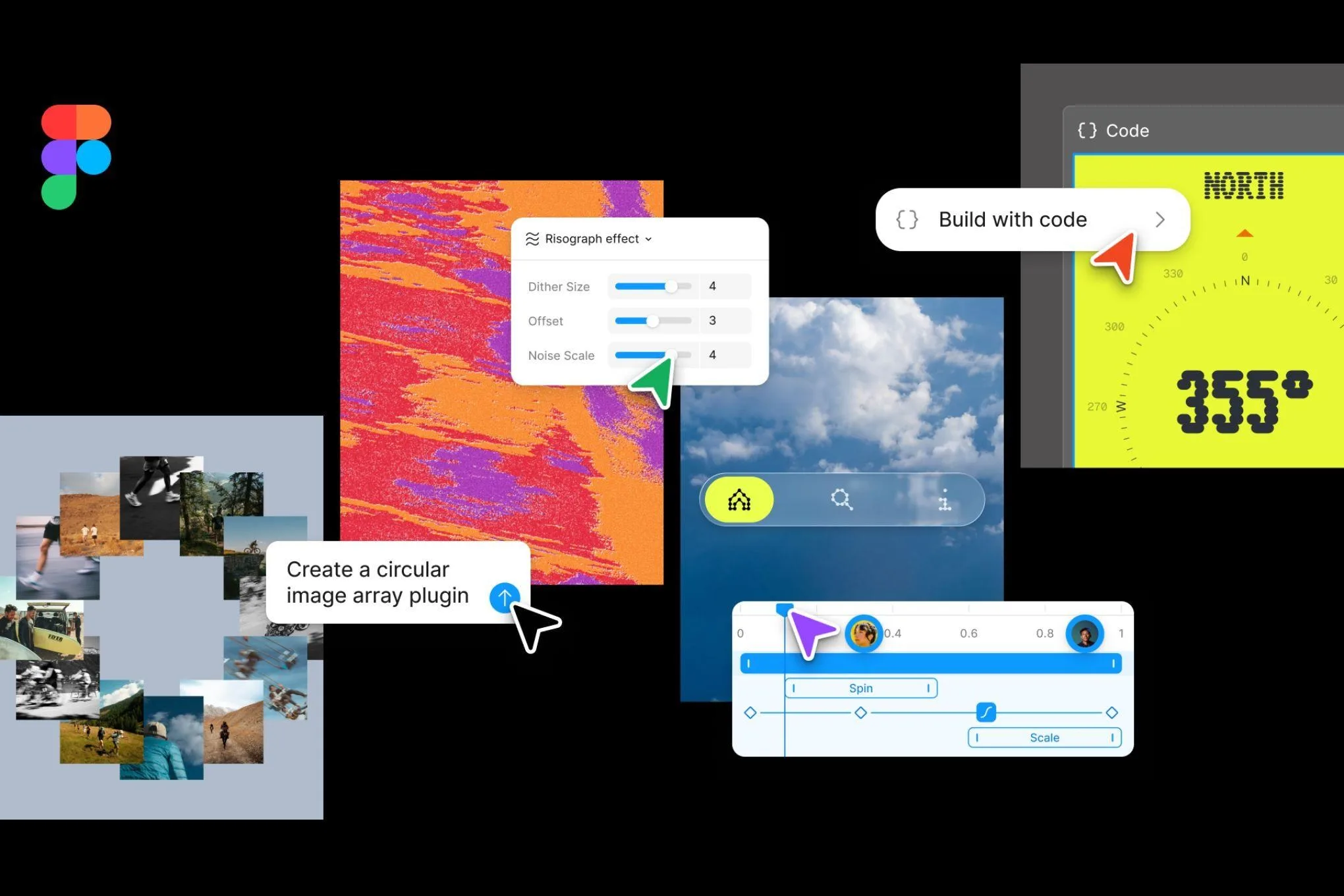
At its annual Config conference, Figma announced coding layers, AI-generated motion graphics, and a reimagined canvas that blurs the line between design and full-stack development.
Sarah Williams · 26 Jun · 5 min
Everyone talks about chips and models. The memory bottleneck is the part of the AI buildout that keeps getting underestimated, and Micron's latest earnings make that case hard to ignore.
The enterprise angle is the more interesting story
Most of the coverage has focused on the consumer experience, which makes sense. But DoorDash flagging this as a potential enterprise play is worth sitting with for a moment.
What does that actually mean? Honestly, I'm not entirely sure, and the company didn't provide much detail in what's been reported so far. One reading is that DoorDash could license the chatbot interface or the underlying recommendation infrastructure to other businesses, basically becoming an AI ordering layer that sits on top of other platforms. Another reading is that enterprise clients (think: corporate lunch programs, office catering, large-scale event ordering) could use a more sophisticated version of the tool to manage high-volume, complex orders.
Both of those are plausible. Neither has been confirmed. This is based on limited public disclosure, so I'd hold this part loosely.
What I will say is that this framing matters for how we think about what DoorDash is building. If it's just a nicer search bar for consumers, that's a UX improvement. If it's an AI-powered ordering infrastructure that can be deployed across enterprise contexts, that's a different kind of business entirely.
Why this lands differently than earlier chatbot attempts
I initially thought this was just another chatbot announcement, the kind where a company slaps a chat interface on top of an existing search function and calls it AI. And maybe that's all it is. But a few things make me think it's at least slightly more substantive.
First, the photo input. Text-to-order chatbots have existed in various forms for years. Adding image understanding as a primary input mode is newer, and it suggests DoorDash is using multimodal models rather than just a language model sitting on top of keyword search. The difference matters because multimodal input is harder to fake with a thin wrapper.
Second, the scope. Covering restaurants, groceries, and reservations in one interface means the chatbot has to reason across pretty different kinds of inventory and intent. Ordering a burrito and building a weekly grocery list are not the same task. The fact that DoorDash is attempting both in one conversational interface suggests some genuine investment in the underlying model, not just a prompt-engineered search tweak.
Third, and tbh this is the most speculative part, the timing. We're in a moment where every major consumer platform is trying to figure out what their AI-native interface looks like. DoorDash moving here is partly defensive. If they don't build this, someone else will, and the someone else might not need DoorDash's restaurant network to do it.
The embodied AI angle (yes, I'm going there)
You might be wondering why I'm covering this on a beat that's supposed to be about humanoids and embodied AI. Fair question.
Here's my thinking. A lot of the conversation about embodied AI focuses on robots: the physical form, the locomotion, the manipulation. And that's right, that's the core of it. But embodied AI is also about AI that exists in the world, that interacts with physical context, that bridges the digital and the material. An AI that takes a photo of food and translates it into a real-world delivery order is, in a small way, doing that. It's taking a visual input from the physical world and acting on it.
I'm not trying to overstate this. Ask DoorDash is not a robot. It's a chatbot. But the multimodal, world-grounded nature of what it's doing sits closer to embodied AI principles than a text-only language model does, and I think that's worth flagging as the lines between these categories start to blur.
The broader point is that the interface layer for AI is getting more physical, more visual, more grounded in what's actually around you. That's a trend worth tracking regardless of whether there's a physical chassis involved.
What remains unclear
A few things I genuinely don't know yet.
One: how good is it, actually? Neither Bloomberg nor TechCrunch published hands-on reviews with the chatbot. The reporting is largely based on the announcement and what DoorDash has said about it. I'd want to see real user testing before drawing conclusions about whether the conversational interface actually reduces friction or just adds a new kind of it.
Two: what model is powering it? DoorDash hasn't disclosed the underlying AI infrastructure, as far as I can tell. That matters for understanding capability ceilings and for thinking about the enterprise angle. A proprietary model trained on DoorDash's order data would be a different thing than an off-the-shelf API with a custom prompt.
Three: the enterprise revenue claim. As I mentioned, this was floated but not detailed. It remains unclear whether DoorDash has actual enterprise clients lined up, or whether this is a signal to investors that there's more upside than just consumer UX.
The bigger picture
I've covered enough AI product launches to know that the gap between announcement and reality is often significant. Chatbots that sound great in press releases sometimes turn out to be frustrating in practice, limited in ways that only become obvious when you're actually trying to use them to order dinner.
But I also think DoorDash is operating in a context where getting the AI interface right actually matters for survival. Food delivery is a brutally competitive, low-margin business. The companies that build genuine loyalty are the ones that reduce friction at every step. If Ask DoorDash actually works, if it genuinely understands what you want and gets you there faster than scrolling does, that's a meaningful moat.
The photo input is the thing I keep coming back to. If I can photograph a dish I saw somewhere and get a close match delivered to my door, that's not just convenient. It's a fundamentally different relationship between the visual world and the commerce layer sitting underneath it. That's sort of the dream of ambient AI, right? The world becomes the interface.
We'll see if the execution lives up to the pitch. For now, Ask DoorDash is an interesting signal about where consumer AI interfaces are heading, even if the full picture is still coming into focus.