Apple's Siri Overhaul Is Built on Google Gemini, and That Should Tell You Everything
The company that once prided itself on vertical integration is outsourcing its AI brain to a competitor. That's not a pivot, it's a concession.
Crédito de imagen: Image via source article. Used under fair use for news commentary. · source
Apple is reportedly rebuilding Siri from the ground up using Google Gemini technology, and I think this tells us more about the state of Apple's AI efforts than any WWDC keynote ever could.
According to Bloomberg, the next iPhone, iPad, and Mac software updates will feature a completely revamped Siri interface alongside a new chatbot-style app. The rebuilt voice assistant will include the ability to understand personal data, analyze on-screen content, and perform AI-powered web search. All of this will run on Google's Gemini model.
Look, I've seen enough spec sheets and partnership announcements to know when a company is admitting defeat without actually saying the words. This is one of those moments.
What Apple is actually admitting here
Apple has spent the better part of a decade building its own machine learning infrastructure. The Neural Engine first appeared in the A11 Bionic back in 2017. The company has acquired dozens of AI startups. It employs thousands of ML researchers. And yet, when it came time to actually compete with ChatGPT and Google Assistant's new capabilities, Apple picked up the phone and called Mountain View.
From my time in hardware, I learned that you outsource components when you can't make them yourself at competitive quality or cost. Apple outsources modem chips to Qualcomm (though it's been trying to change that for years). It outsources display panels to Samsung and LG. These are commodity components where Apple's design expertise doesn't provide a meaningful edge.
Cobertura relacionada
More in AI Models
Chipmakers swung wildly this week, from a Tuesday 'chip-wreck' to a Micron-led surge after hours. What's actually going on with AI's hardware backbone?
Sarah Williams · 26 Jun · 5 min
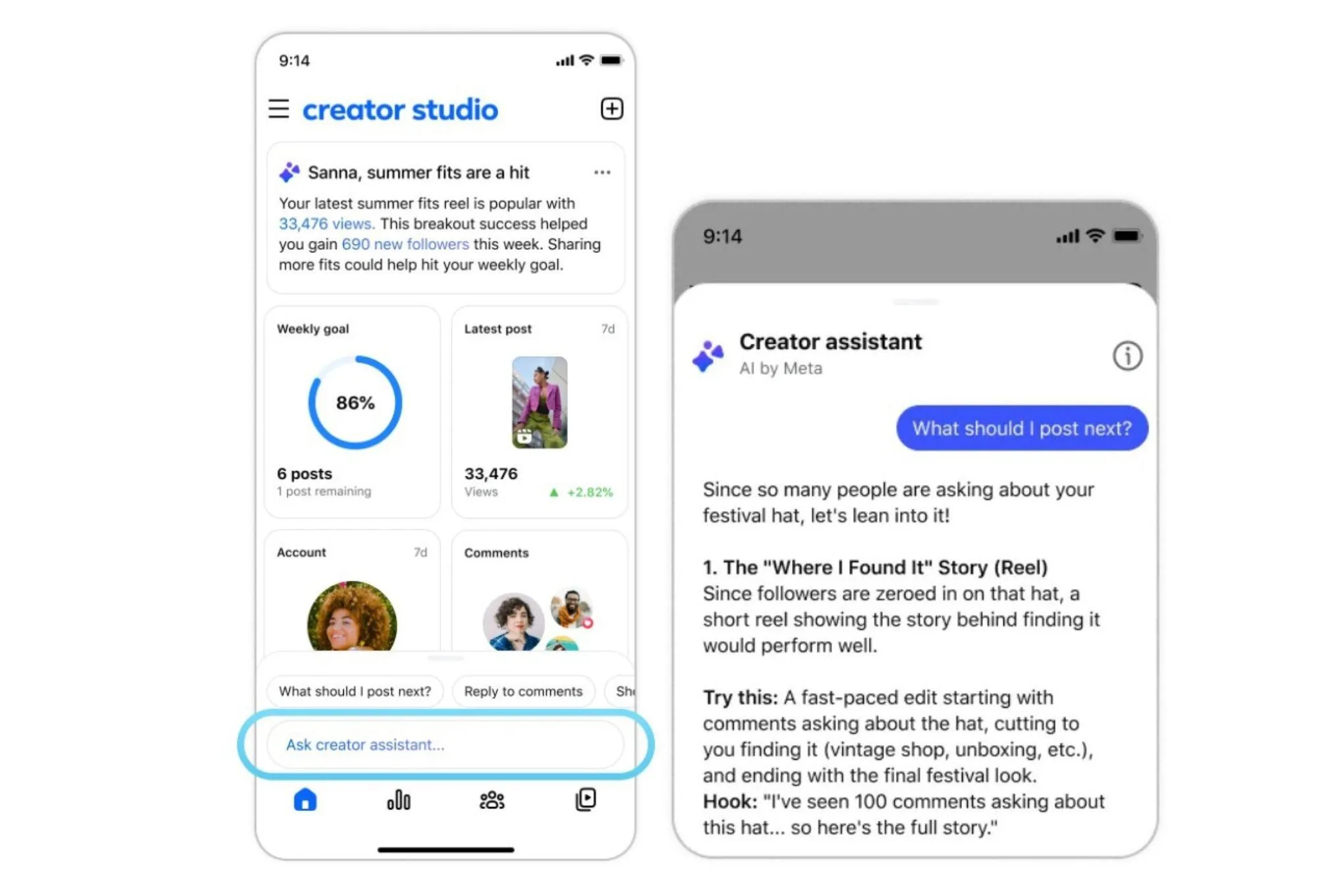
The original Creator Studio was shut down in 2023. Now it's back, rebuilt around an AI assistant that promises to grow your audience and reply to comments in your voice.
Sarah Williams · 26 Jun · 5 min
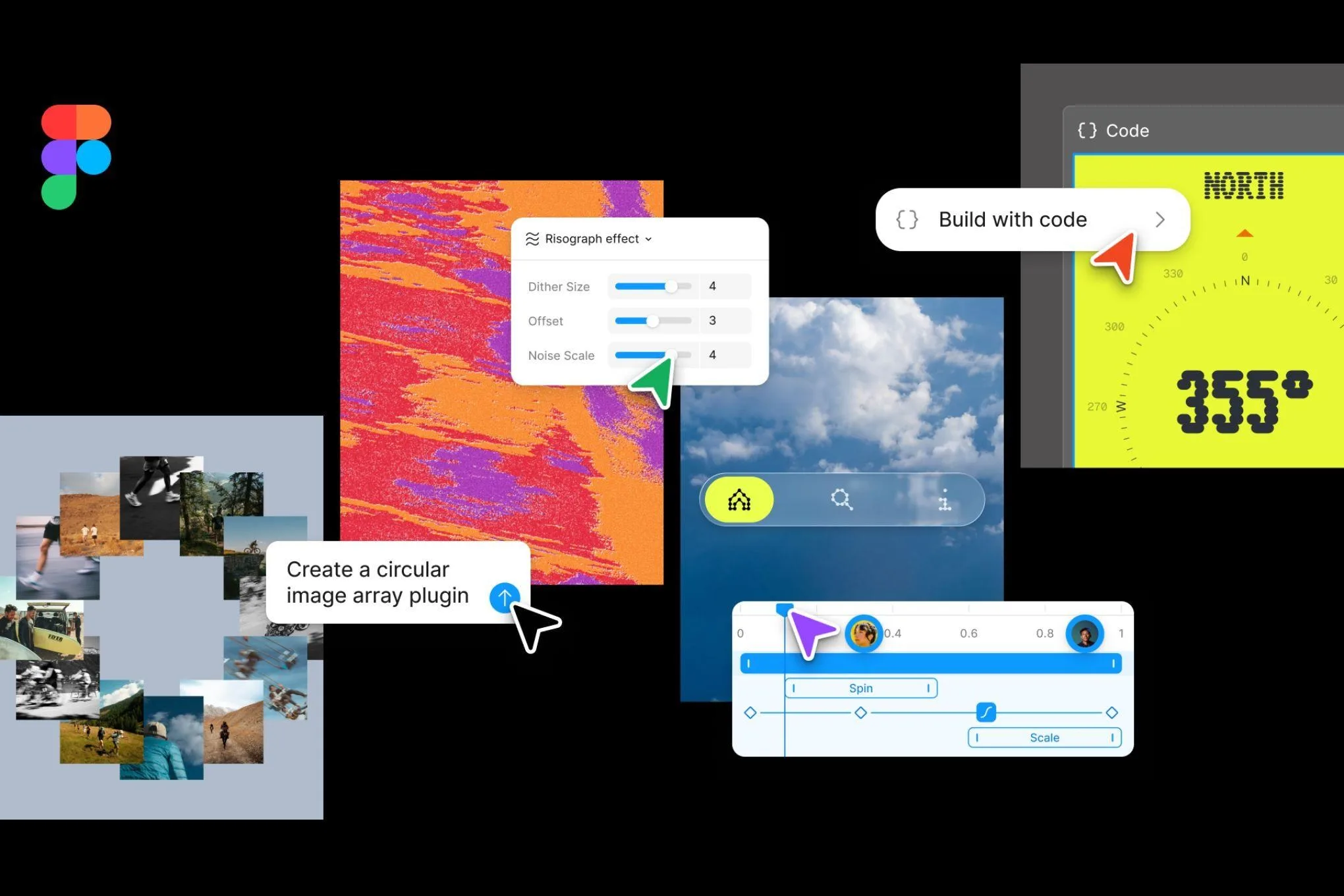
At its annual Config conference, Figma announced coding layers, AI-generated motion graphics, and a reimagined canvas that blurs the line between design and full-stack development.
Sarah Williams · 26 Jun · 5 min
Everyone talks about chips and models. The memory bottleneck is the part of the AI buildout that keeps getting underestimated, and Micron's latest earnings make that case hard to ignore.